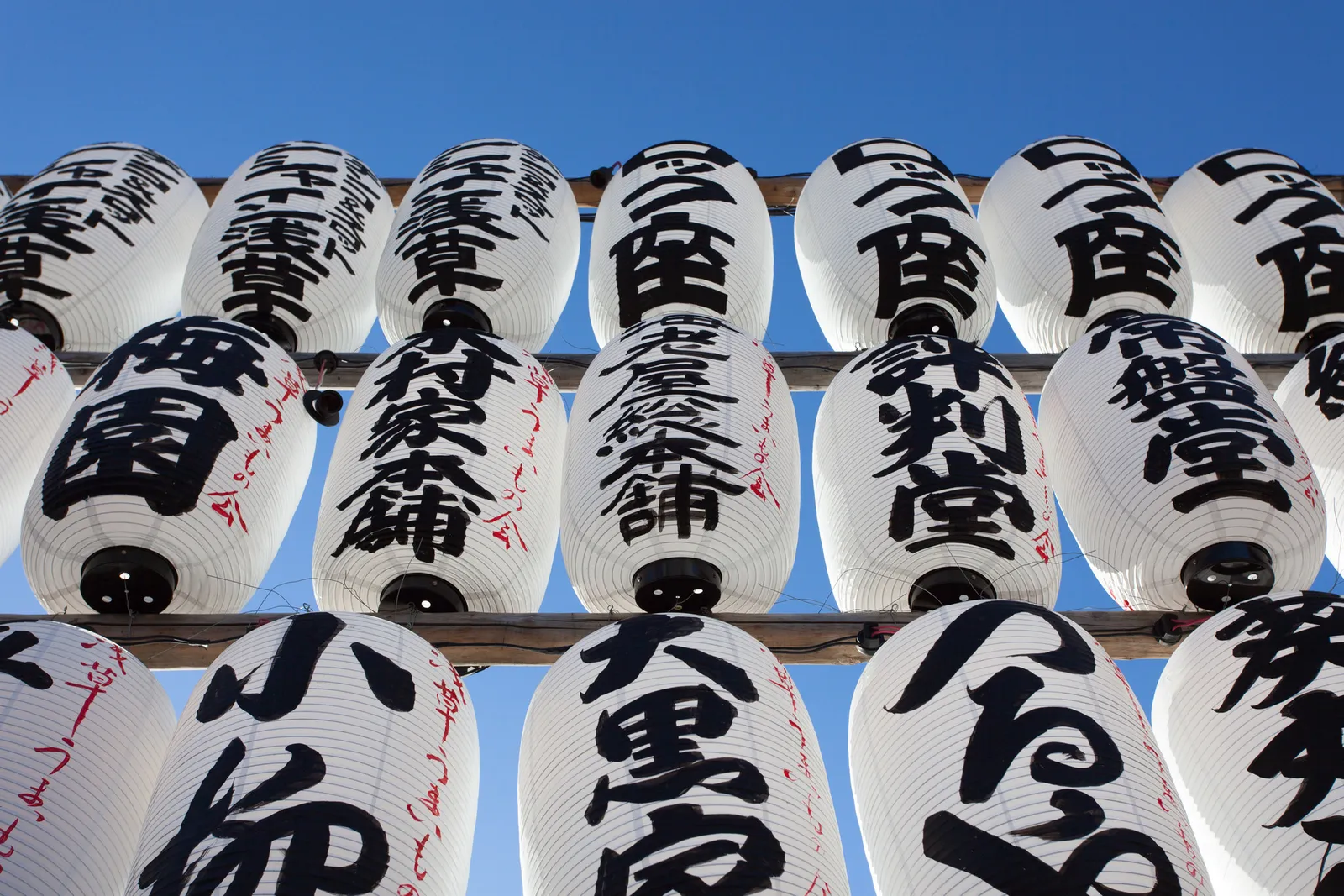
Neon, temples, and the world's best trains.
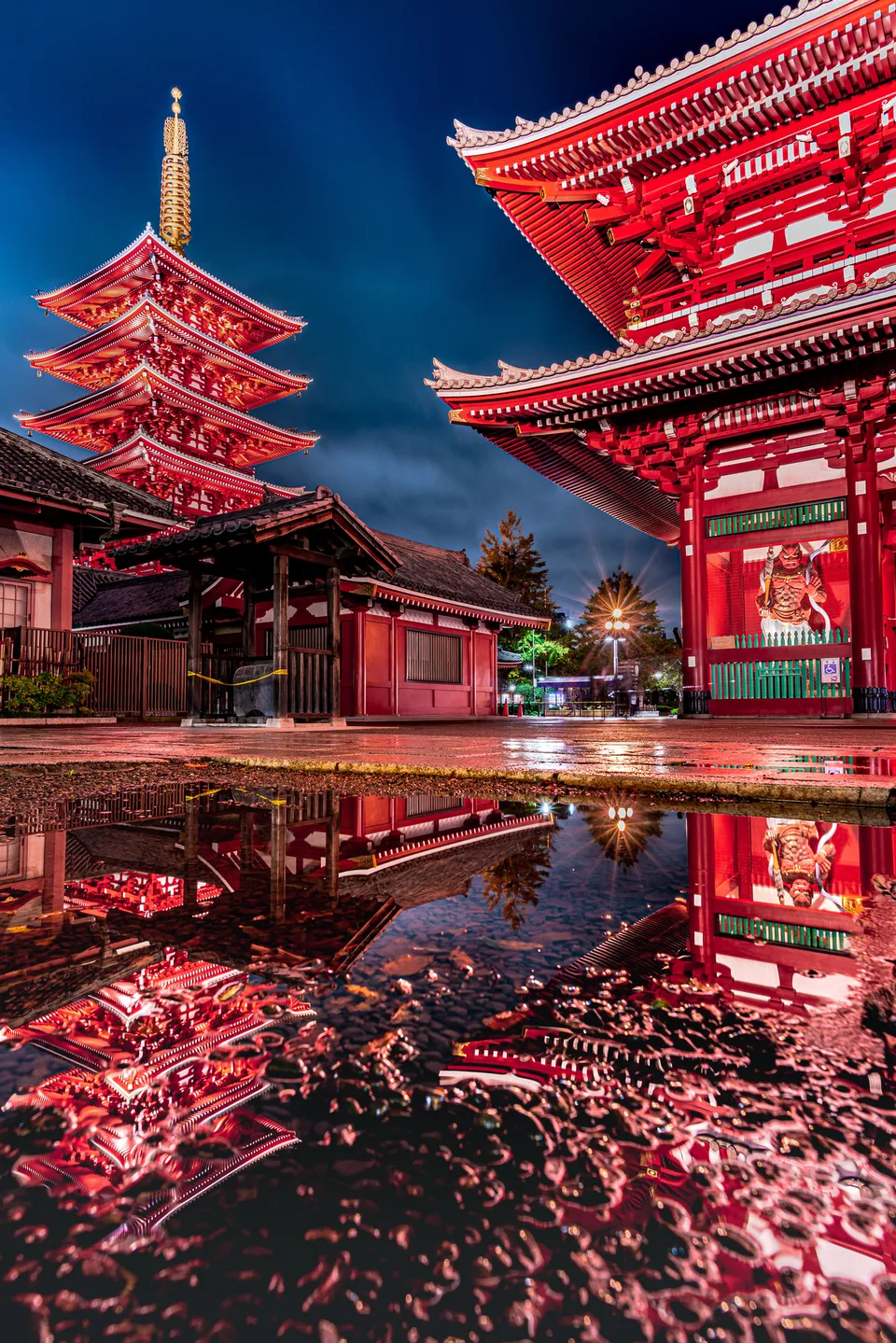
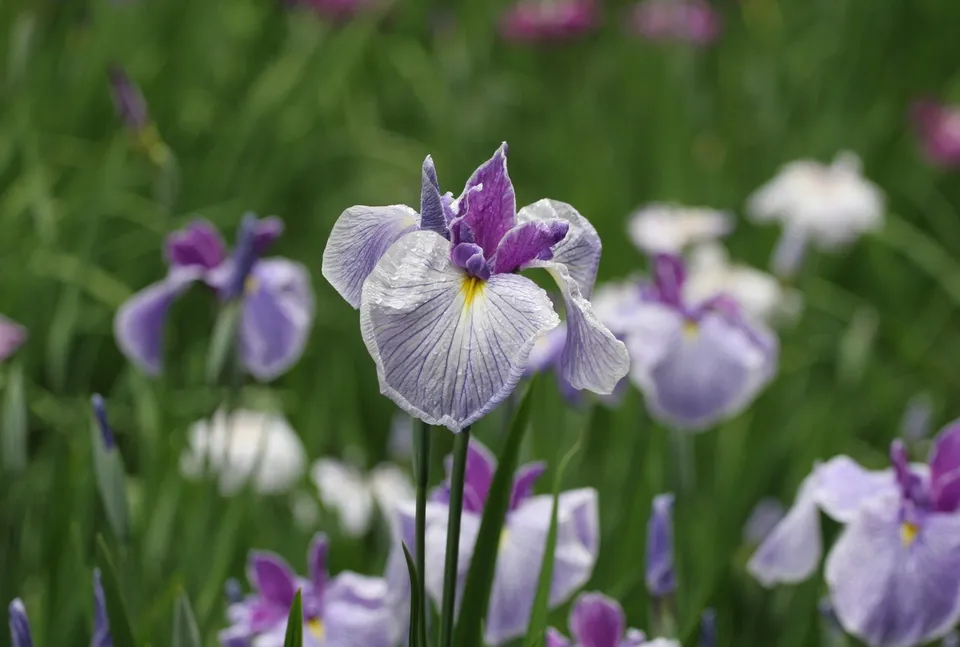
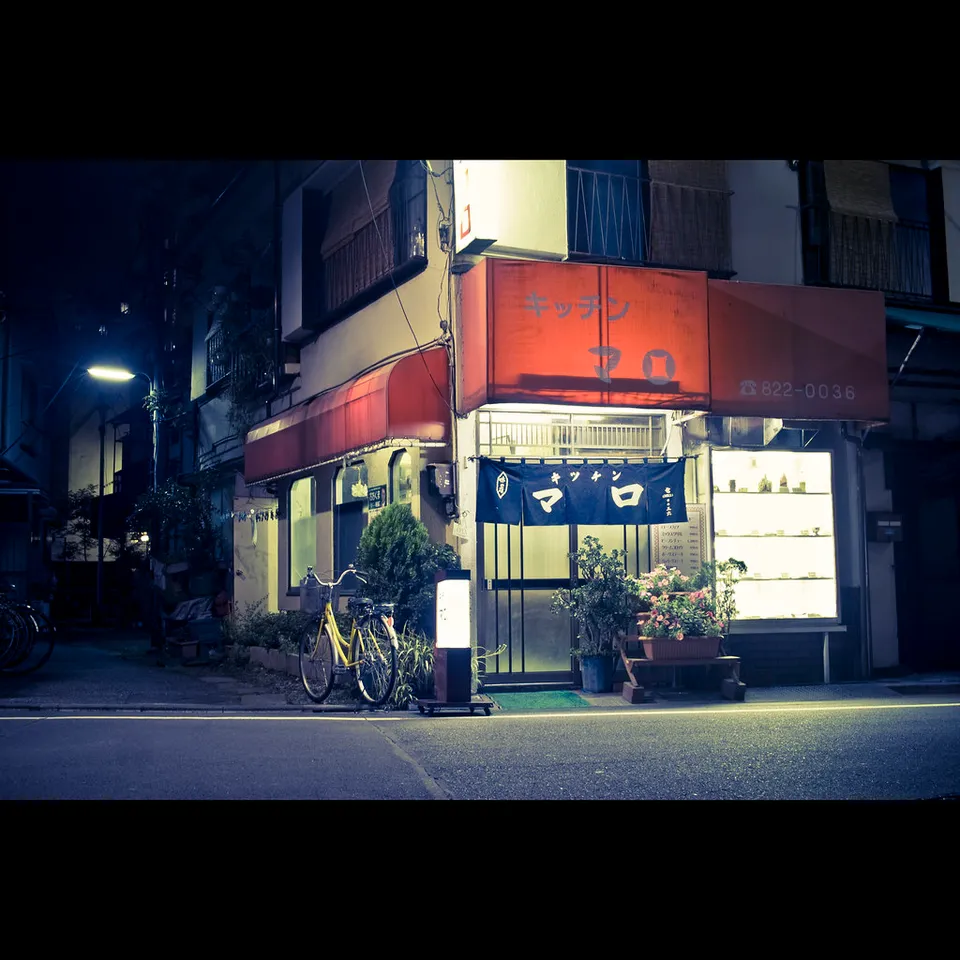
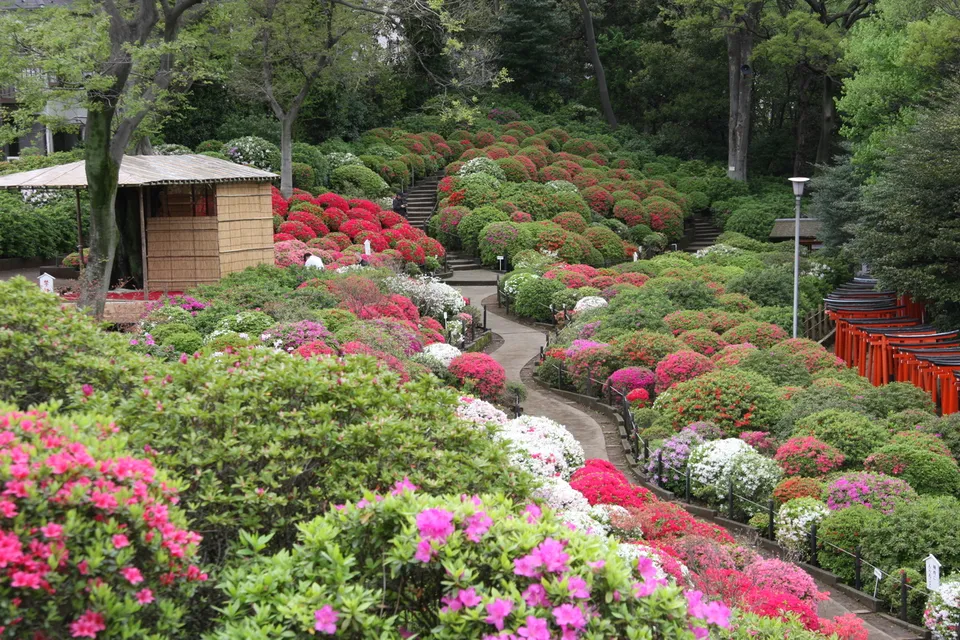
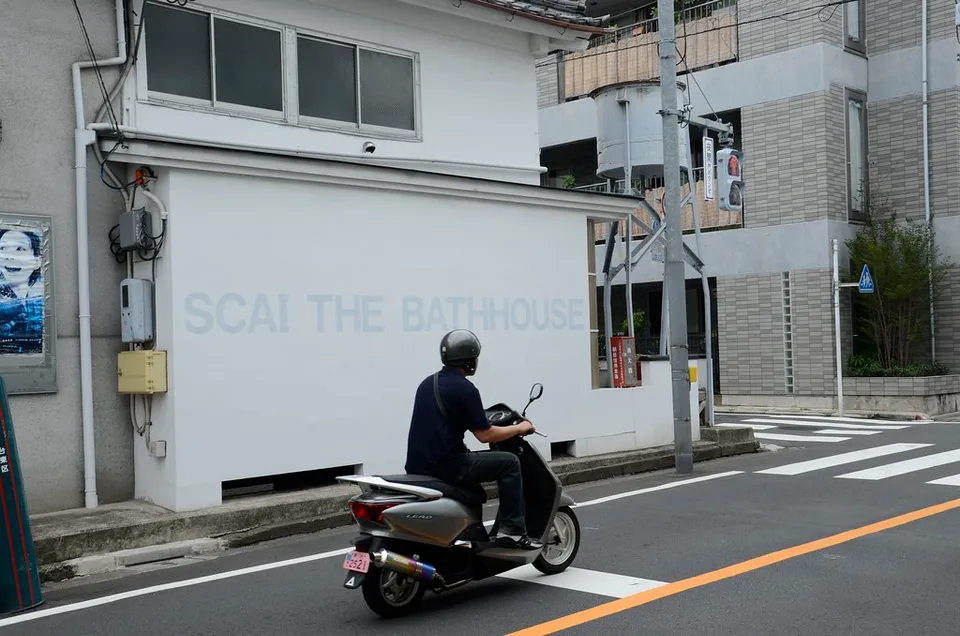
Photos: Sensoji Temple — TAKAYOSHI_ENDOU via FIND/47, CC BY 4.0 · Meiji Jingu — T-KIMURA via FIND/47, CC BY 4.0 · Yanaka — Guwashi999 via Flickr, CC BY 2.0 · Nezu Shrine azalea garden — T-KIMURA via FIND/47, CC BY 4.0 · SCAI The Bathhouse, Yanaka — Stephen Kelly Photography via Flickr, CC BY 2.0
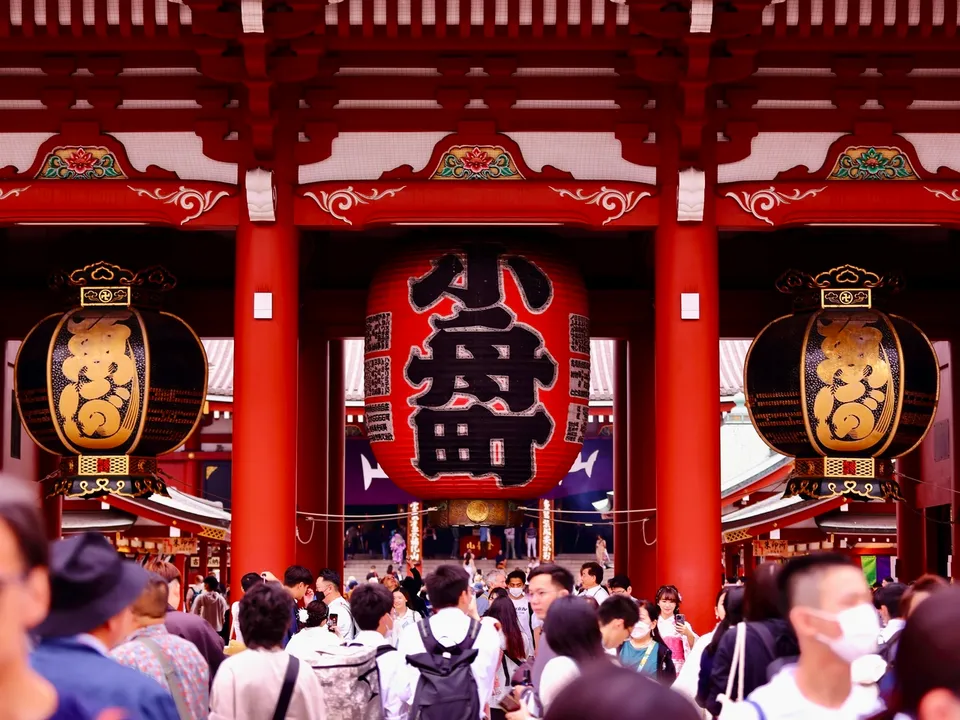 Top pick
 Must-eat
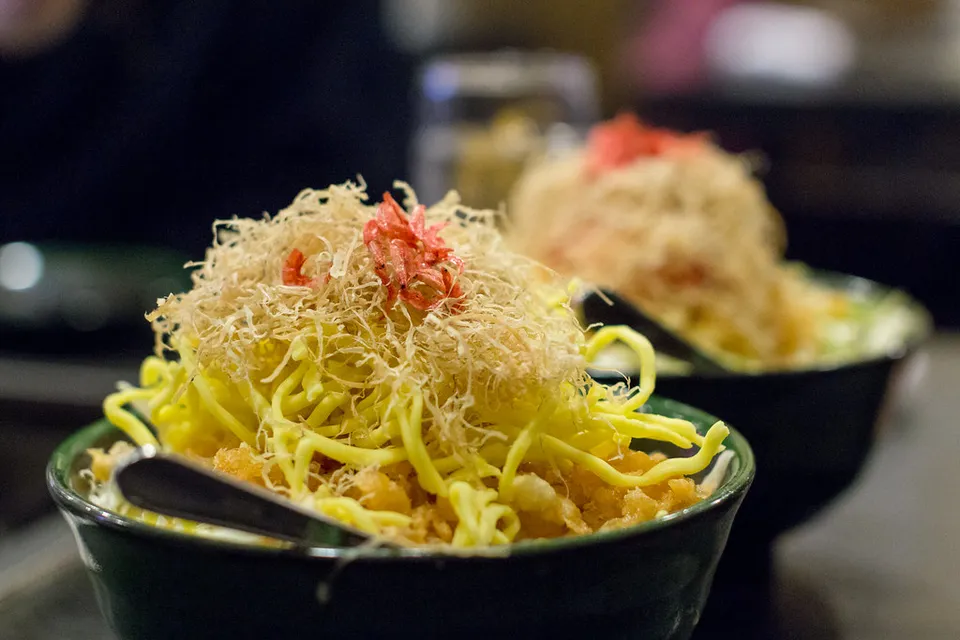
Monjayaki (Tsukishima Monja Street)
Tokyo's signature shitamachi (old downtown) dish: a runny flour batter with cabbage and toppings cooked by diners on a tabletop griddle. Tsukishima Monja…
 Must-eat
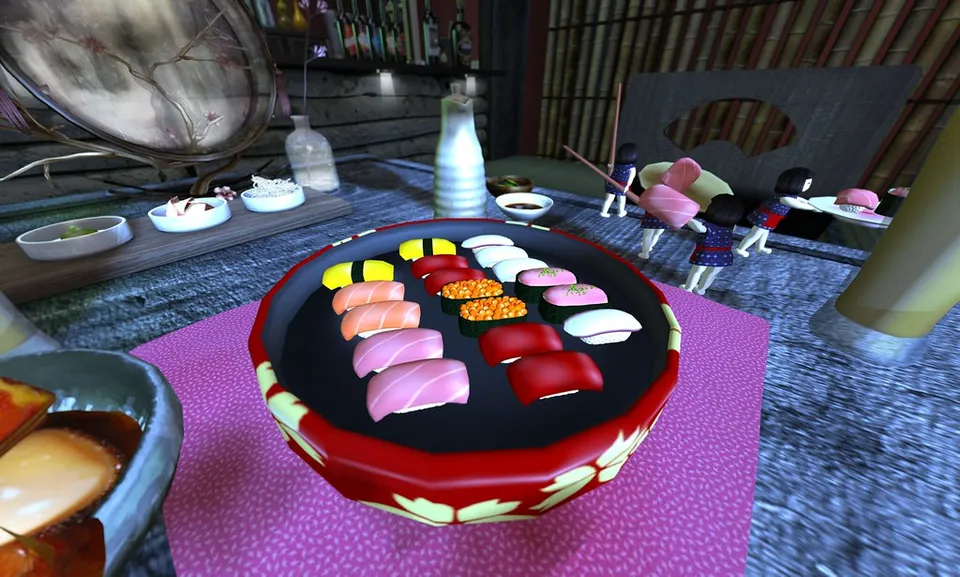
Edomae sushi
Tokyo (old Edo) is the birthplace of nigiri 'Edomae' sushi using Tokyo Bay seafood; the official Tokyo guide profiles it among the city's defining local foods.
Tokyo ramen (Tokyo Ramen Street)
Soy-based 'Tokyo-style' ramen is a city staple; Tokyo Ramen Street beside Tokyo Station gathers eight acclaimed shops, each with its own variation.
Tokyo at a glance
Next door
Links marked PR are affiliate links: if you book through them we may earn a commission at no extra cost to you. Photos: Sensoji Temple — tutu via FIND/47, CC BY 4.0 · Sensoji Temple — TAKAYOSHI_ENDOU via FIND/47, CC BY 4.0 · Meiji Jingu — T-KIMURA via FIND/47, CC BY 4.0 · Yanaka — Guwashi999 via Flickr, CC BY 2.0 · Nezu Shrine azalea garden — T-KIMURA via FIND/47, CC BY 4.0 · SCAI The Bathhouse, Yanaka — Stephen Kelly Photography via Flickr, CC BY 2.0 · Sensoji Temple — Kodai_Miyazaki via FIND/47, CC BY 4.0 · Yanaka — non-euclidean photography via Flickr, CC BY 2.0 · Monjayaki — t-mizo via Flickr, CC BY 2.0 · Edomae sushi — ▓▒░ TORLEY ░▒▓ via Flickr, CC BY-SA 2.0. Map: Geolonia (MIT).