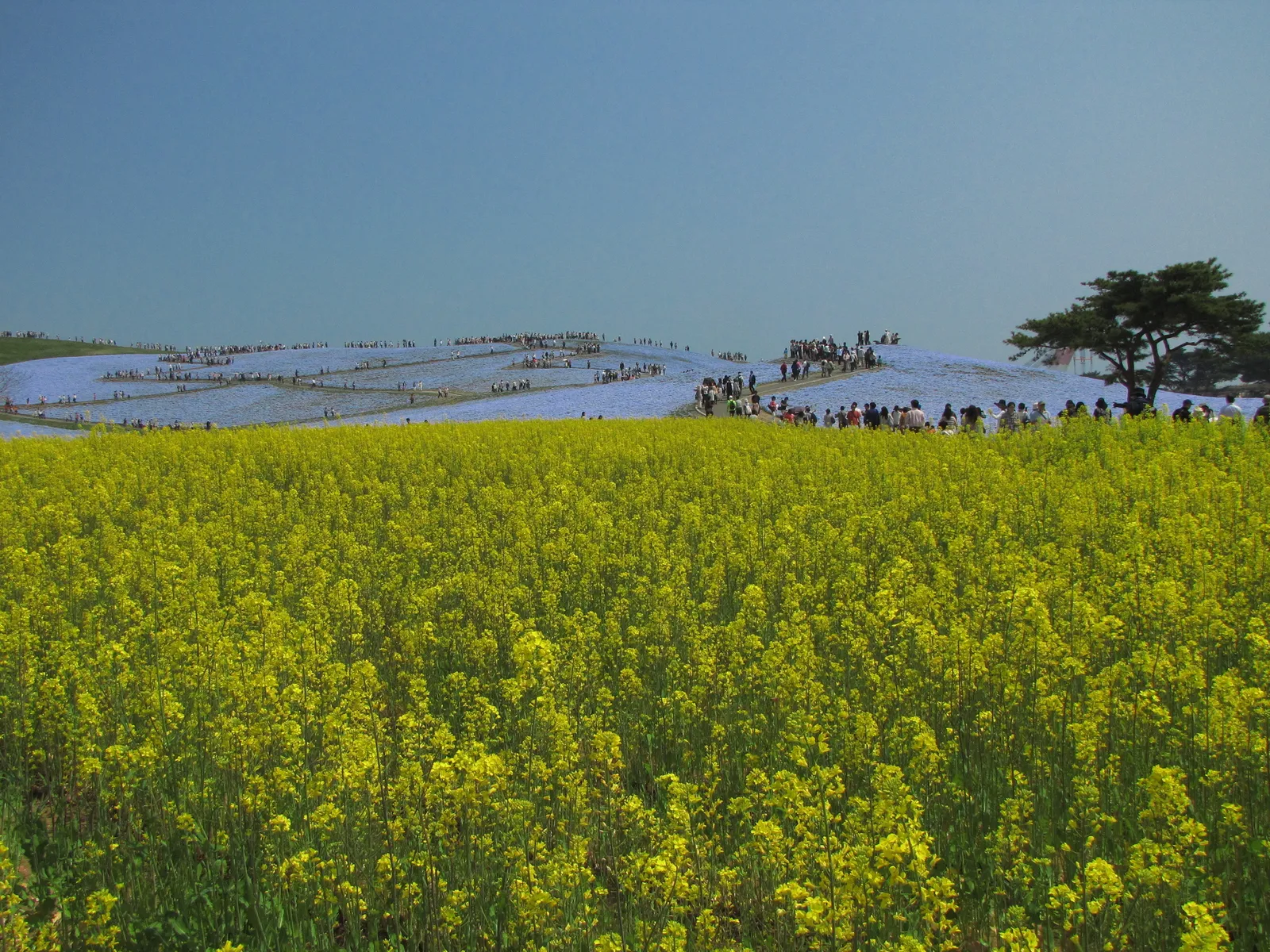
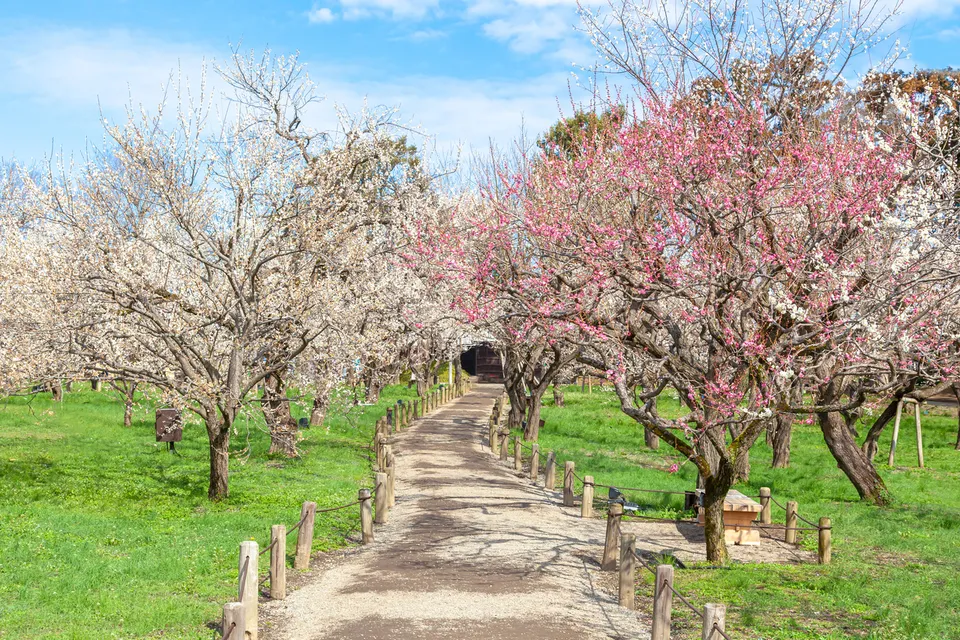
Ibaraki, on the Pacific coast northeast of Tokyo, is famed for Hitachi Seaside Park's springtime hills of blue nemophila and autumn red kochia, and for Kairakuen in Mito, one of Japan's "Three Great Gardens" with around 3,000 plum trees. It's also home to Tsukuba Science City, a hub of national research institutions.
Ibaraki (茨城) was the Mito (水戸) domain of a senior Tokugawa branch; the scholarly Mito lords created Kairaku-en (偕楽園), one of Japan's three great gardens, as a space to share with the public.
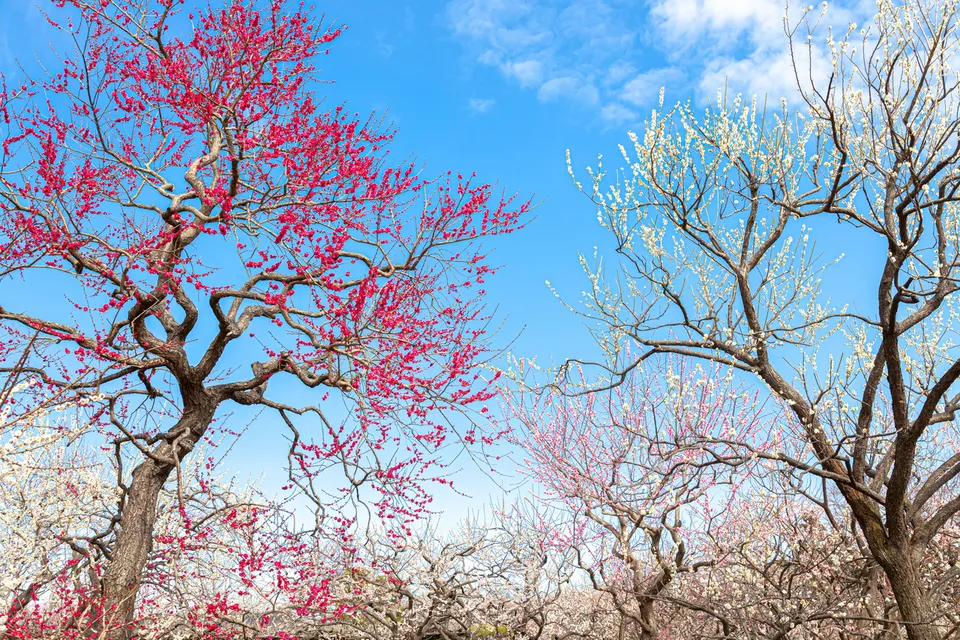
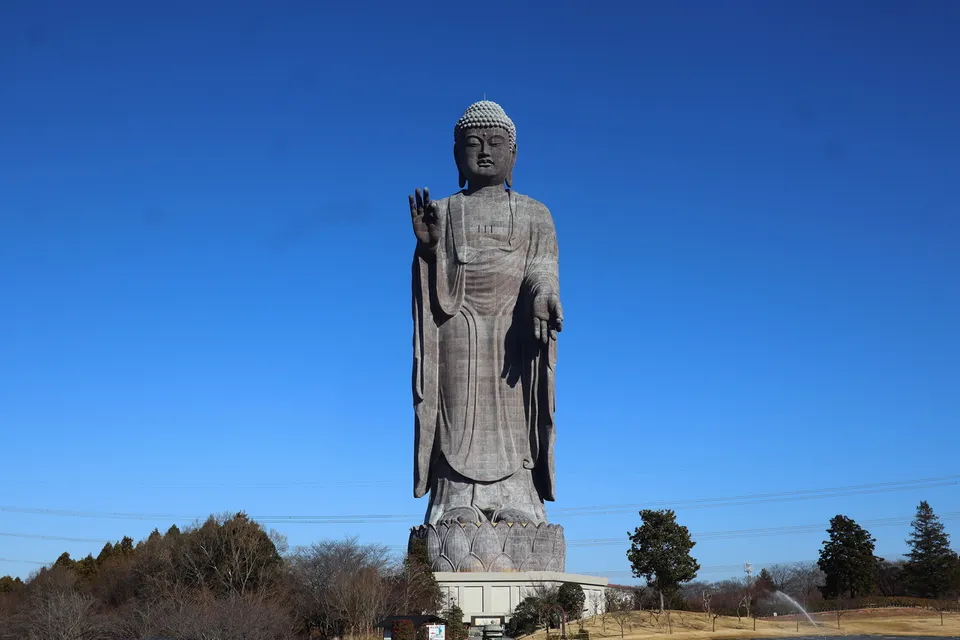
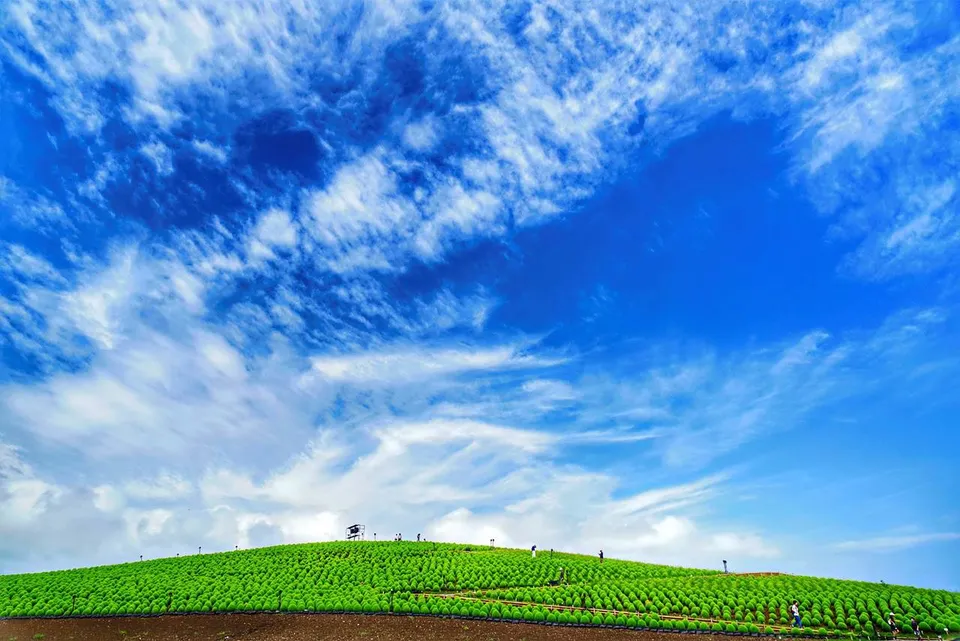
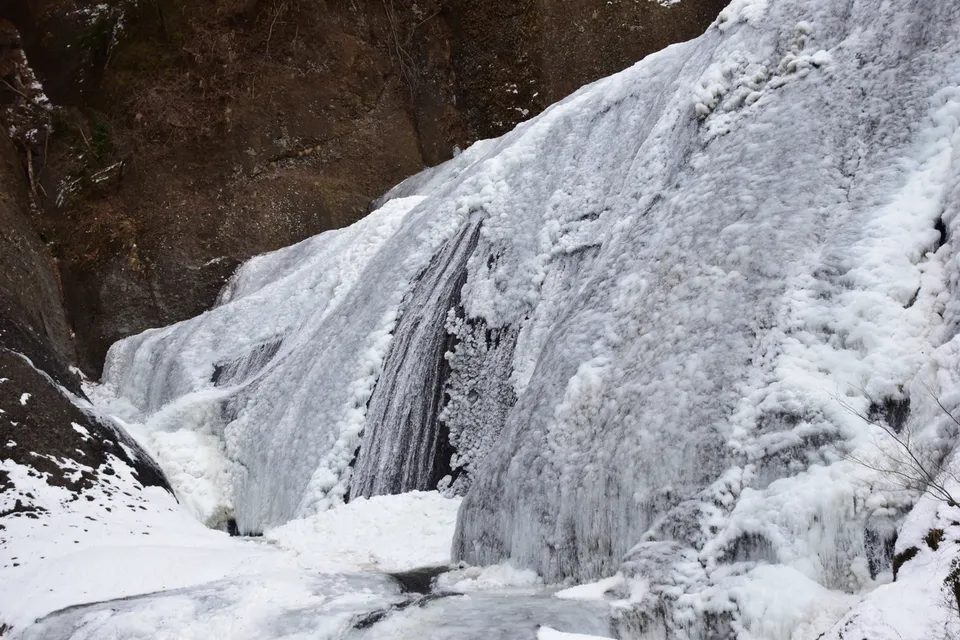
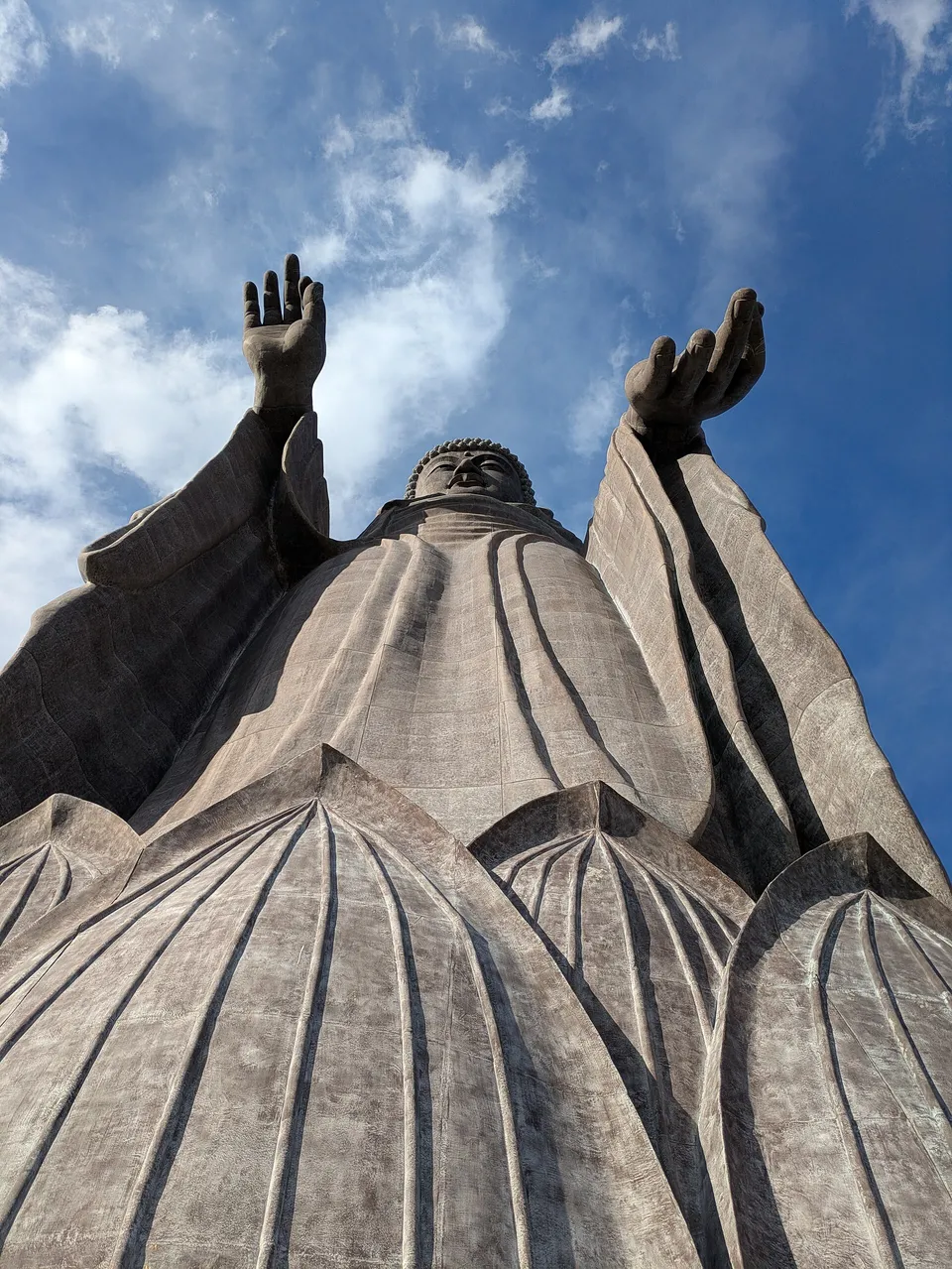
Photos: Kairakuen Garden — Yasuyuki_Kawano via FIND/47, CC BY 4.0 · Ushiku Daibutsu — Nakai_Chan via FIND/47, CC BY 4.0 · Hitachi Seaside Park — Michio_Matsuoka via FIND/47, CC BY 4.0 · Fukuroda Falls — SQ0 via FIND/47, CC BY 4.0
Mito is ~1h15m from Tokyo by limited express; Hitachi Seaside Park by bus from Katsuta.
 Top pick
 Top pick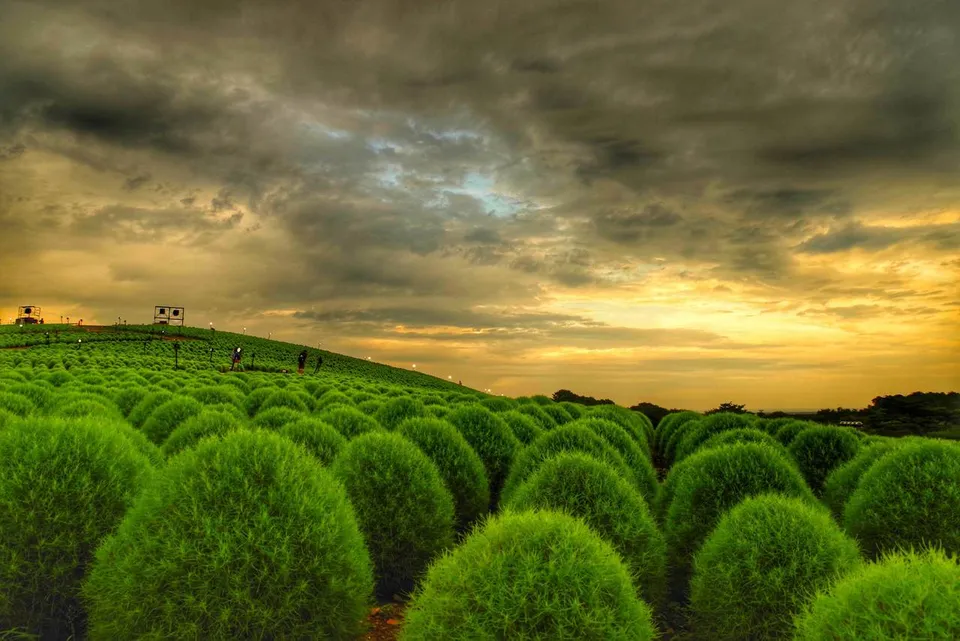
Mito Natto (fermented soybeans)
Ibaraki's most iconic food: small-bean fermented soybeans from Mito, prized for strong stickiness, rich aroma and umami. Eaten over rice, on toast or in pasta.
 Must-eat
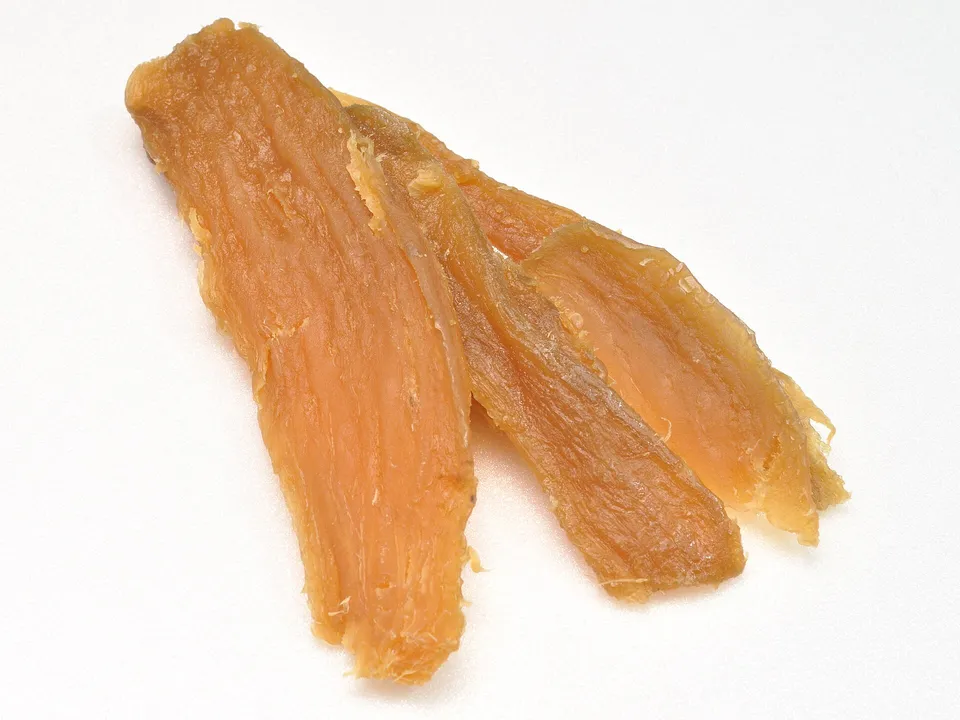
Hoshi-imo (dried sweet potato)
Ibaraki produces over 90% of Japan's hoshi-imo (Hitachinaka, Tokai, Naka). Naturally sweet, chewy, no added sugar; the white surface coating is crystallized…
 Must-eat
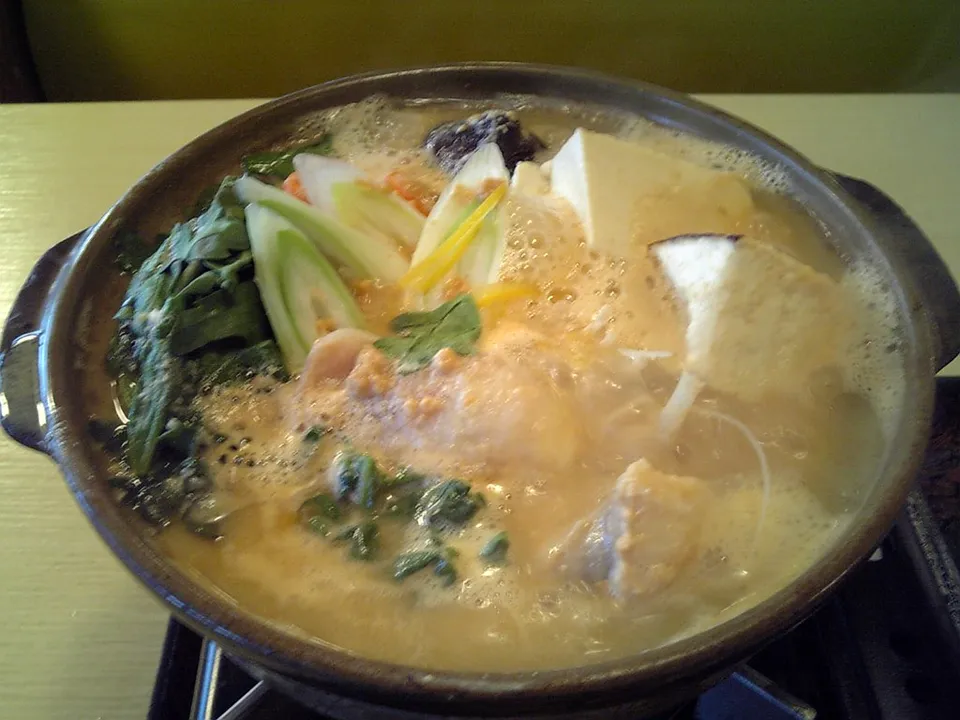
Anko Nabe (anglerfish hot pot)
Winter specialty of the coast (Mito/Oarai). Monkfish simmered in a rich pot; nearly every part is edible and the collagen-rich liver is prized as a delicacy.
Ibaraki at a glance
Next door
Links marked PR are affiliate links: if you book through them we may earn a commission at no extra cost to you. Photos: Hitachi Seaside Park flower fields — SQUAREZERO via FIND/47, CC BY 4.0 · Kairakuen Garden — Yasuyuki_Kawano via FIND/47, CC BY 4.0 · Ushiku Daibutsu — Nakai_Chan via FIND/47, CC BY 4.0 · Hitachi Seaside Park — Michio_Matsuoka via FIND/47, CC BY 4.0 · Fukuroda Falls — SQ0 via FIND/47, CC BY 4.0 · Kairakuen Garden — Yasuyuki_Kawano via FIND/47, CC BY 4.0 · Ushiku Daibutsu — Natsui river via Wikimedia Commons, CC BY-SA 4.0 · Hitachi Seaside Park — Michio_Matsuoka via FIND/47, CC BY 4.0 · Hoshi-imo — Ocdp via Wikimedia Commons, CC0 · Anko Nabe — odysseygate via Flickr, CC BY-SA 2.0. Map: Geolonia (MIT).

