Tochigi, about 100 km north of Tokyo, is home to Nikko's gilded UNESCO World Heritage shrines and temples and the surrounding national park of waterfalls, lakes and autumn foliage. The capital Utsunomiya is renowned across Japan as a gyoza (dumpling) town.
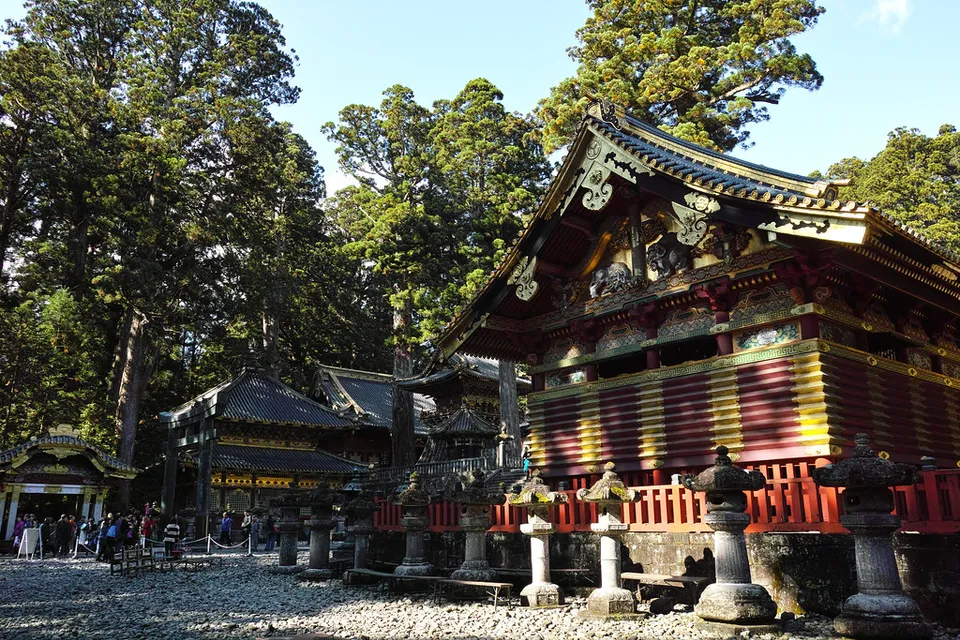
Tochigi (栃木) holds Nikkō (日光), where Tokugawa Ieyasu was enshrined in 1617 at the lavishly carved Tōshō-gū (東照宮), making it one of Japan's most important shrine complexes.
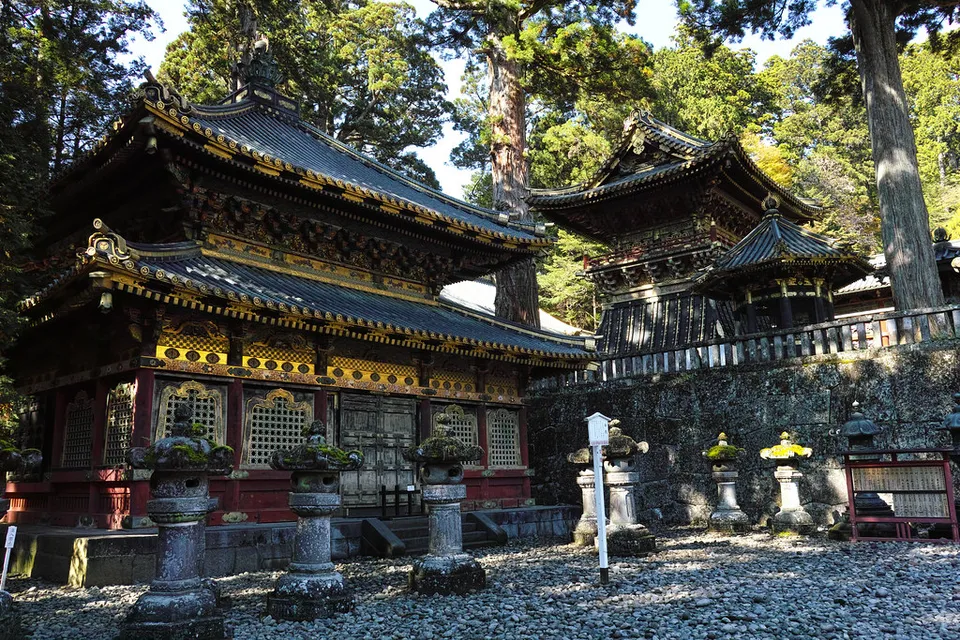
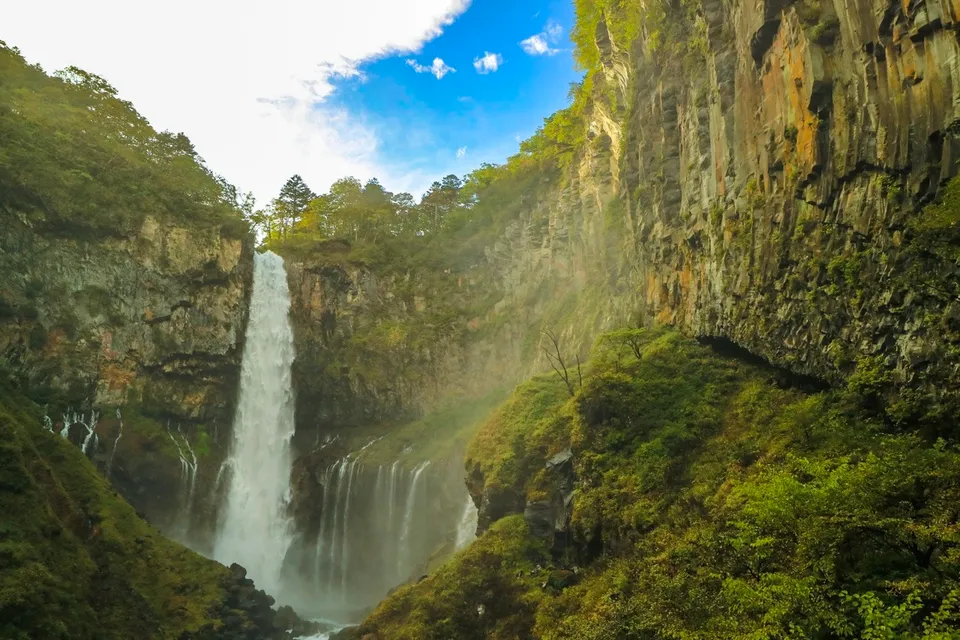
Photos: Nikko Toshogu Shrine — bethom33 via Flickr, CC BY-SA 2.0 · Kegon Falls — taka14 via FIND/47, CC BY 4.0
Nikkō is ~2h from Tokyo (Tōbu line from Asakusa, or shinkansen + transfer).
 Top pick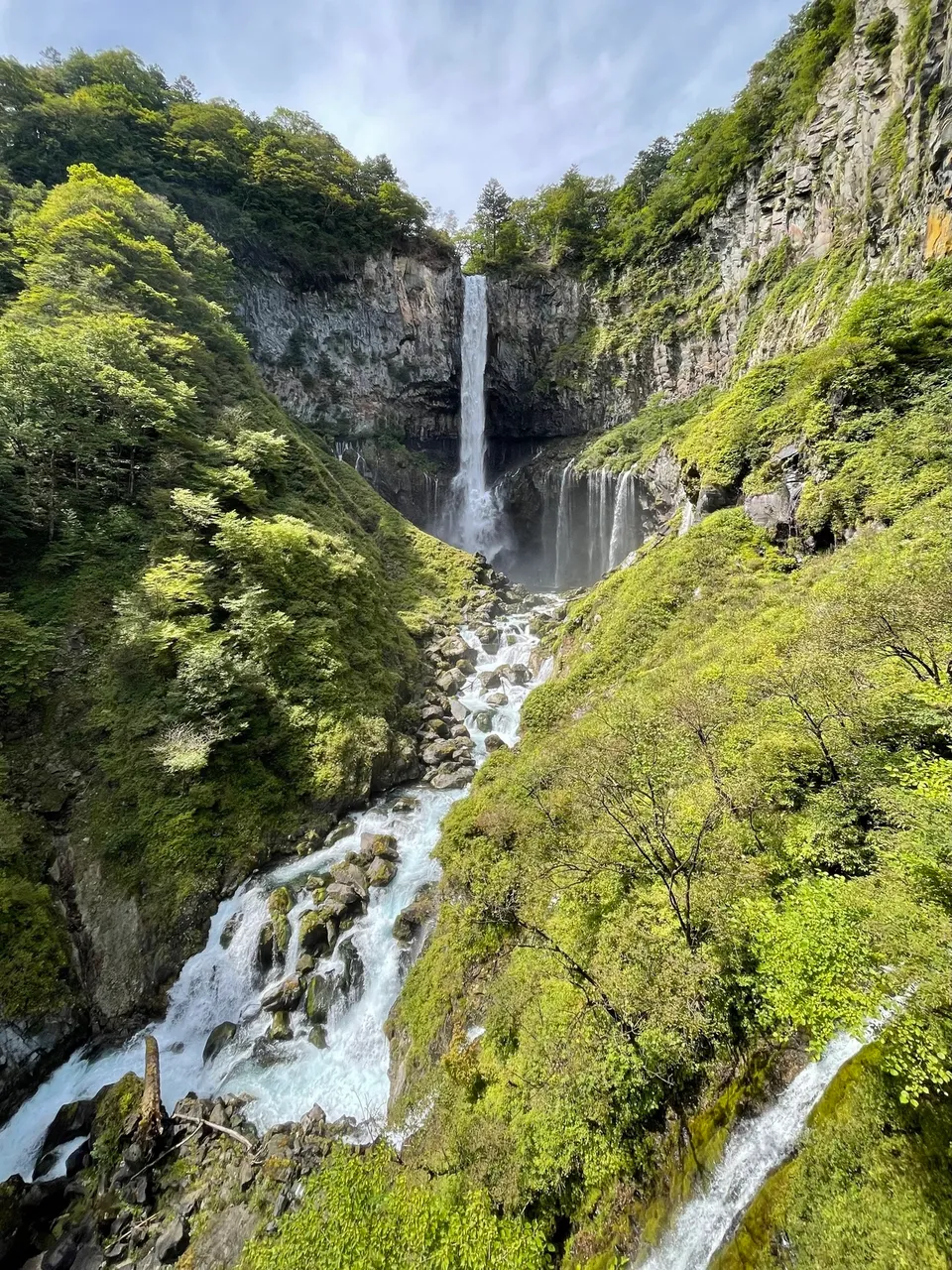
 Must-eat
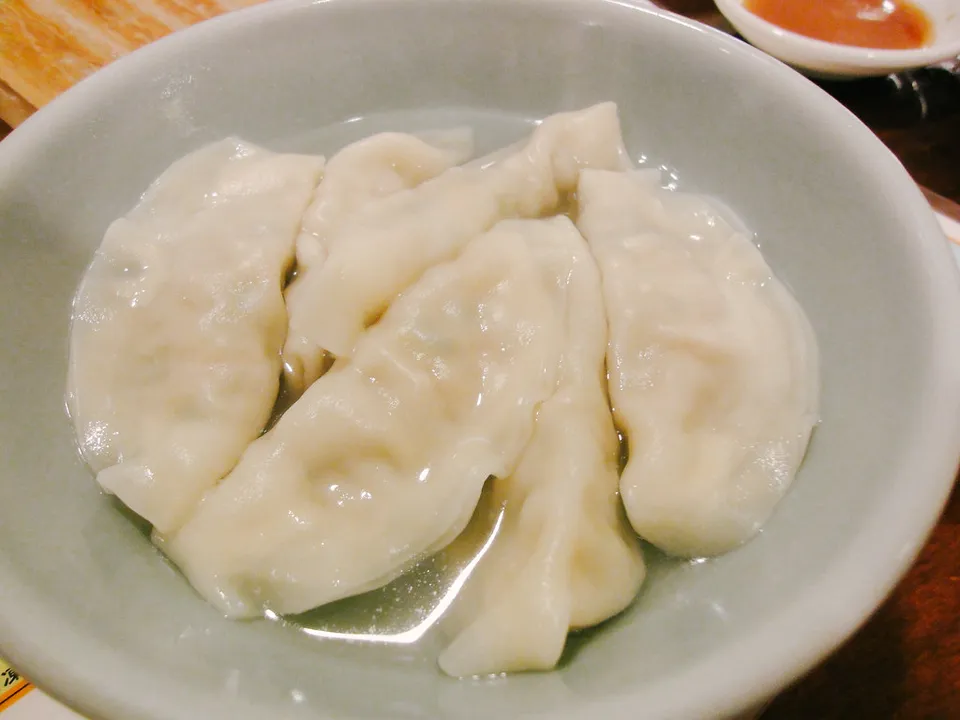
Utsunomiya Gyoza (宇都宮餃子)
Utsunomiya is Japan's self-styled gyoza capital with 300+ specialty shops; the local style is light and vegetable-forward, served pan-fried (yaki), deep-fried…
 Must-eat
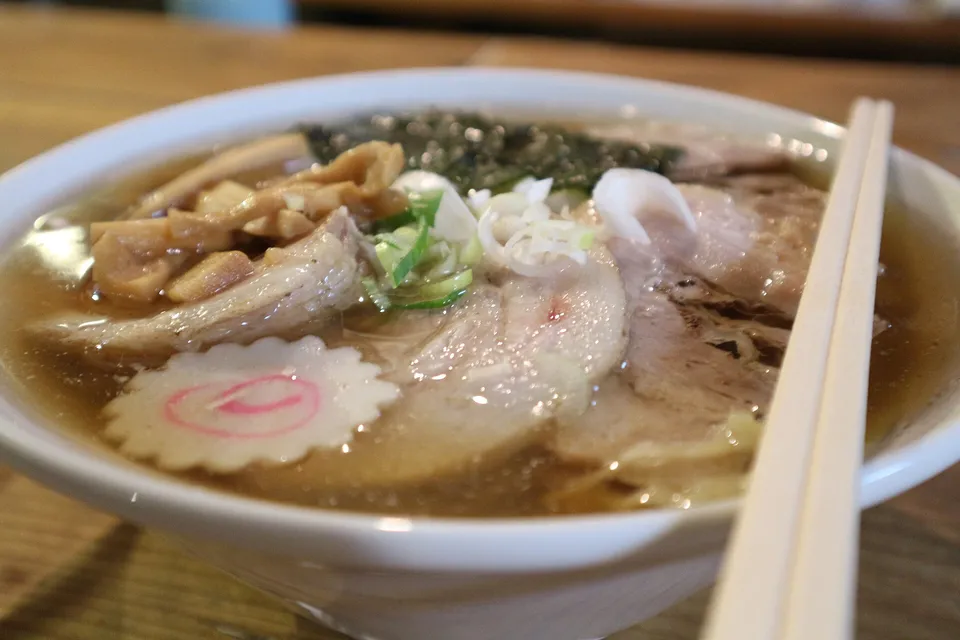
Sano Ramen (佐野ラーメン)
A regional ramen from Sano city with a light soy-based broth and chewy, springy handmade noodles traditionally kneaded with a green bamboo stick (aodake).…
 Must-eat
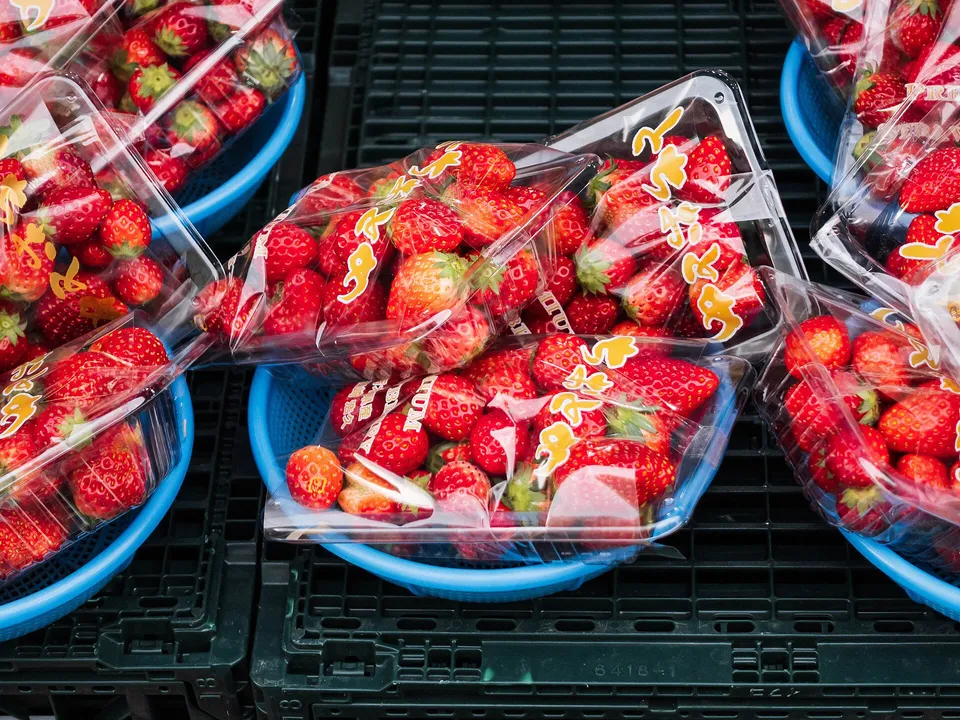
Tochiotome strawberries (とちおとめ)
Tochigi is Japan's top strawberry-producing prefecture; the sweet, juicy Tochiotome variety is a flagship. Pick-your-own strawberry farms (e.g. around…
Tochigi at a glance
Next door
Links marked PR are affiliate links: if you book through them we may earn a commission at no extra cost to you. Photos: Nikko Toshogu Shrine — bethom33 via Flickr, CC BY-SA 2.0 · Kegon Falls — taka14 via FIND/47, CC BY 4.0 · Nikko Toshogu Shrine — bethom33 via Flickr, CC BY-SA 2.0 · Kegon Falls — Yuto via FIND/47, CC BY 4.0 · Utsunomiya Gyoza — Dick Thomas Johnson via Flickr, CC BY 2.0 · Sano Ramen — Nearby Tokyo via Wikimedia Commons, CC BY-SA 4.0 · Tochiotome strawberries — Ryohei Noda via Wikimedia Commons, CC BY 4.0. Map: Geolonia (MIT).

