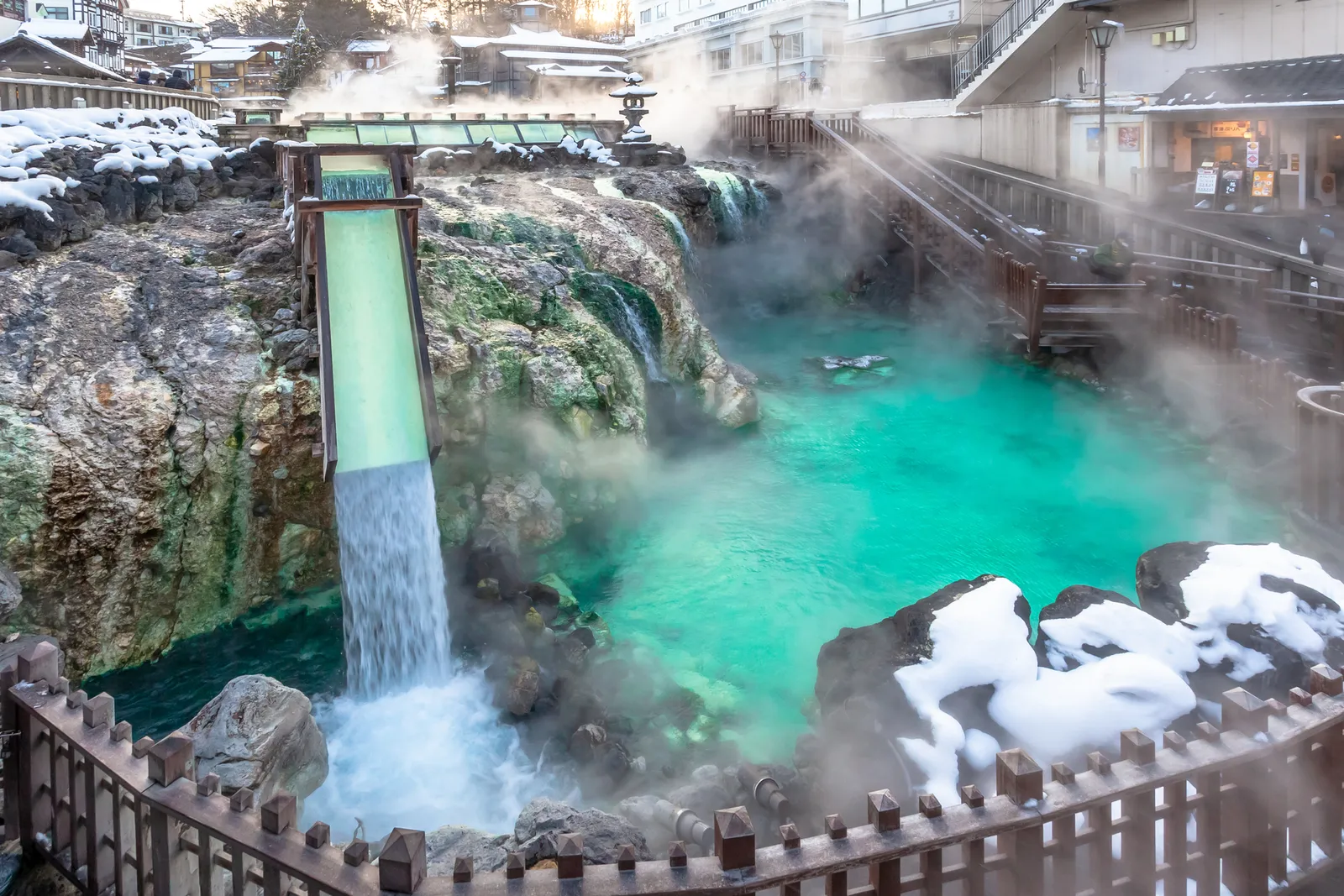
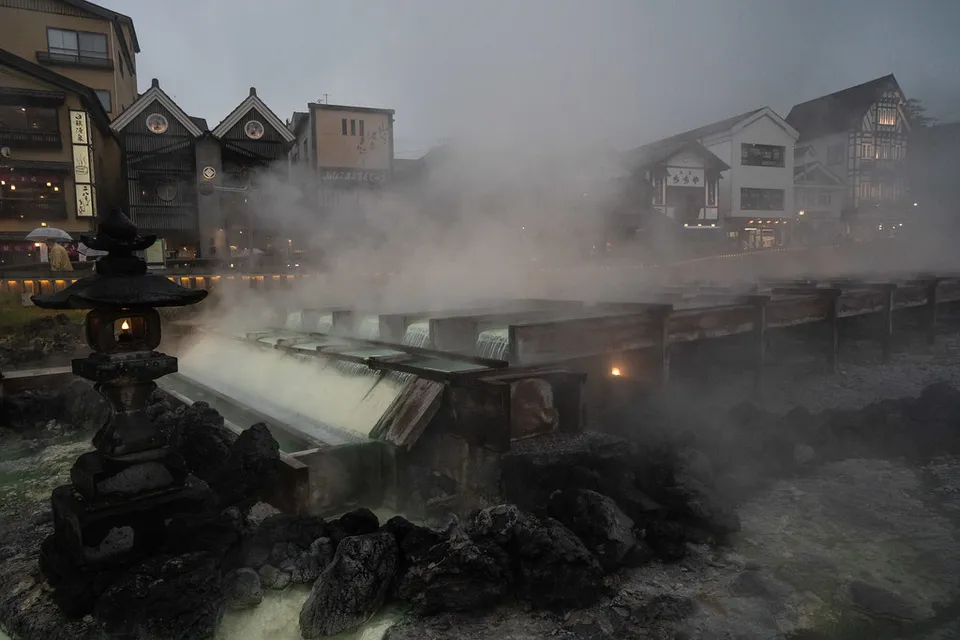
A landlocked, mountainous prefecture in northern Kanto famous for its hot springs, including Kusatsu Onsen, which boasts the largest natural hot-water output in Japan. It is also home to the UNESCO World Heritage Tomioka Silk Mill and the birthplace of the daruma doll.
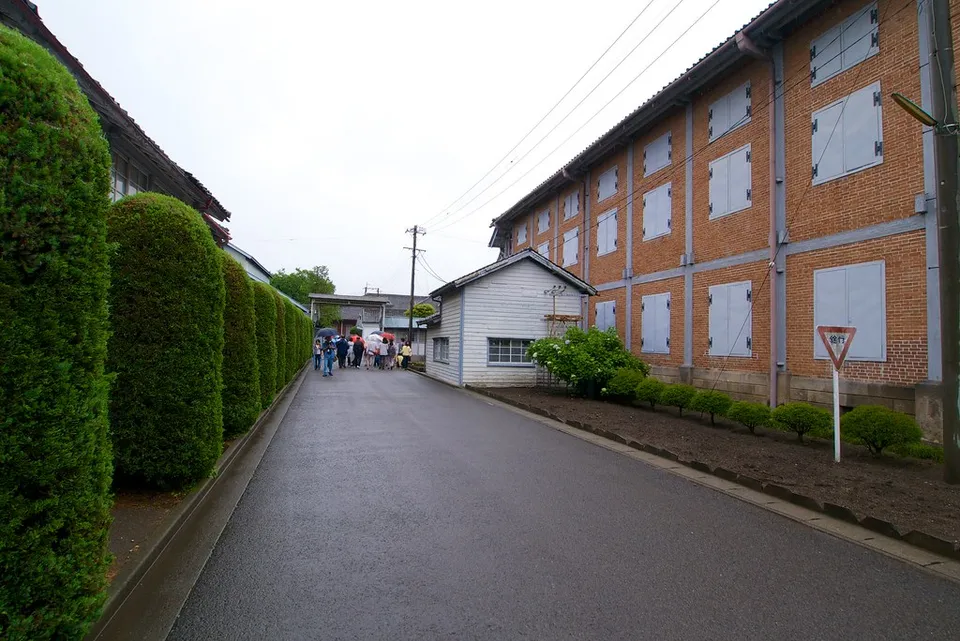
Gunma (群馬) launched Japan's modern era: the Tomioka Silk Mill (富岡製糸場), opened in 1872, mechanized silk production and is now a UNESCO site. Its mountains hide centuries-old onsen.
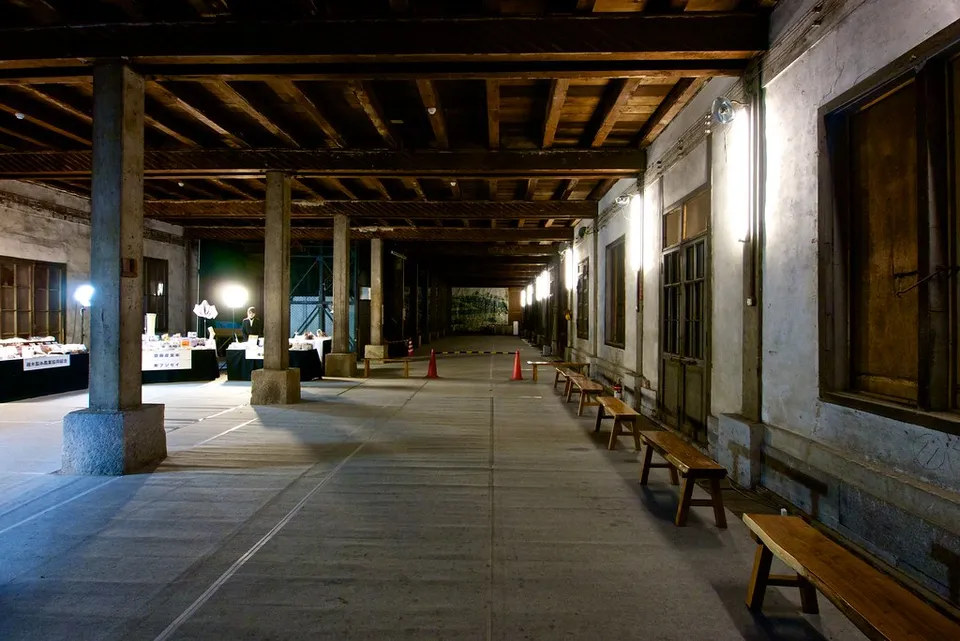
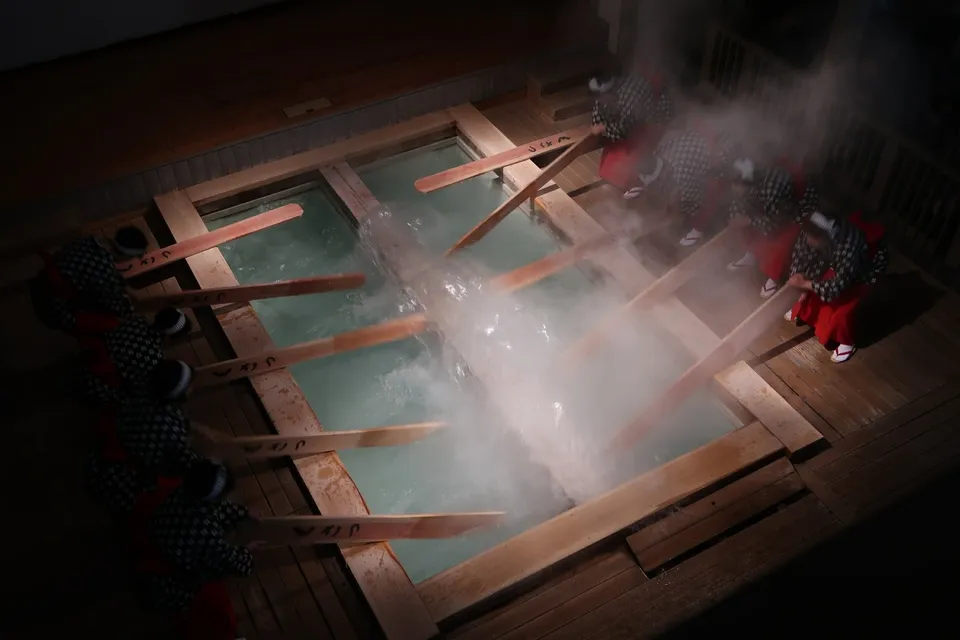
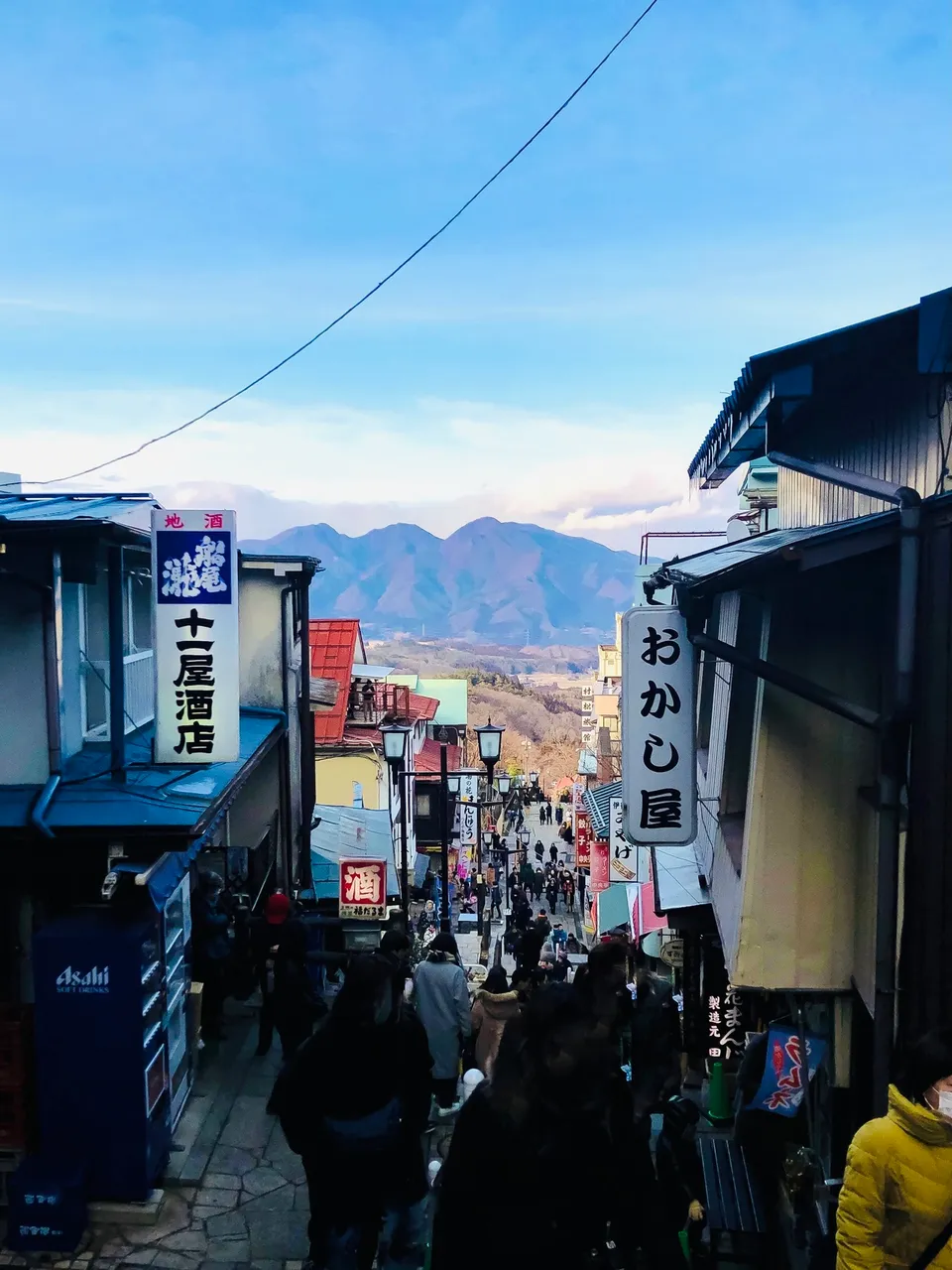
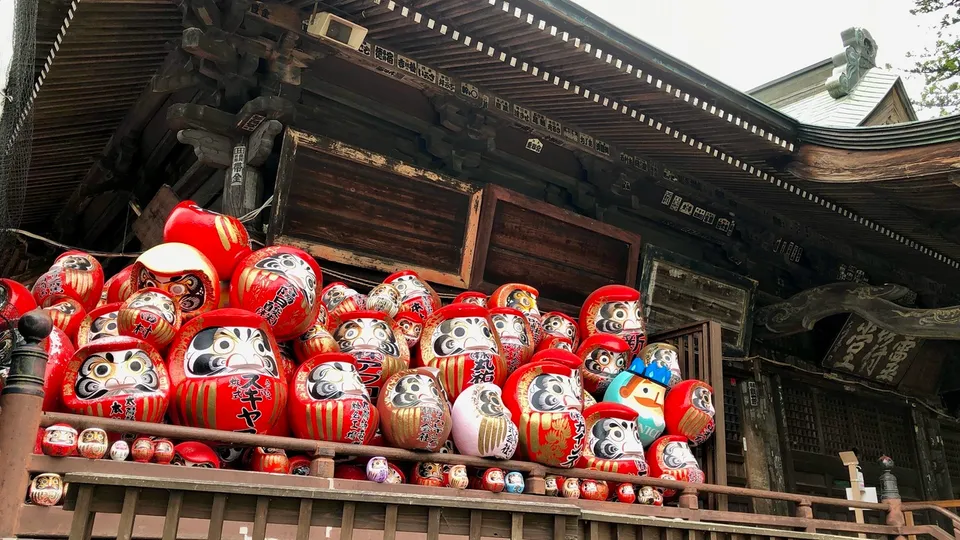
Photos: Tomioka Silk Mill — さわすー (sawasuke) via Flickr, CC BY 2.0 · Kusatsu Onsen — kage1128 via FIND/47, CC BY 4.0 · Ikaho Onsen 365 Stone Steps — ShuichiNakayama via FIND/47, CC BY 4.0 · Takasaki Daruma painting workshop — Ken_Lee via FIND/47, CC BY 4.0
Takasaki is ~50 min from Tokyo by shinkansen; onsen towns by bus/local line.
 Top pick
 Top pick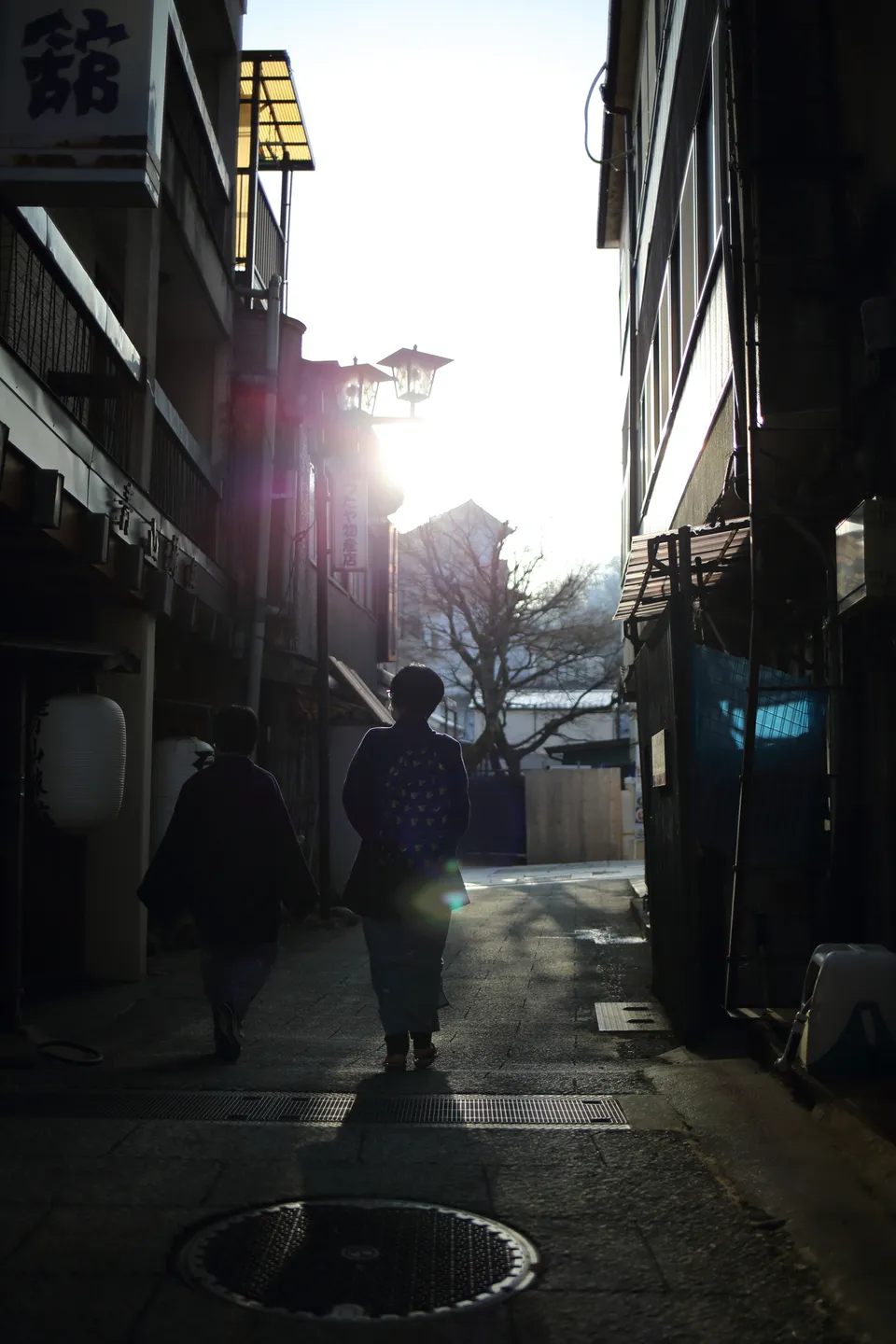
 Must-eat
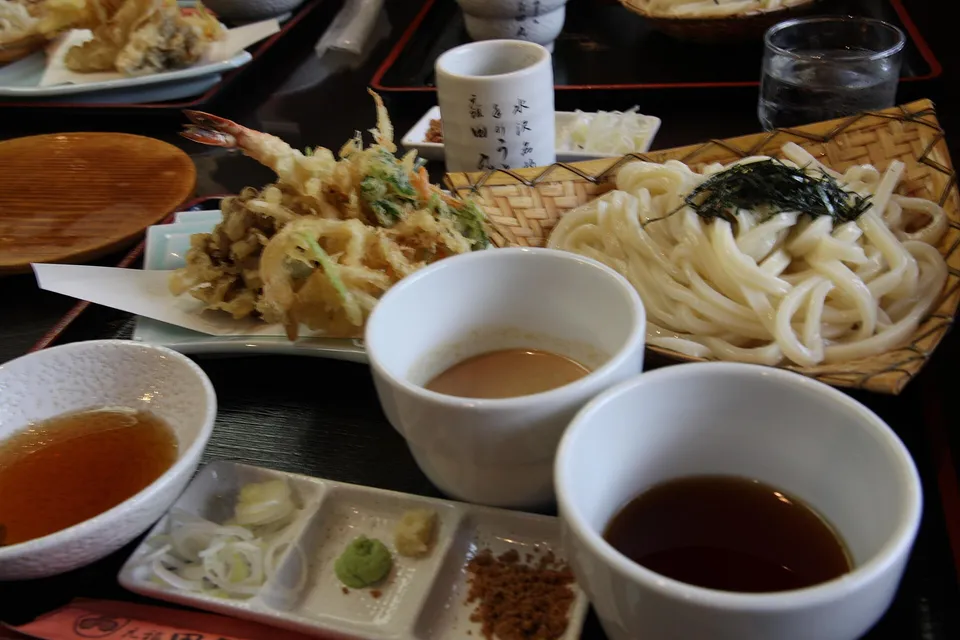
Mizusawa Udon / Himokawa Udon
Gunma is a major wheat region; Mizusawa udon (regarded as one of Japan's top-quality noodles, smooth with a firm bite) and ultra-wide himokawa udon are…
 Must-eat
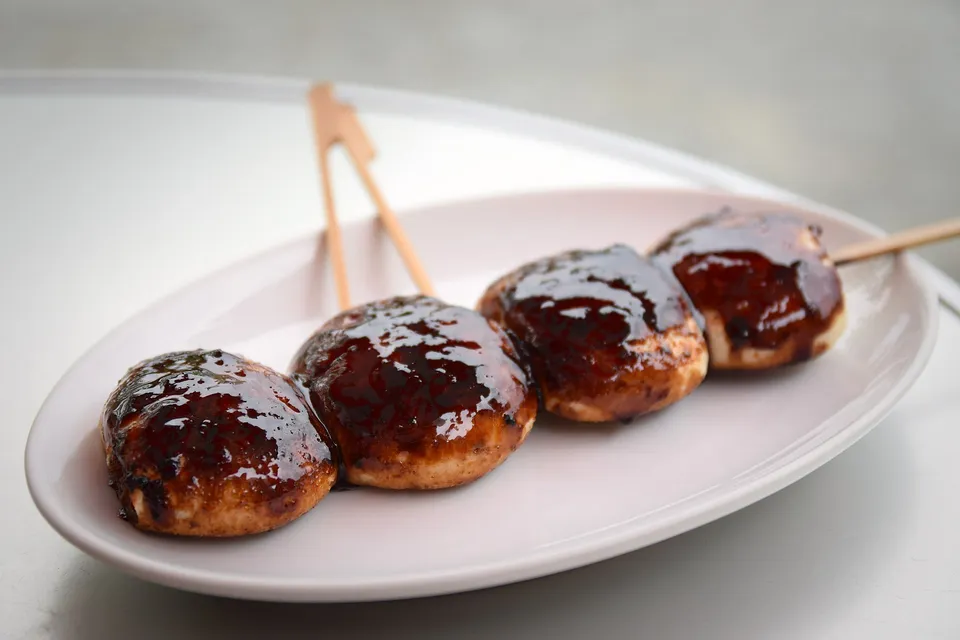
Yakimanju (grilled miso buns)
Steamed buns skewered, grilled and coated in a sweet miso glaze. A beloved Edo-period street snack originating in Maebashi, with a festival in Isesaki.
 Must-eat
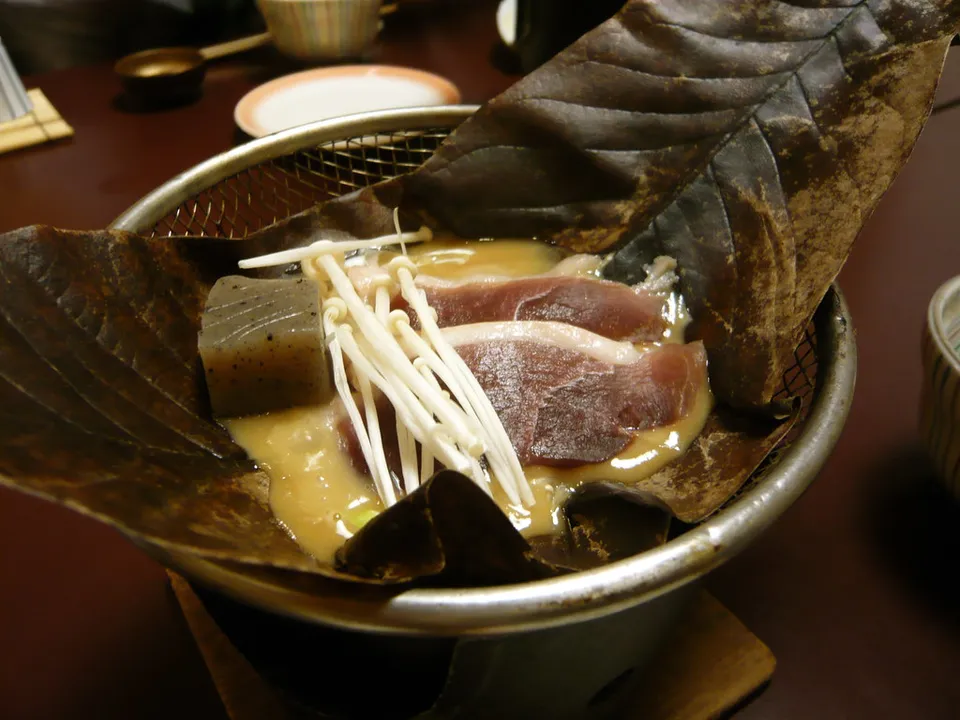
Konnyaku
Gunma grows over 90% of Japan's konjac taro, making this low-calorie, vegan-friendly jelly food a defining local product.
Gunma at a glance
Next door
Links marked PR are affiliate links: if you book through them we may earn a commission at no extra cost to you. Photos: Kusatsu Onsen — Yasuyuki_Kawano via FIND/47, CC BY 4.0 · Tomioka Silk Mill — さわすー (sawasuke) via Flickr, CC BY 2.0 · Kusatsu Onsen — kage1128 via FIND/47, CC BY 4.0 · Ikaho Onsen 365 Stone Steps — ShuichiNakayama via FIND/47, CC BY 4.0 · Takasaki Daruma painting workshop — Ken_Lee via FIND/47, CC BY 4.0 · Tomioka Silk Mill — さわすー (sawasuke) via Flickr, CC BY 2.0 · Kusatsu Onsen — Big Ben in Japan via Flickr, CC BY-SA 2.0 · Ikaho Onsen 365 Stone Steps — ibumon via FIND/47, CC BY 4.0 · Mizusawa Udon — wakanmuri via Wikimedia Commons, CC BY 2.0 · Yakimanju — Raita Futo from Tokyo, Japan via Wikimedia Commons, CC BY 2.0 · Konnyaku — WordRidden via Flickr, CC BY 2.0. Map: Geolonia (MIT).

