Facing the Sea of Japan, Niigata is Japan's rice and sake heartland, prized for premium Koshihikari rice, dozens of sake breweries, and abundant seafood. In winter its mountains receive some of the country's heaviest, powdery snowfall, drawing skiers and onsen-goers to the legendary "Snow Country."
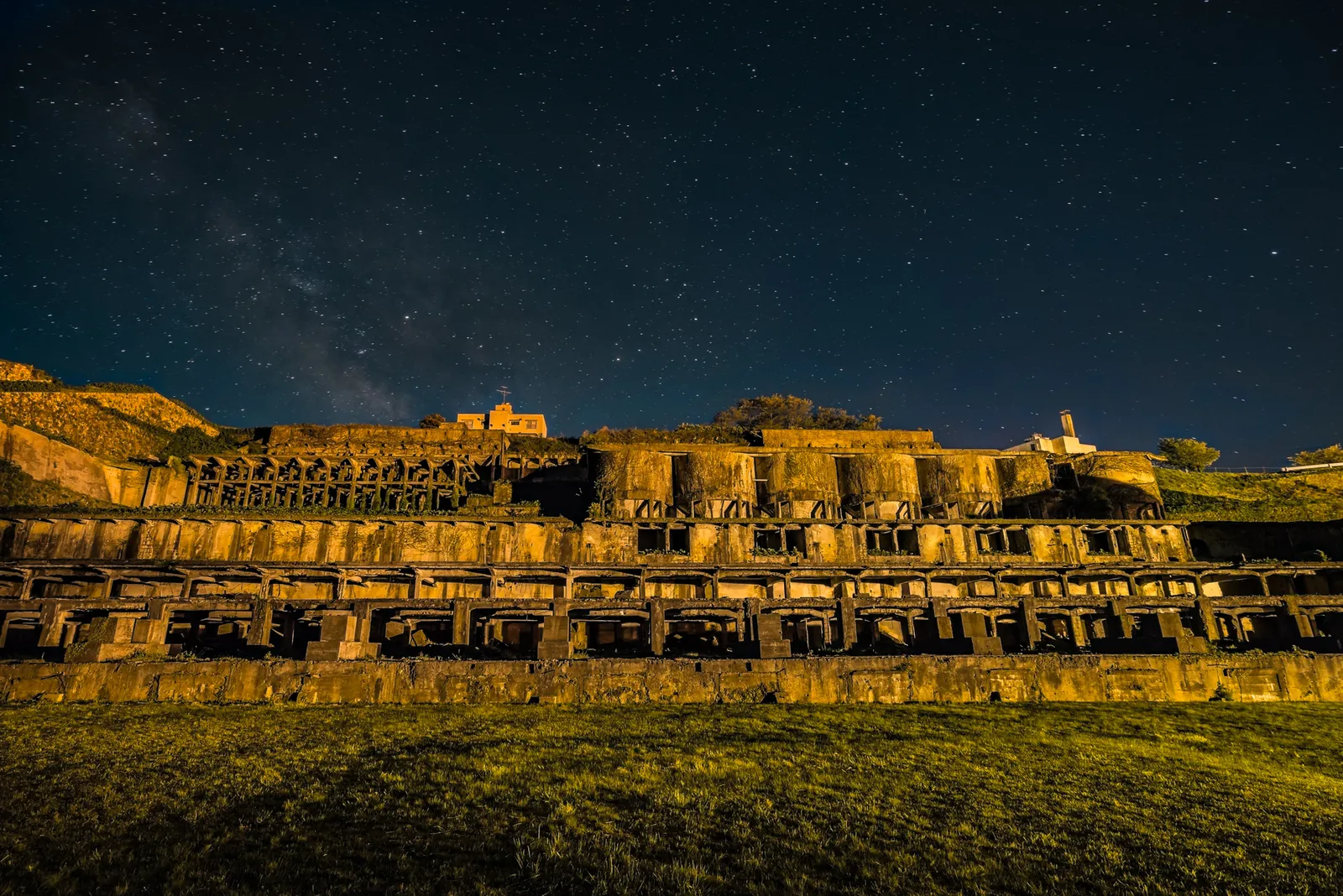
Niigata (新潟) grew rich on rice and as a port on the Sea of Japan; Sado Island (佐渡島) was once a gold-mine and a place of noble exile, leaving a distinctive island culture.

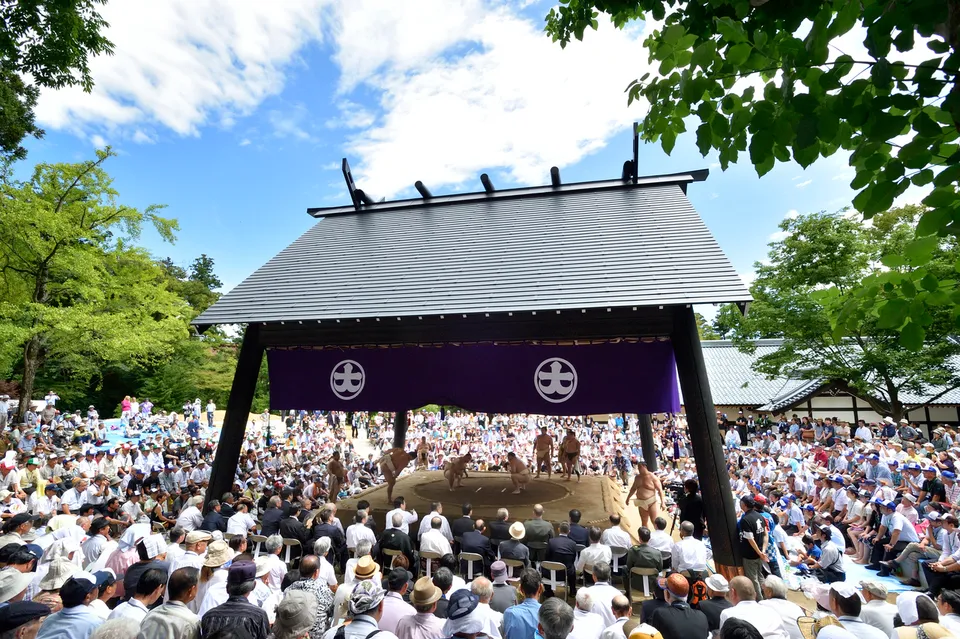
Photos: Bandai Bridge — izunavi via Flickr, CC BY 2.0 · Yahiko Shrine — FIND/47 contributor via FIND/47, CC BY 4.0
Niigata is ~2h, Echigo-Yuzawa ~1h15m from Tokyo by Jōetsu Shinkansen.
 Top pick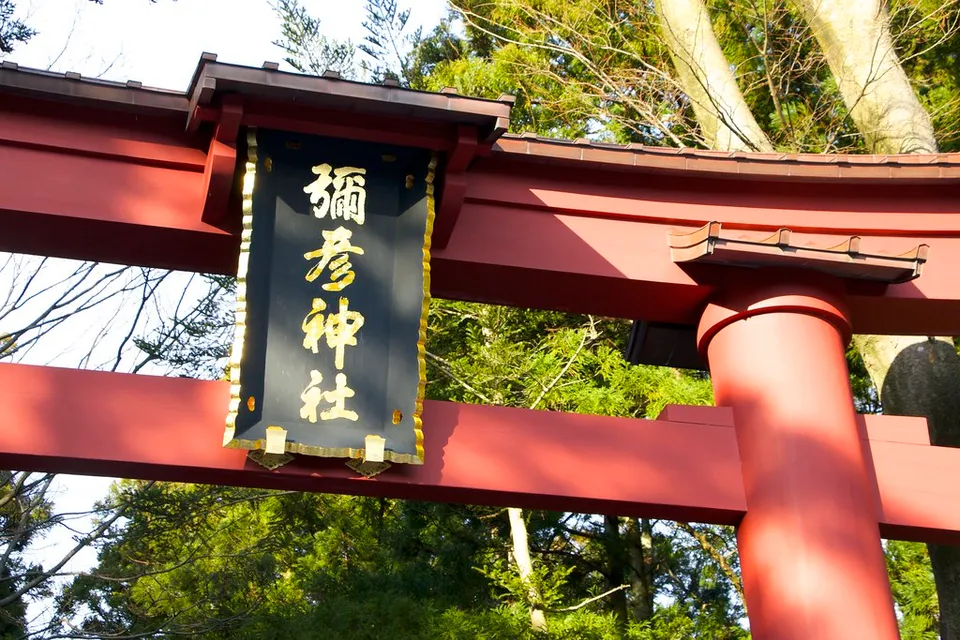
 Must-eat
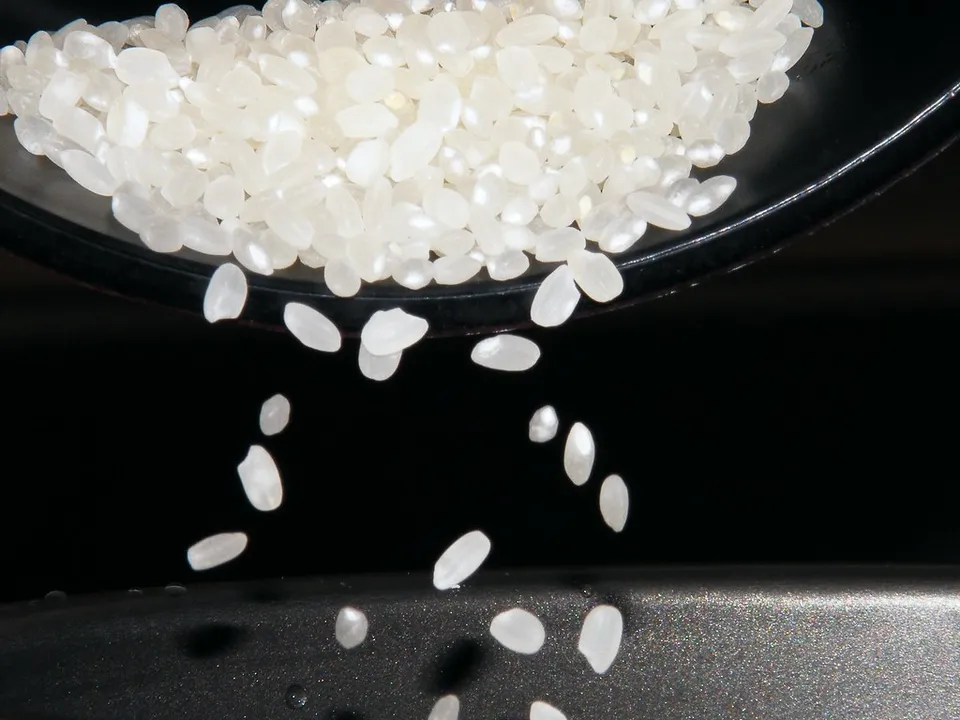
Koshihikari rice & local sake
Niigata is Japan's top rice region (prized Koshihikari) and has the most sake breweries in the country; rice and sake are its signature pairing.
Wappameshi
Premium Niigata rice steamed in a cylindrical cedar 'wappa' box, topped with seasonal mountain and sea ingredients such as salmon, oysters or chicken.
Noppe (noppei-jiru)
A homestyle simmered vegetable dish (konjac, carrot, lotus root, shiitake, sometimes salmon roe) that locals eat at festivals and New Year; little known…
Niigata at a glance
Next door
Links marked PR are affiliate links: if you book through them we may earn a commission at no extra cost to you. Photos: Sado Island — Yoshiyuki_Ito via FIND/47, CC BY 4.0 · Bandai Bridge — izunavi via Flickr, CC BY 2.0 · Yahiko Shrine — FIND/47 contributor via FIND/47, CC BY 4.0 · Bandai Bridge — izunavi via Flickr, CC BY 2.0 · Yahiko Shrine — foooomio via Flickr, CC BY 2.0 · Koshihikari rice — emrank via Flickr, CC BY 2.0. Map: Geolonia (MIT).