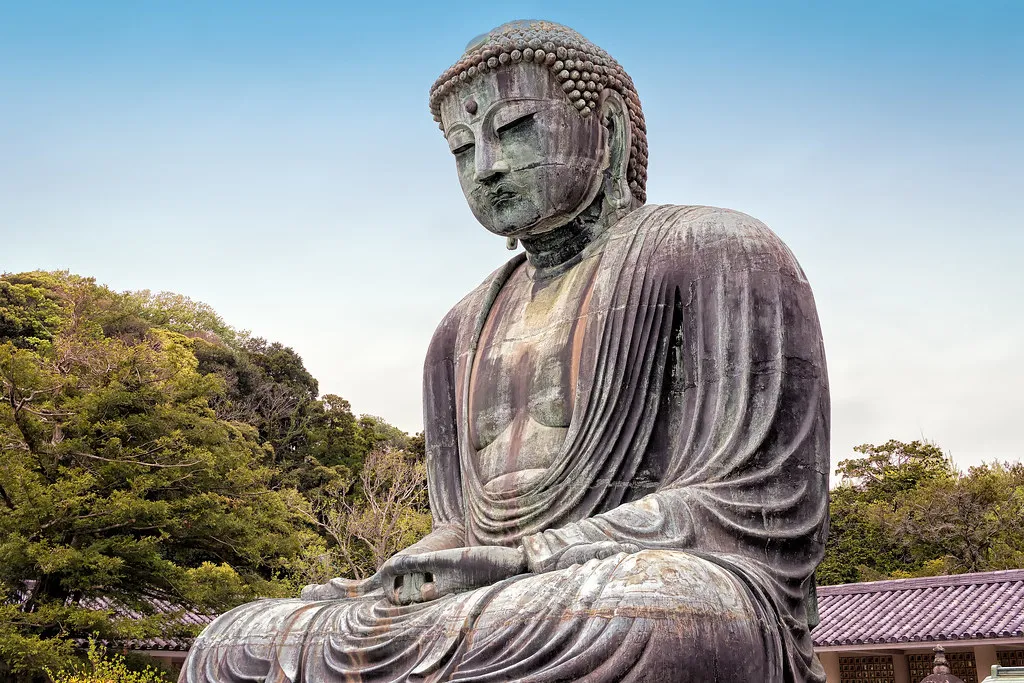
Just south of Tokyo, Kanagawa pairs the international port city of Yokohama with the temple-filled former capital of Kamakura and the volcanic hot-spring resorts of Hakone. It's an easy day-trip prefecture combining harbor skylines, the open-air Great Buddha, and seaside island views.
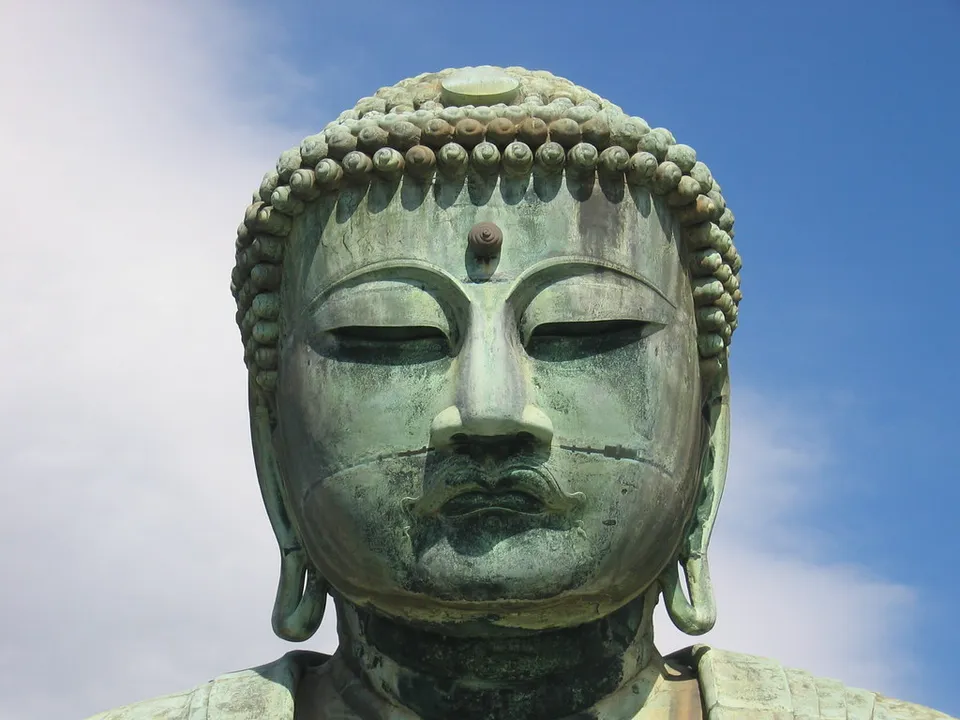
Kanagawa (神奈川) was Japan's medieval capital: Kamakura (鎌倉) ruled as the seat of the shogunate from 1185, and its bronze Great Buddha (大仏) has sat in the open air since the 13th century. Yokohama (横浜) opened to the world in 1859.
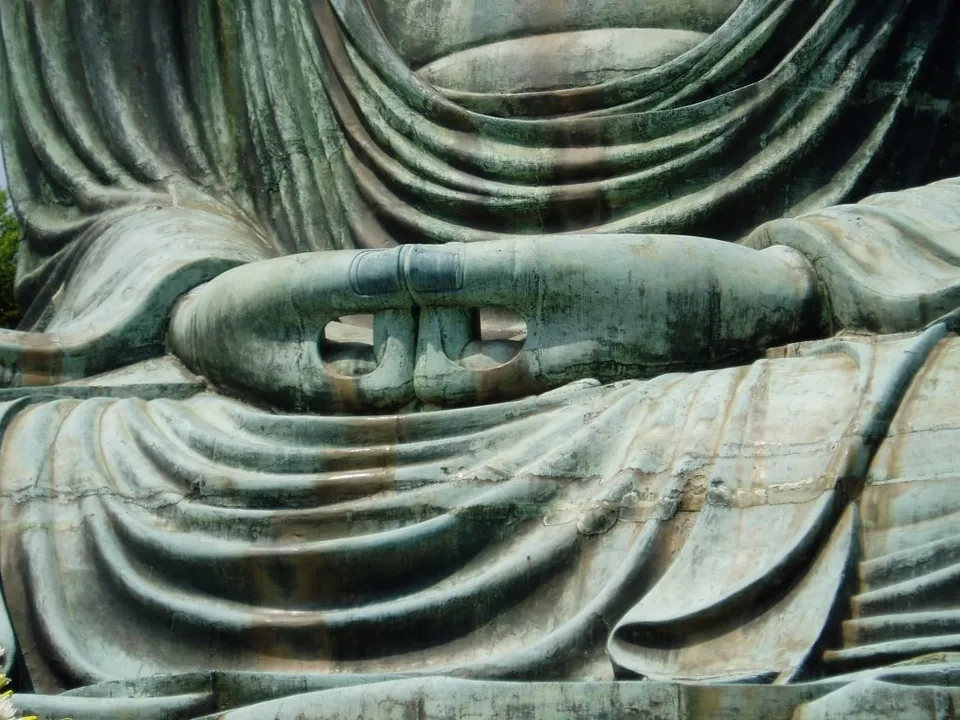
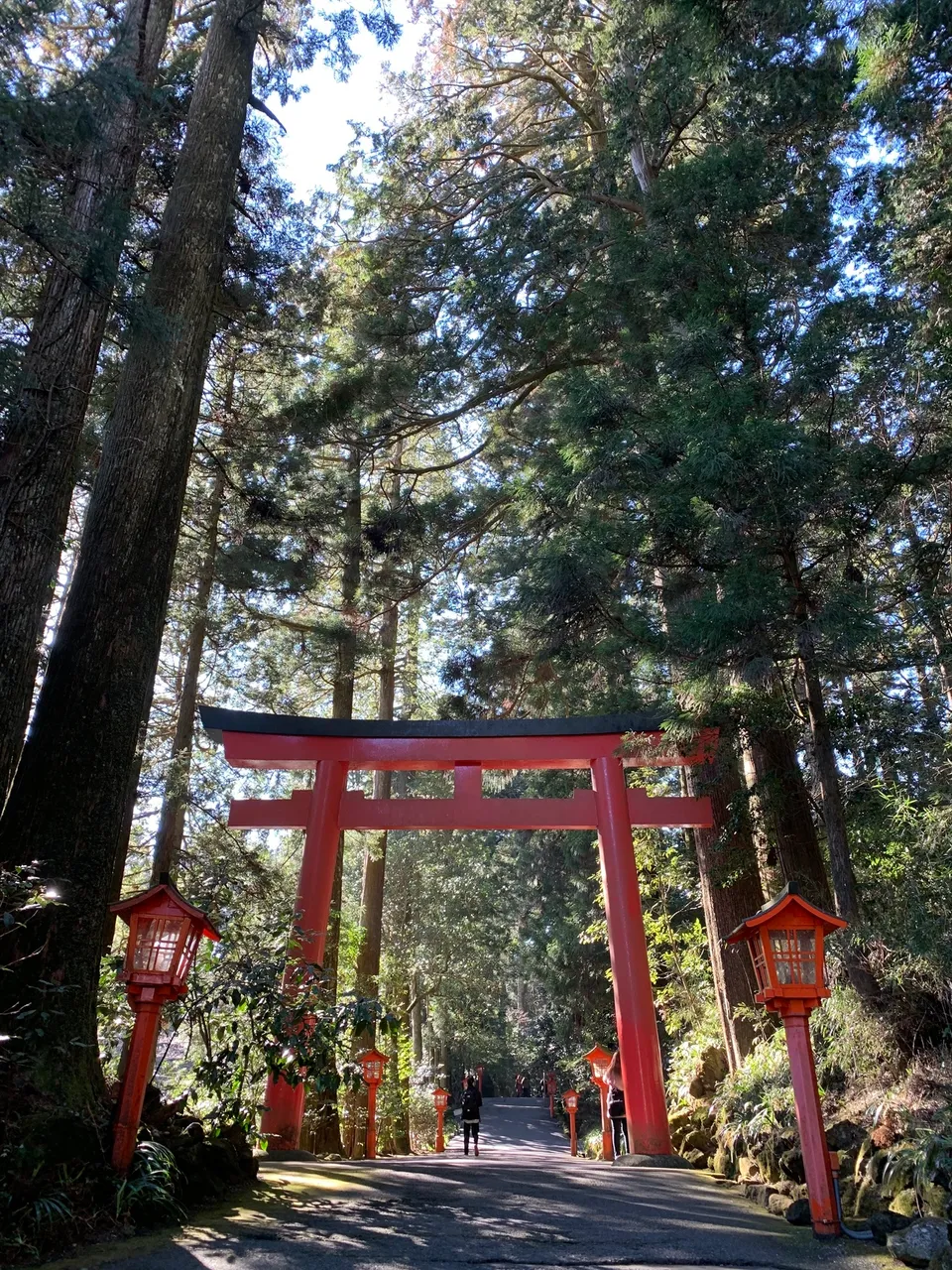
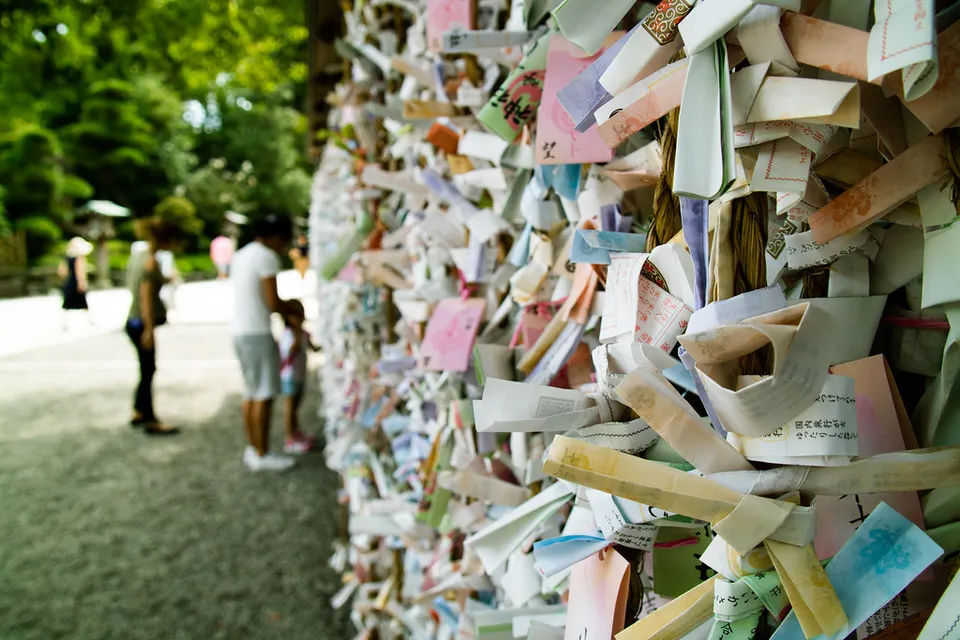
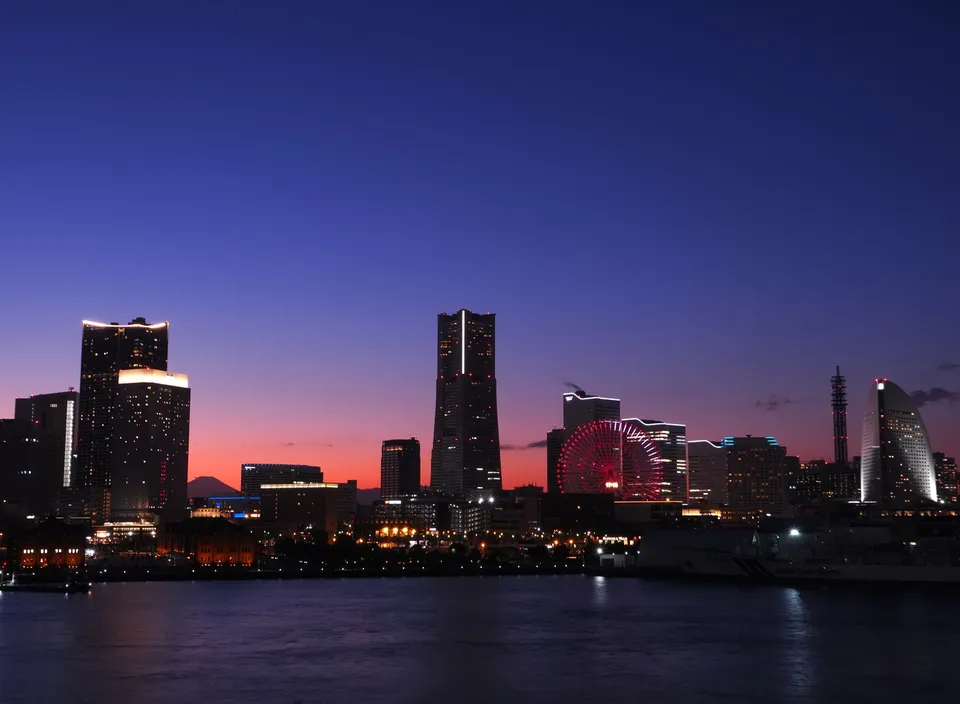
Photos: The Great Buddha of Kamakura — gregor_y via Flickr, CC BY-SA 2.0 · Hakone Shrine — BlackRose4627 via FIND/47, CC BY 4.0 · Samukawa Shrine — mrhayata via Flickr, CC BY-SA 2.0 · Koganecho, Yokohama — rururukiri via FIND/47, CC BY 4.0
Yokohama ~30 min, Kamakura ~1h, Hakone ~1h25m from Tokyo by train.
 Top pick
 Top pick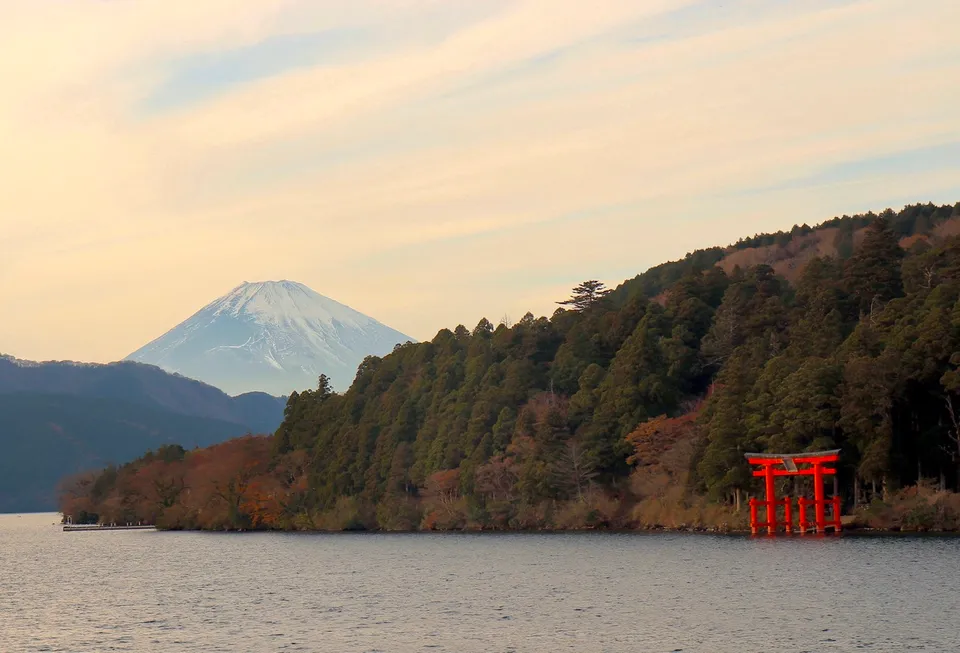
 Must-eat
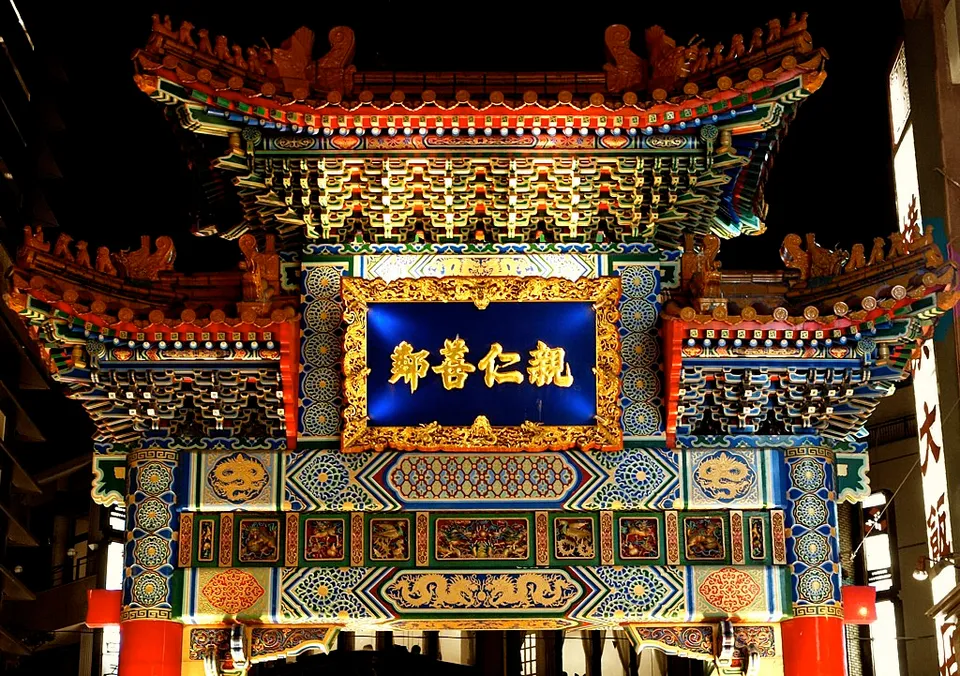
Yokohama Chinatown (nikuman & shumai)
Japan's largest Chinatown; famous for pork buns (nikuman) and steamed shumai dumplings, plus a local Chinese-influenced ramen called sanma-men.
 Must-eat
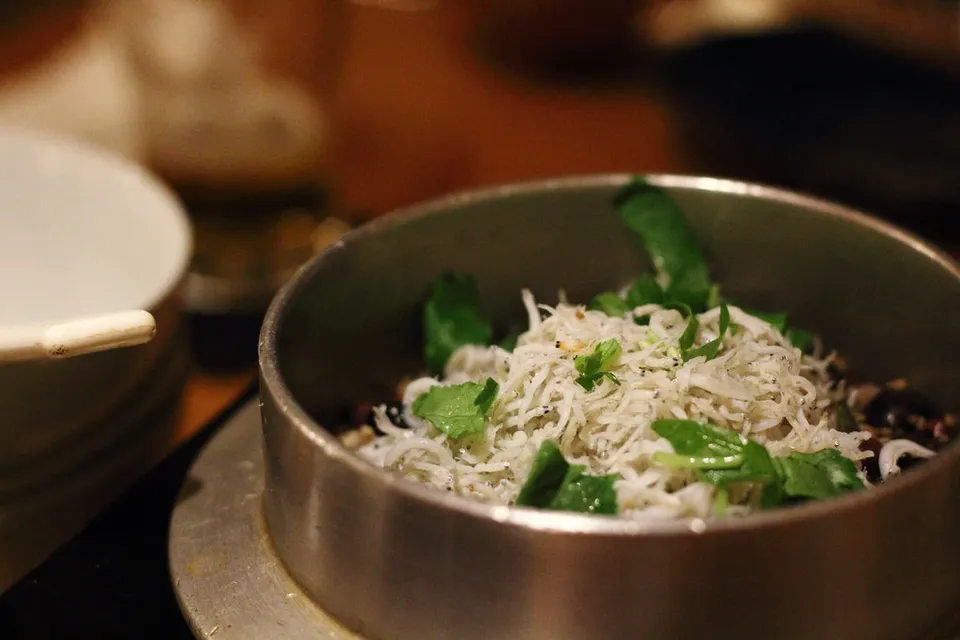
Shirasu-don (Shonan whitebait bowl)
A Kamakura/Shonan signature: soft, slightly salty whitebait served over rice. Raw nama-shirasu is only available the day it is caught.
 Must-eat
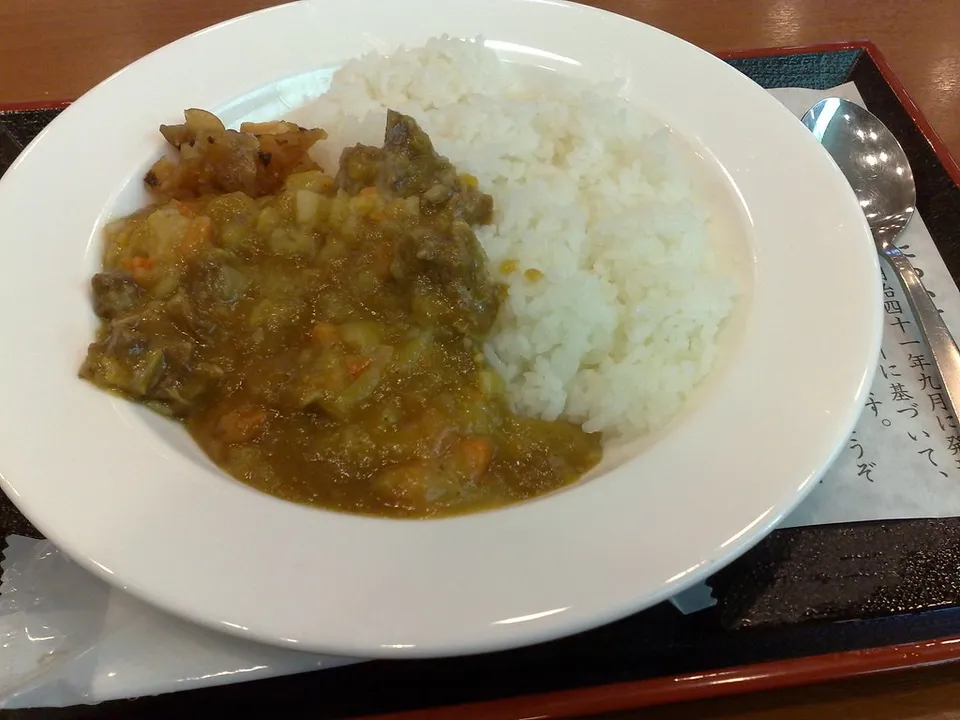
Yokosuka Navy Curry
Hearty curry based on a recipe adopted by the former Imperial Japanese Navy from British beef stew; a defining dish of the port city Yokosuka.
Kanagawa at a glance
Next door
Links marked PR are affiliate links: if you book through them we may earn a commission at no extra cost to you. Photos: The Great Buddha — Ray in Manila via Flickr, CC BY 2.0 · The Great Buddha of Kamakura — gregor_y via Flickr, CC BY-SA 2.0 · Hakone Shrine — BlackRose4627 via FIND/47, CC BY 4.0 · Samukawa Shrine — mrhayata via Flickr, CC BY-SA 2.0 · Koganecho, Yokohama — rururukiri via FIND/47, CC BY 4.0 · The Great Buddha, Kōtoku-in — skyseeker via Flickr, CC BY 2.0 · Hakone Shrine torii on Lake Ashi — psd via Flickr, CC BY 2.0 · Hakone Shrine — Ken_Lee via FIND/47, CC BY 4.0 · Yokohama Chinatown — Focx Photography via Flickr, CC BY-SA 2.0 · Shirasu-don — t-mizo via Flickr, CC BY 2.0 · Yokosuka Navy Curry — _Yuki_K_ via Flickr, CC BY 2.0. Map: Geolonia (MIT).