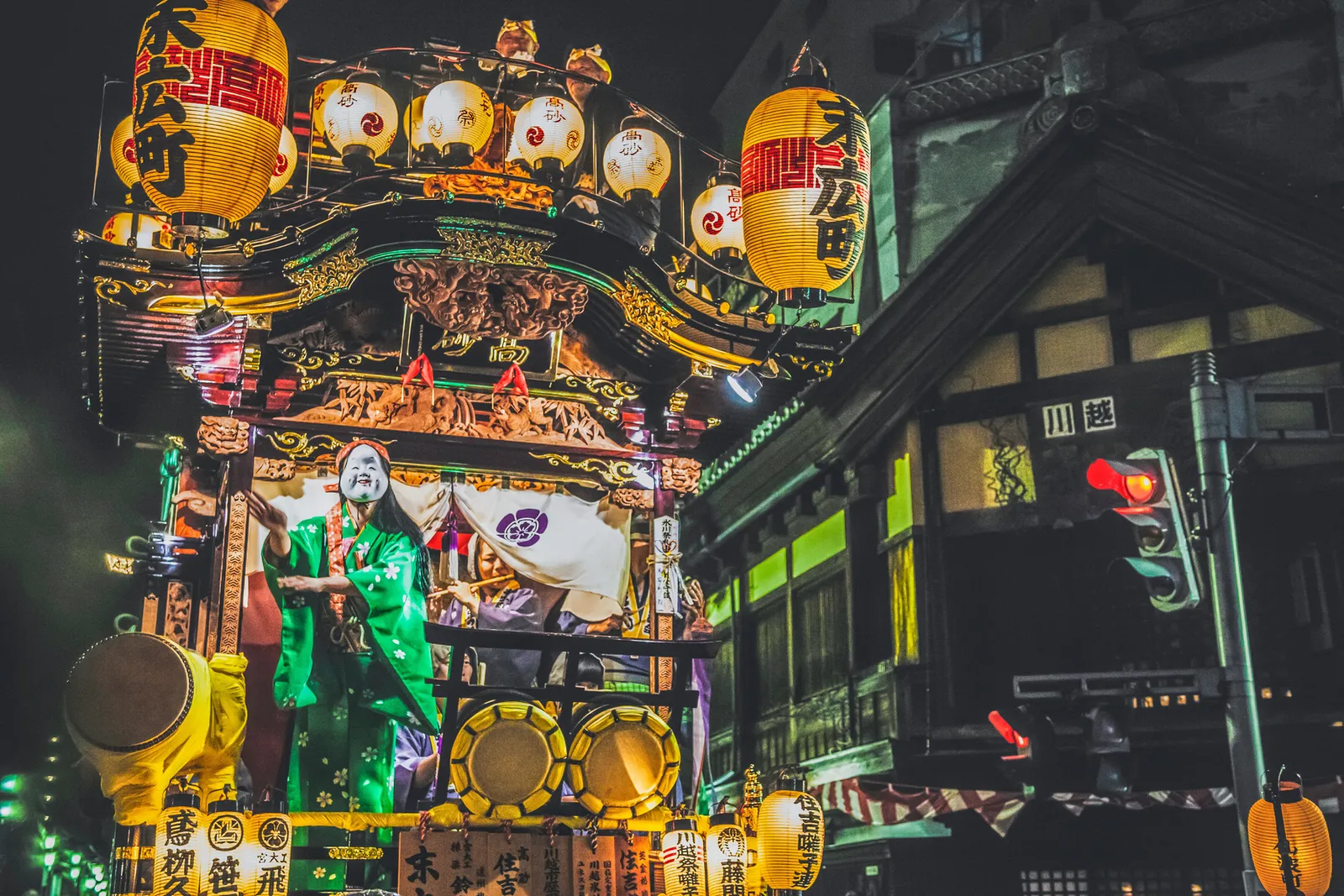
A landlocked prefecture just north of Tokyo, Saitama is best known for Kawagoe's "Little Edo" warehouse townscape and the mountainous Chichibu region's gorges, shrines, and hot springs. Omiya, its urban core, hosts the Railway Museum and a historic bonsai village.
Saitama's (埼玉) Kawagoe (川越) thrived as a merchant town supplying Edo; its surviving kurazukuri clay warehouses and wooden Bell Tower (時の鐘) earn it the nickname 'Little Edo' (小江戸).
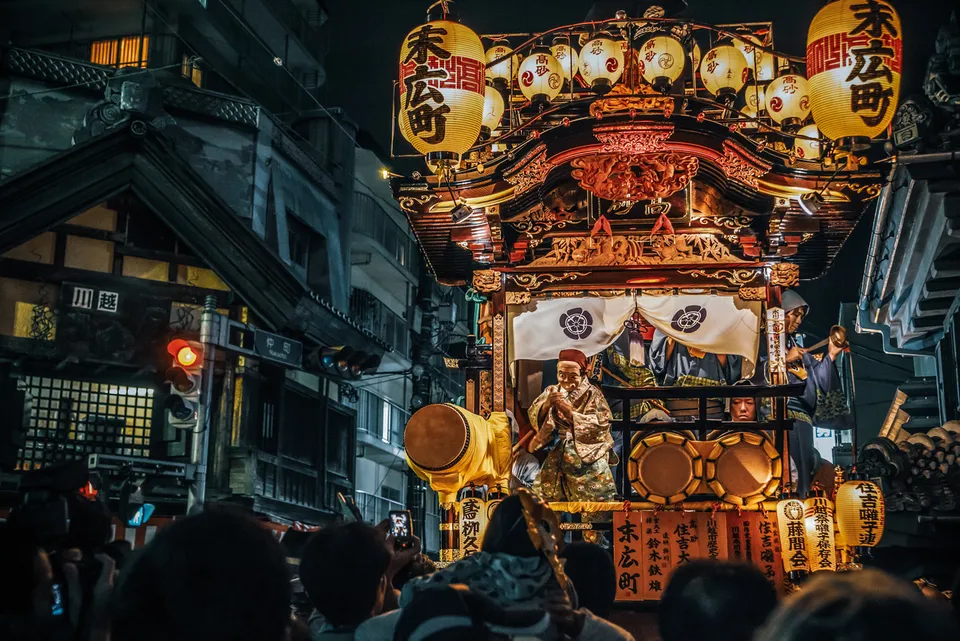
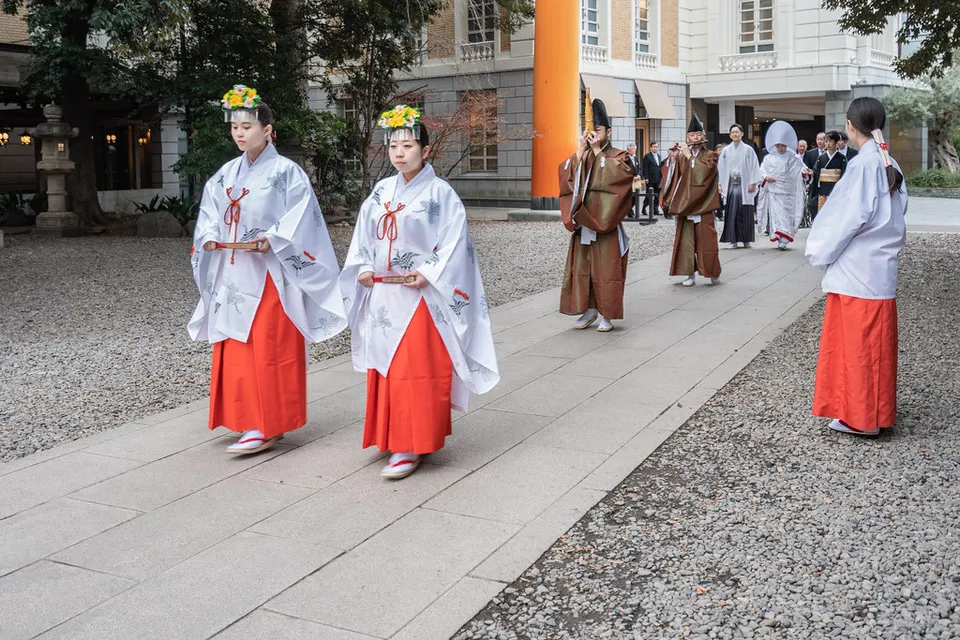
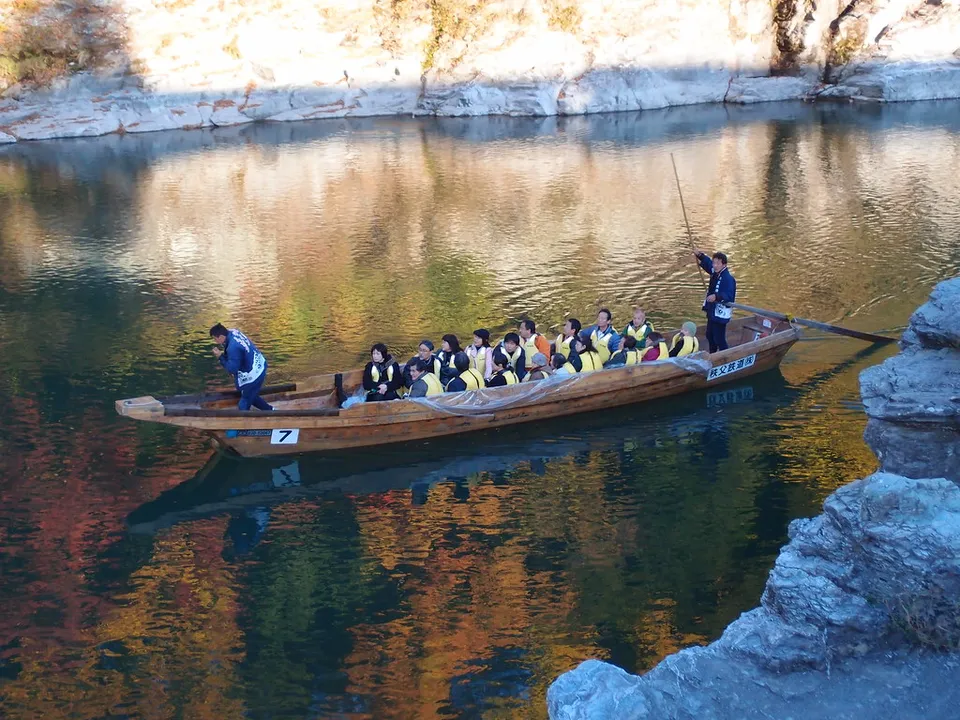
Photos: Kawagoe 'Little Edo' — MitsunoriEgawa via FIND/47, CC BY 4.0 · Kawagoe Hikawa Shrine — wongwt via Flickr, CC BY-SA 2.0 · Nagatoro river boating — *_* via Flickr, CC BY 2.0
Kawagoe is ~30–45 min from central Tokyo by train (Tōbu/Seibu/JR).
 Top pick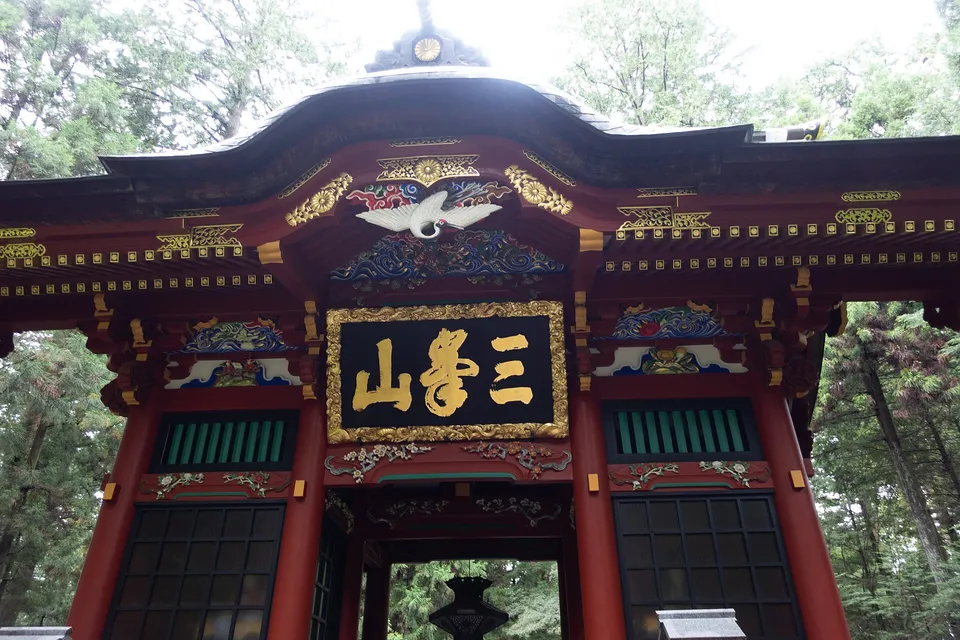
 Must-eat
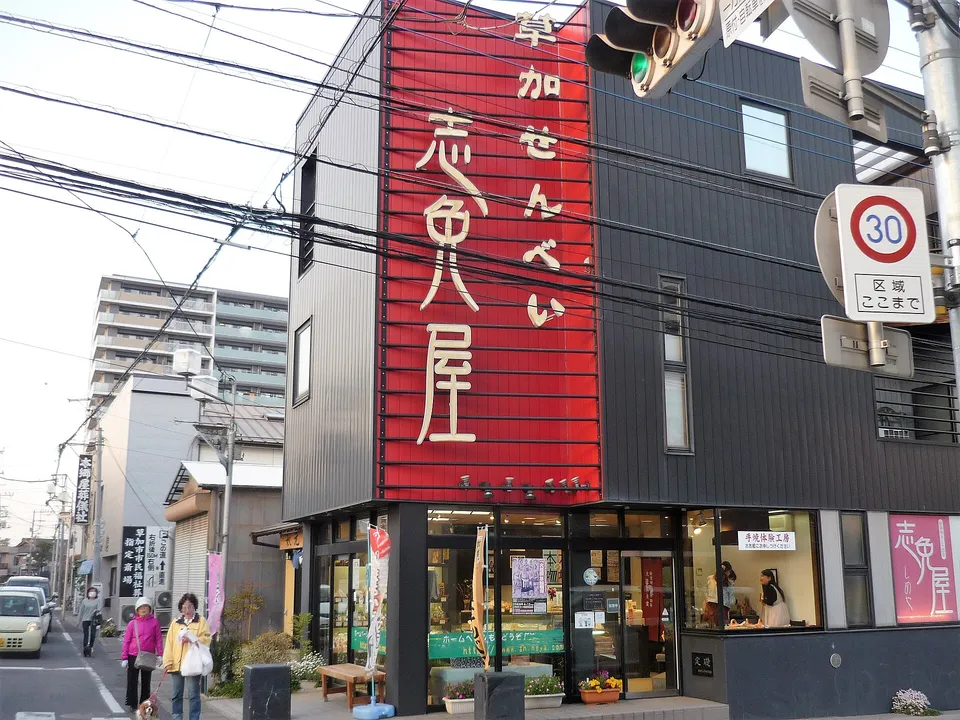
Soka senbei (grilled soy-sauce rice crackers)
Hard-baked rice crackers from Soka, dating to the Edo period when Soka was a post town on the Nikko Kaido highway; pressed flat with an oshigawara press for a…
 Must-eat
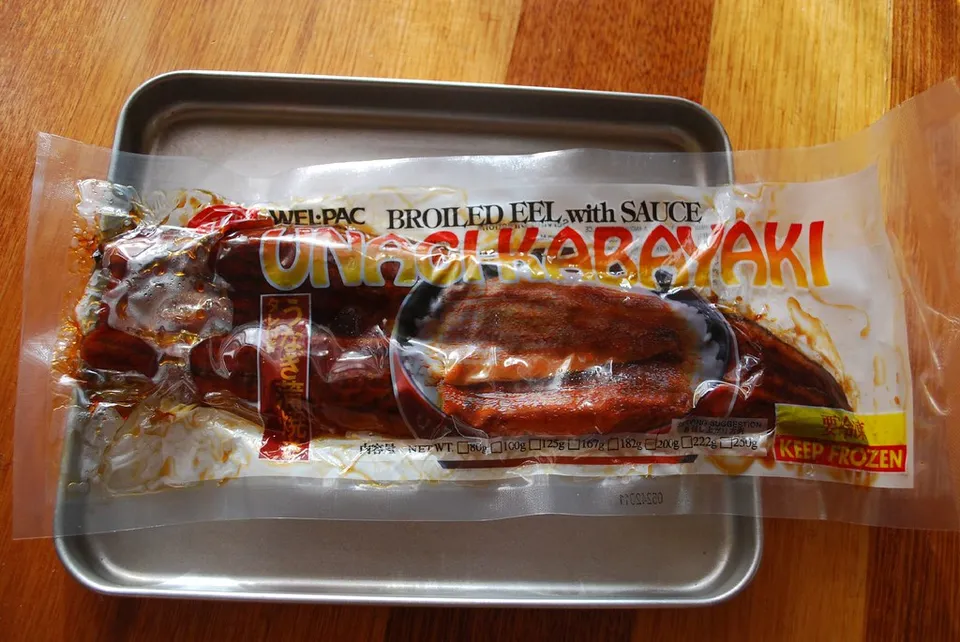
Unagi kabayaki (grilled eel, Urawa/Kawagoe)
Eel split, deboned, skewered and grilled in a sweet soy-sauce marinade; a ~200-year-old tradition kept alive around Urawa, where it has long been a valued…
Saitama udon
Saitama is Japan's second-largest udon producer (after Kagawa) thanks to its wheat output, with many local variations served across the prefecture.
Saitama at a glance
Next door
Links marked PR are affiliate links: if you book through them we may earn a commission at no extra cost to you. Photos: Kawagoe's Kurazukuri warehouse street — MitsunoriEgawa via FIND/47, CC BY 4.0 · Kawagoe 'Little Edo' — MitsunoriEgawa via FIND/47, CC BY 4.0 · Kawagoe Hikawa Shrine — wongwt via Flickr, CC BY-SA 2.0 · Nagatoro river boating — *_* via Flickr, CC BY 2.0 · Kawagoe 'Little Edo' — Melanie-m via Flickr, CC BY 2.0 · Mitsumine Shrine, Chichibu — Zengame via Wikimedia Commons, CC BY 2.0 · Soka senbei — Suikotei via Wikimedia Commons, CC BY-SA 4.0 · Unagi kabayaki — avlxyz via Flickr, CC BY-SA 2.0. Map: Geolonia (MIT).

