Character manhole covers in Japan
Look down in the right Japanese town and the drain cover under your feet is Conan Edogawa, an Evangelion unit, or the whole Lupin III gang. Beyond the well-known Pokémon Pokéfuta and Gundam covers, dozens of towns have turned their sewer lids into free, permanent street art tied to a beloved series — usually because the creator was born there or the story is set there. This guide maps the main character manholes by series and town, explains why they're there, and shows how to find them.

What character manholes are
A character manhole (キャラクターマンホール) is a working drain cover cast or painted with an anime, manga, game, or mascot design. They sit in ordinary public streets — free to see, photograph, and stand on — and are permanent fixtures, not temporary displays. Fans call the hobby of tracking them down a kind of seichi junrei (聖地巡礼, "pilgrimage to sacred ground") at pavement level.
They sit inside Japan's much larger tradition of design manholes (デザインマンホール) — decorative covers showing local castles, flowers, and festivals. Character covers are the IP-licensed branch of that tradition, and they tend to cluster in one town rather than scatter nationwide, which is what makes each one a destination.
How the projects work
Character manholes usually exist for one of three reasons — and knowing which helps you predict where to look:
- The creator's hometown. A town honours a manga or anime creator born there — this is why Lupin III covers are in Hamanaka and Ultraman covers are in Sukagawa.
- The story's setting. Covers go where the fiction takes place, like Sailor Moon in Minato, Tokyo (Usagi's real home neighbourhood of Azabu-Jūban).
- A nationwide IP program. A rights holder rolls covers out across many towns — Pokémon's Pokéfuta under "Pokémon Local Acts", and the Gundam covers donated to towns nationwide.
Because these are official, licensed projects, each usually has a map or list from the town, the rights holder, or a tourism board — the reliable way to find exact locations rather than wandering.
By series & town
A selection of well-known character manholes and where their heart is. New covers get added and occasionally moved, so confirm current locations on each town's official page before you travel.
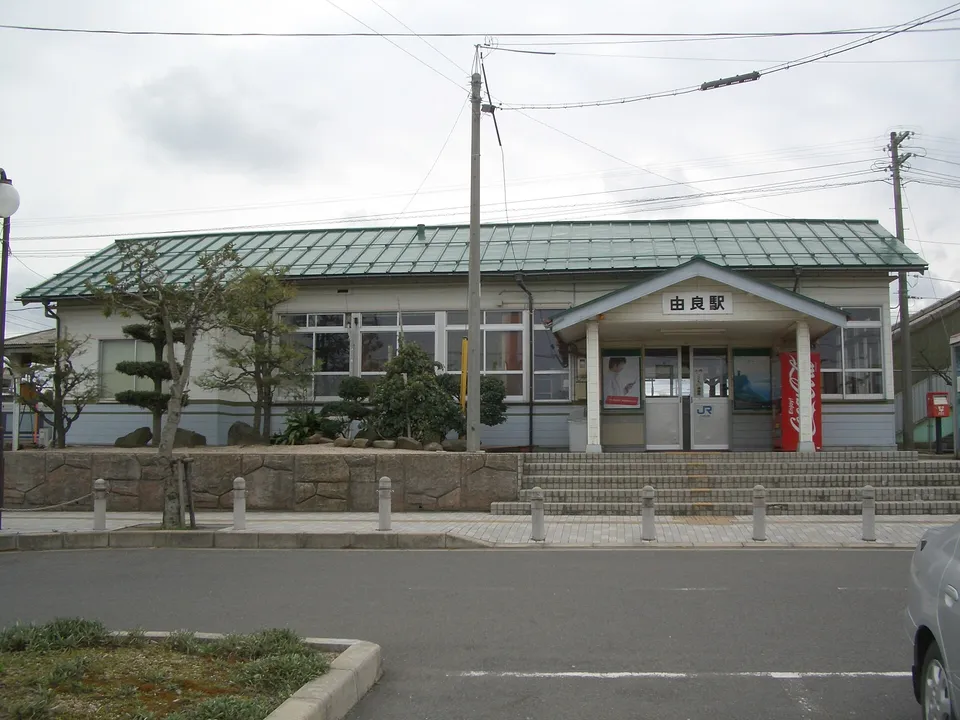
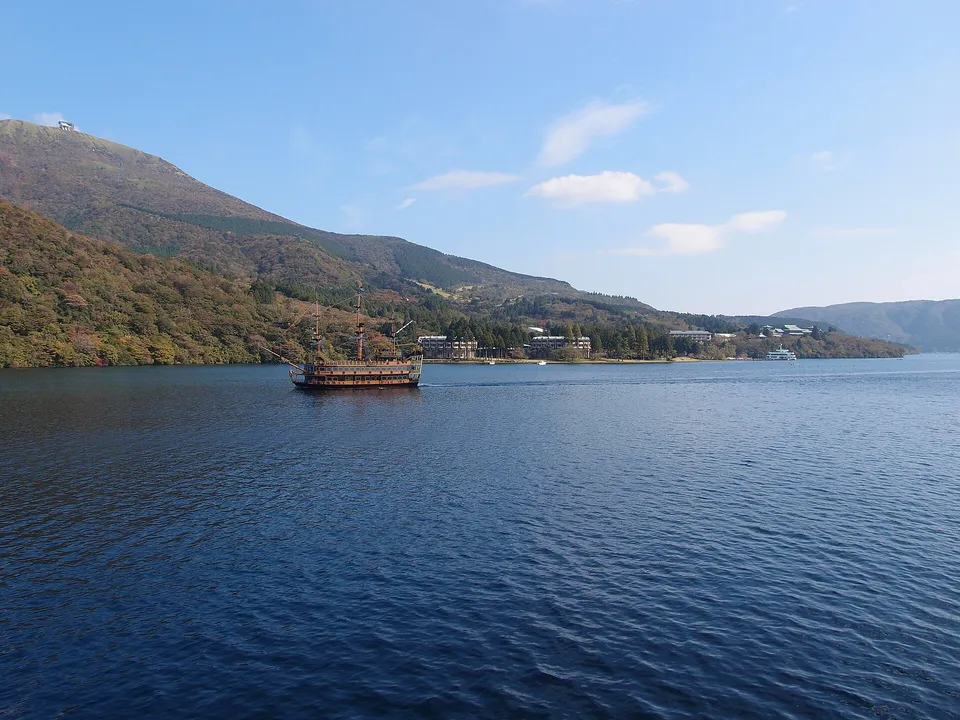
Photos: Yura Station in Hokuei, Tottori — the gateway to the Conan manholes — 本人撮影, CC BY-SA 3.0, via Wikimedia Commons · Lake Ashi, Hakone — the Evangelion covers are around the lake towns — Guilhem Vellut from Annecy, France, CC BY 2.0, via Wikimedia Commons
| Series | Main town / area | Prefecture | Why there | Free guide |
|---|---|---|---|---|
| Sailor Moonセーラームーン | Minato, Tokyo | Tokyo | The story's real setting — covers around Azabu-Jūban and Tokyo Tower — full guide → | Tokyo → |
| Detective Conan名探偵コナン | Hokuei (Conan Town) | Tottori | Hometown of creator Gosho Aoyama; dozens of Conan covers line "Conan Street" | Tottori → |
| Lupin IIIルパン三世 | Hamanaka | Hokkaido | Hometown of creator Monkey Punch (Kazuhiko Katō); covers of the Lupin gang around town | Hokkaido → |
| Ultramanウルトラマン | Sukagawa | Fukushima | Hometown of SFX legend Eiji Tsuburaya; Ultraman characters line the street from the station | Fukushima → |
| Evangelionエヴァンゲリオン | Tokorozawa (LED covers); Hakone = street tie-ups | Saitama / Kanagawa | The confirmed Eva covers are Tokorozawa's solar-lit set; Hakone — the real "Tokyo-3" — has Eva signboards and a NERV outpost but no confirmed covers — full guide → | Saitama → |
| Anime LED covers複数作品 | Tokorozawa (Tokorozawa Sakura Town) | Saitama | Solar-lit covers featuring Evangelion, Gundam and more that glow after dark | Saitama → |
| Ultraman (Tokyo)ウルトラマン | Setagaya (Soshigaya) | Tokyo | Near Tsuburaya Productions' longtime base; Ultraman-hero covers in the neighbourhood | Tokyo → |
| Pokémon (Pokéfuta)ポケふた | Nationwide | Many | Pokémon Local Acts program; ambassador Pokémon placed prefecture by prefecture | Pokéfuta → |
| Gundamガンダム | Nationwide | Many | RX-78-2 and Zeon covers donated to towns across Japan | Gundam → |
This is a starting map, not the full list — Japan has character covers for many more series, and towns add them regularly. Treat the "main town" as where a series' covers concentrate, and always check the town or rights-holder page for the current count and exact spots.
How to find them
The two nationwide programs have official maps; the town-specific ones rely on local pages and tourist centres.
| For… | Where to look |
|---|---|
| Pokéfuta | The official Pokémon manhole map at local.pokemon.jp/en/manhole — searchable by prefecture |
| Town-specific series (Conan, Lupin, Ultraman, Eva) | The town's tourism site or the tourist-information counter near the main station — they usually hand out a cover map |
| General design & character covers | Enthusiast maps and the design-manhole community; cross-check with the official town page before travelling |
Character covers are real, in-use drain lids on public roads. Watch traffic when you photograph them, don't block pavements or driveways, and treat residential neighbourhoods quietly — the same courtesy that keeps anime pilgrimage spots welcoming to fans.
How they relate to manhole cards
Keep two things separate. A character manhole is the physical cover in the street. A manhole card is a free collectible card for a design cover, handed out in person at a local pickup point. They overlap only sometimes: some design covers have a matching card, but most character covers do not, and most cards are for non-character civic designs. If you specifically want the card as well as the photo, check the official card list separately — don't assume every character cover comes with one.
Some links above are affiliate links. We may earn a commission at no extra cost to you. We only list services we'd use ourselves.
The Japanese you'll actually use
A few words help when you ask a tourist-information counter for a cover map, or read a town's signage.
| Japanese | Reading | Meaning |
|---|---|---|
| マンホール | manhōru | manhole (cover) |
| キャラクター | kyarakutā | character — as in a character cover |
| デザインマンホール | dezain manhōru | design manhole — the decorative-cover tradition |
| 聖地巡礼 | seichi junrei | "pilgrimage to sacred ground" — visiting a work's real places |
| 地図 | chizu | map — ask for the cover map |
| 観光案内所 | kankō annaijo | tourist information centre |
| 作者 | sakusha | the creator / author of a work |
| 出身 | shusshin | hometown / place of origin — why many covers exist |
Want these to stick? The free JLPT battle quiz drills travel and culture vocabulary like this with spaced repetition.
Character covers chain naturally with Japan's other location-based collecting games: Pokéfuta →, Gundam manholes →, manhole cards →, anime pilgrimage →, and station stamps →. Many fans tick off several in one prefecture.
Common questions
Q. Where are the Detective Conan manhole covers?
A. In Hokuei, Tottori — "Conan Town", the hometown of creator Gosho Aoyama. Dozens of Conan-themed covers line "Conan Street" between the station and the Gosho Aoyama Manga Factory, alongside bronze statues of the characters.
Q. Where are the Lupin III manhole covers?
A. In Hamanaka, Hokkaido, the hometown of Lupin III creator Monkey Punch (Kazuhiko Katō). Covers of the Lupin gang are set into the town, which celebrates the series year-round.
Q. Where are the Ultraman manhole covers?
A. Most famously in Sukagawa, Fukushima — the hometown of SFX legend Eiji Tsuburaya, where Ultraman characters line the street from the station to the community centre. There are also Ultraman covers in Setagaya (Soshigaya), Tokyo, near Tsuburaya Productions.
Q. Which towns have Evangelion manhole covers?
A. The confirmed Eva covers are in Tokorozawa, Saitama, among its solar-lit LED anime covers. Hakone — the real-world basis for the series' "Tokyo-3" — has Eva signboards and a NERV outpost but, despite what some guides claim, no confirmed Eva manhole covers (see our Evangelion × Hakone guide).
Q. Are character manholes free to see?
A. Yes. They're working drain covers on public streets, free to see and photograph. Just mind traffic and pavements, and be quiet in residential areas.
Q. Is a character manhole the same as a manhole card?
A. No. The character manhole is the physical cover in the street; a manhole card is a separate free collectible card for a design cover, given out in person. Some covers have a matching card, but most character covers do not.
Chasing character manholes often ends in a hobby shop. If Gundam is your franchise, see our beginner Gunpla kit comparison → for what to build first.
The towns behind these manholes often stock goods sold nowhere else. See our Japan-only anime & character merch guide → for what's genuinely Japan-locked and the honest ways to buy it.
We're a Japanese family of three traveling all 47 prefectures with our kid, and this guide comes from that road. Our free newsletter 47 Notes from Japan shares the travel notes, collectible finds, and real-life Japanese that don't fit in a guide. No spam, unsubscribe anytime.