Manhole cards in Japan: the free collectible guide
Japan has turned its drain covers into public art — and into a free, nationwide collecting game. For hundreds of those design manhole covers there is a matching collectible: a manhole card (マンホールカード). It is free, you get it in person, and the back even prints the exact latitude and longitude of the real cover so you can go stand on it. This guide covers what the cards are, how to collect one, the "lot" system that keeps the catalogue growing, notable designs by city, and the Japanese you'll use at the counter.

What manhole cards are
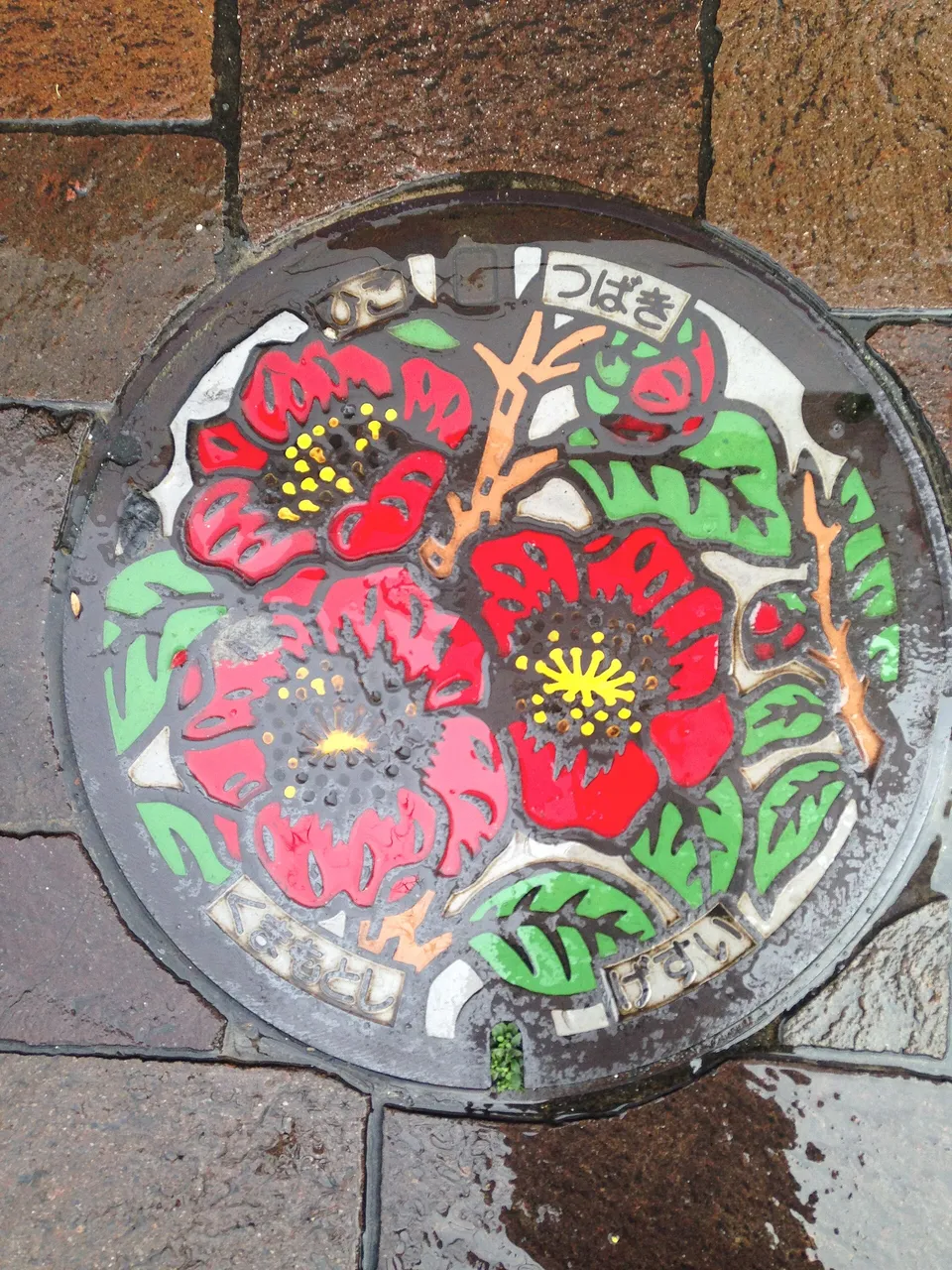
A manhole card (マンホールカード) is an official collectible card for one of Japan's "design manhole" covers — the decorative drain lids that towns commission to show off local castles, festivals, flowers, mascots, and landmarks. The cards are issued jointly by GKP (下水道広報プラットホーム, the Japan Sewage Works PR Platform) together with the local government or water bureau that owns the cover. The program launched in 2016 and has grown into a genuine collecting culture, with travellers building routes around picking cards up.
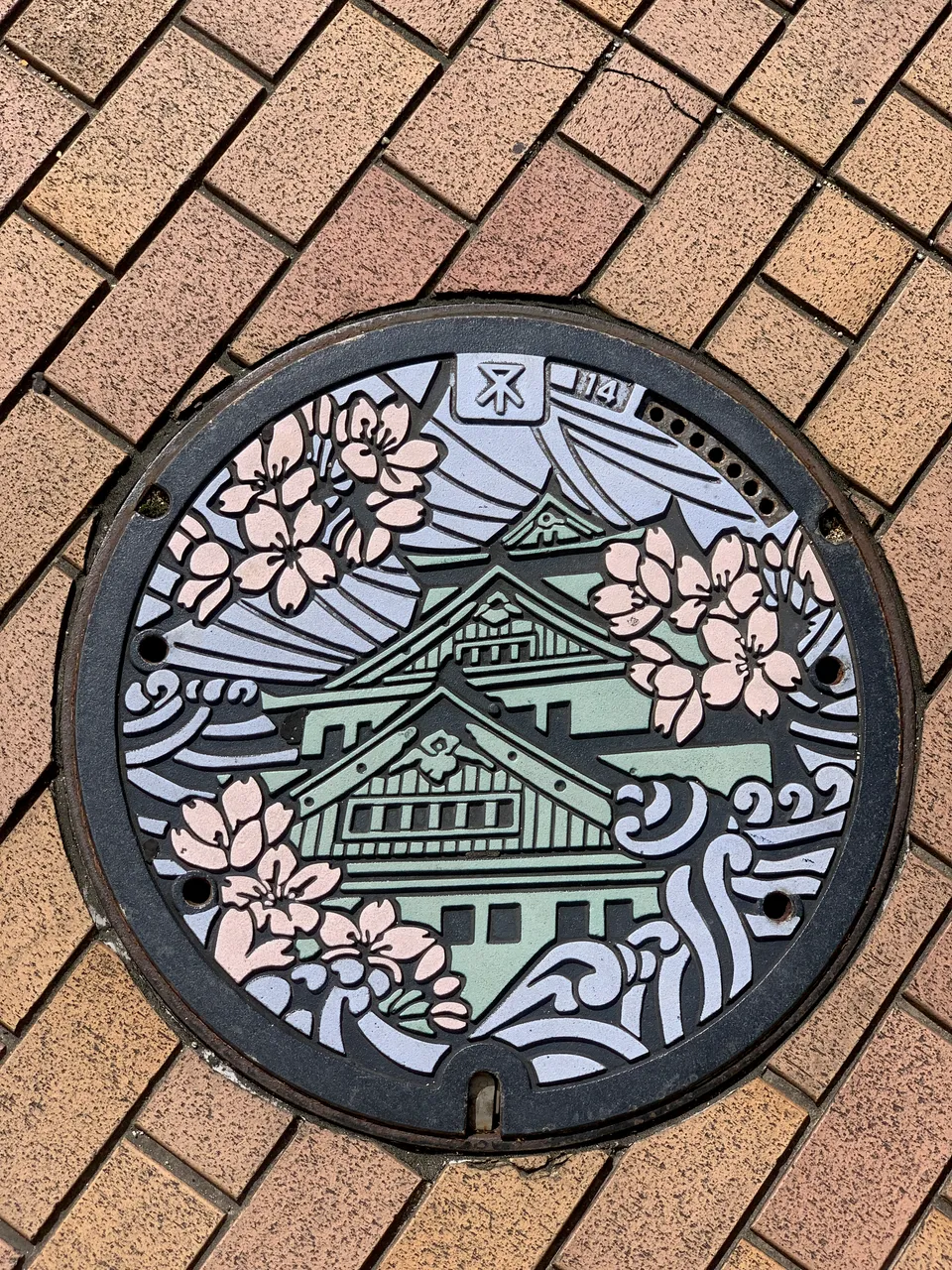
Each card is a small, consistent card-stock piece with two useful sides:
- Front — a photo of the actual manhole cover, plus the real location where it sits.
- Back — an explanation of the design's motif and origin (why that castle, flower, or mascot), plus the manhole's latitude and longitude so you can walk to the cover itself.
That coordinate on the back is the detail that turns a card into a treasure hunt: collect the card at the distribution point, then use the lat/long to find and photograph the real cover, often just a short walk away. The cards are free — they are not sold, not mailed, and given out one per person, in person, at a specific local pickup point.
How to collect them
The rules are deliberately simple, and the same everywhere: show up in person during opening hours and ask. There is no reservation system, no postal delivery, and no proxy pickup — the in-person rule is the whole point, designed to bring visitors into the town that owns the cover.
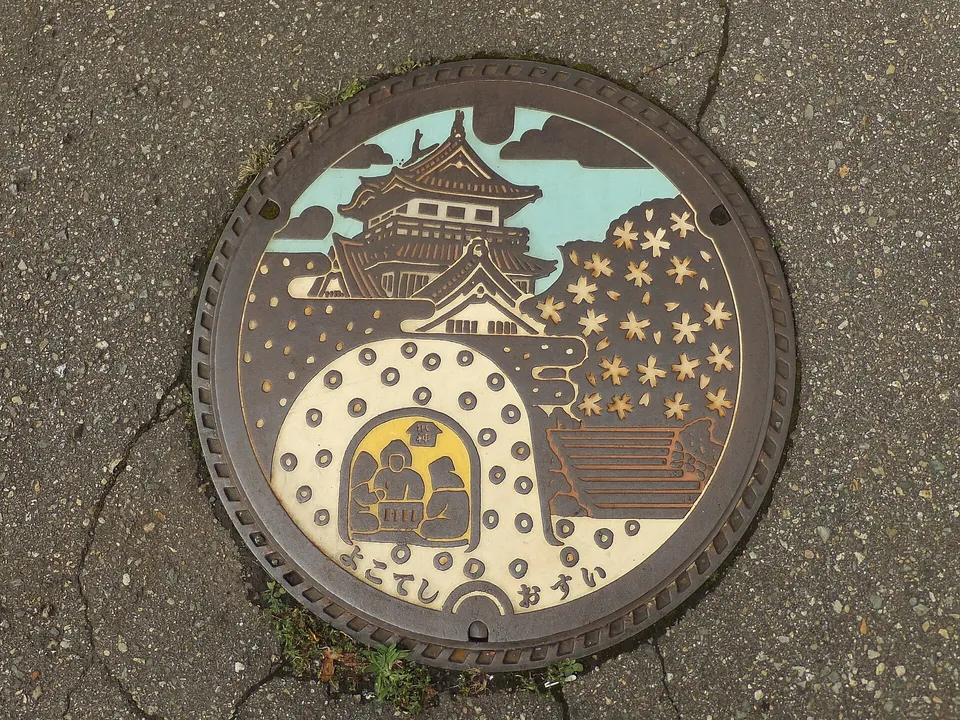
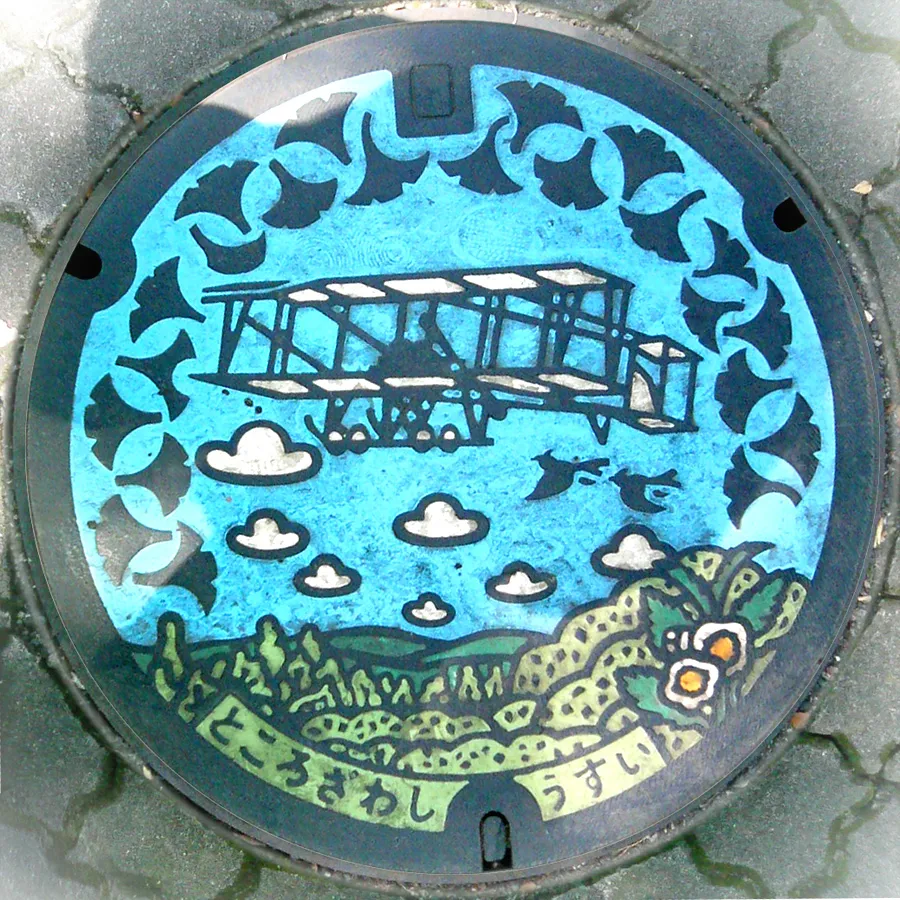
Photos: Yokote, Akita: kamakura snow huts — 掬茶, CC BY-SA 3.0, via Wikimedia Commons · Tokorozawa, Saitama: the Anzai-Aizu biplane — designed by: Tokorozawa-city photographed by: tokoro koko, CC BY-SA 3.0, via Wikimedia Commons
| Step | What you do | Note |
|---|---|---|
| 1 | Find a card on the official GKP list | Search by prefecture at gk-p.jp/mhcard — this is the live catalogue |
| 2 | Note the distribution point and its opening hours | Often a city office, water/sewer bureau, or tourist information centre |
| 3 | Go in person during open hours | No reservation, no mail order, no sending someone for you |
| 4 | Ask the staff for the card | One free card per person — that's the standard limit |
| 5 | Optionally use the lat/long on the back | Walk to the real cover nearby and photograph it for the set |
Distribution points and hours do change — a card that was handed out at a tourist centre last year may move to a city office, and some points close on weekends or holidays. Always confirm the current pickup point and hours on the GKP list before you build a day around it.
GKP keeps the official, always-current catalogue of manhole cards, searchable by prefecture, with each card's distribution point and hours. New lots are added every wave, so rather than print a number that goes stale, we link straight to the live list — use it to plan your route, then come back here for the travel and Japanese-phrase context.
How many exist, and the "lot" system
New cards are not released one at a time — they come out in lots (弾, dan, "waves"). GKP announces a batch of new card types on a set date, and the cumulative catalogue grows with every lot. Because of that, any total is a snapshot, not a permanent number.
The most recent announced wave is Lot 29 (第29弾): 46 new card types, distributed from 31 July 2026. Counting everything released up to and including that wave, the cumulative total is 1,311 card types from 783 municipalities and 4 organizations. Pair any figure you quote with "as of Lot 29 / July 2026," because the next lot will move it.
- Released in lots — the catalogue grows on a schedule, not continuously.
- As of Lot 29 (Jul 2026) — 1,311 card types, from 783 municipalities + 4 organizations.
- Coverage is uneven — there is no fixed "X cards per prefecture," and not every city has one. Some prefectures are card-rich, others have only a handful.
- The GKP list is the source of truth — for the current count and which towns are in, check the official catalogue, not a blog's frozen number.
Notable designs by city

These are well-known design-manhole cities whose covers have appeared in the card program. Use them as inspiration, but always confirm the current distribution point and hours on the GKP list before travelling — pickup locations move between waves.
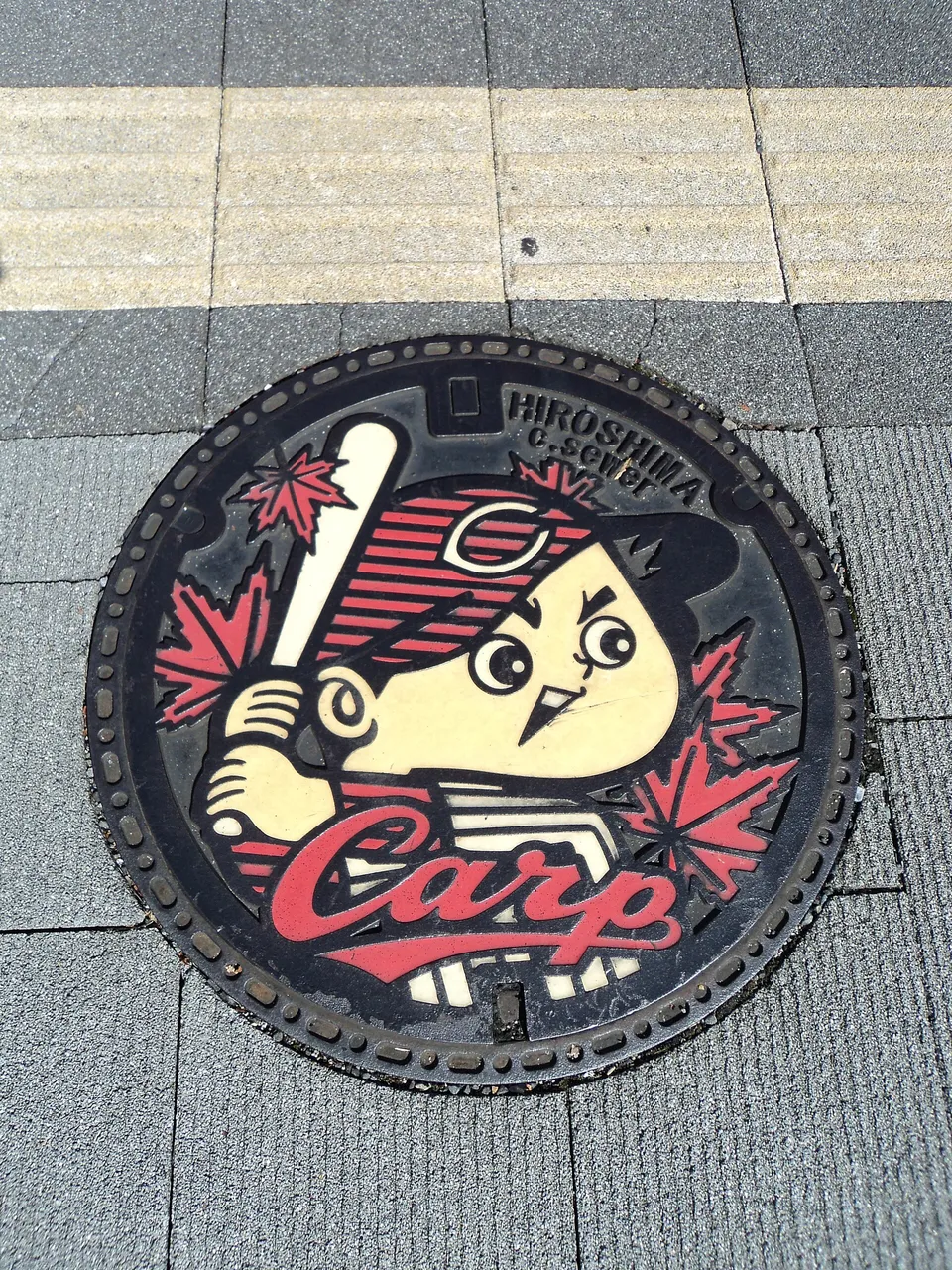
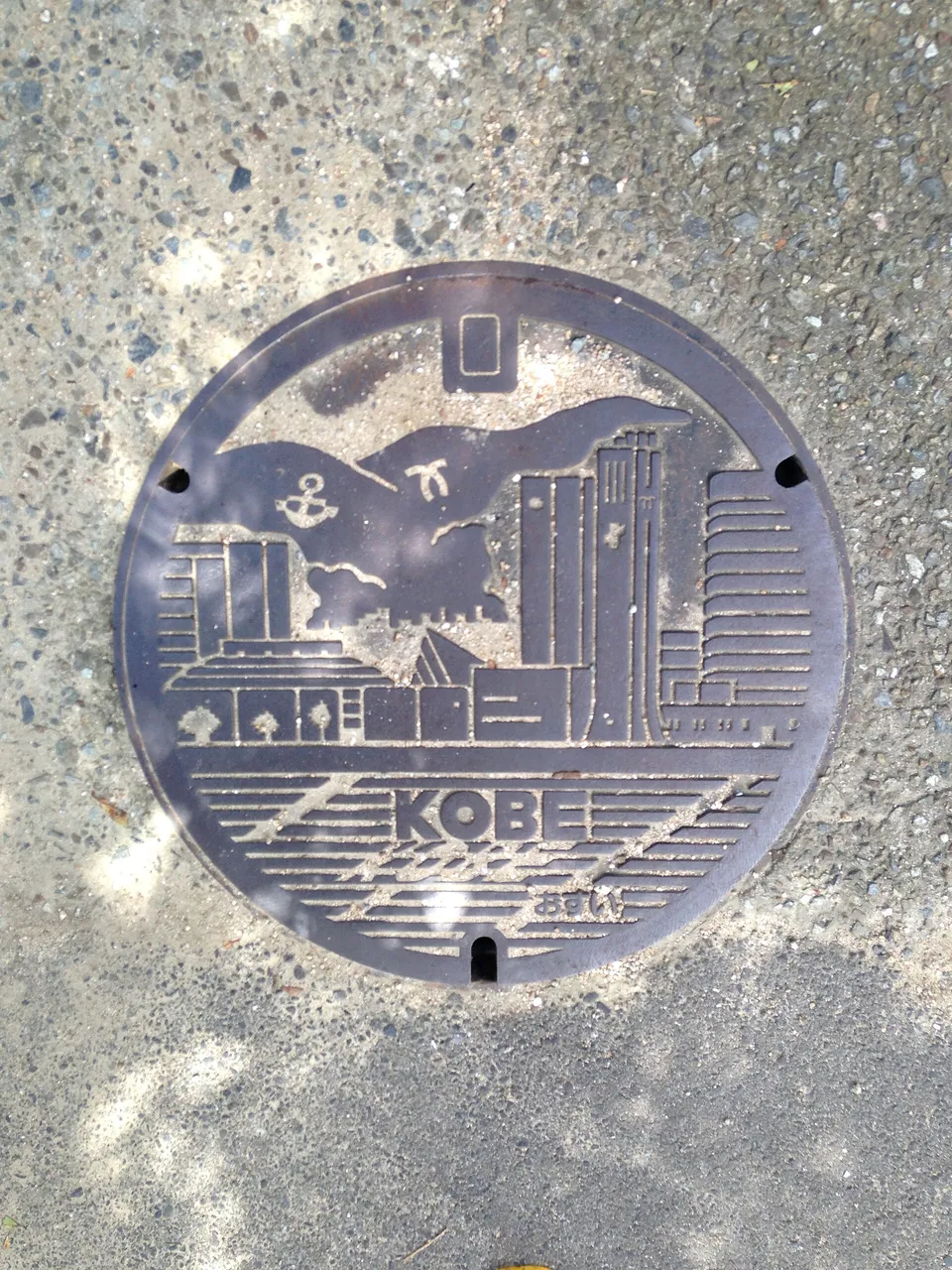
Photos: Hiroshima city cover with Carp Boy — VKaeru, CC BY-SA 3.0, via Wikimedia Commons · Kobe city cover — そらみみ (Soramimi), CC BY-SA 4.0, via Wikimedia Commons
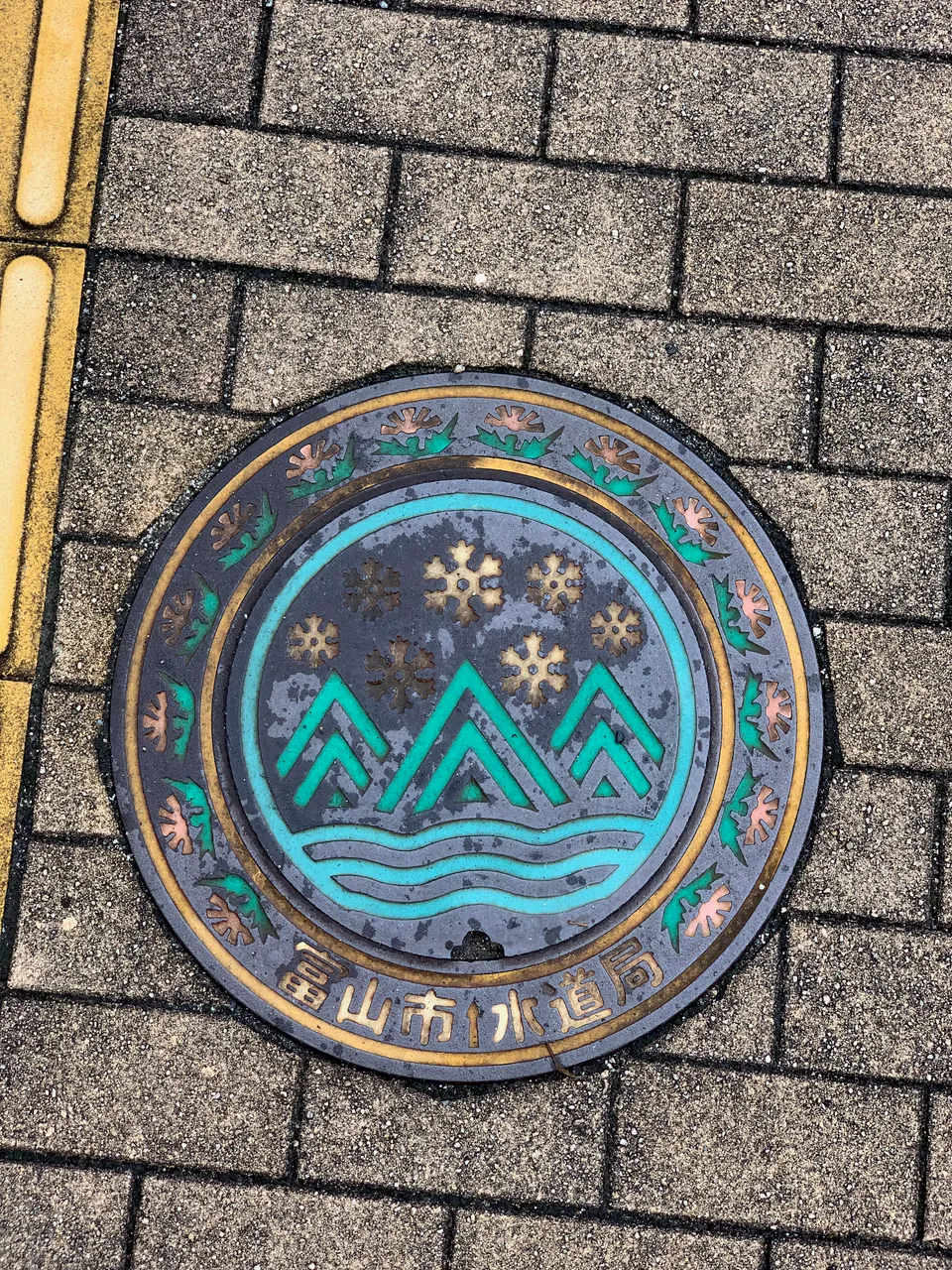
| City | Prefecture | Region | Design shows | Where distributed | Free guide |
|---|---|---|---|---|---|
| Sumida Ward | Tokyo | Kanto | Hokusai's "Great Wave" motif | ward / tourist facility | Tokyo → |
| Hiroshima City | Hiroshima | Chugoku | Carp Boy (baseball mascot) | city / sewer facility | Hiroshima → |
| Kobe | Hyogo | Kansai | zoo-animal motif | city / tourist facility | Hyogo → |
| Toyama City | Toyama | Chubu | local designer motifs | tourism / water bureau | Toyama → |
| Sendai | Miyagi | Tohoku | city design motif | city point | Miyagi → |
| Kagoshima City | Kagoshima | Kyushu | city motif | water / sewer bureau | Kagoshima → |
| Kitakyushu | Fukuoka | Kyushu | city motif | water & sewer bureau | Fukuoka → |
| Naruto | Tokushima | Shikoku | city motif | city point | Tokushima → |
A card visit folds neatly into ordinary sightseeing: the distribution point is usually somewhere you'd pass anyway — a city office, a tourist centre, a station-area facility — and the real cover sits on a nearby street. Pick one base prefecture, read its free guide for what else to see and eat, and chain a couple of card pickups into the day.
How they differ from Pokéfuta
It's easy to lump these together, so be precise: manhole cards and Pokéfuta are two separate programs. Pokéfuta (ポケふた) are Pokémon-themed manhole covers run by The Pokémon Company under Pokémon Local Acts; standard manhole cards are GKP's general design-manhole card program. They overlap a little — some Pokéfuta have an associated manhole card — but that is the exception, not the rule. Do not assume every Pokéfuta has a card, or that every card is a Pokéfuta.
If you specifically want the Pokémon covers, work from the Pokémon side's own resources rather than the GKP card list. We keep a full prefecture-by-prefecture Pokéfuta guide →, and the official map lives at local.pokemon.jp/en/manhole.
Some links above are affiliate links. We may earn a commission at no extra cost to you. We only list services we'd use ourselves.
The Japanese you'll actually use
Collecting cards puts you in front of city-office and tourist-centre staff, where a few precise words make the request painless — and signal that you know exactly what you're asking for.
| Japanese | Reading | Meaning |
|---|---|---|
| マンホールカード | manhōru kādo | manhole card — the collectible itself |
| 下水道 | gesuidō | sewerage — the system the covers belong to; often in the office's name |
| 配布 | haifu | distribution / handing out — used for "where it's given out" |
| 無料 | muryō | free of charge — the cards are always muryō |
| ご当地 | gotōchi | "local edition / local specialty" — the concept behind the designs |
| デザイン | dezain | design — as in "design manhole" |
| 第〇弾 | dai-X-dan | the Xth lot / wave (e.g. 第28弾 = Lot 28) |
| 緯度経度 | ido keido | latitude & longitude — printed on the back to find the real cover |
Want these to stick? The free JLPT battle quiz drills travel and culture vocabulary like this with spaced repetition.
Manhole cards chain naturally with Japan's other location-based collecting games: Pokéfuta (Pokémon manhole covers) →, Gundam manholes →, and anime pilgrimage (seichi junrei) →. Many travellers tick off several in one prefecture.
Common questions
Q. Are manhole cards free?
A. Yes. Manhole cards are completely free. They are issued by GKP together with local governments and water bureaus, and are never sold — you simply ask for one at the distribution point.
Q. How do I get one?
A. Find the card you want on the official GKP list, note its distribution point and opening hours, and go there in person during open hours to ask the staff. Many points are city offices, water/sewer bureaus, or tourist information centres.
Q. Can I get manhole cards by mail or online?
A. No. There is no postal delivery and no online ordering — the cards are handed out only in person at a specific local pickup point, with no reservations and no proxy pickup. The in-person rule is part of the program's purpose of drawing visitors to each town.
Q. How many manhole cards can I get?
A. One free card per person at each distribution point. That is the standard limit.
Q. How many manhole cards exist?
A. As of Lot 29 (第29弾, distributed from 31 July 2026), the cumulative total is 1,311 card types from 783 municipalities and 4 organizations. New lots are released regularly, so the number keeps growing — check the official GKP list at gk-p.jp/mhcard for the current count.
Q. What's printed on the card?
A. The front shows a photo of the actual manhole cover plus its real location. The back explains the design's motif and origin and gives the manhole's latitude and longitude, so you can walk to the real cover.
Q. Are Pokéfuta cards the same thing?
A. No. Pokéfuta (Pokémon manhole covers) and standard GKP manhole cards are separate programs. Some Pokéfuta have an associated manhole card, but most do not, and most GKP cards have nothing to do with Pokémon. For the Pokémon covers, use the official Pokémon map.
We're a Japanese family of three traveling all 47 prefectures with our kid, and this guide comes from that road. Our free newsletter 47 Notes from Japan shares the travel notes, collectible finds, and real-life Japanese that don't fit in a guide. No spam, unsubscribe anytime.