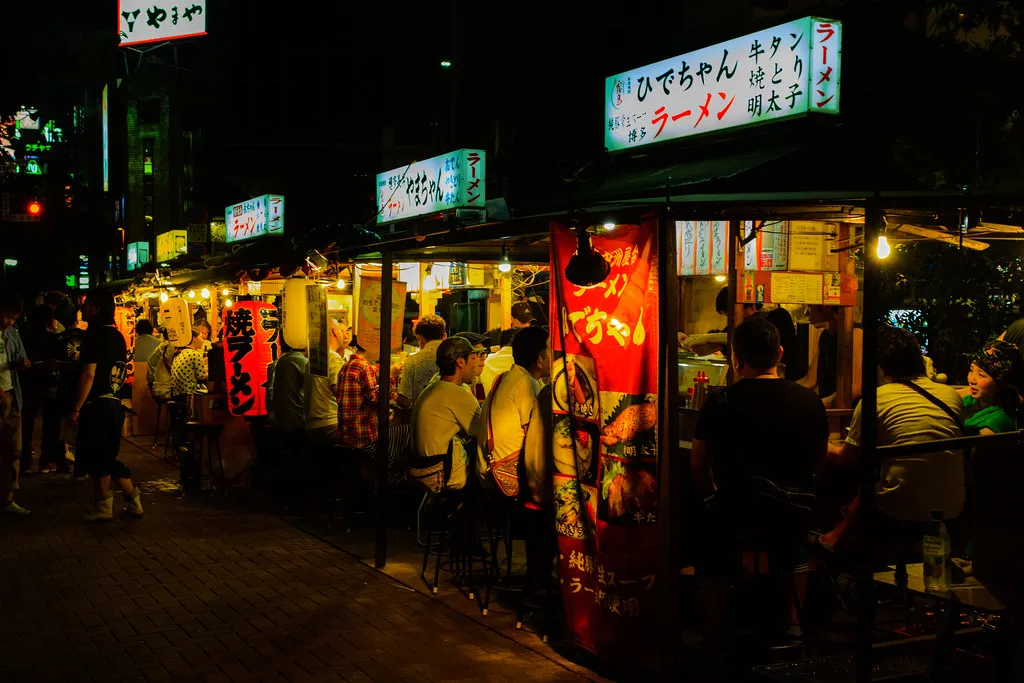
Fukuoka is Kyushu's largest and most vibrant prefecture, famous for Hakata ramen, lively yatai (open-air food stalls) along Hakata Bay, and as a gateway to Asia just a short ferry ride from South Korea. It blends a buzzing modern city with castle towns and easy day-trip islands.
Fukuoka (福岡) has been Japan's gateway to the Asian continent for centuries; Hakata (博多) merchants built its trading wealth, and its yatai (屋台) street-stall culture is unmatched in Japan.
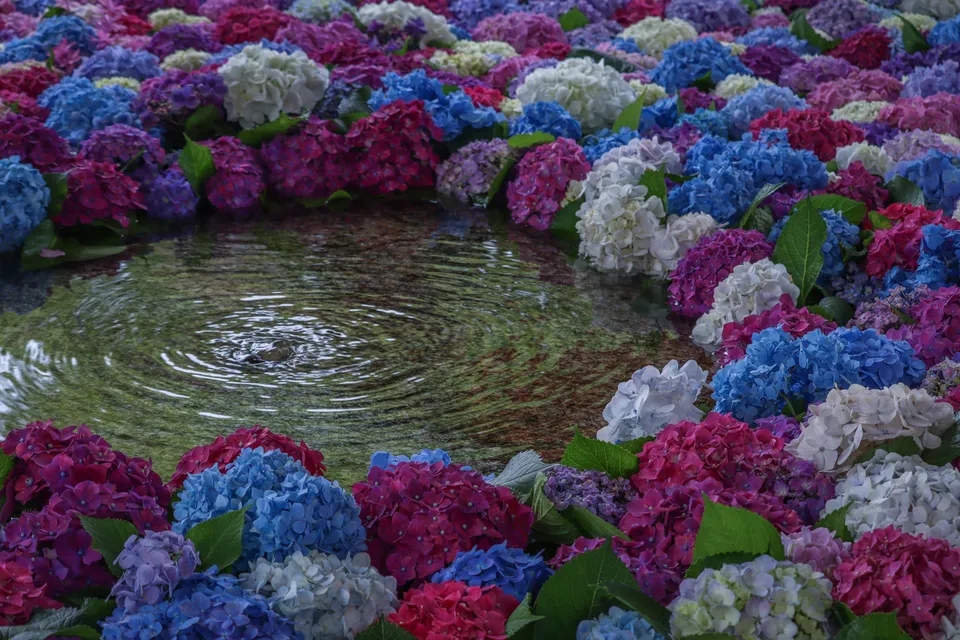
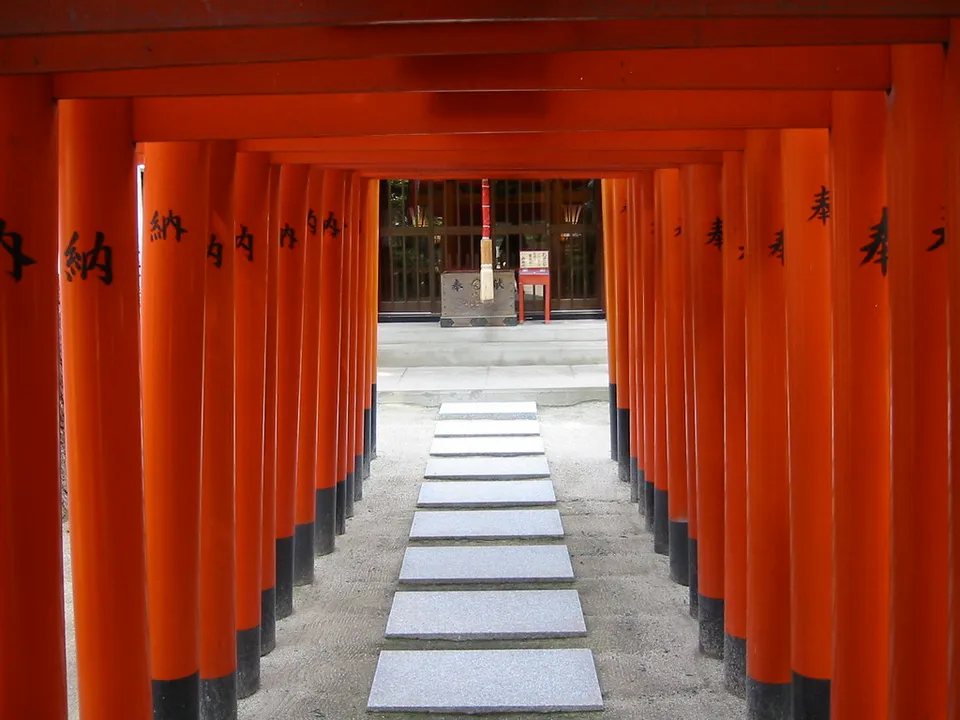
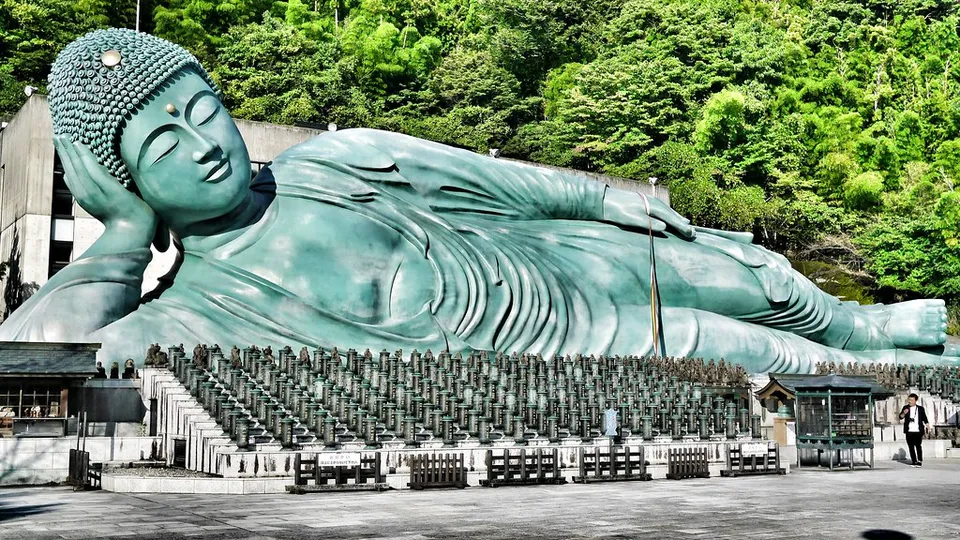
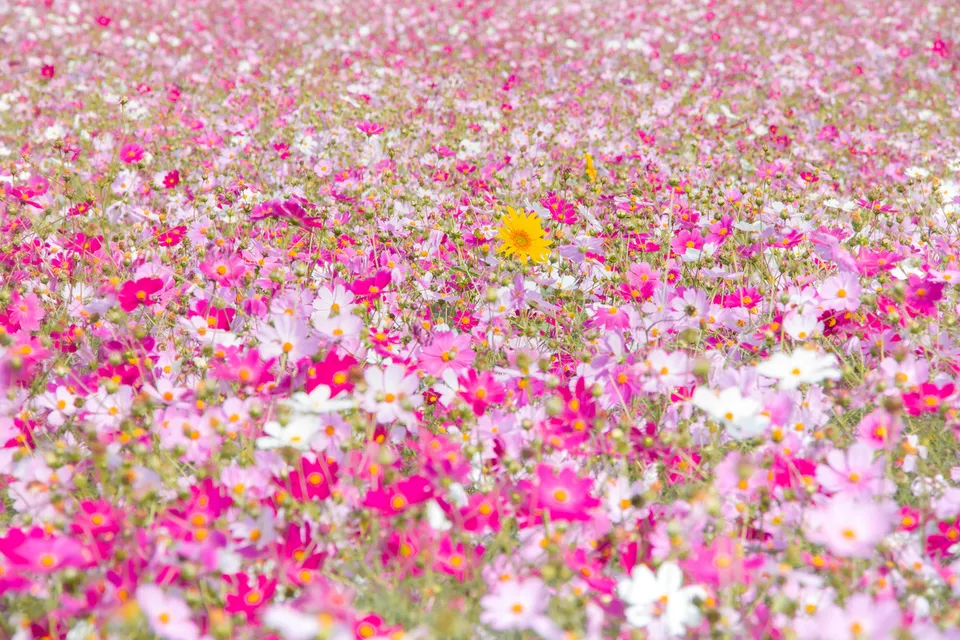
Photos: Dazaifu Tenmangu Shrine — FIND/47 contributor via FIND/47, CC BY 4.0 · Kushida Shrine — mdid via Flickr, CC BY 2.0 · Nanzoin Temple Reclining Buddha — travel oriented via Flickr, CC BY-SA 2.0 · Nokonoshima Island Park — shota via FIND/47, CC BY 4.0
Fukuoka (Hakata) is ~5h from Tokyo by shinkansen, or ~2h by air.
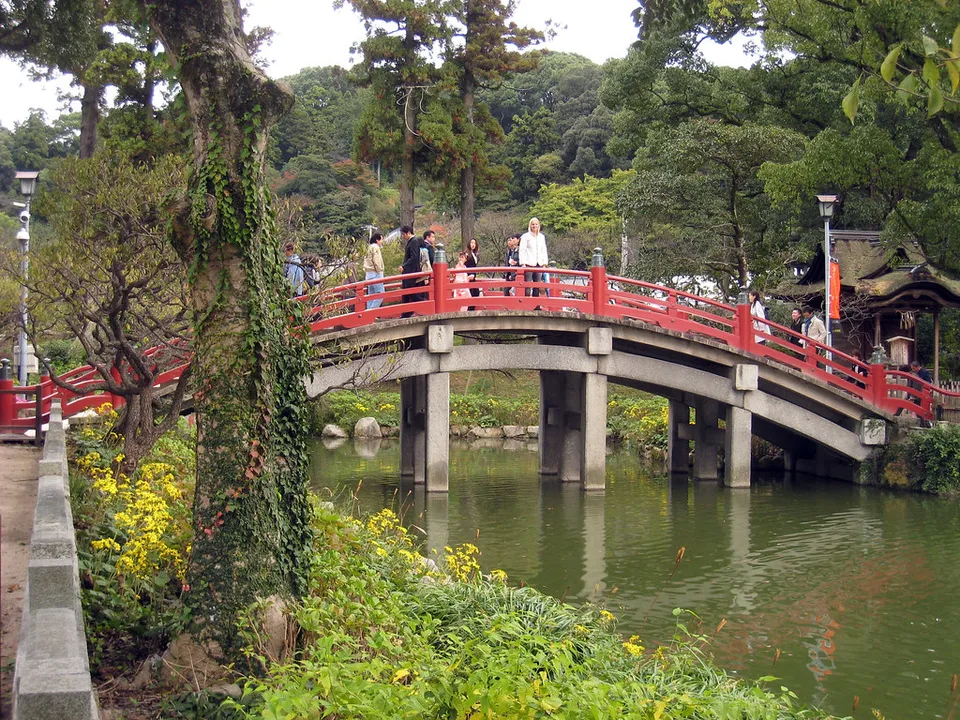 Top pick
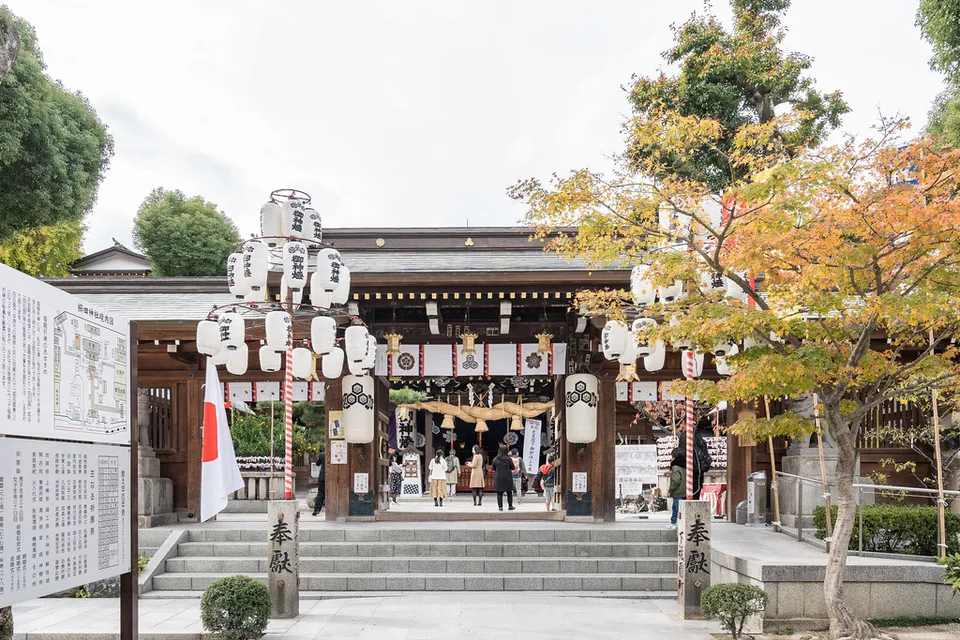 Top pick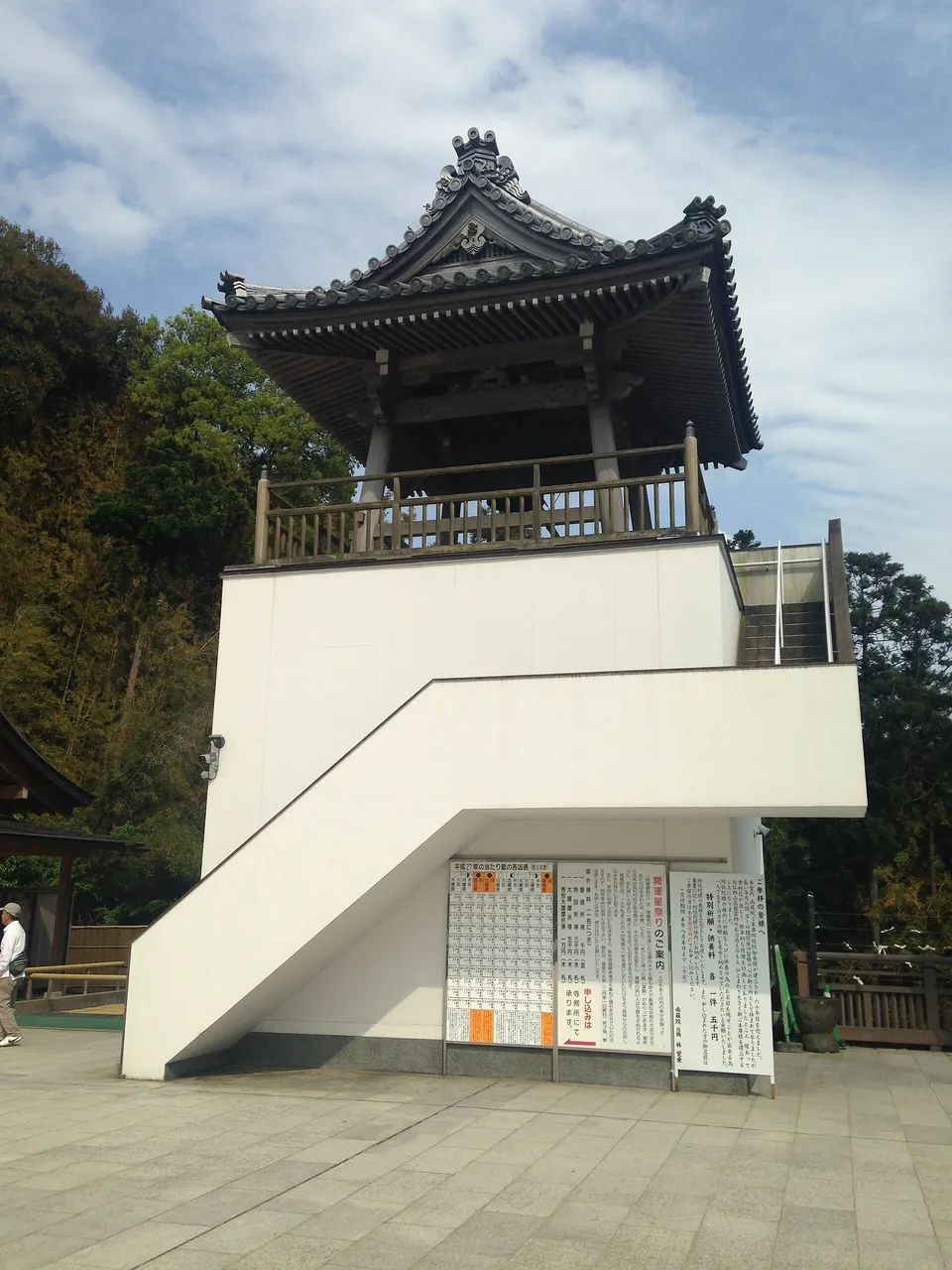
Hakata Ramen (tonkotsu)
Fukuoka's signature ramen: ultra-rich, milky pork-bone (tonkotsu) broth simmered for hours with thin, straight noodles; born in the Hakata district and served…
 Must-eat
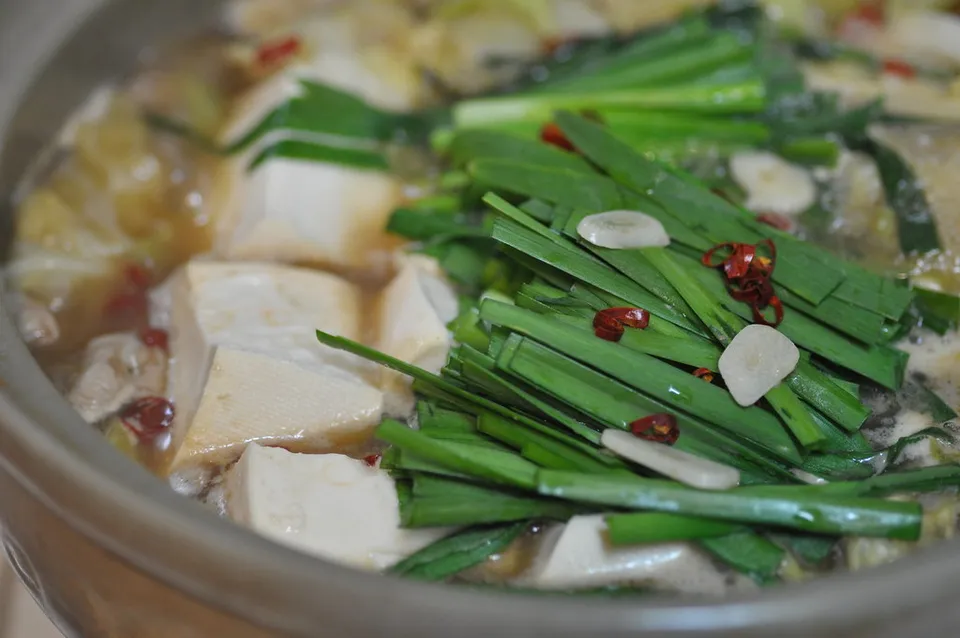
Motsunabe (offal hot pot)
A local hot pot of beef or pork tripe with cabbage, garlic chives and chili in a soy- or miso-based broth, cooked at the table; a Fukuoka winter favorite.
 Local secret
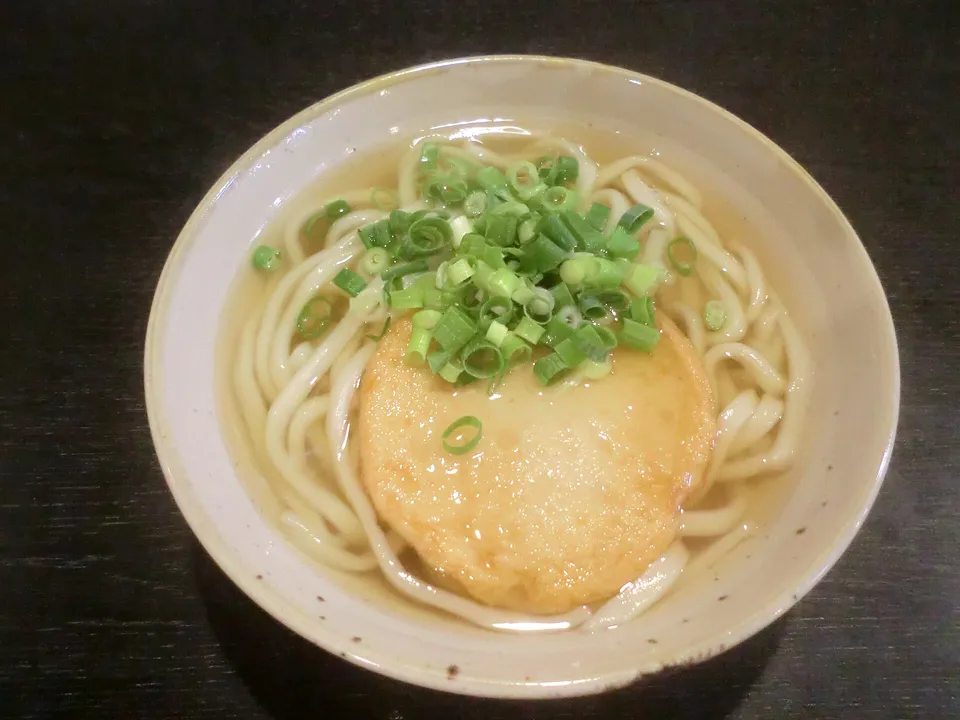
Hakata Udon (gobo-ten udon)
Lesser-known to foreigners but said to have origins in Hakata: soft, springy noodles in a clear niboshi-katsuobushi-kombu broth, often topped with burdock…
Fukuoka at a glance
Next door
Links marked PR are affiliate links: if you book through them we may earn a commission at no extra cost to you. Photos: Yatai — Yoshikazu TAKADA via Flickr, CC BY 2.0 · Dazaifu Tenmangu Shrine — FIND/47 contributor via FIND/47, CC BY 4.0 · Kushida Shrine — mdid via Flickr, CC BY 2.0 · Nanzoin Temple Reclining Buddha — travel oriented via Flickr, CC BY-SA 2.0 · Nokonoshima Island Park — shota via FIND/47, CC BY 4.0 · Dazaifu Tenmangu Shrine — JoshBerglund19 via Flickr, CC BY 2.0 · Kushida Shrine — wongwt via Flickr, CC BY-SA 2.0 · Nanzoin Temple Reclining Buddha — そらみみ (Soramimi) via Wikimedia Commons, CC BY-SA 4.0 · Motsunabe — Vaice-A via Flickr, CC BY-SA 2.0 · Hakata Udon — Nissy-KITAQ via Wikimedia Commons, CC BY-SA 3.0. Map: Geolonia (MIT).

