Kumamoto is a Kyushu prefecture defined by dramatic nature and history: the imposing reconstructed Kumamoto Castle, one of Japan's three great castles, and Mount Aso, which holds one of the world's largest active volcanic calderas. Its coast trails off into the Amakusa islands, home to UNESCO-listed Hidden Christian sites and fresh seafood.
Kumamoto (熊本) is defined by its mighty castle, built by Katō Kiyomasa around 1607, and by Mount Aso (阿蘇), whose enormous caldera has shaped life on central Kyūshū for millennia.
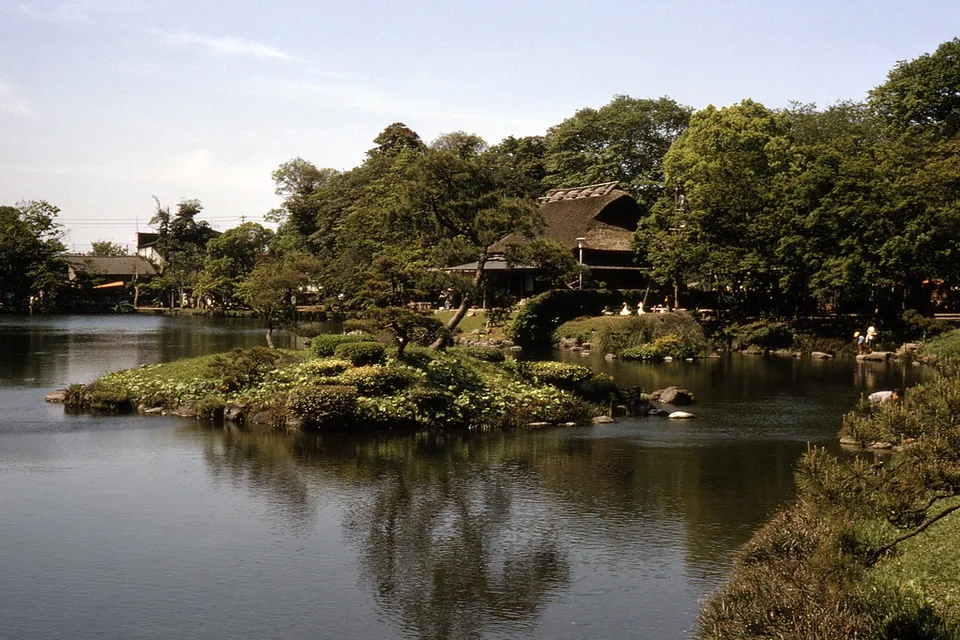
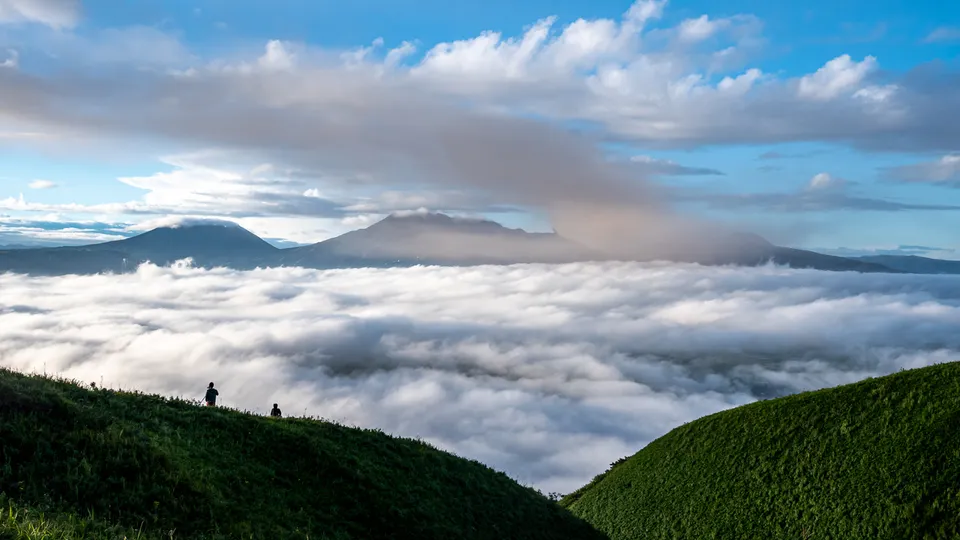
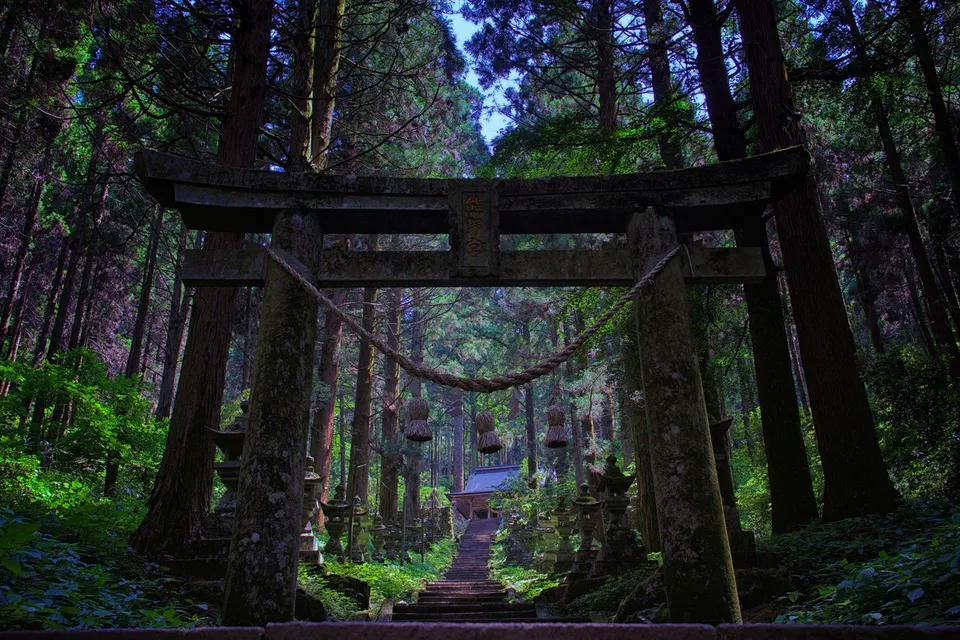
Photos: Suizenji Jojuen Garden — David Pirmann via Flickr, CC BY 2.0 · Mount Aso — Kohji_Asakawa via FIND/47, CC BY 4.0 · Kamishikimi Kumanoimasu Shrine — RyotaFuno via FIND/47, CC BY 4.0
Kumamoto is ~40 min from Fukuoka (Hakata) by Kyūshū Shinkansen.
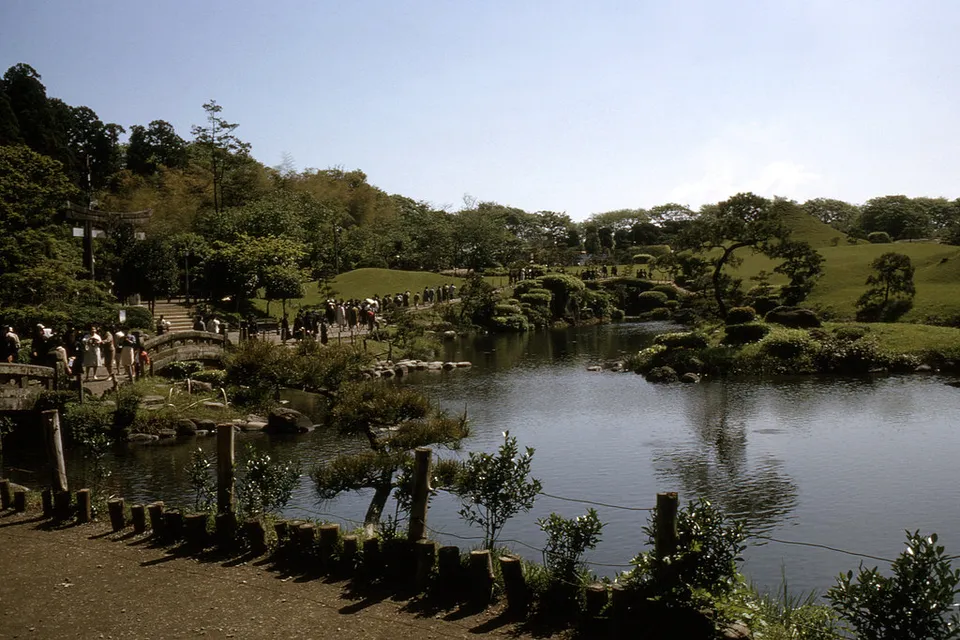 Top pick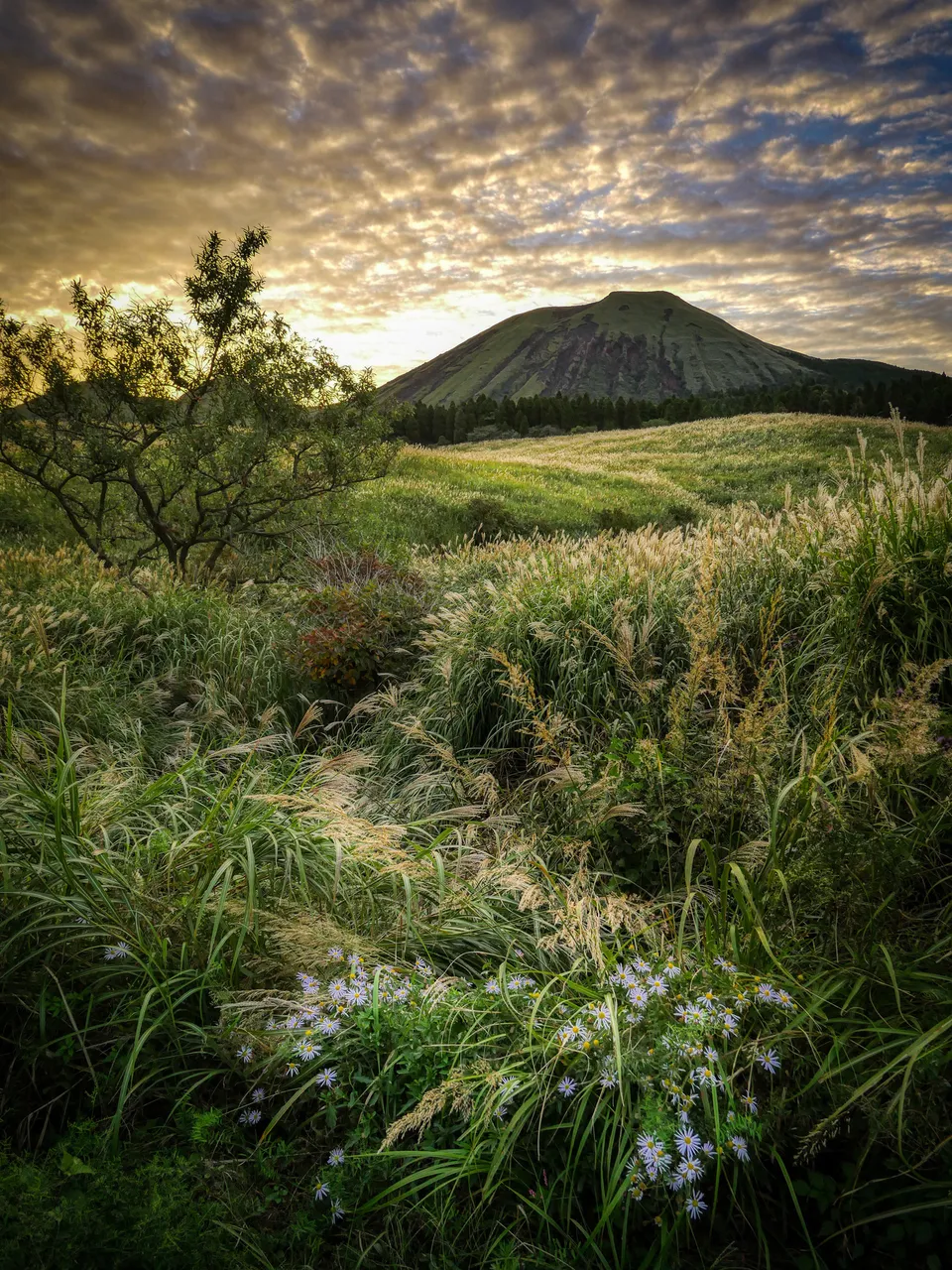
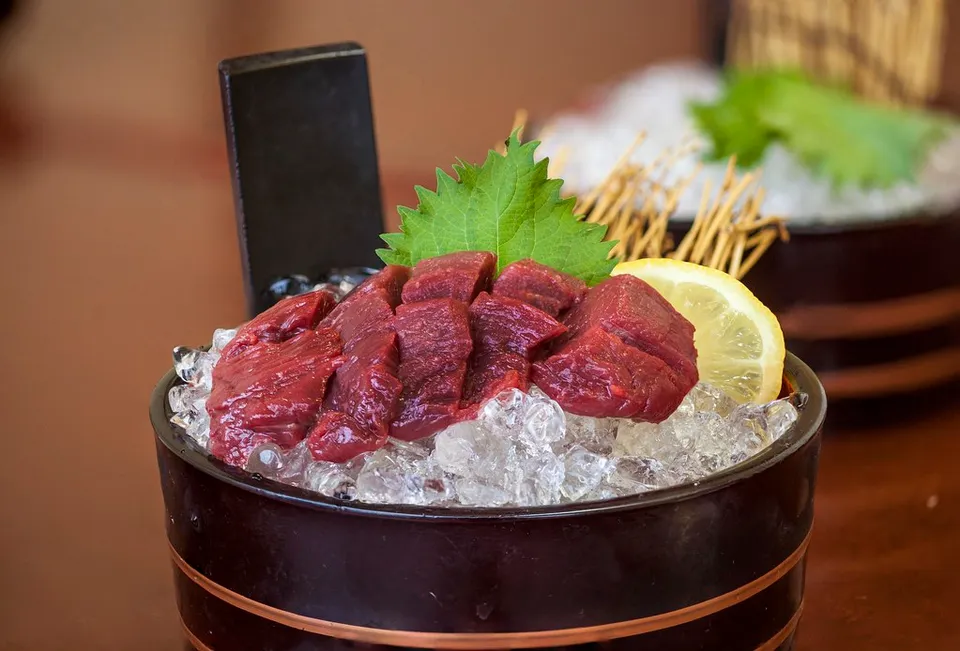 Must-eat
Basashi (horse meat sashimi)
Kumamoto's signature delicacy; thinly sliced raw horse meat served with grated garlic/ginger and soy sauce. The prefecture has Japan's highest production and…
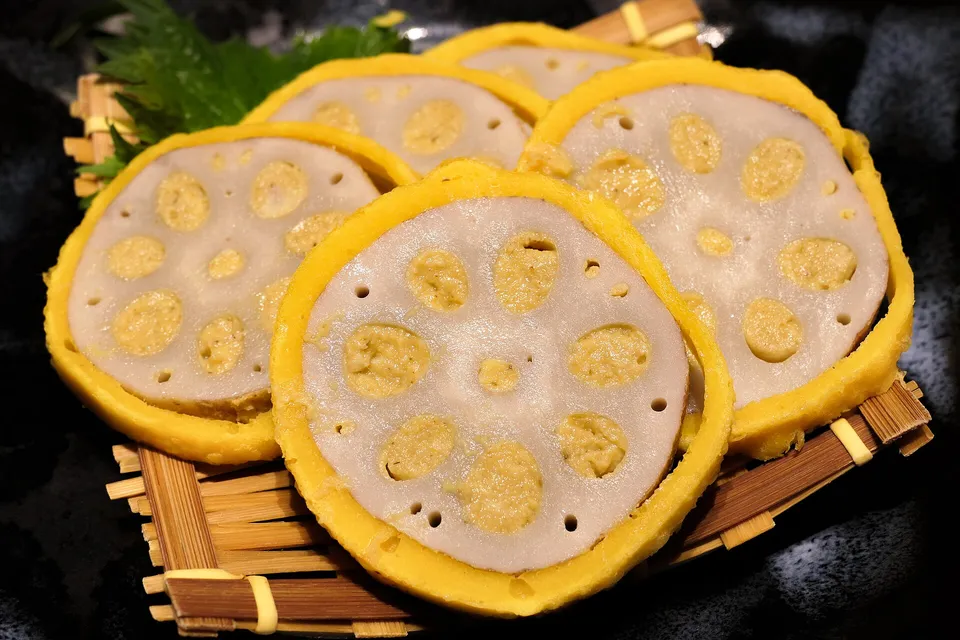 Must-eat
Karashi renkon (mustard lotus root)
Lotus root stuffed with spicy mustard-miso paste, battered and deep-fried. Originated in the Edo era under the Hosokawa clan as a nourishing food.
Akaushi (Aka beef / Kumamoto red Wagyu)
Red-haired Wagyu raised on the volcanic grasslands around Mt. Aso; lean yet umami-rich, often served as a beef bowl. A registered Geographical Indication…
Kumamoto at a glance
Next door
Links marked PR are affiliate links: if you book through them we may earn a commission at no extra cost to you. Photos: Suizenji Jojuen Garden — David Pirmann via Flickr, CC BY 2.0 · Mount Aso — Kohji_Asakawa via FIND/47, CC BY 4.0 · Kamishikimi Kumanoimasu Shrine — RyotaFuno via FIND/47, CC BY 4.0 · Suizenji Jojuen Garden — David Pirmann via Flickr, CC BY 2.0 · Mount Aso — Kohji_Asakawa via FIND/47, CC BY 4.0 · Basashi — G.A.I.N via Flickr, CC BY 2.0 · Karashi renkon — MaedaAkihiko via Wikimedia Commons, CC0. Map: Geolonia (MIT).
