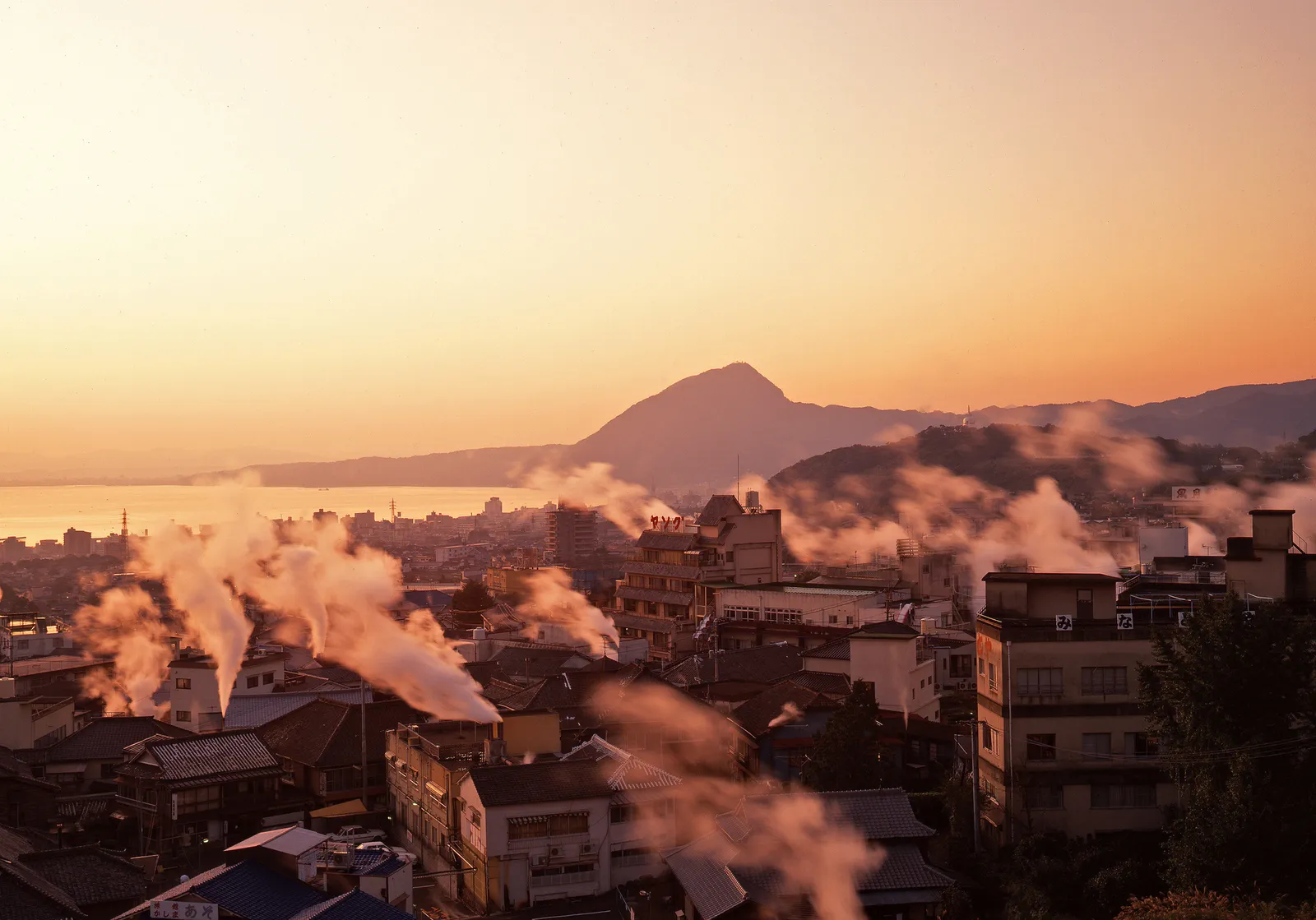
Oita is widely known as Japan's onsen (hot spring) capital, producing more thermal spring water than any other prefecture, with Beppu's steaming "hells" (jigoku) and its volcanic Kunisaki Peninsula on the Seto Inland Sea.
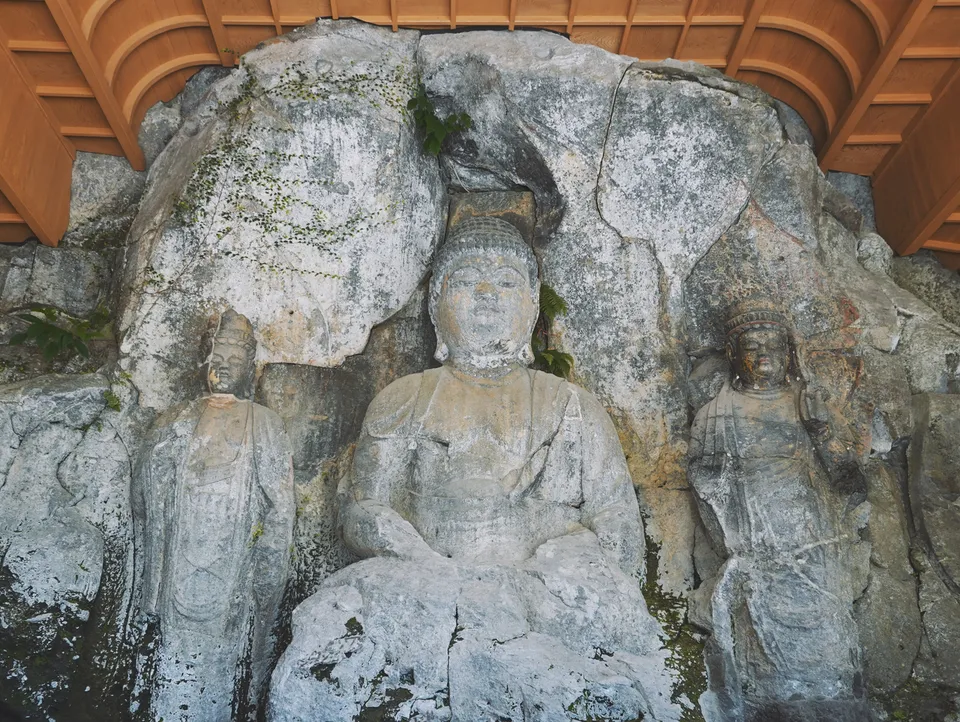
Ōita (大分) produces more hot-spring water than any prefecture in Japan. Beppu (別府) grew into a great onsen resort, while the Usuki (臼杵) stone Buddhas were carved into cliffs around the 12th century.
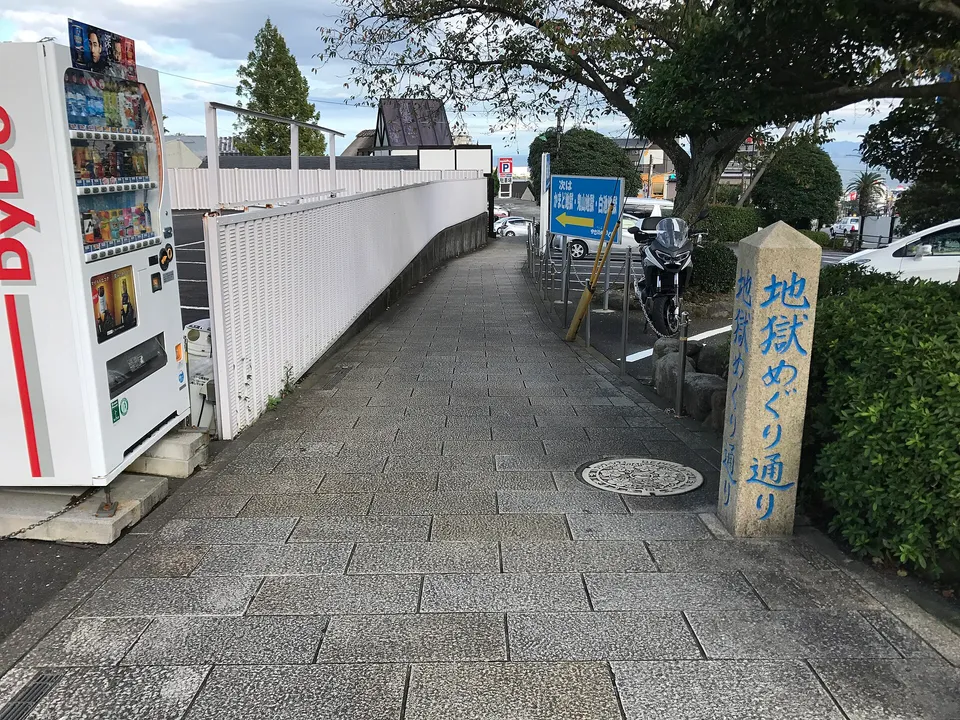
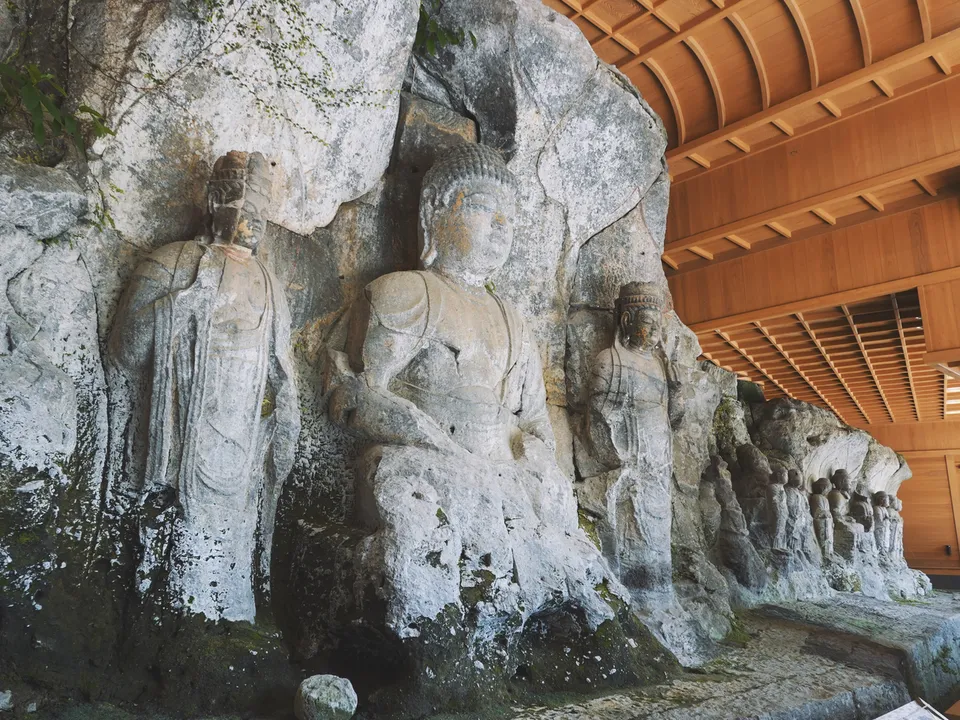
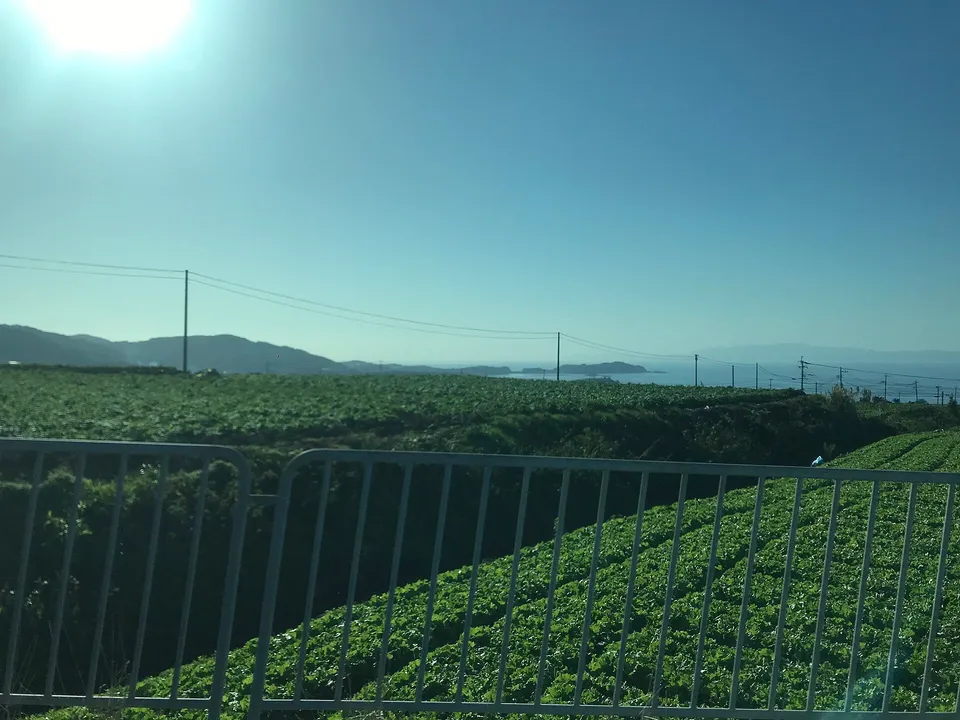
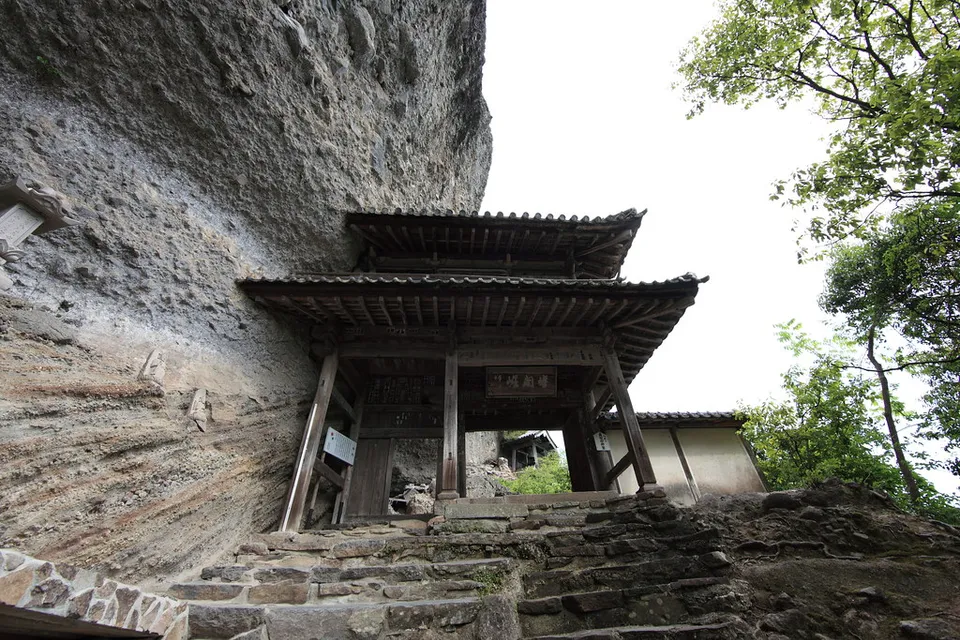
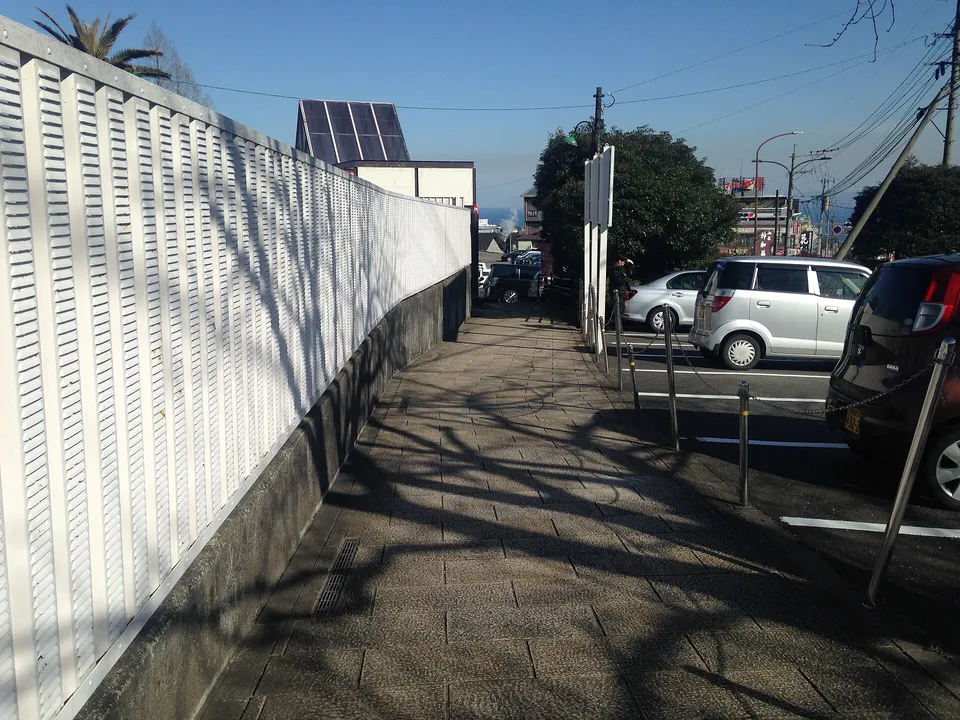
Photos: Beppu Jigoku Meguri — そらみみ via Wikimedia Commons, CC BY-SA 4.0 · Usuki Stone Buddhas — FIND/47 contributor via FIND/47, CC BY 4.0 · Kunisaki Peninsula — そらみみ via Wikimedia Commons, CC BY-SA 4.0 · Rakanji Temple — TANAKA Juuyoh (田中十洋) via Flickr, CC BY 2.0
Beppu/Ōita are ~2h from Fukuoka (Hakata) by limited express.
 Top pick
 Top pick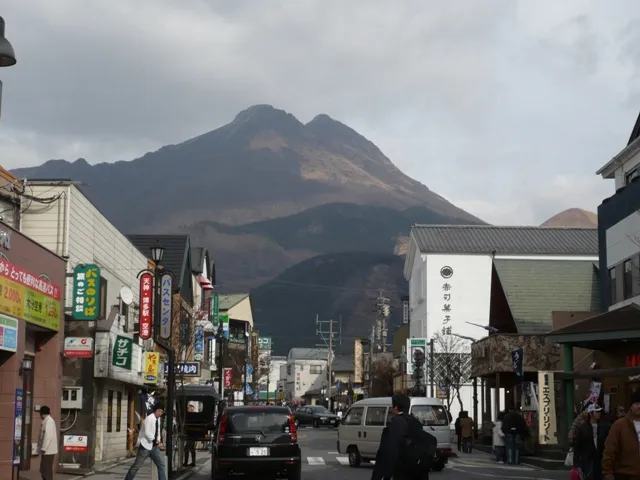


 Must-eat
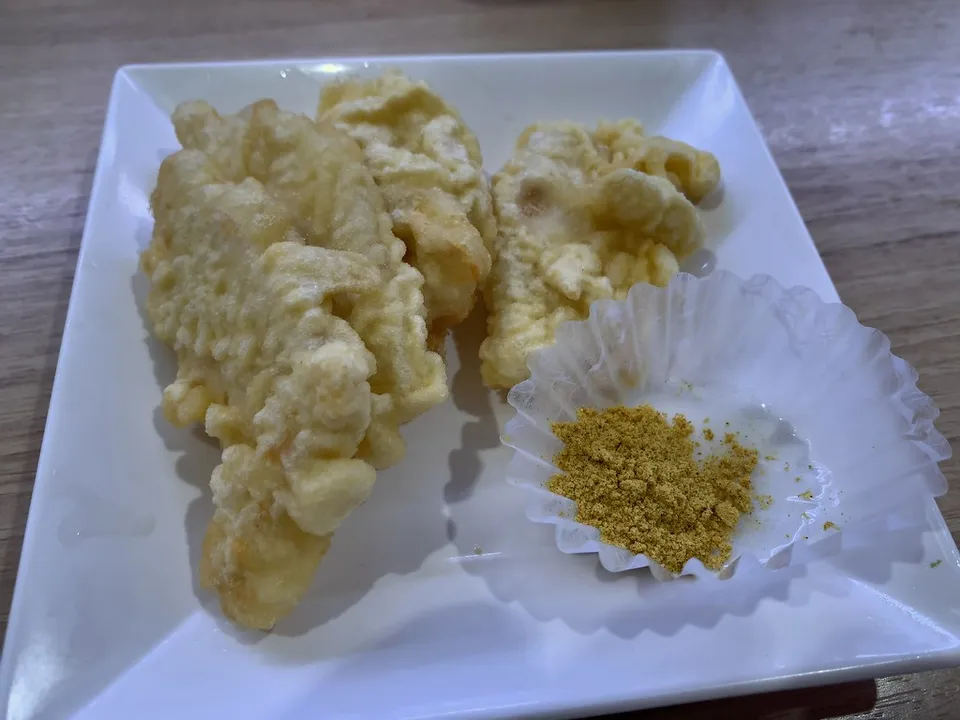
Toriten (chicken tempura)
Oita soul food said to have originated in Beppu in the early 1920s: ginger/garlic-seasoned chicken in a light tempura batter, served with ponzu, mustard and a…
Dango-jiru (dumpling soup)
Hearty Oita farmhouse soup of hand-stretched wheat-flour dumplings simmered with vegetables and miso; a rural staple eaten as a warming, filling meal.
 Must-eat
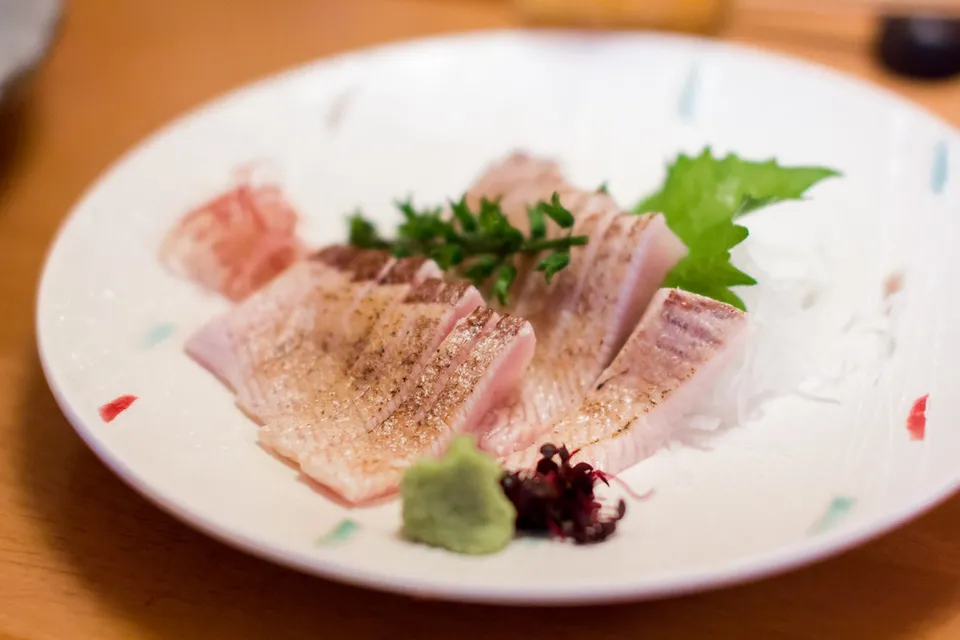
Seki-saba / Seki-aji
Premium mackerel and horse mackerel raised in the fierce tides of the Bungo Channel; firm-fleshed and prized, often eaten as sashimi.
Oita at a glance
Next door
Links marked PR are affiliate links: if you book through them we may earn a commission at no extra cost to you. Photos: Beppu's 'Hells' — FIND/47 contributor via FIND/47, CC BY 4.0 · Beppu Jigoku Meguri — そらみみ via Wikimedia Commons, CC BY-SA 4.0 · Usuki Stone Buddhas — FIND/47 contributor via FIND/47, CC BY 4.0 · Kunisaki Peninsula — そらみみ via Wikimedia Commons, CC BY-SA 4.0 · Rakanji Temple — TANAKA Juuyoh (田中十洋) via Flickr, CC BY 2.0 · Beppu Jigoku Meguri — そらみみ (Soramimi) via Wikimedia Commons, CC BY-SA 4.0 · Usuki Stone Buddhas — FIND/47 contributor via FIND/47, CC BY 4.0 · Yufuin onsen town — 佐藤智史 via Wikimedia Commons, CC BY-SA 3.0 · Toriten — nakashi via Flickr, CC BY-SA 2.0 · Seki-saba — t-mizo via Flickr, CC BY 2.0. Map: Geolonia (MIT).

