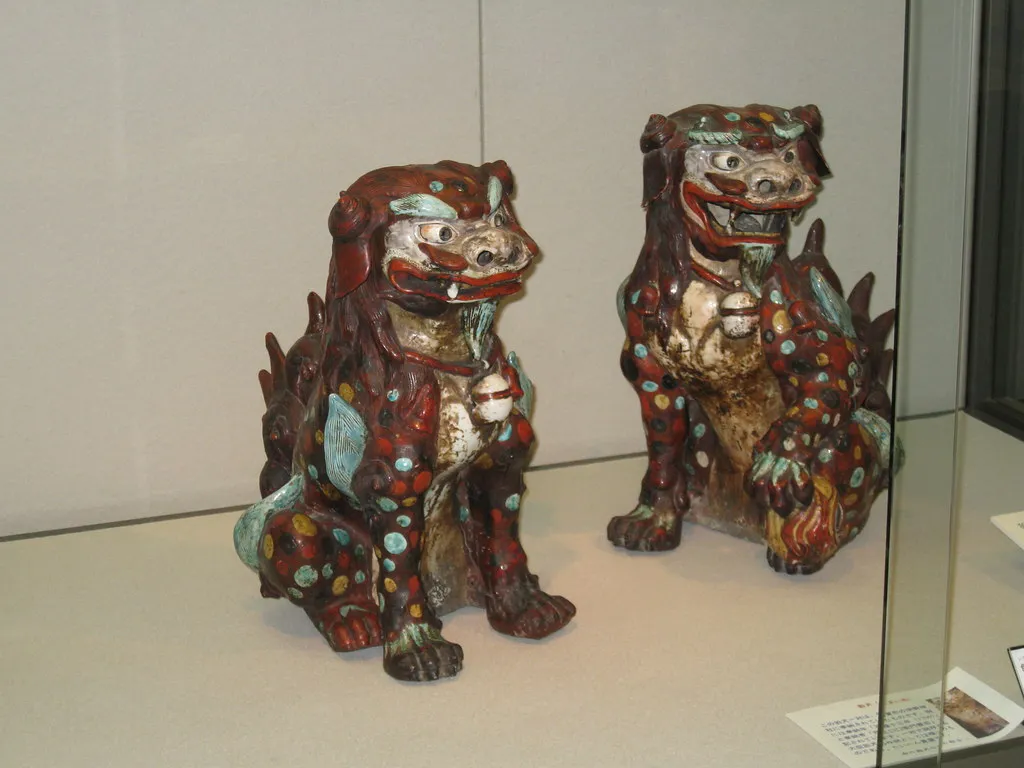
Saga Prefecture is the birthplace of Japanese porcelain, home to the famed Arita, Imari and Karatsu pottery towns whose blue-and-white wares were exported to Europe for over 400 years. It also boasts the vast Yoshinogari Yayoi-period ruins and Yobuko's lively morning squid market.
Saga (佐賀) is the birthplace of Japanese porcelain: in the early 1600s, potters near Arita (有田) found kaolin clay and began making the wares exported worldwide as 'Imari' (伊万里).
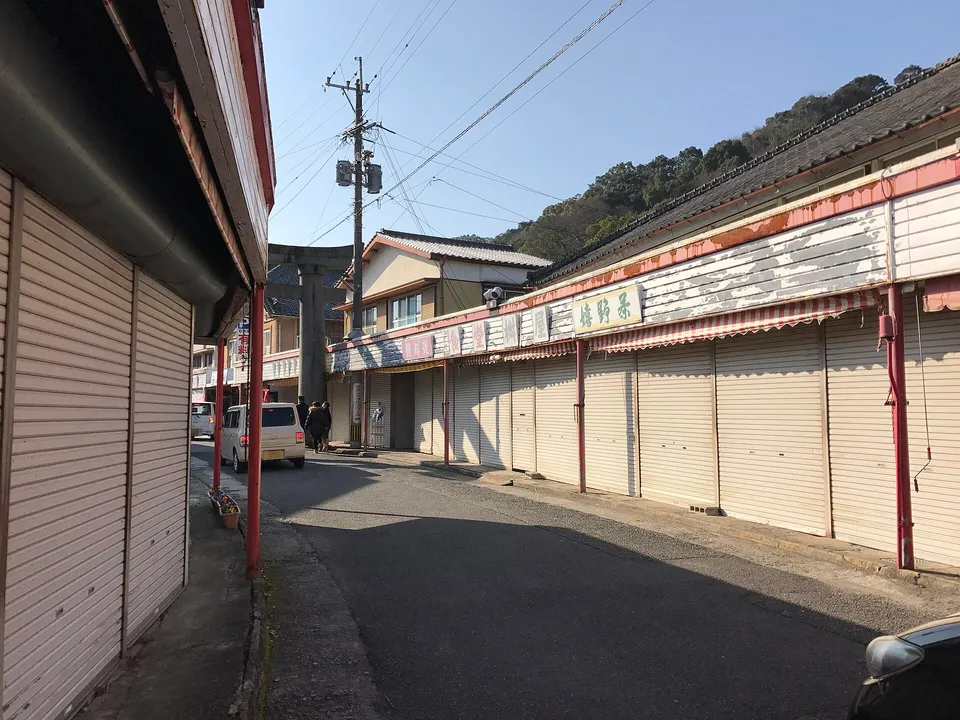
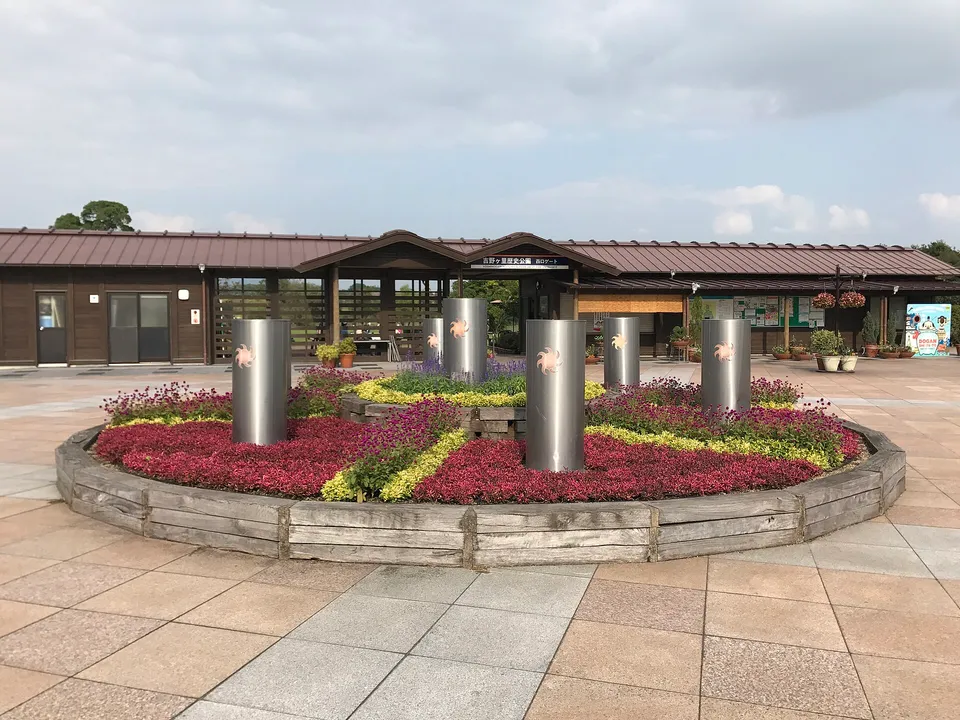
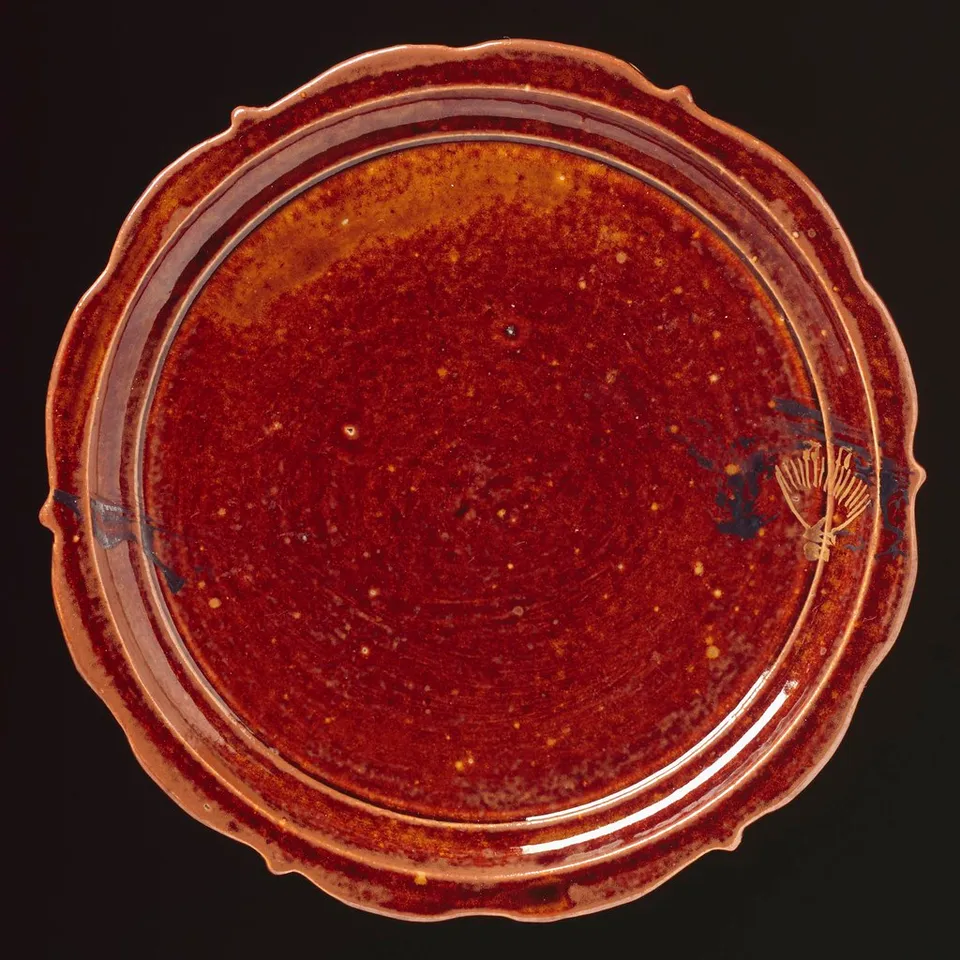
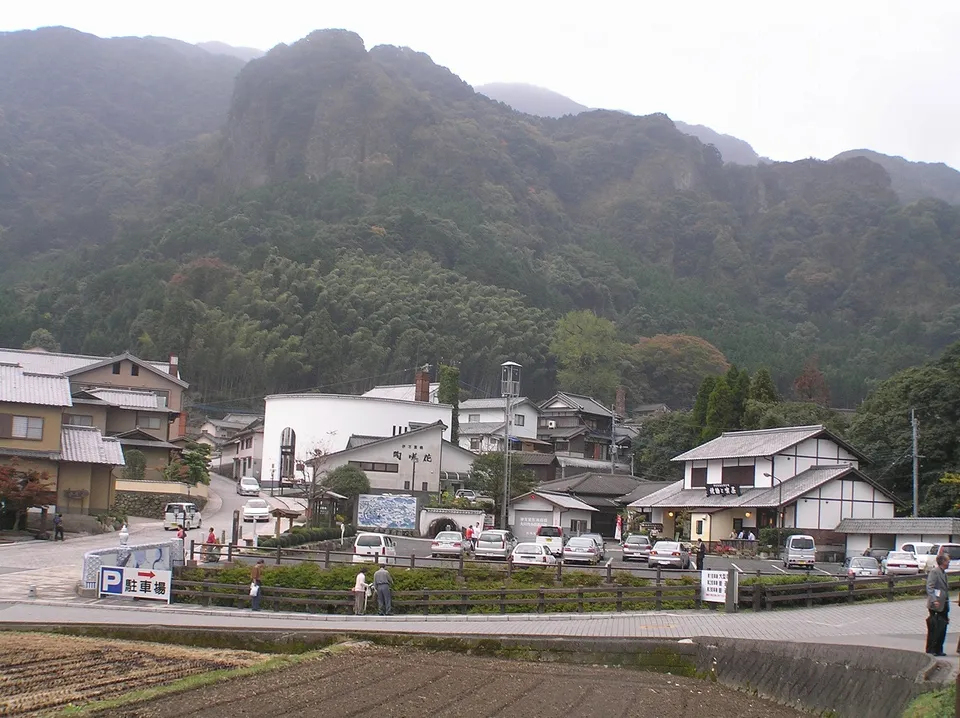
Photos: Yutoku Inari Shrine — そらみみ via Wikimedia Commons, CC BY-SA 4.0 · Yoshinogari Historical Park — そらみみ via Wikimedia Commons, CC BY-SA 4.0 · Arita — Fæ via Flickr, CC BY 2.0 · Okawachiyama — Akiyoshi's Room via Wikimedia Commons, Public domain
Saga is ~40 min from Fukuoka (Hakata) by limited express.
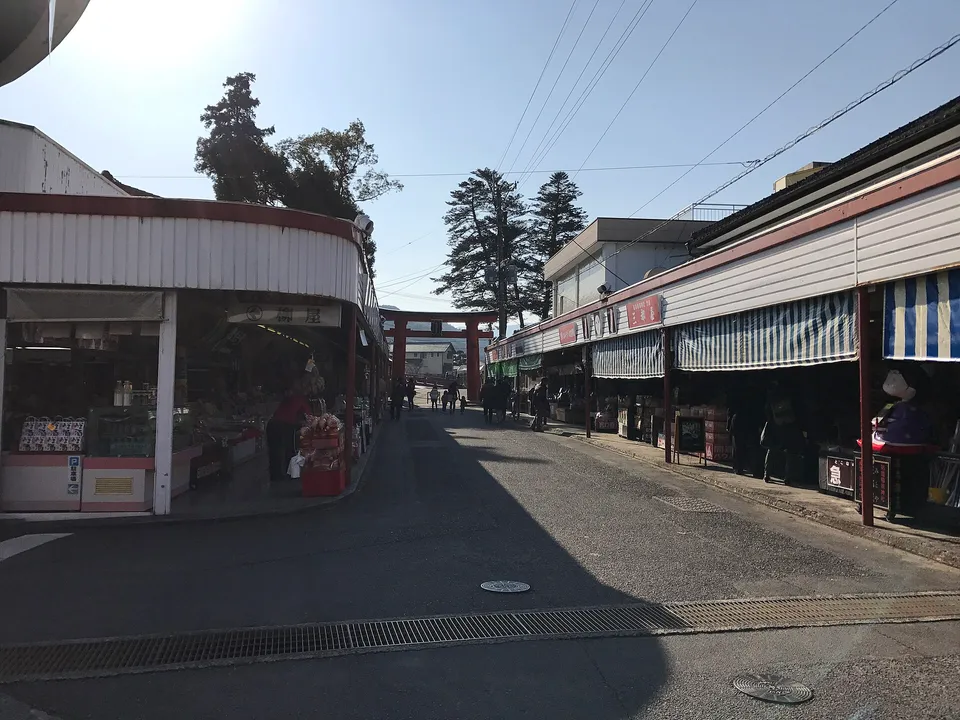 Top pick
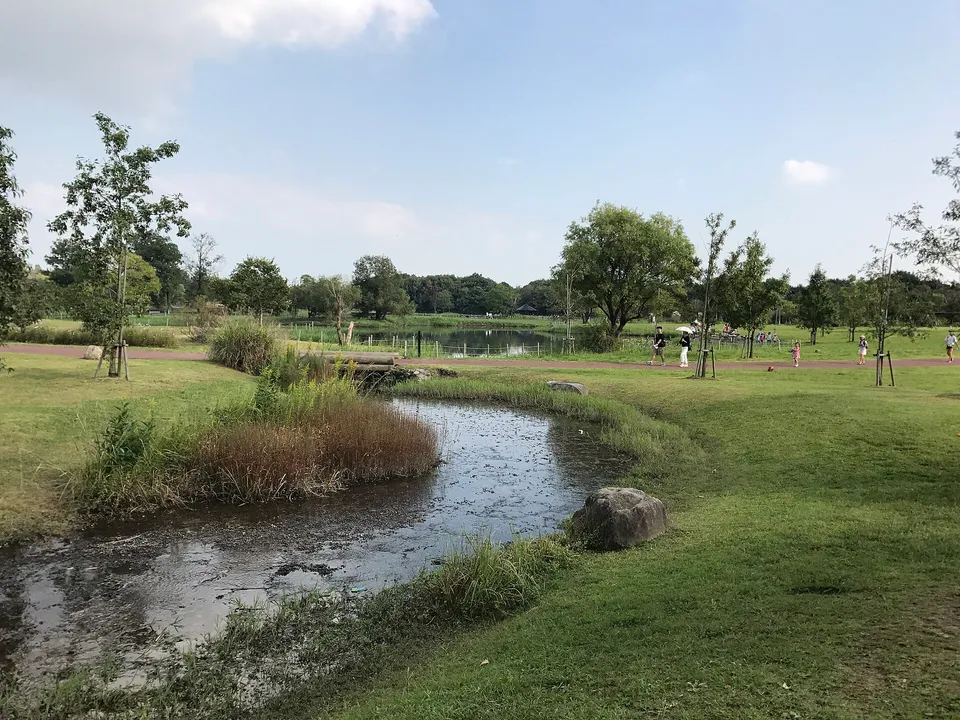 Top pick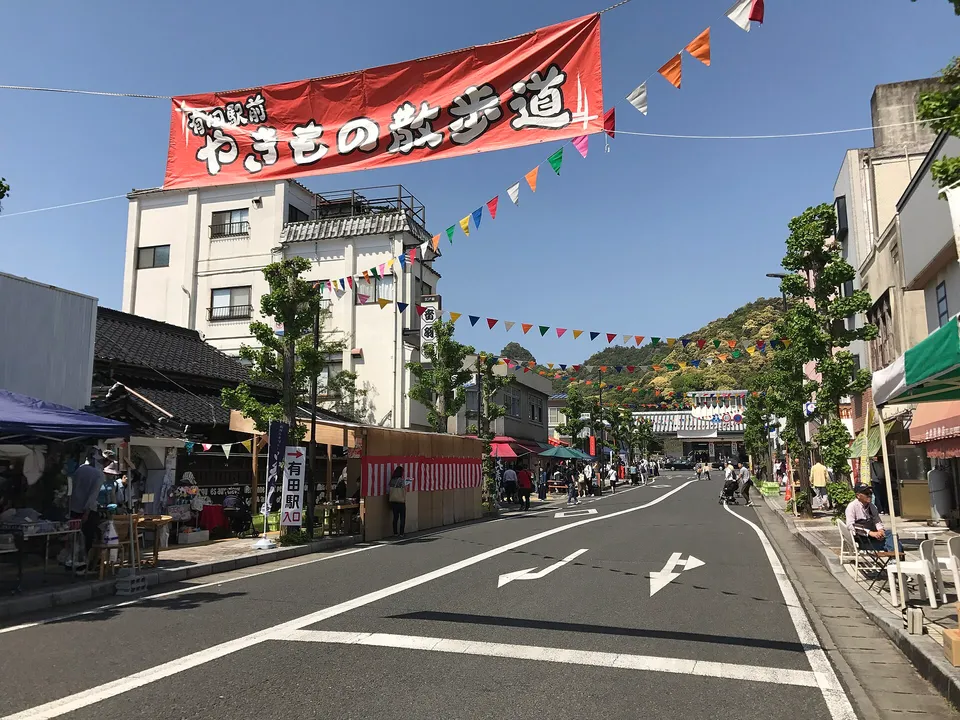


Saga beef (Saga-gyu)
Premium Wagyu raised exclusively in Saga, prized for fine marbling and melt-in-the-mouth texture; served as steak, sukiyaki or shabu-shabu.
 Must-eat
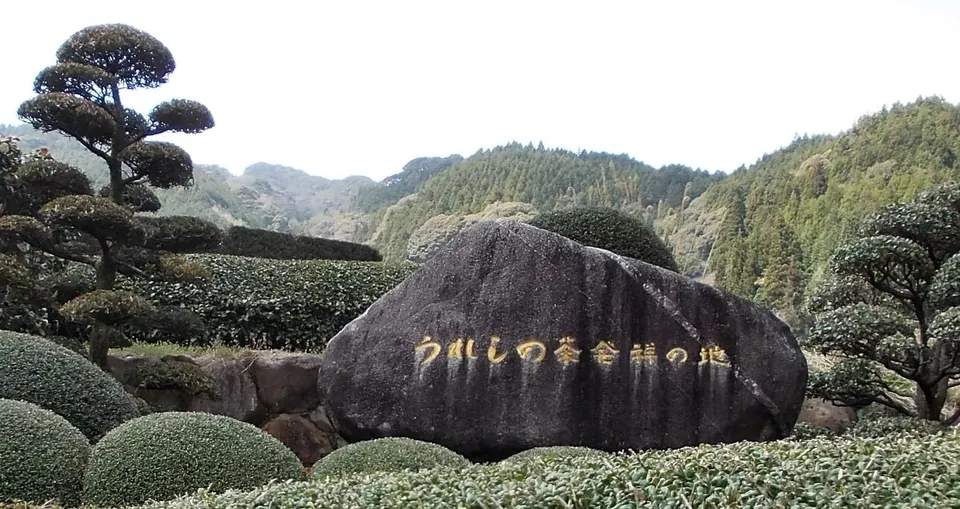
Ureshino tea (Ureshino-cha)
Distinctive curled-leaf green tea grown in the Ureshino basin for ~500 years, with rich aroma and a bittersweet profile.
 Local secret
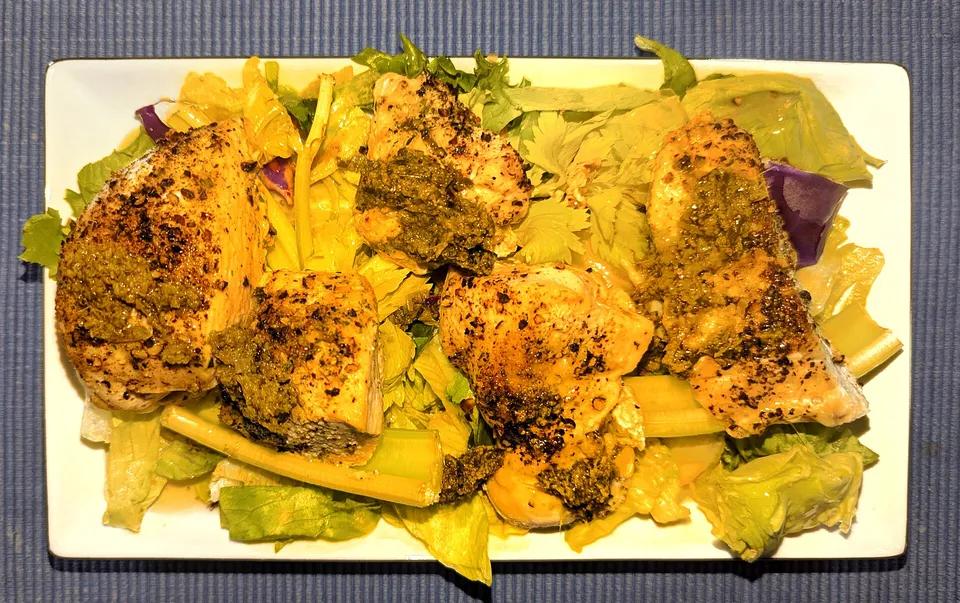
Sicilian rice (Shishirian raisu)
Quirky Saga City yoshoku dish created around 1977: rice topped with sauteed meat, fresh salad and mayonnaise. Local comfort food rarely found elsewhere.
Saga at a glance
Next door
Links marked PR are affiliate links: if you book through them we may earn a commission at no extra cost to you. Photos: Arita — drayy via Flickr, CC BY-SA 2.0 · Yutoku Inari Shrine — そらみみ via Wikimedia Commons, CC BY-SA 4.0 · Yoshinogari Historical Park — そらみみ via Wikimedia Commons, CC BY-SA 4.0 · Arita — Fæ via Flickr, CC BY 2.0 · Okawachiyama — Akiyoshi's Room via Wikimedia Commons, Public domain · Yutoku Inari Shrine — そらみみ via Wikimedia Commons, CC BY-SA 4.0 · Yoshinogari Historical Park — そらみみ via Wikimedia Commons, CC BY-SA 4.0 · Arita — そらみみ via Wikimedia Commons, CC BY-SA 4.0 · Ureshino tea — STA3816 via Wikimedia Commons, CC BY-SA 3.0 · Sicilian rice — Daderot via Wikimedia Commons, CC0. Map: Geolonia (MIT).


