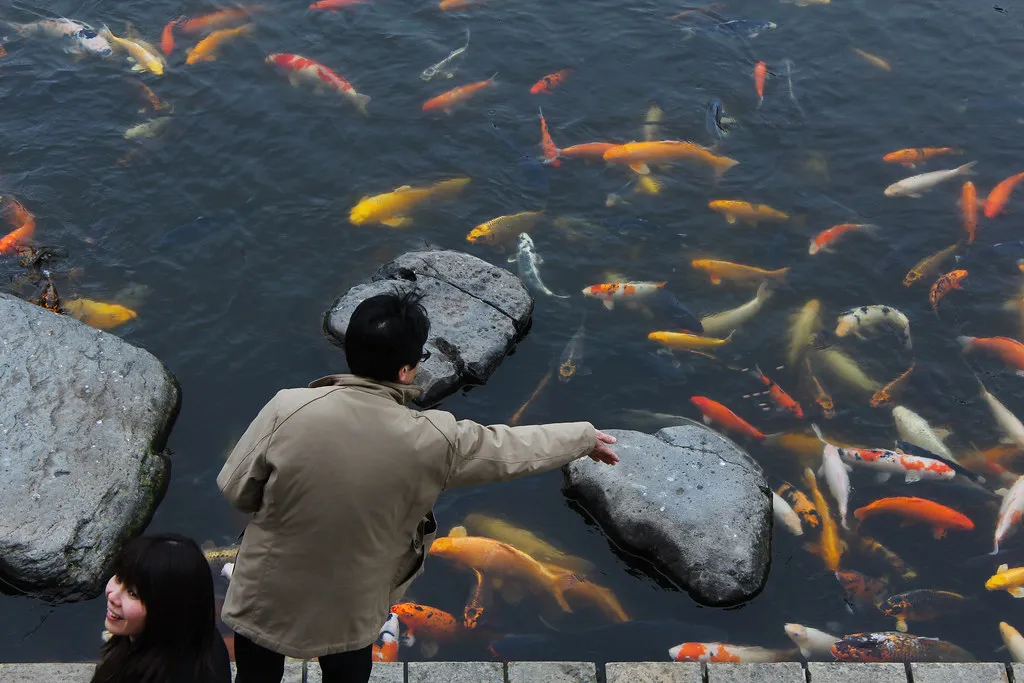
Nagasaki was Japan's main window to the outside world during the Edo-era isolation, and its hilly harbor city blends Dutch, Chinese and Christian heritage with sobering atomic-bomb memorials. The prefecture also encompasses 594 islands, the most of any in Japan, scattered with hidden-Christian churches and uncrowded beaches.
Nagasaki (長崎) was Japan's only window to the West during its isolation, trading via the man-made island of Dejima (出島). It carries Dutch, Chinese, and Christian heritage — and the memory of 9 August 1945.
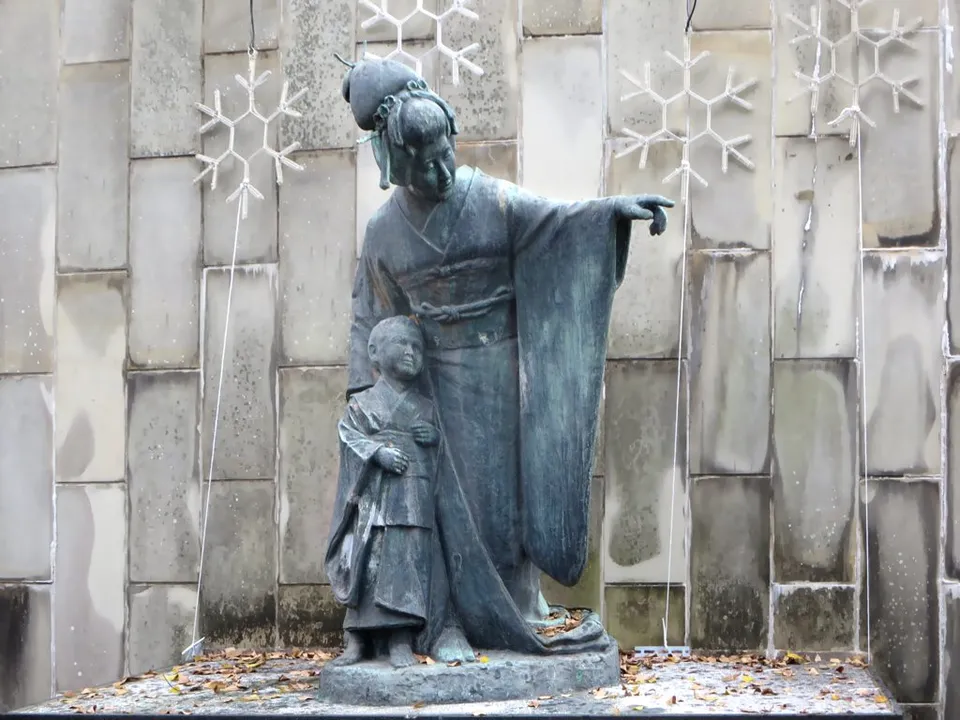
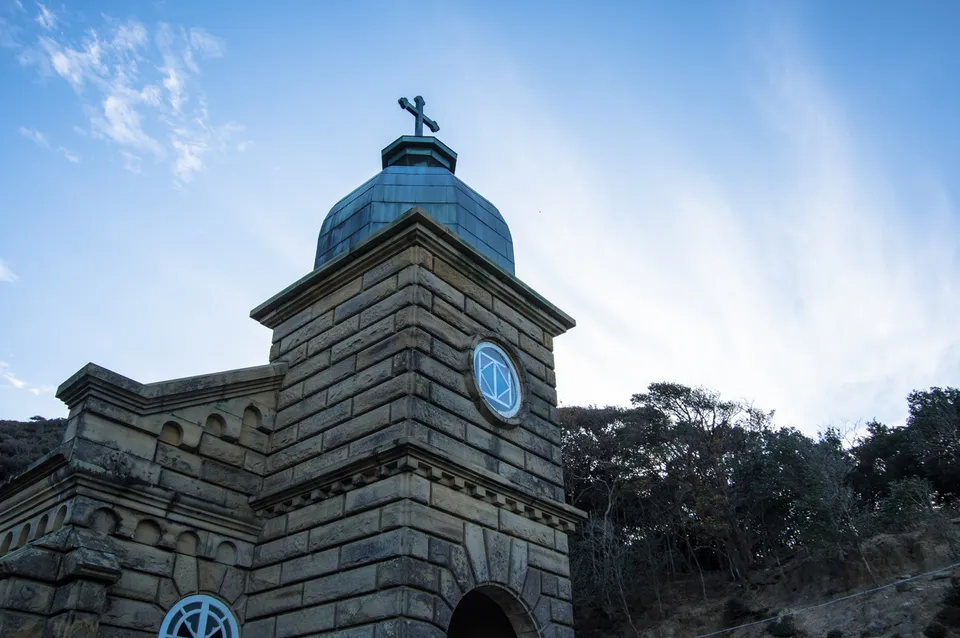
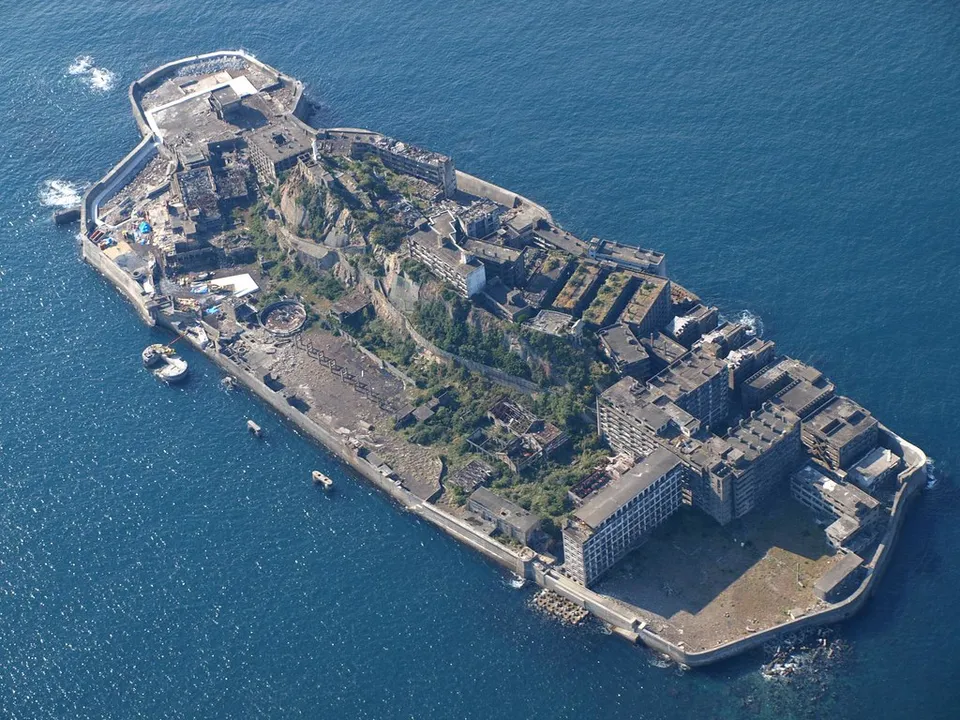
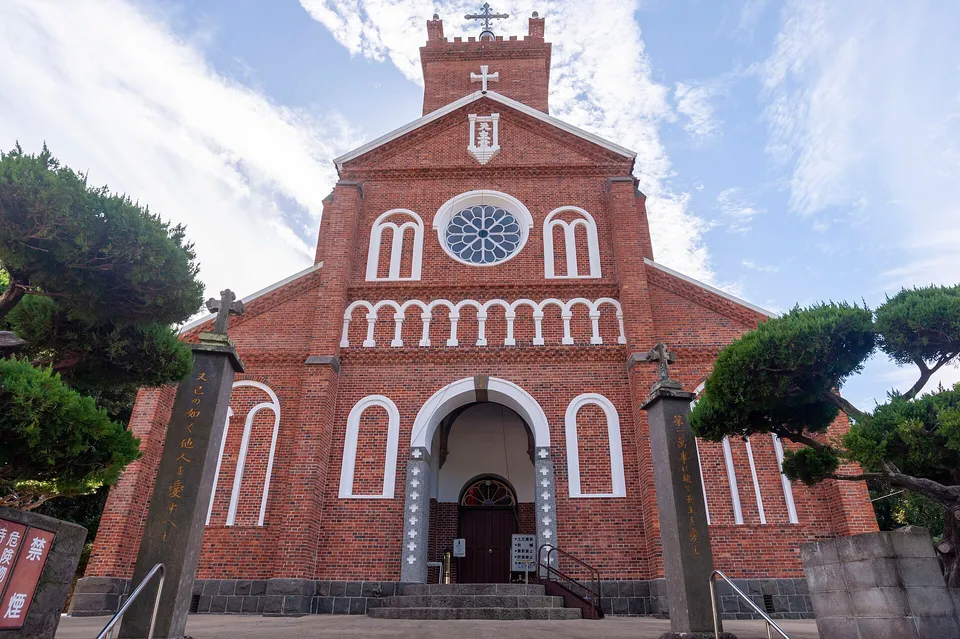
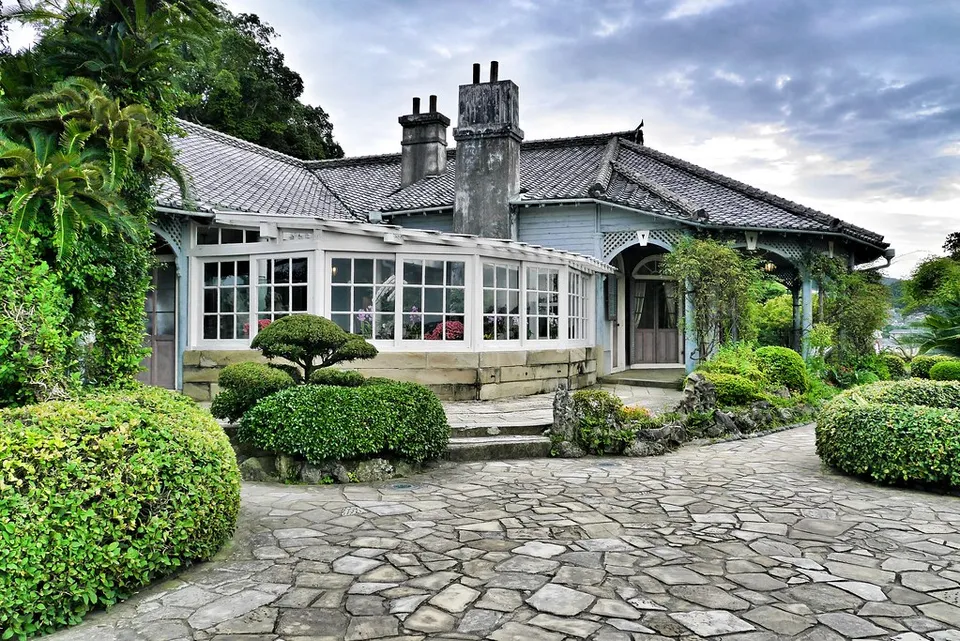
Photos: Glover Garden — D-Stanley via Flickr, CC BY 2.0 · Oura Church — TsuruSho7 via FIND/47, CC BY 4.0 · Gunkanjima — kntrty via Flickr, CC BY 2.0 · Kuroshima Church — Marine-Blue via Wikimedia Commons, CC BY 4.0
Nagasaki is ~1h30m from Fukuoka via the Nishi-Kyūshū Shinkansen + transfer.
 Top pick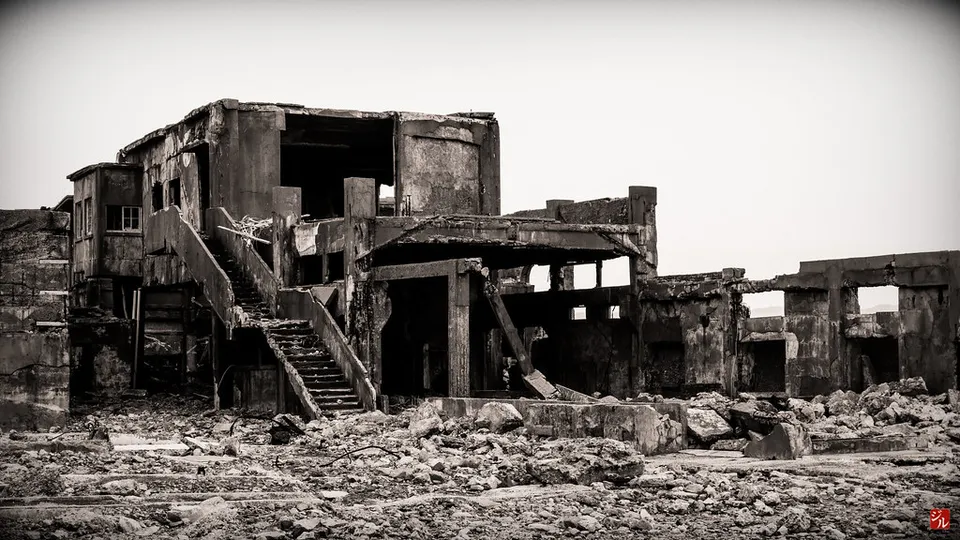

Nagasaki Champon (ちゃんぽん)
Hearty noodle soup in a creamy pork/chicken broth loaded with seafood, pork and vegetables, created at the Chinese restaurant Shikairou in the late Meiji era.…
 Must-eat
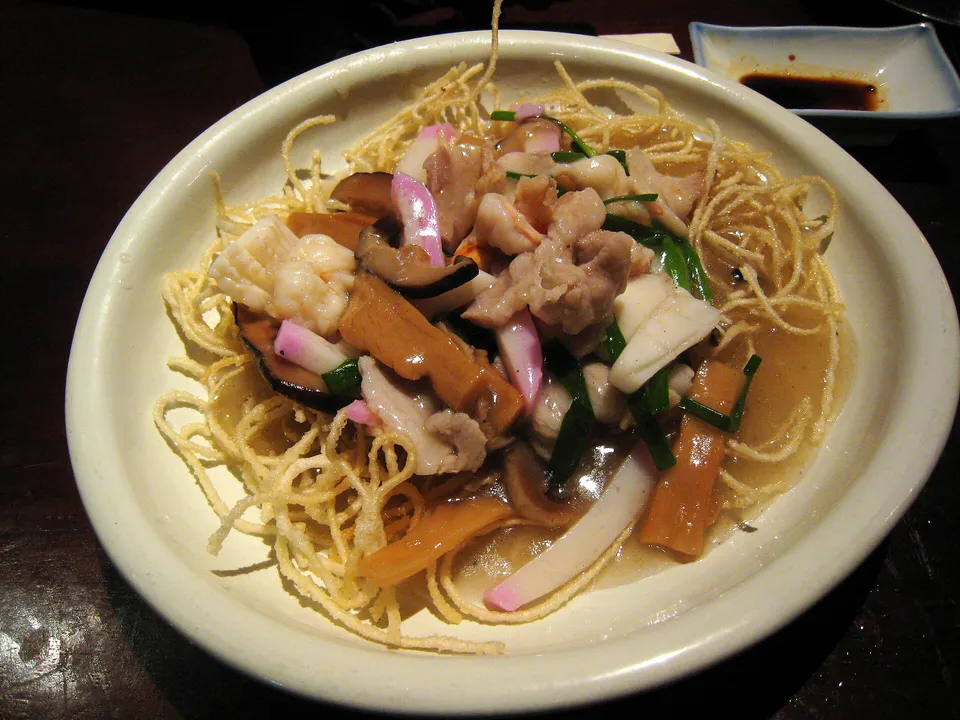
Sara Udon (皿うどん)
A 'plate noodle' relative of champon: crispy fried thin noodles (or soft thick noodles) topped with a thickened seafood-and-vegetable gravy. A Nagasaki staple…
 Must-eat
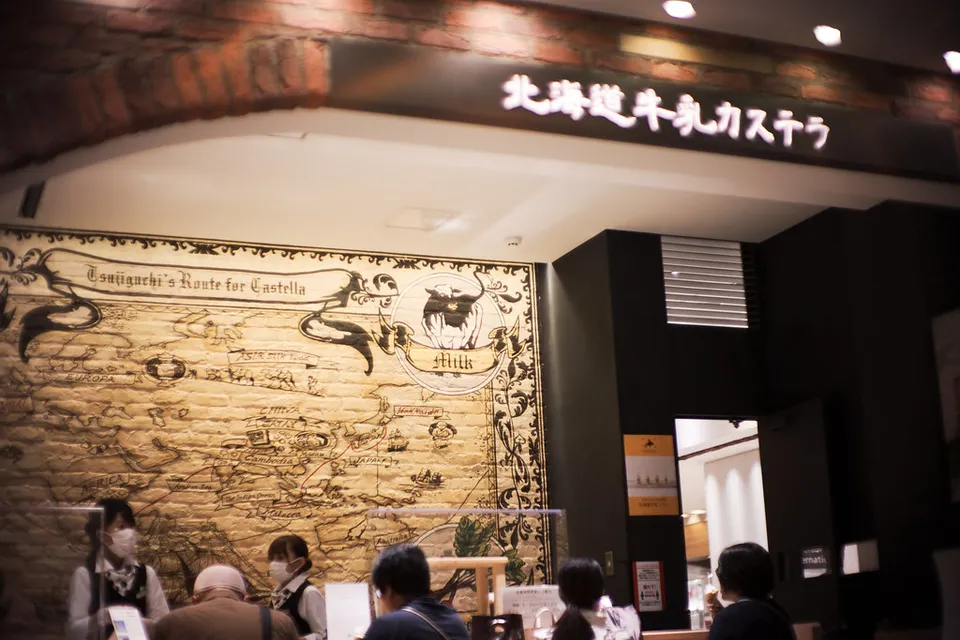
Castella (カステラ)
Moist honey sponge cake brought by Portuguese traders in the 16th century and adapted in Nagasaki; long-running maker Fukusaya dates to 1624.
Nagasaki at a glance
Next door
Links marked PR are affiliate links: if you book through them we may earn a commission at no extra cost to you. Photos: Glover Garden — Japanexperterna.se via Flickr, CC BY-SA 2.0 · Glover Garden — D-Stanley via Flickr, CC BY 2.0 · Oura Church — TsuruSho7 via FIND/47, CC BY 4.0 · Gunkanjima — kntrty via Flickr, CC BY 2.0 · Kuroshima Church — Marine-Blue via Wikimedia Commons, CC BY 4.0 · Glover Garden — travel oriented via Flickr, CC BY-SA 2.0 · Gunkanjima — www.gilpivert.fr via Flickr, CC BY 2.0 · Sara Udon — Charles Haynes from Japanese restaurant Harima (播磨) in Bangalore, Karnataka, India via Wikimedia Commons, CC BY-SA 2.0 · Castella — MIKI Yoshihito. (#mikiyoshihito) via Flickr, CC BY 2.0. Map: Geolonia (MIT).
