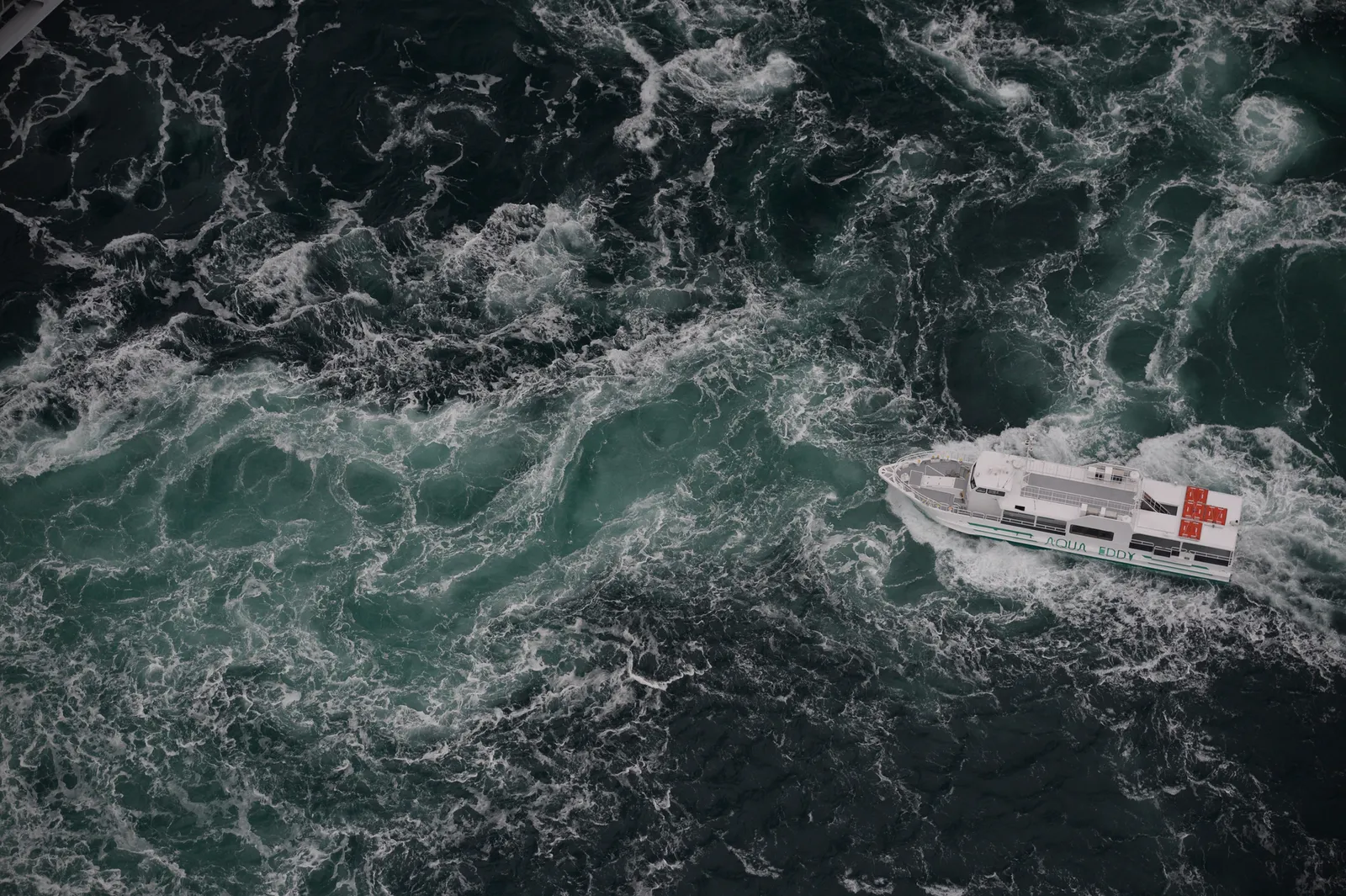
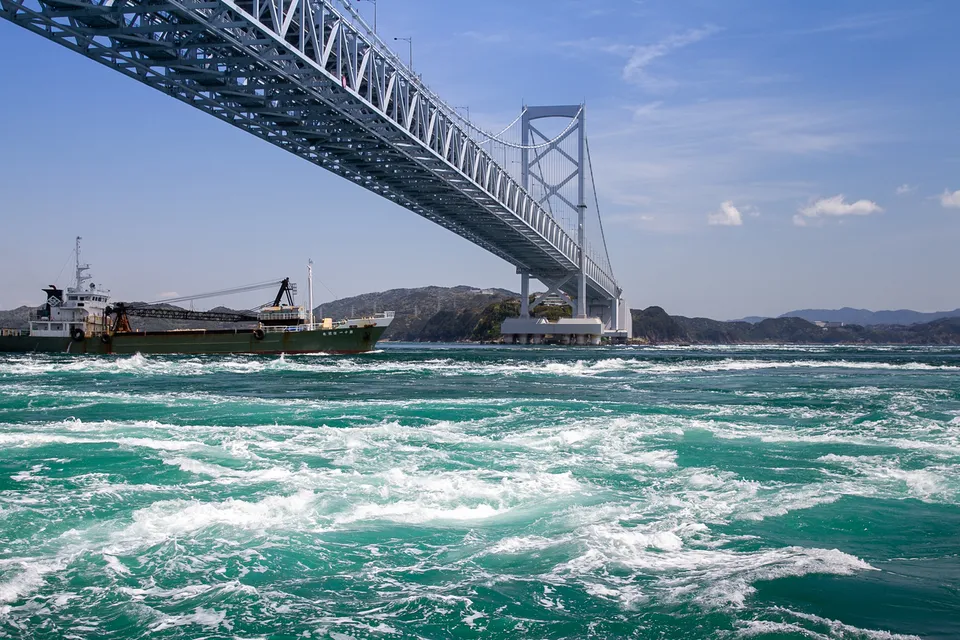
Tokushima, on the eastern side of Shikoku, is famous for the 400-year-old Awa Odori summer dance festival and the powerful Naruto whirlpools in the strait facing Awaji Island. Its mountainous interior hides the remote Iya Valley and its thrilling vine suspension bridges.
Tokushima (徳島) is the home of Awa Odori (阿波踊り), a 400-year-old dance festival, and of the Naruto (鳴門) whirlpools, among the largest tidal whirlpools in the world.
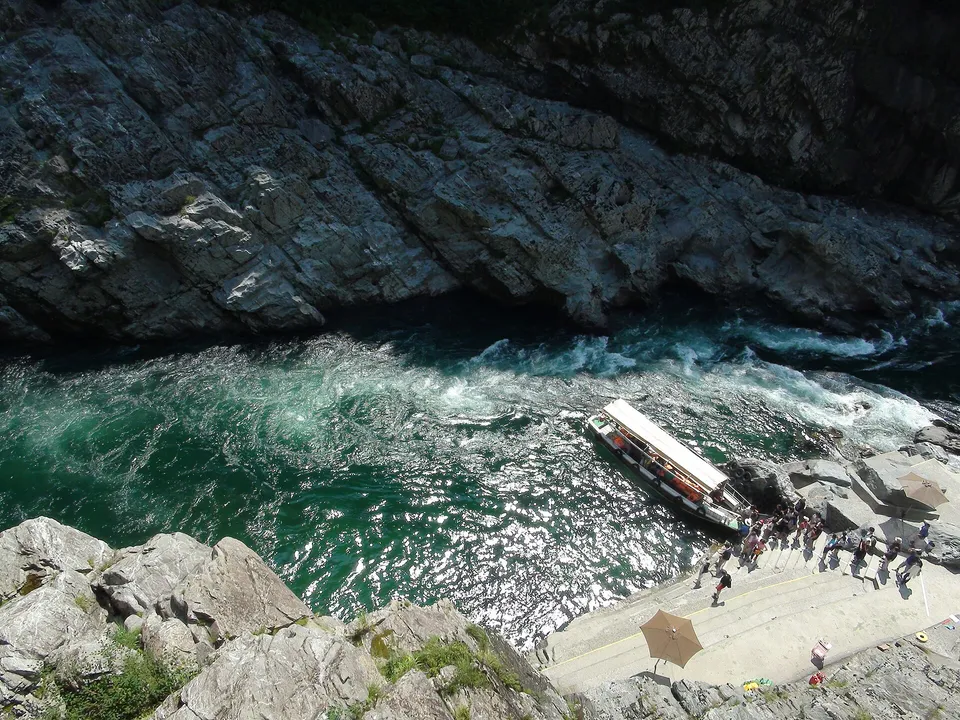
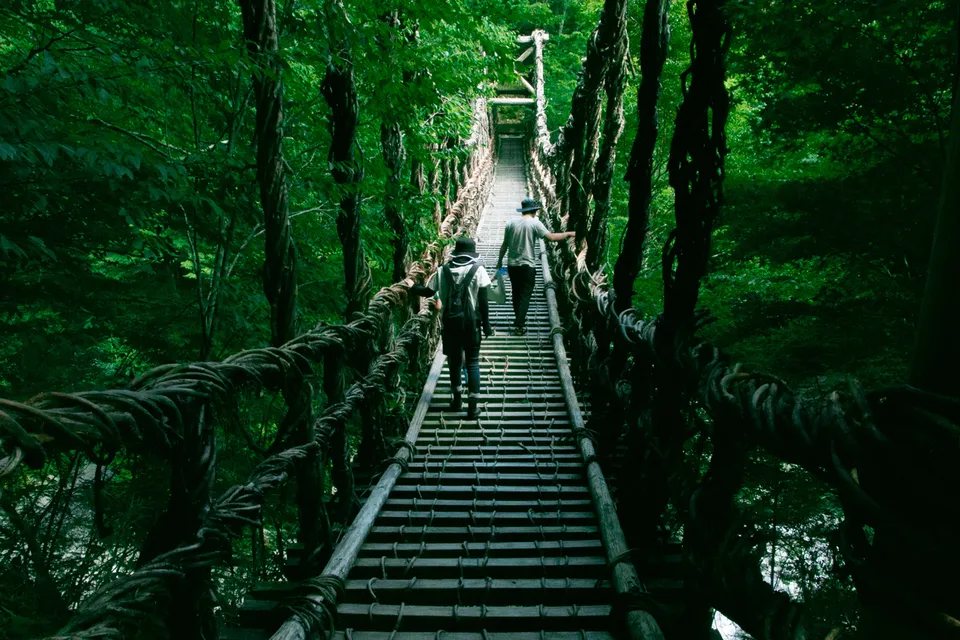
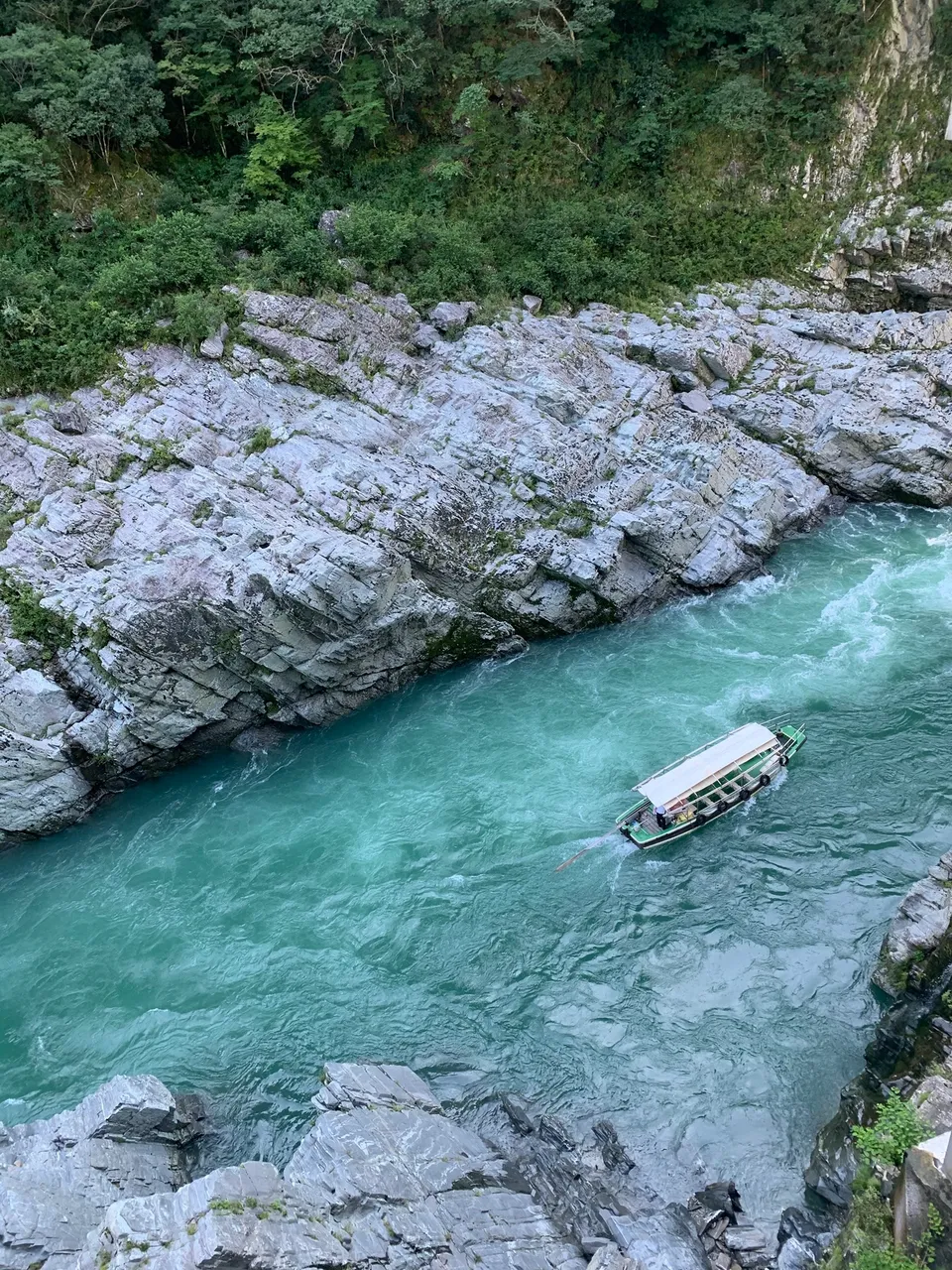
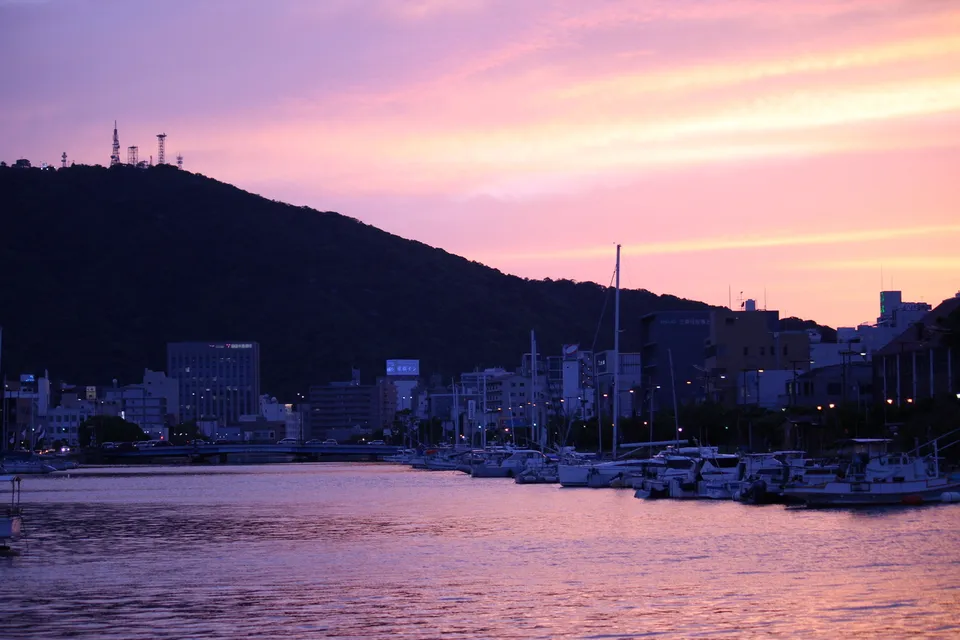
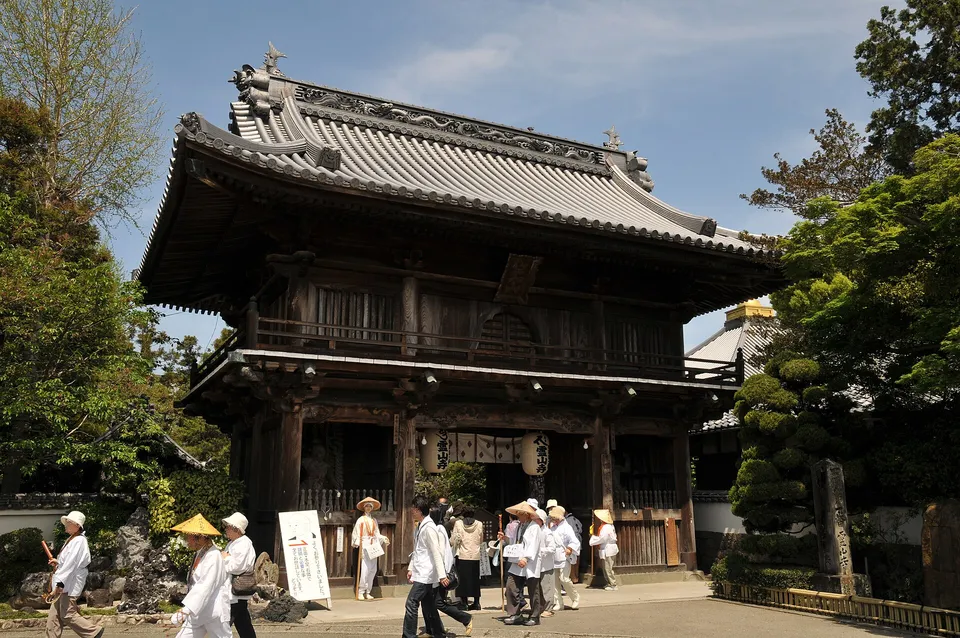
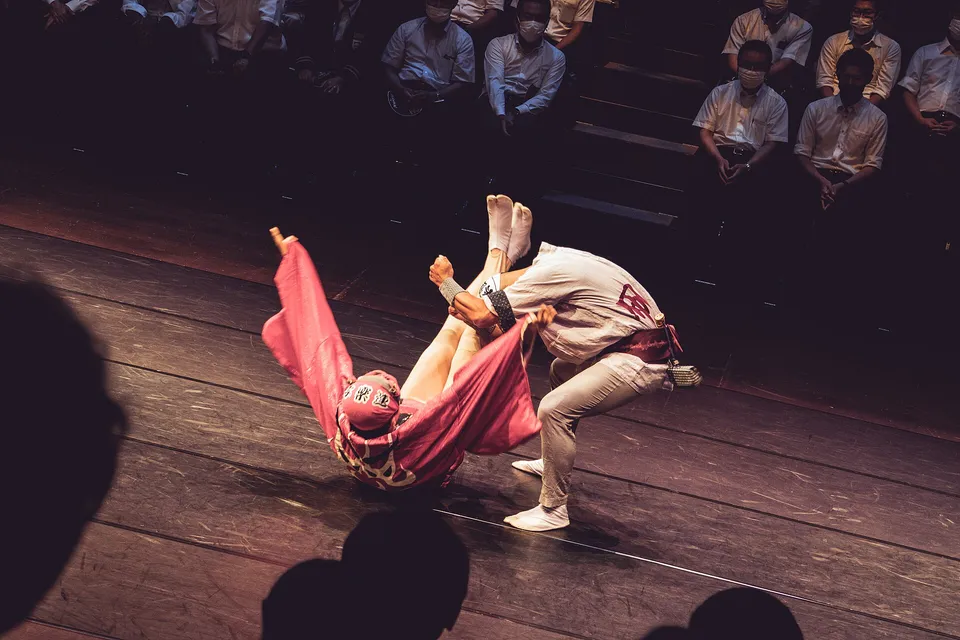
Photos: Oboke Gorge sightseeing boat — さかおり via Wikimedia Commons, CC BY-SA 4.0 · Iya Kazurabashi vine bridge — Kensuke_Nakaya via FIND/47, CC BY 4.0 · Oboke Gorge on the Yoshino River — FIND/47 contributor via FIND/47, CC BY 4.0 · Tokushima city from Mount Bizan — Kyle_TK via FIND/47, CC BY 4.0 · Ryōzen-ji, temple no. 1 of the Shikoku pilgrimage — Reggaeman via Wikimedia Commons, CC BY-SA 3.0 · Awa Odori dancers — Yevtushuk Victor via Wikimedia Commons, CC BY-SA 4.0
Times: airline timetables and JR Shikoku / Honshi Bus published schedules (checked 2026-08). Get a Japan eSIM before you fly (PR)
 Top pick
 Top pick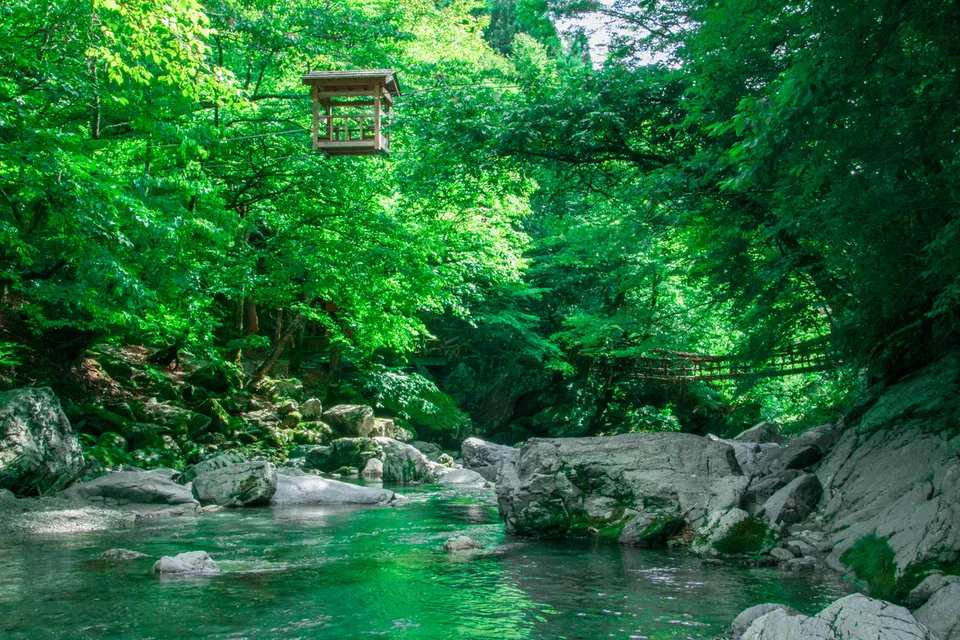


Spot guides
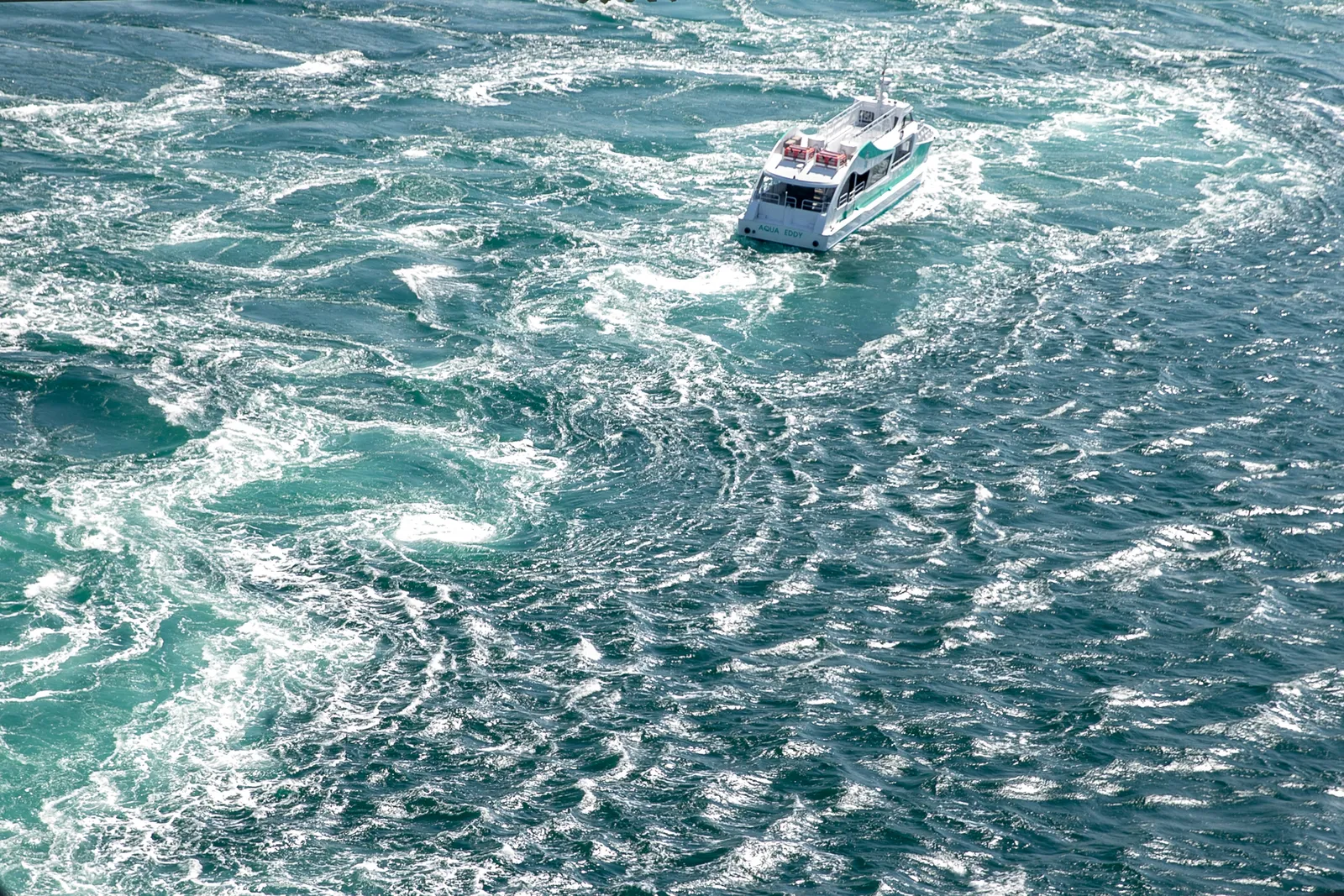 Natural wonder
Naruto Whirlpools 鳴門の渦潮
Tidal whirlpools you can stand above — or sail into.
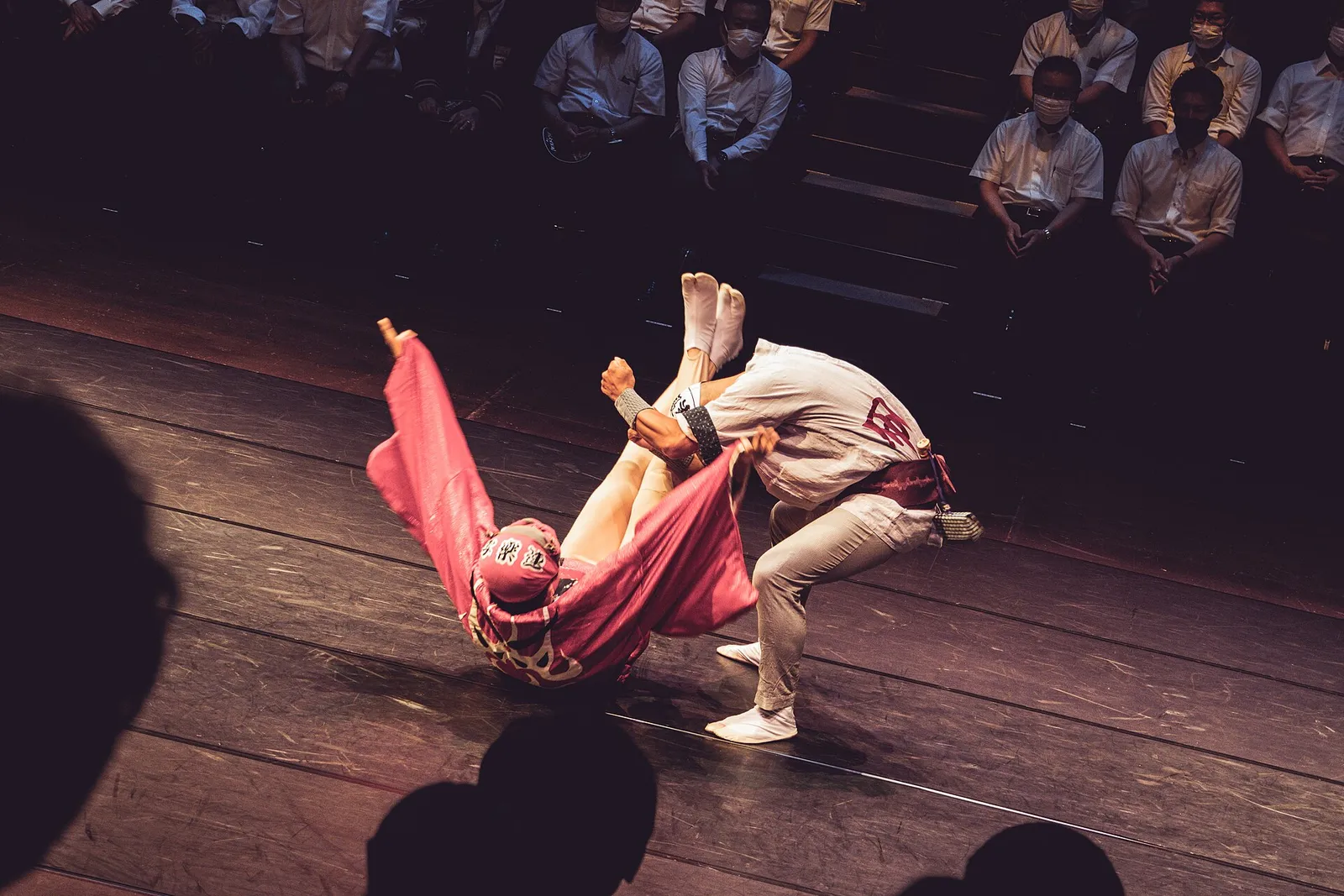 Living tradition
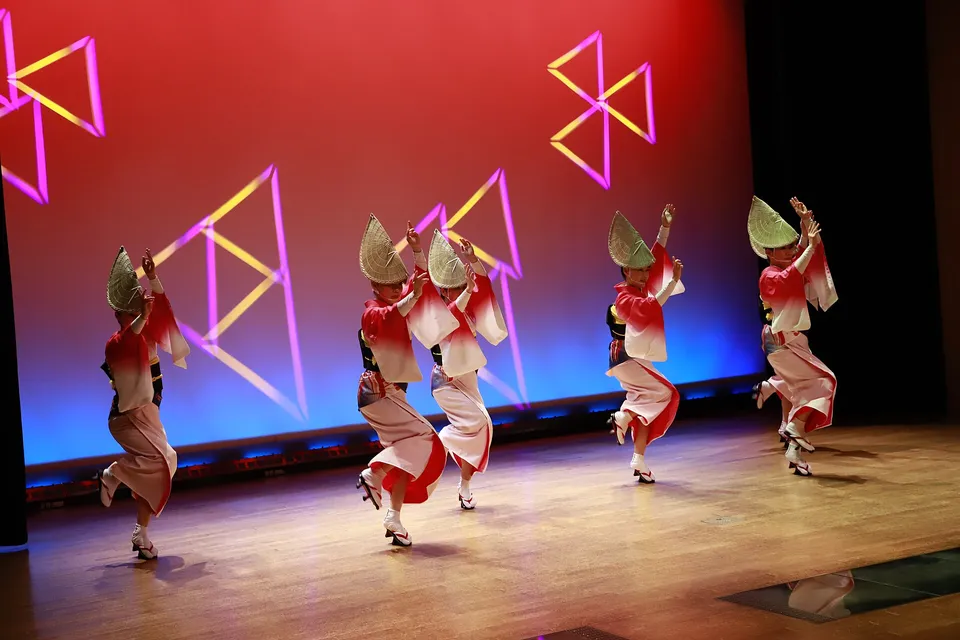
Awa Odori Kaikan 阿波おどり会館
The 400-year-old dance you can watch every day, not just in August.
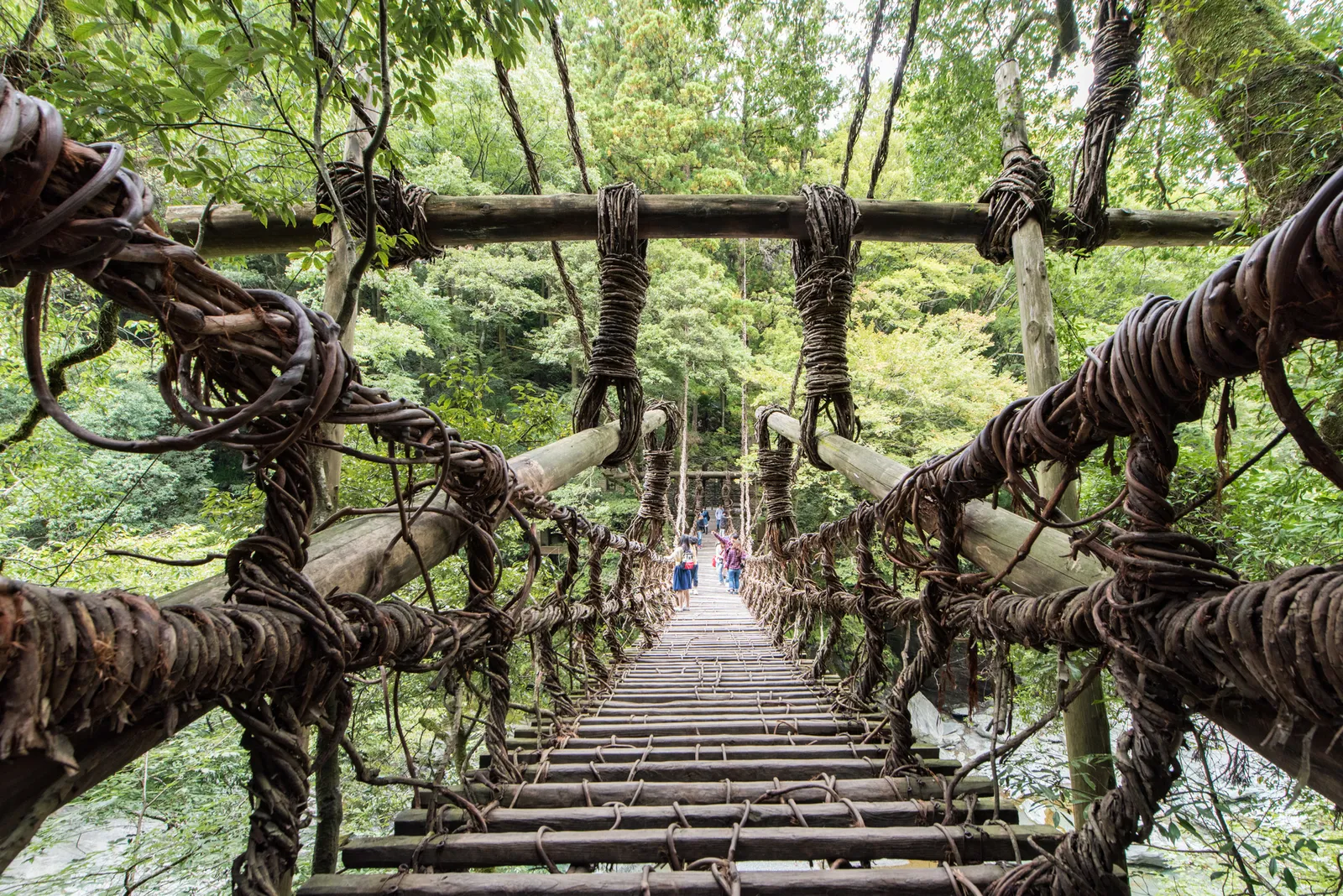 Hidden valley
Iya Kazurabashi 祖谷のかずら橋
A bridge woven from mountain vines, deep in a valley the road forgot.
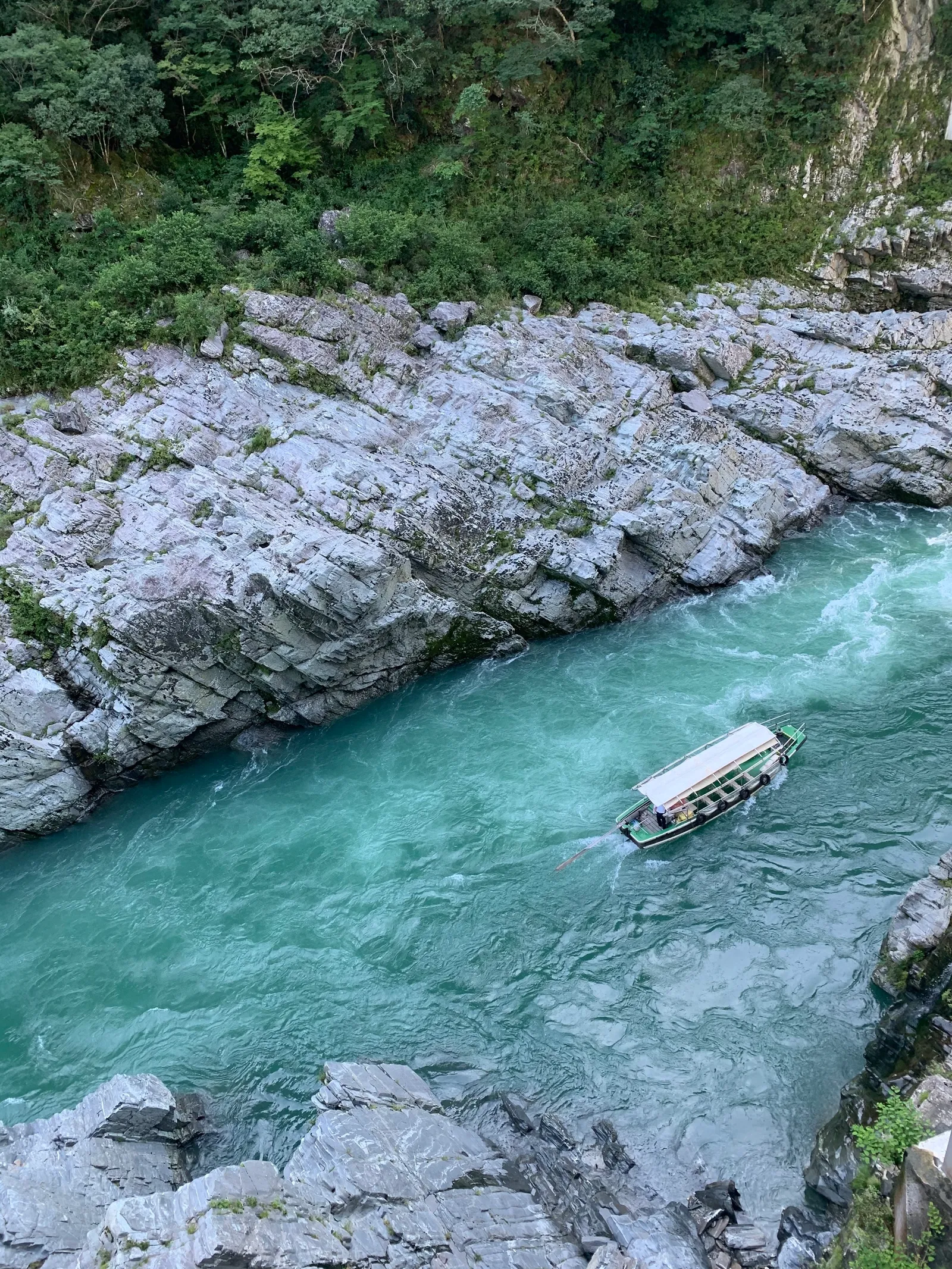 River gorge
Oboke Gorge 大歩危
Marble cliffs, jade water, and a boat that takes you into both.
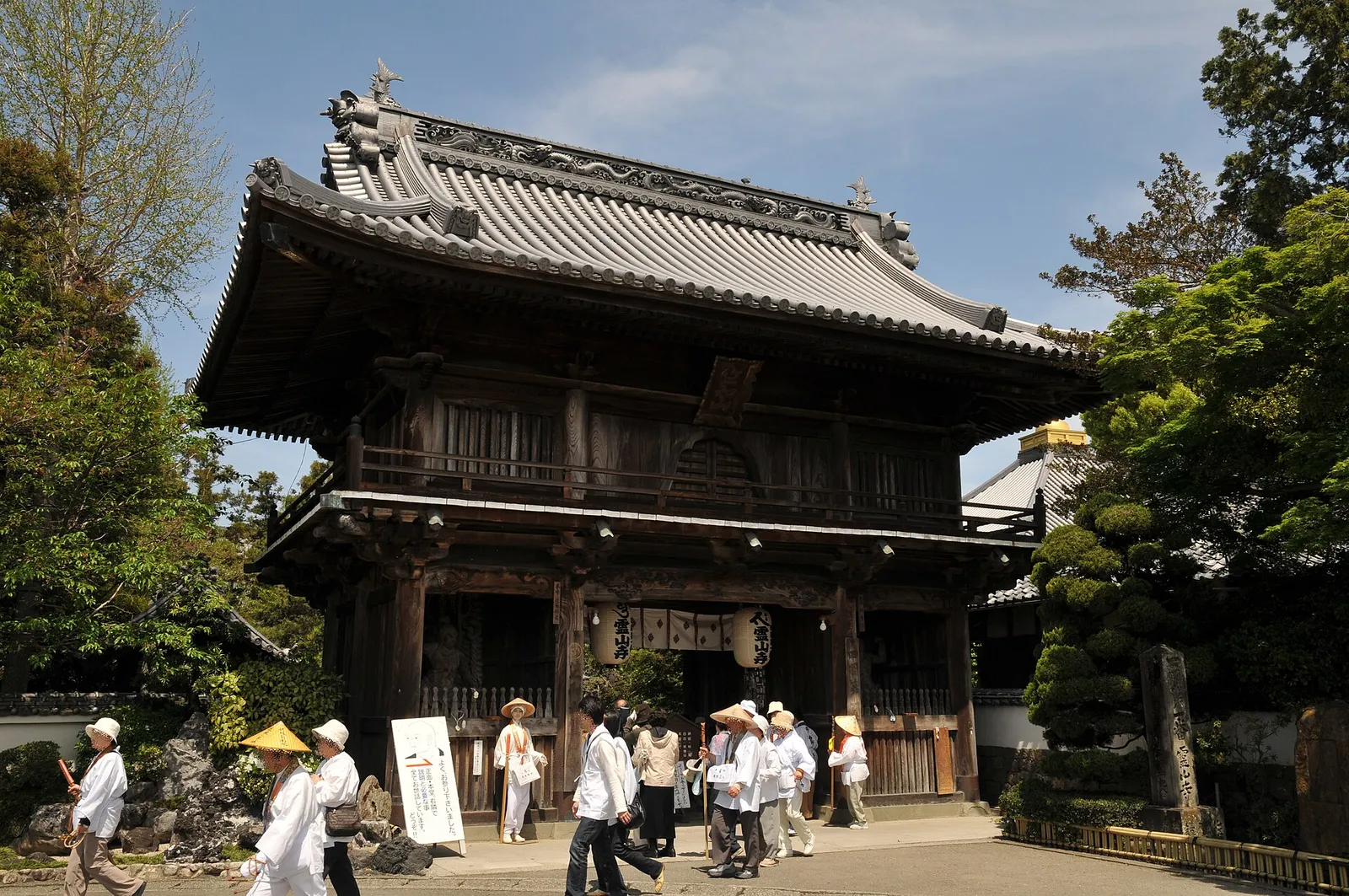 Pilgrimage no. 1
Ryōzen-ji 霊山寺
Where the 88-temple Shikoku pilgrimage begins.
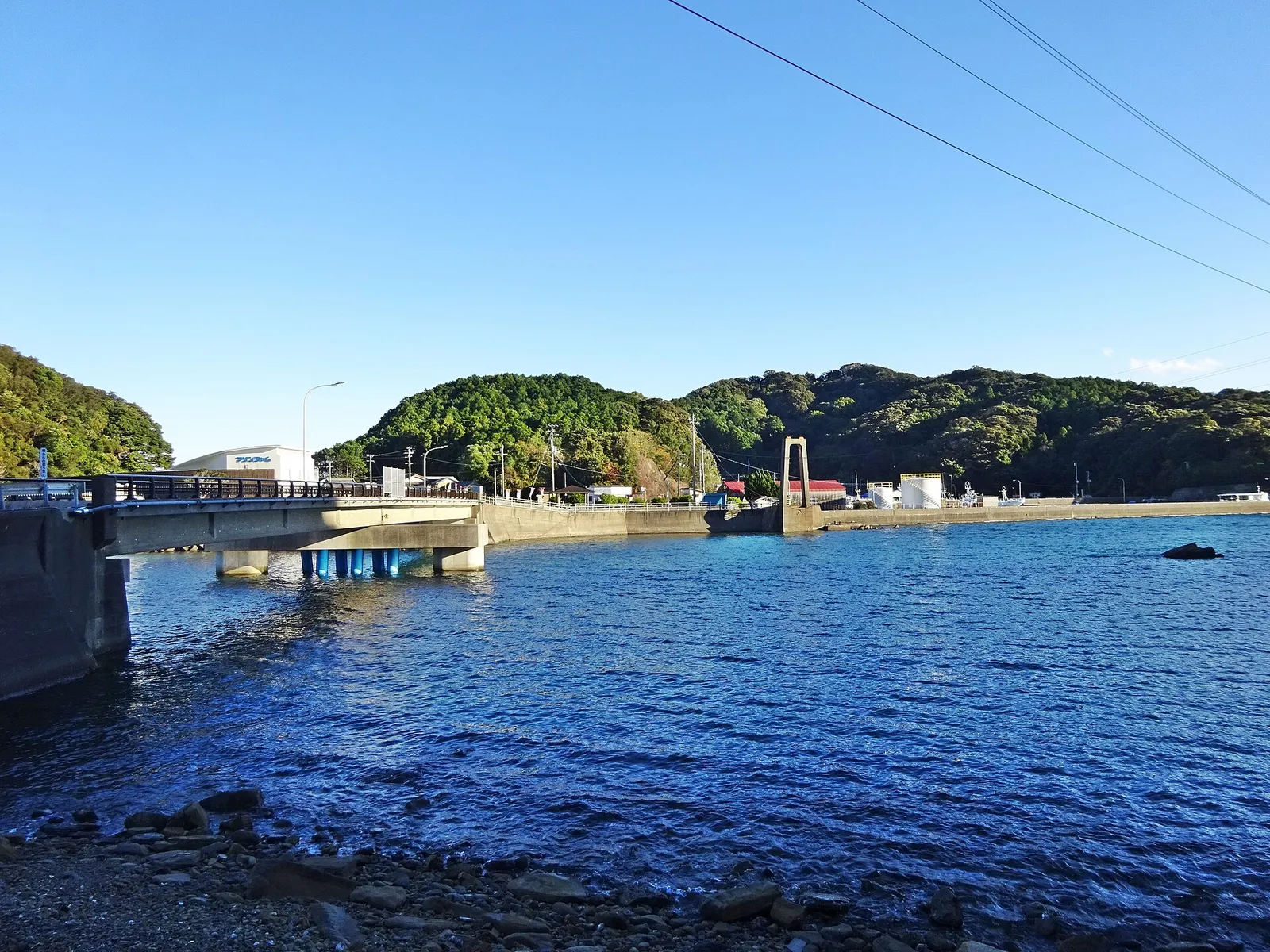
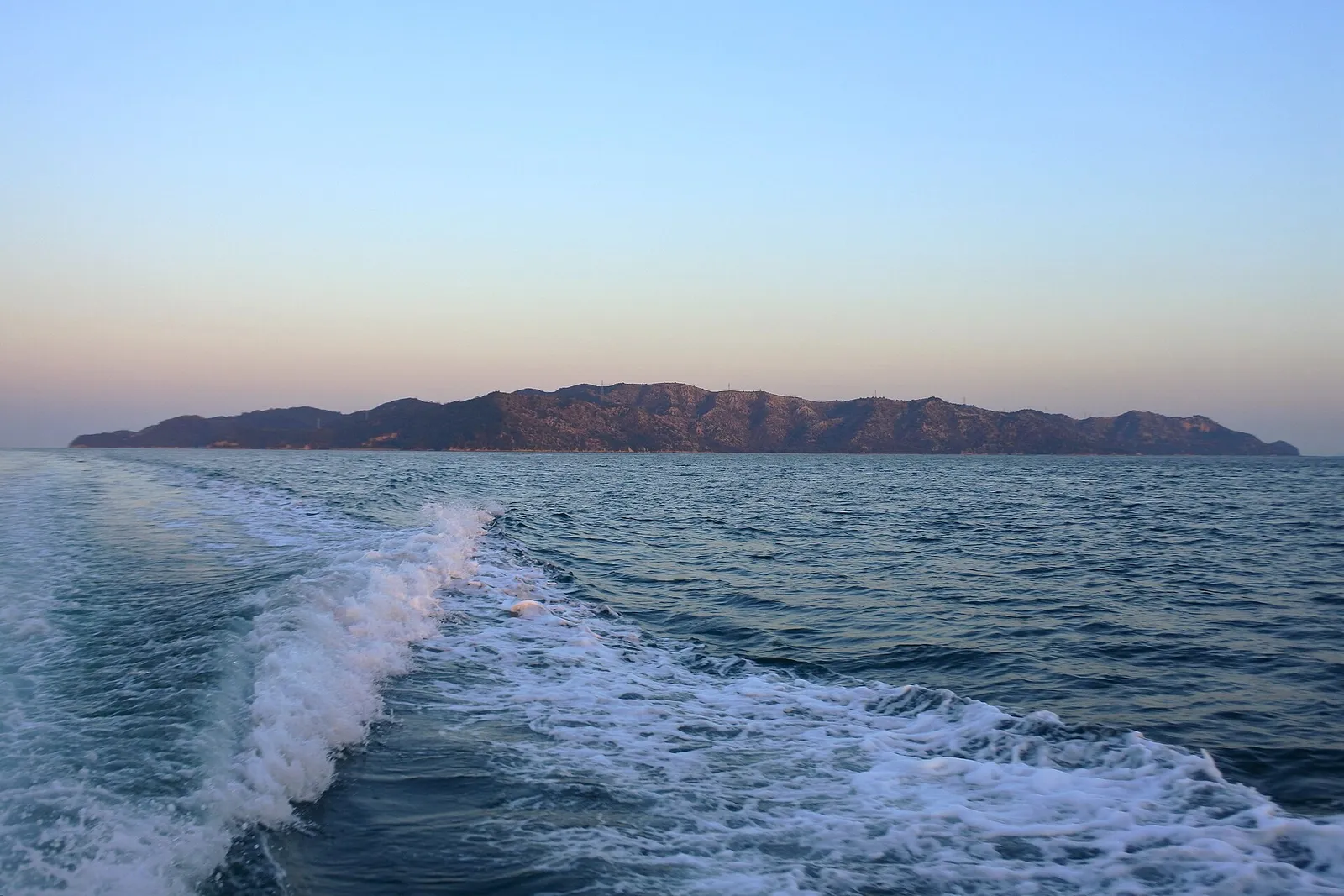 Inhabited island
Ishima 伊島
A fishing island in the Kii Channel with no cars and 165 people.
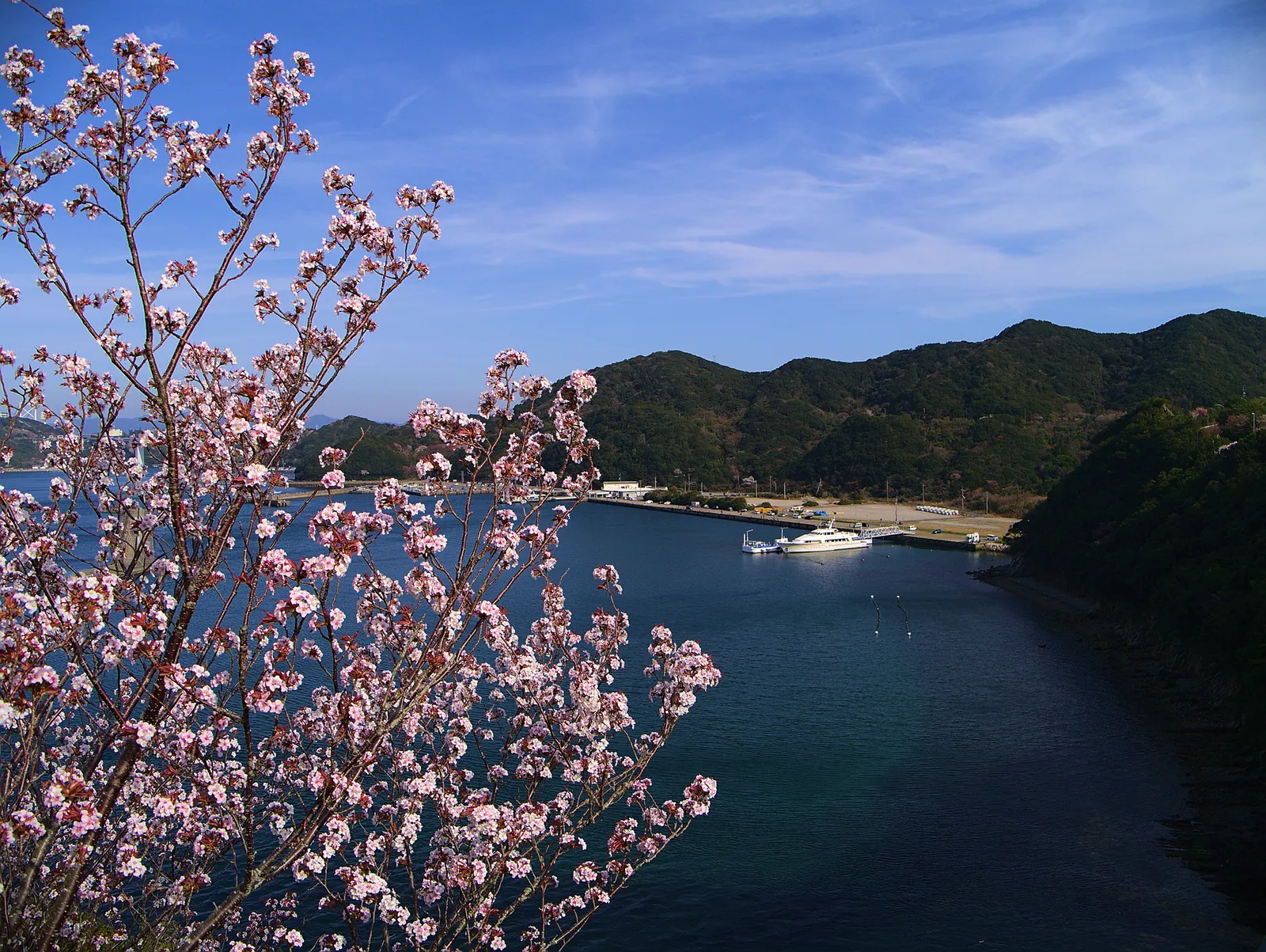
 Inhabited island
Takegashima 竹ヶ島
A tuna-fishing island you can drive to, with clownfish under the pier.
 Inhabited island
Shimadajima 島田島
The quiet farm-and-fishing island next door to the whirlpools.
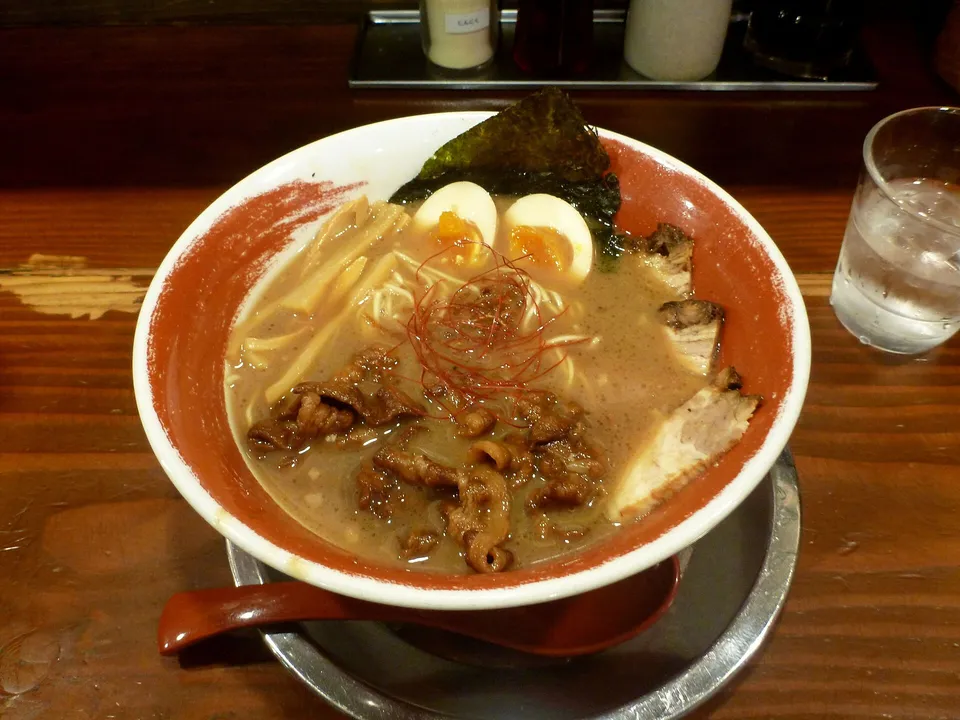 Must-eat
Tokushima Ramen
Rich soy-pork-bone broth topped with sweet-savory stewed pork belly and often a raw egg; comes in white/brown/yellow stock styles tied to different areas of…
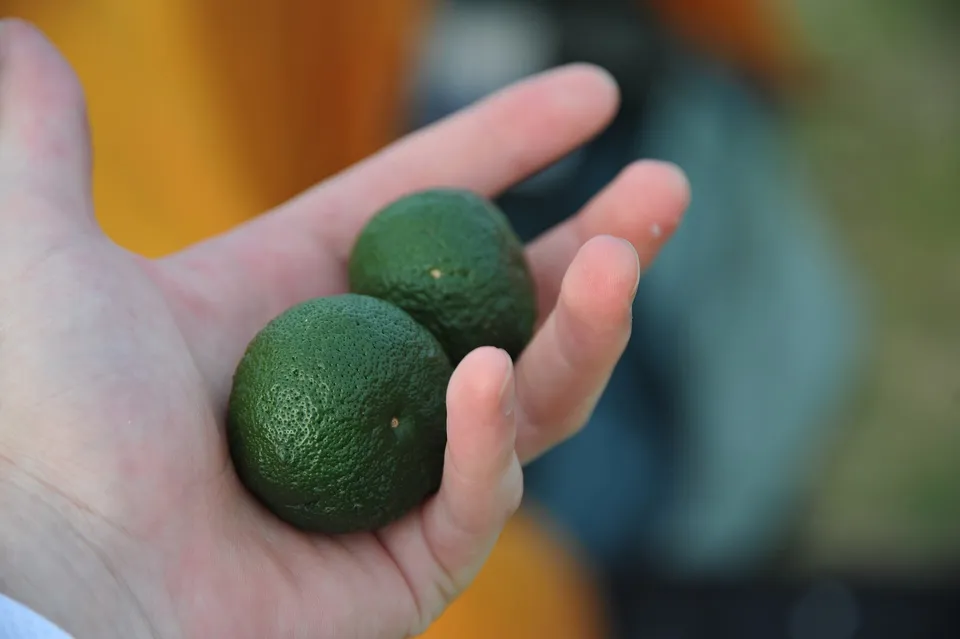 Must-eat
Sudachi
Small green aromatic citrus; about 98% of Japan's sudachi is grown in Tokushima, used as a fragrant lemon-like accent on dishes and drinks.
 Must-eat
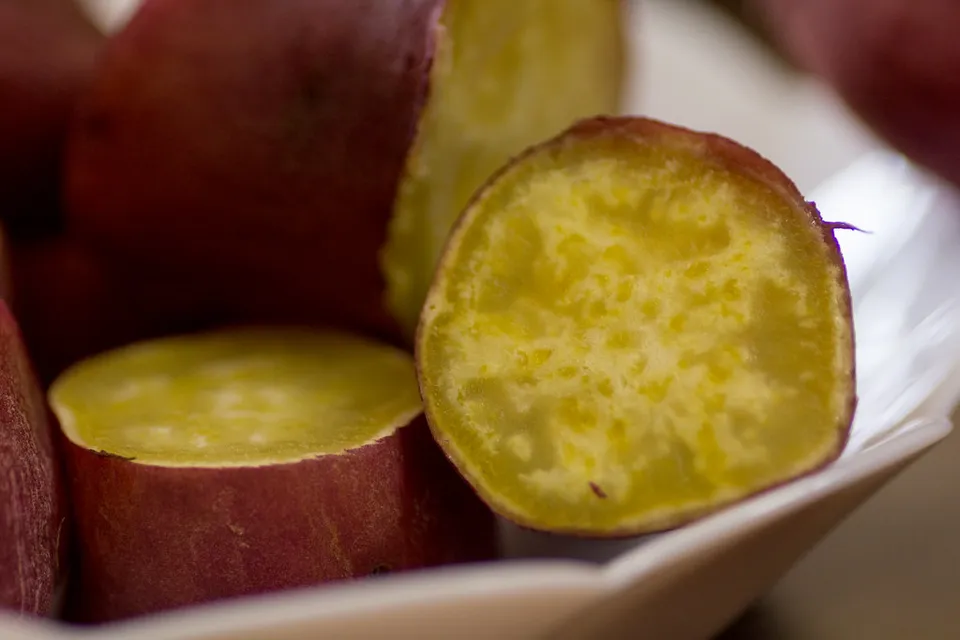
Naruto Kintoki sweet potato / Naruto sea bream
Naruto Kintoki sweet potatoes are prized for natural sweetness; Naruto-dai (sea bream) grows firm-textured in the strait's fast currents.
Tokushima in numbers
Sources: Rent, small flat — e-Stat Housing and Land Survey 2023 · Bowl of ramen — e-Stat Retail Price Survey, Aug 2024 · Average temperature — Japan Meteorological Agency · Awa Odori crowd — JNTO / Tokushima City · Sudachi grown here — JNTO / Tokushima Prefecture.
Common questions
Is Tokushima worth visiting?
Yes if you like nature and festivals more than shopping. The Naruto whirlpools, the Iya Valley vine bridges and Awa Odori are all things you cannot see anywhere else in Japan.
How many days do I need?
Two days covers Naruto and the city; add one or two more for the Iya Valley and Oboke Gorge, which are a 1.5–2 hour drive inland.
When are the whirlpools biggest?
Around spring and autumn spring-tides, roughly an hour either side of the published peak time. Check the tide table before you buy a boat ticket.
Next door
Links marked PR are affiliate links: if you book through them we may earn a commission at no extra cost to you. Photos: Naruto whirlpools — panpanzupan via FIND/47, CC BY 4.0 · Oboke Gorge sightseeing boat — さかおり via Wikimedia Commons, CC BY-SA 4.0 · Iya Kazurabashi vine bridge — Kensuke_Nakaya via FIND/47, CC BY 4.0 · Oboke Gorge on the Yoshino River — FIND/47 contributor via FIND/47, CC BY 4.0 · Tokushima city from Mount Bizan — Kyle_TK via FIND/47, CC BY 4.0 · Ryōzen-ji, temple no. 1 of the Shikoku pilgrimage — Reggaeman via Wikimedia Commons, CC BY-SA 3.0 · Awa Odori dancers — Yevtushuk Victor via Wikimedia Commons, CC BY-SA 4.0 · Awa Odori Kaikan — Mason tang photography via Wikimedia Commons, CC BY-SA 4.0 · Naruto whirlpools and the Onaruto Bridge — m_someya via FIND/47, CC BY 4.0 · Iya Valley — Kensuke_Nakaya via FIND/47, CC BY 4.0 · Tokushima ramen — Kzaral via Wikimedia Commons, CC BY 2.0 · Sudachi citrus — Takeshi Kuboki from Amagasaki, Japan via Wikimedia Commons, CC BY 2.0 · Naruto Kintoki sweet potato — t-mizo via Flickr, CC BY 2.0. Map: Geolonia (MIT).


.jpg)