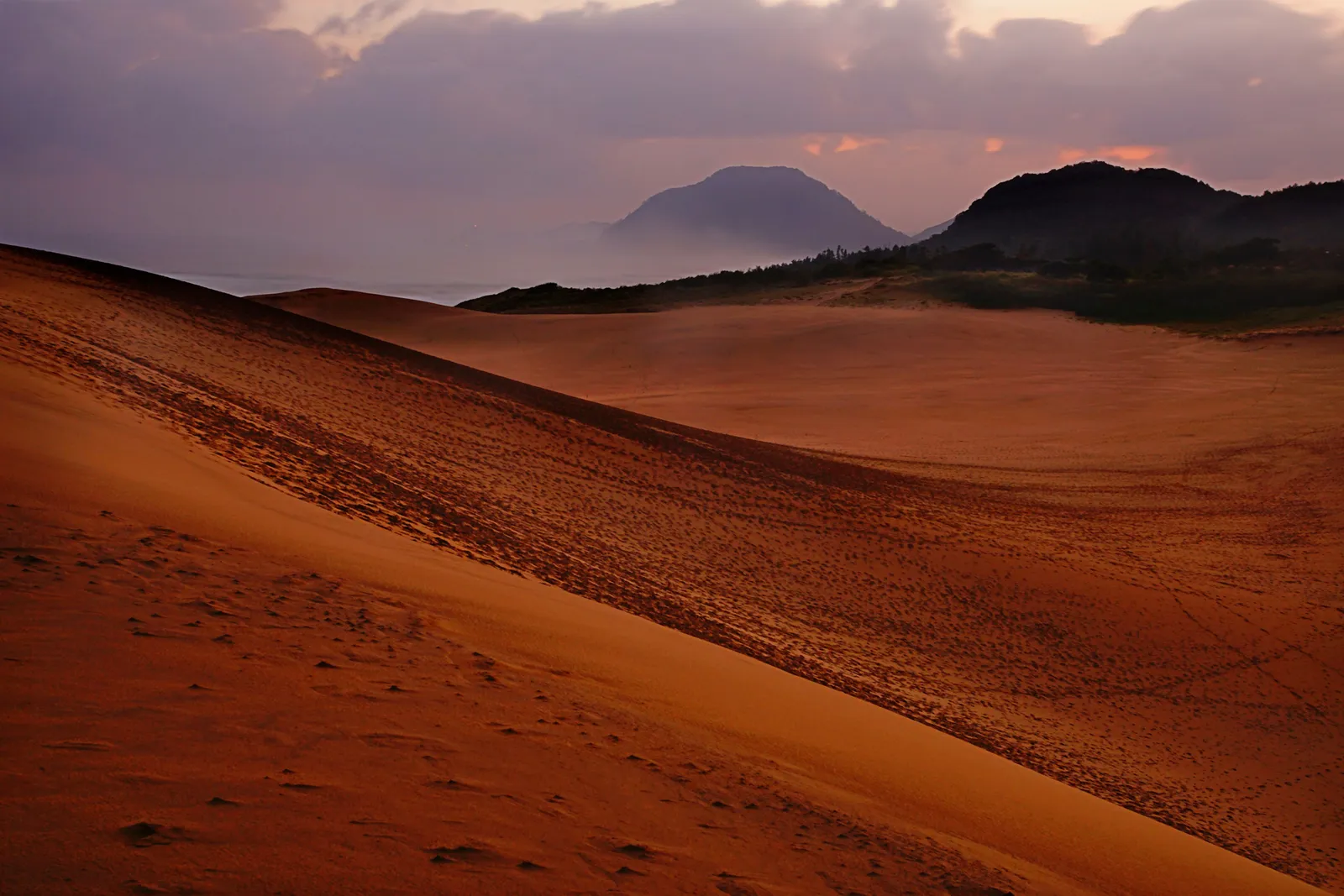
Tottori is Japan's least-populous prefecture, hugging the Sea of Japan coast in the Chugoku region and famous above all for the Tottori Sand Dunes, a 16-km sweep of golden coastal dunes where you can ride camels or sandboard. Beyond the sand it offers a rugged volcanic peak (Mount Daisen), yokai folklore, and quiet seaside towns.
Tottori (鳥取) is Japan's least-populous prefecture. Its great coastal dunes (砂丘) have formed over 100,000 years from sand carried by the Sendai River and the Sea of Japan.
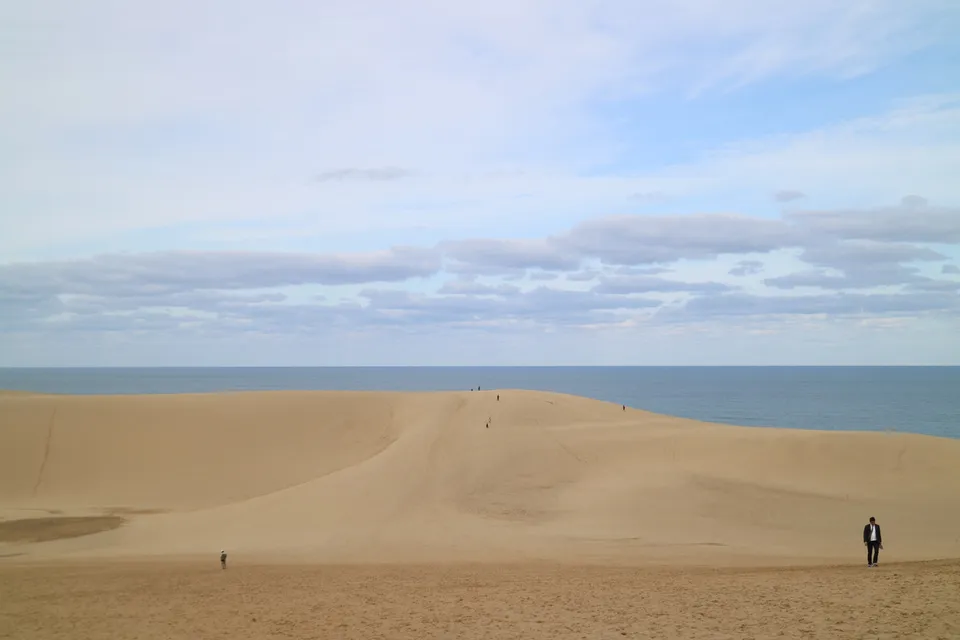
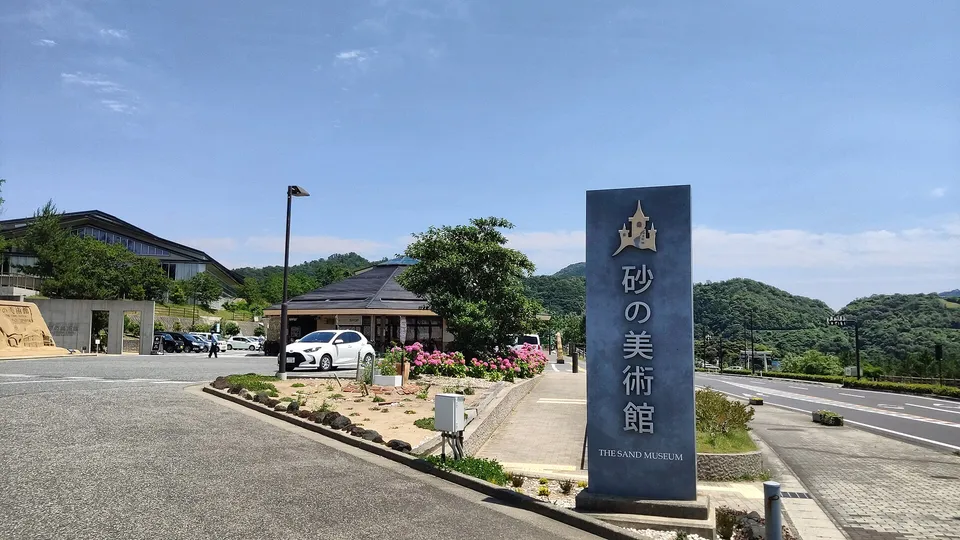
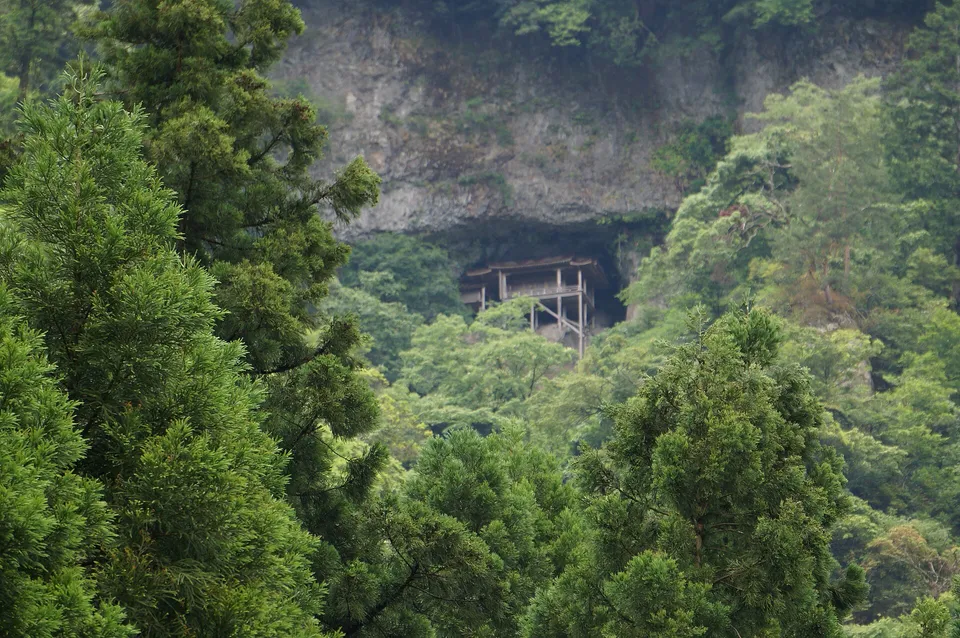
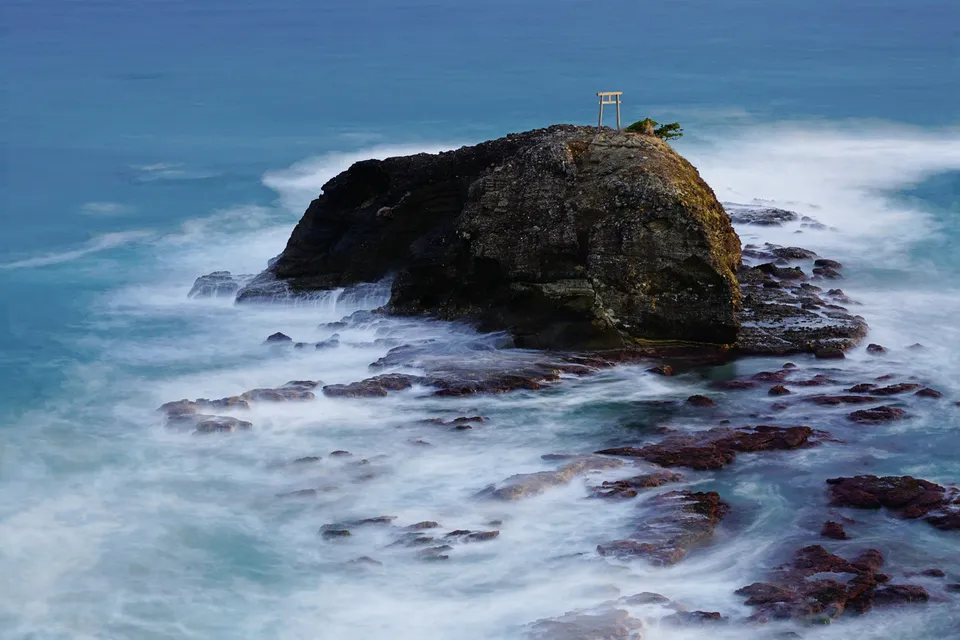
Photos: Tottori Sand Dunes — Kei via FIND/47, CC BY 4.0 · The Sand Museum — Drivephotographer via Wikimedia Commons, CC0 · Nageiredō Hall, Mt. Mitoku — Reggaeman via Wikimedia Commons, CC BY-SA 3.0 · Hakuto Coast — rikky_photography via FIND/47, CC BY 4.0
Tottori is reached by limited express from Okayama or Osaka.
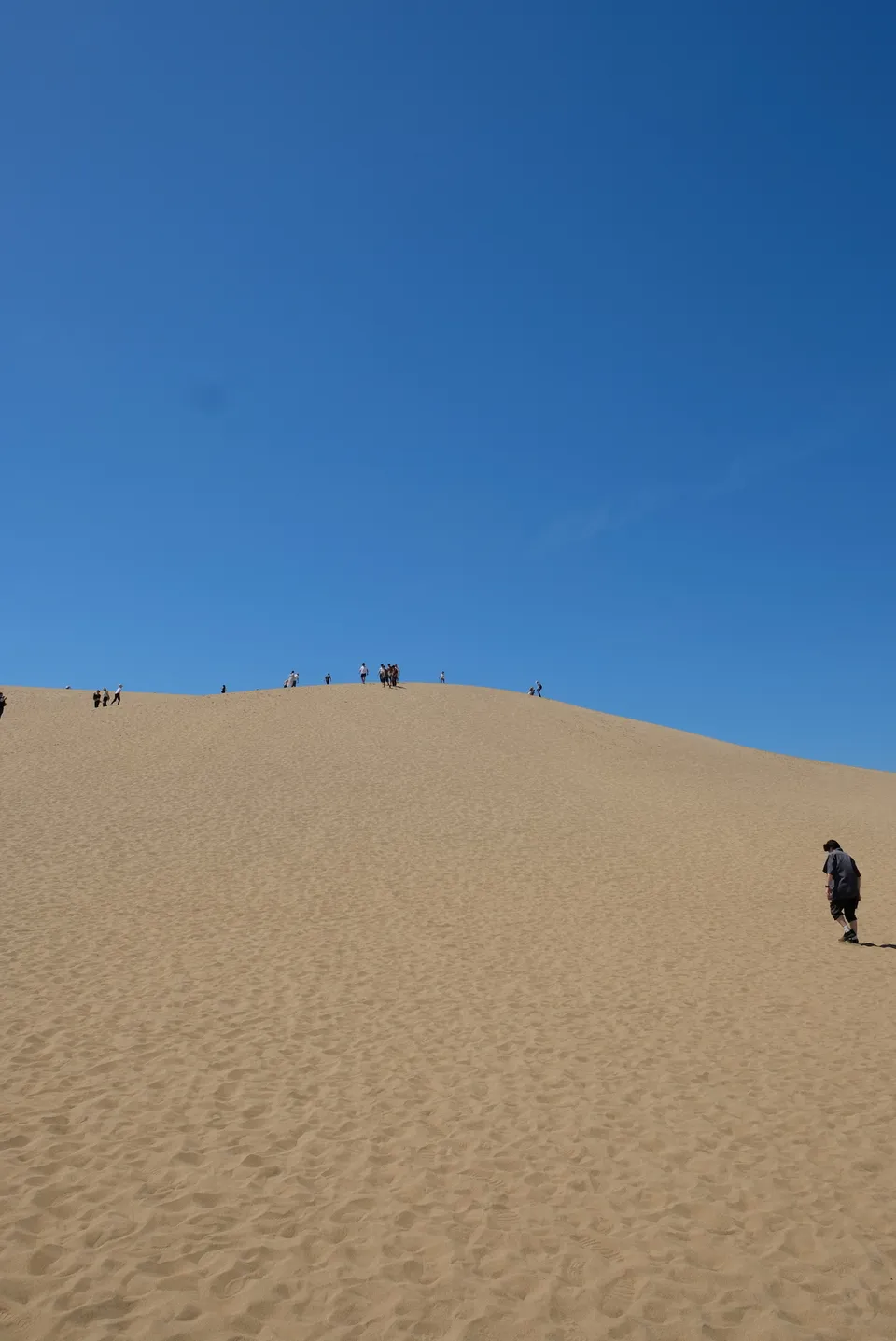 Top pick
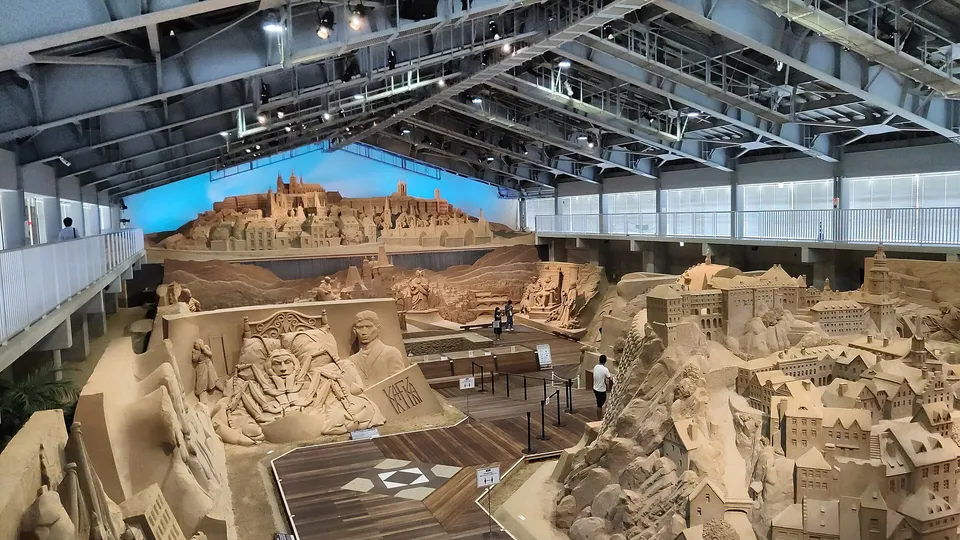 Top pick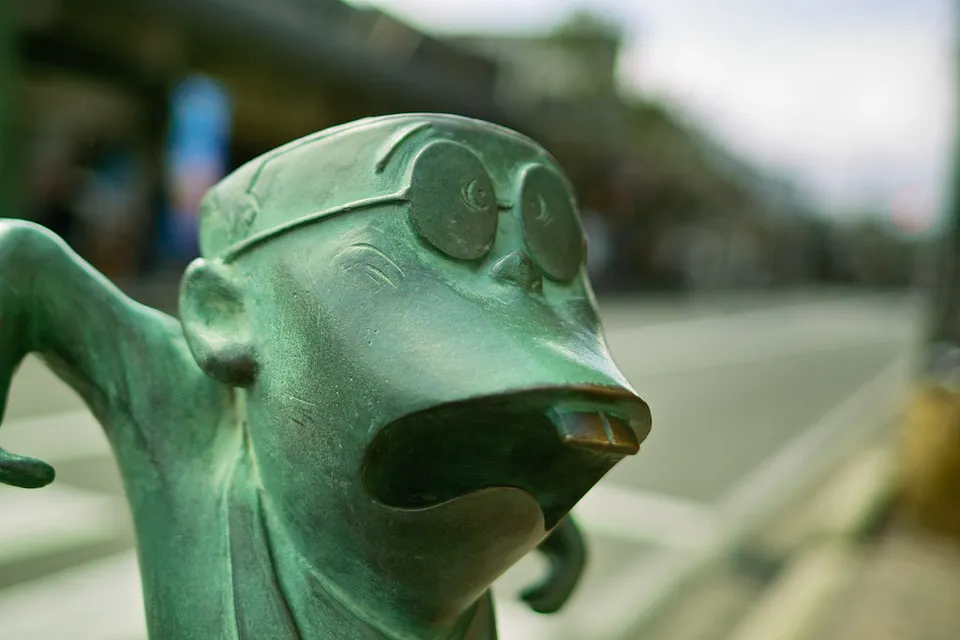


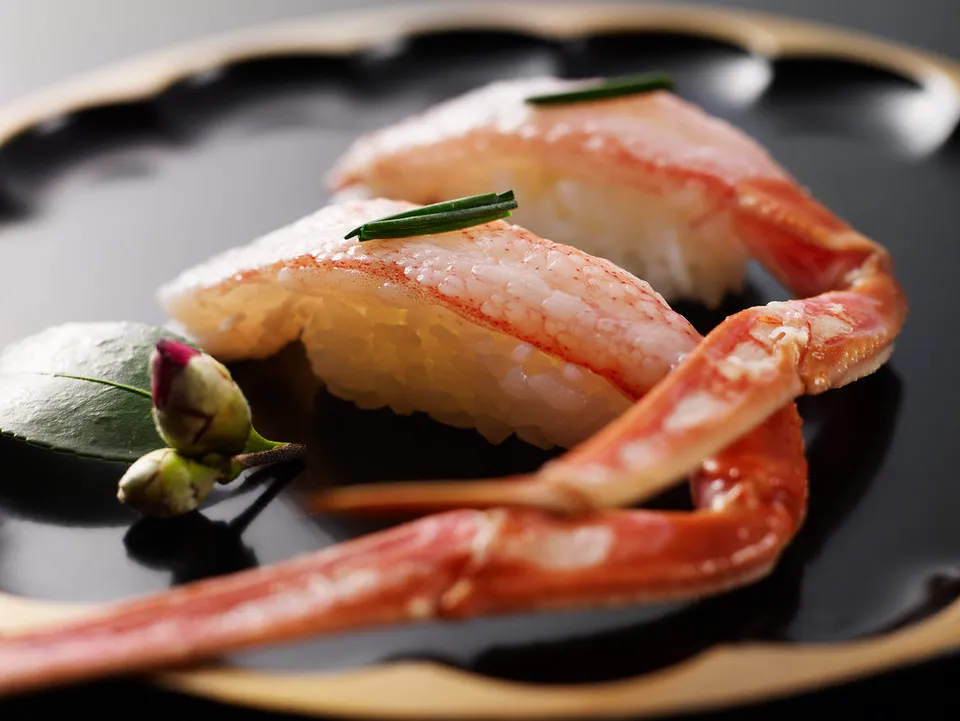 Must-eat
Matsuba crab (松葉ガニ / snow crab)
Tottori's signature winter delicacy — male snow crab landed in the Sea of Japan, prized for firm, sweet flesh. Season runs early November to March 20;…
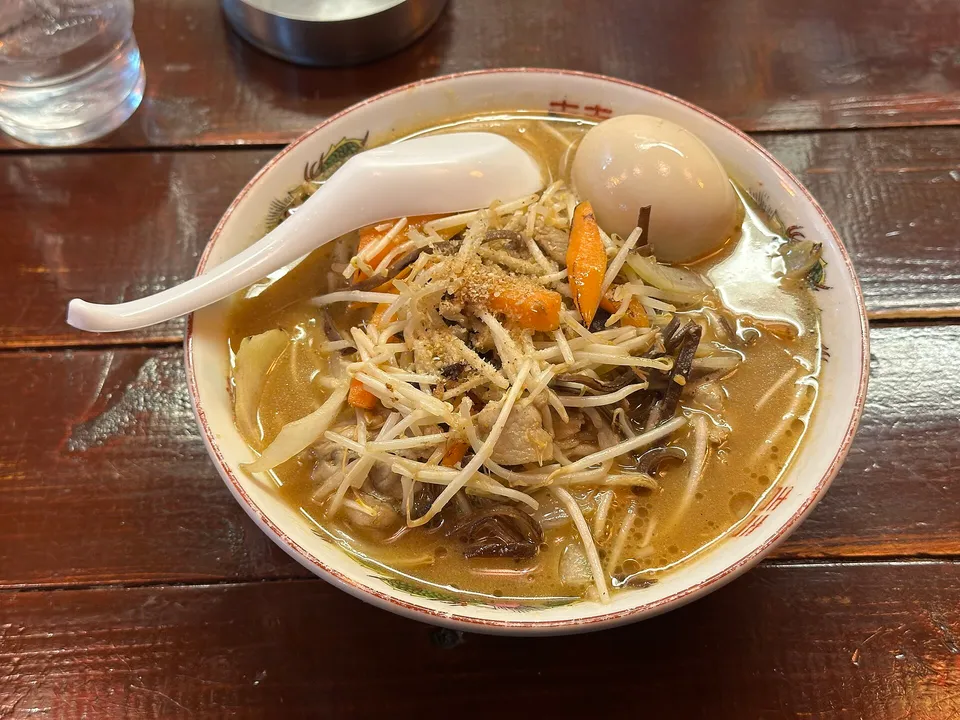 Must-eat
Tottori Gyukotsu ramen (牛骨ラーメン)
A rare beef-bone broth ramen local to Tottori, popular since the 1940s-50s as the area raised cattle. Sweet, rich aroma (more roast-beef/sukiyaki than the…
Twentieth Century pear (二十世紀梨) & local produce
Tottori is famed for high-quality fruit on its fertile plains — crisp Nijisseiki (Twentieth Century) pears, watermelons and persimmons. The region is also…
Tottori at a glance
Next door
Links marked PR are affiliate links: if you book through them we may earn a commission at no extra cost to you. Photos: Tottori Sand Dunes — rikky_photography via FIND/47, CC BY 4.0 · Tottori Sand Dunes — Kei via FIND/47, CC BY 4.0 · The Sand Museum — Drivephotographer via Wikimedia Commons, CC0 · Nageiredō Hall, Mt. Mitoku — Reggaeman via Wikimedia Commons, CC BY-SA 3.0 · Hakuto Coast — rikky_photography via FIND/47, CC BY 4.0 · Tottori Sand Dunes — Shunsuke2233 via FIND/47, CC BY 4.0 · The Sand Museum — Drivephotographer via Wikimedia Commons, CC0 · Mizuki Shigeru Road, Sakaiminato — puffyjet via Flickr, CC BY 2.0 · Matsuba crab — nishimuraya.kinosakionsen via Flickr, CC BY 2.0 · Tottori gyukotsu ramen — ノボホショコロトソ via Wikimedia Commons, CC BY 4.0. Map: Geolonia (MIT).

