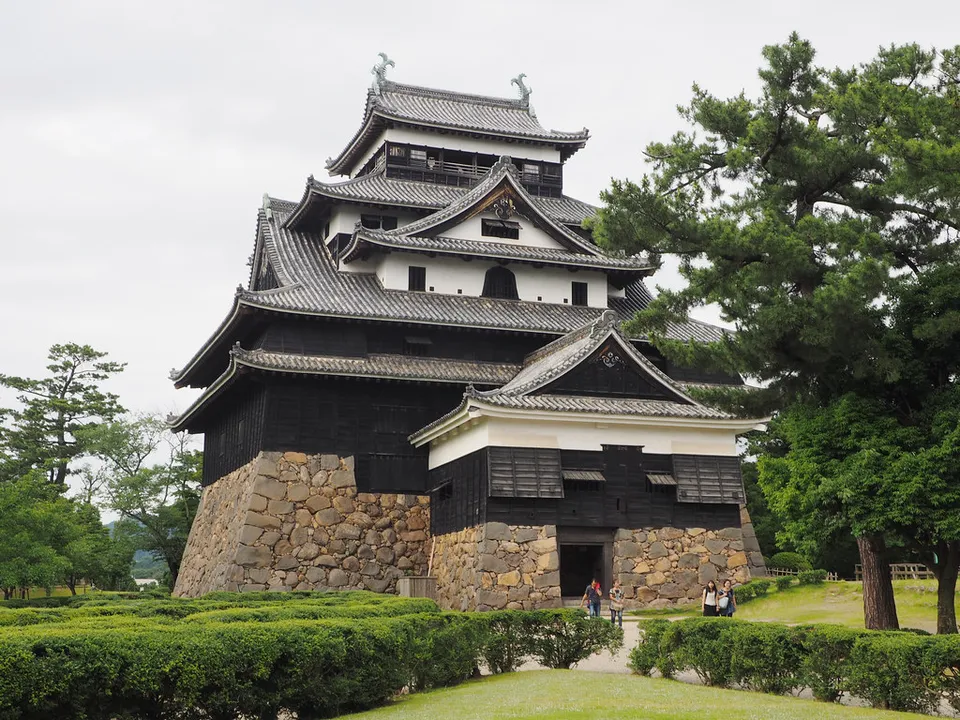
Shimane, on Japan's San'in coast facing the Sea of Japan, is the mythic "Land of the Gods," home to Izumo Taisha, one of the country's oldest and most revered Shinto shrines. It also holds the National Treasure Matsue Castle, the UNESCO World Heritage Iwami Ginzan Silver Mine, and the volcanic Oki Islands.
Shimane (島根) is the land of myth: Izumo Taisha (出雲大社) is one of Japan's oldest shrines, dedicated to the deity of marriage and good relationships. Iwami Ginzan (石見銀山) once supplied a third of the world's silver.
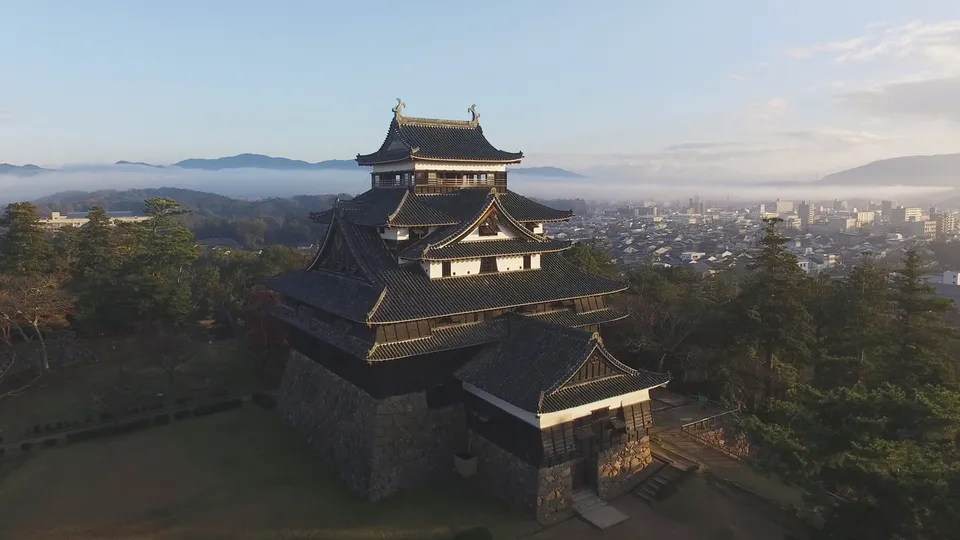
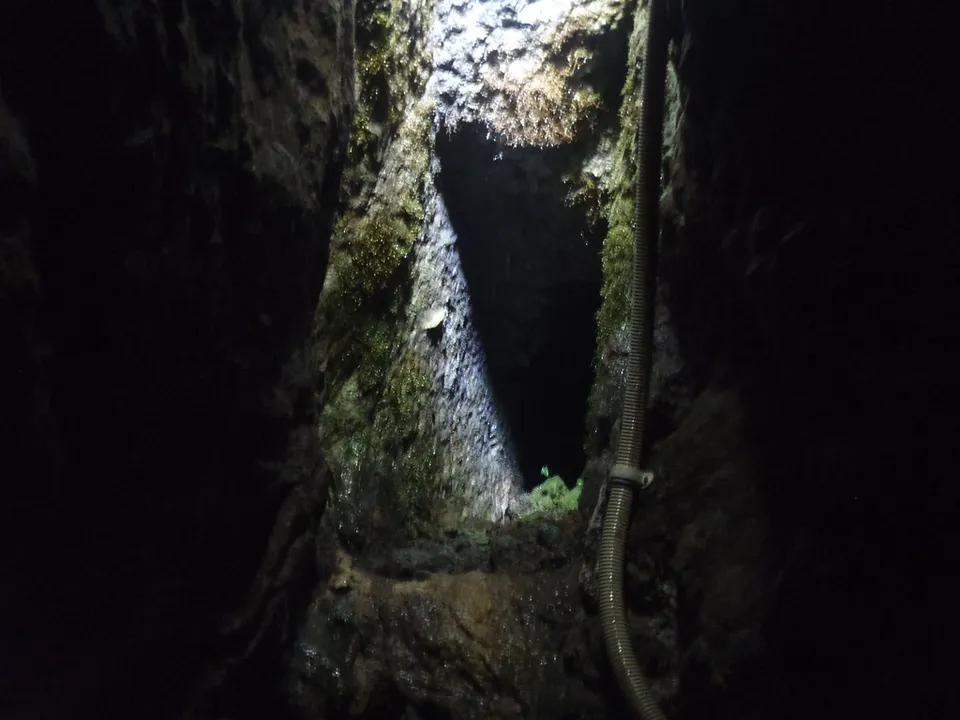
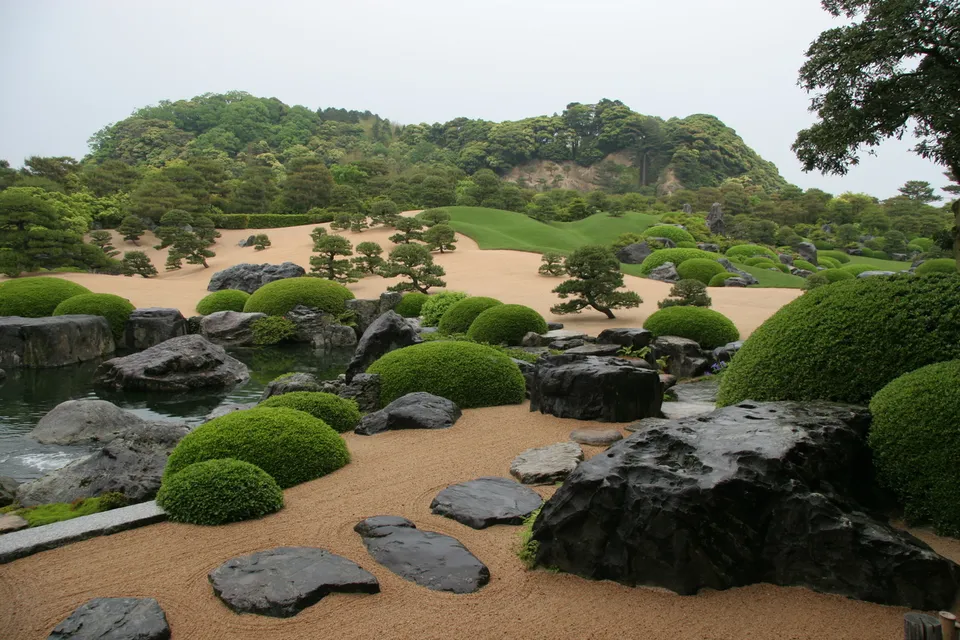
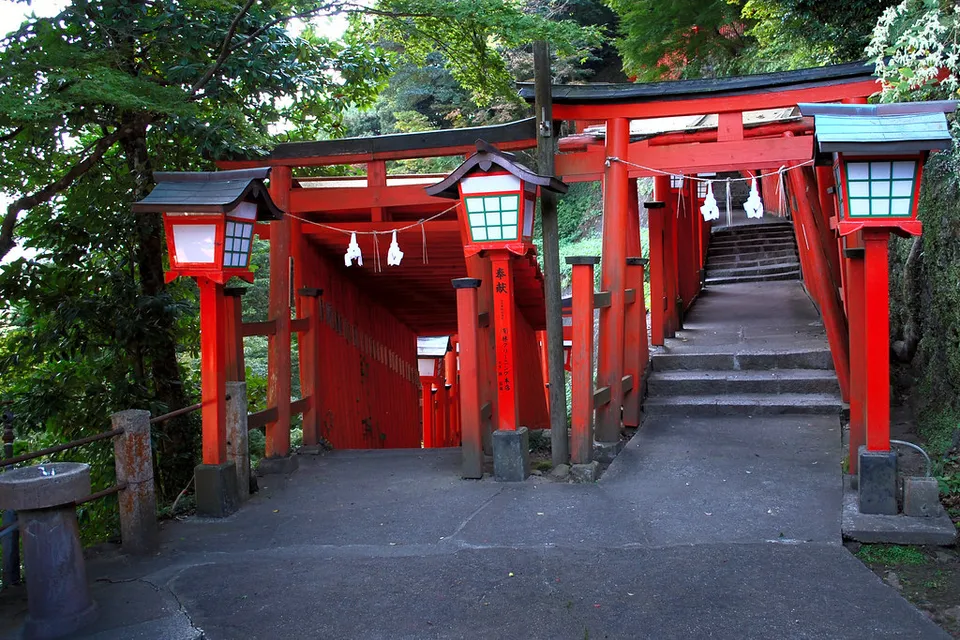
Photos: Matsue Castle — FIND/47 contributor via FIND/47, CC BY 4.0 · Iwami Ginzan Silver Mine — No Boring Stories via Flickr, CC BY-SA 2.0 · Adachi Museum of Art garden — T-KIMURA via FIND/47, CC BY 4.0 · Taikodani Inari Jinja, Tsuwano — decade_null via Flickr, CC BY 2.0
Izumo/Matsue are reached by air from Tokyo or by limited express from Okayama.
 Top pick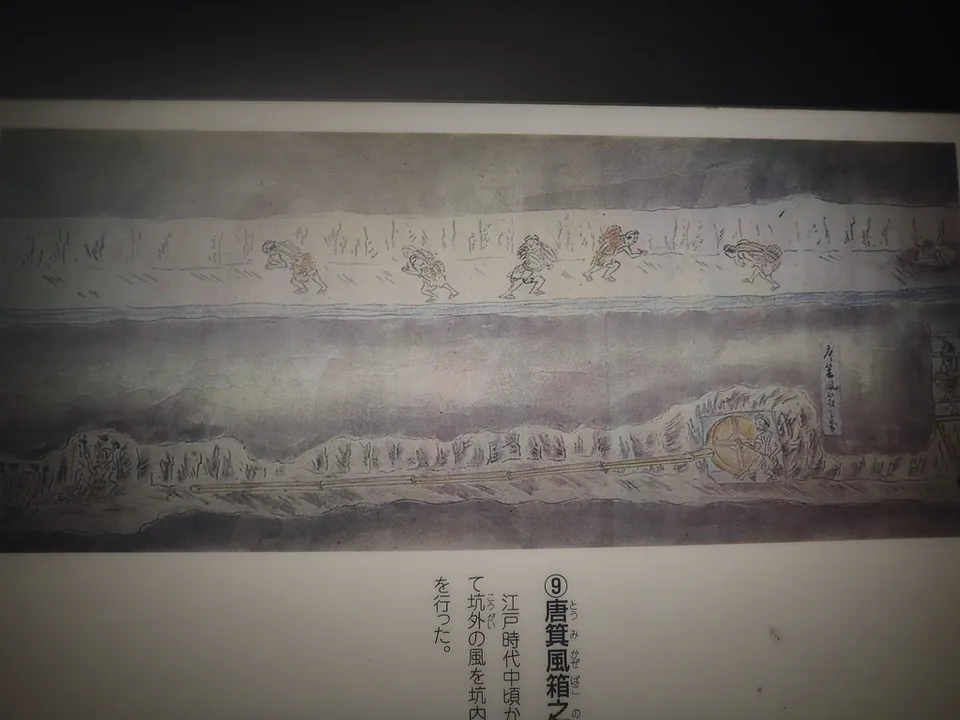
 Must-eat
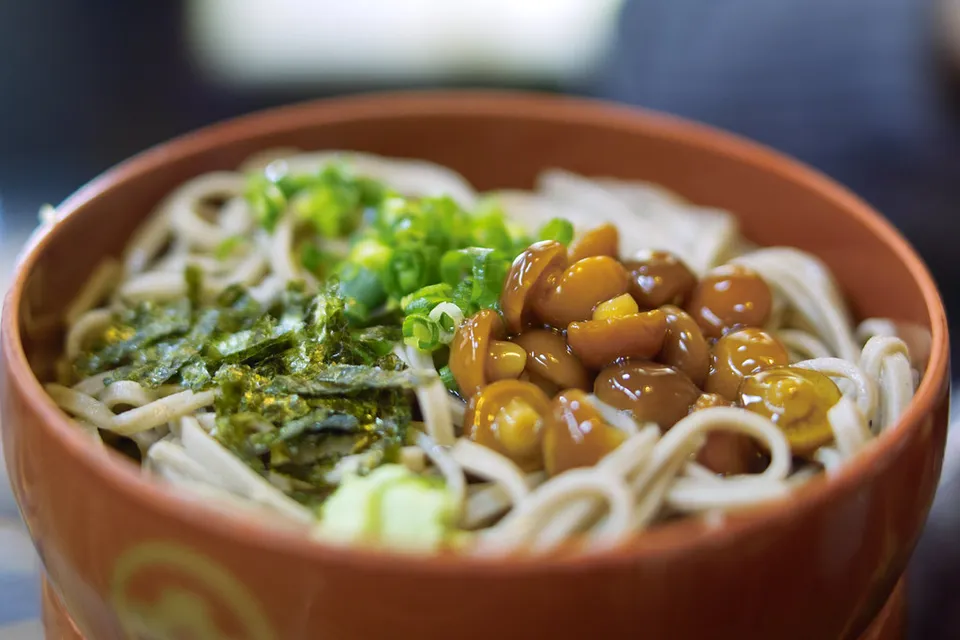
Izumo soba (出雲そば)
One of Japan's three great soba traditions; buckwheat is milled with the husk on, giving dark, aromatic, firm noodles. Often served warigo-style in stacked…
 Must-eat
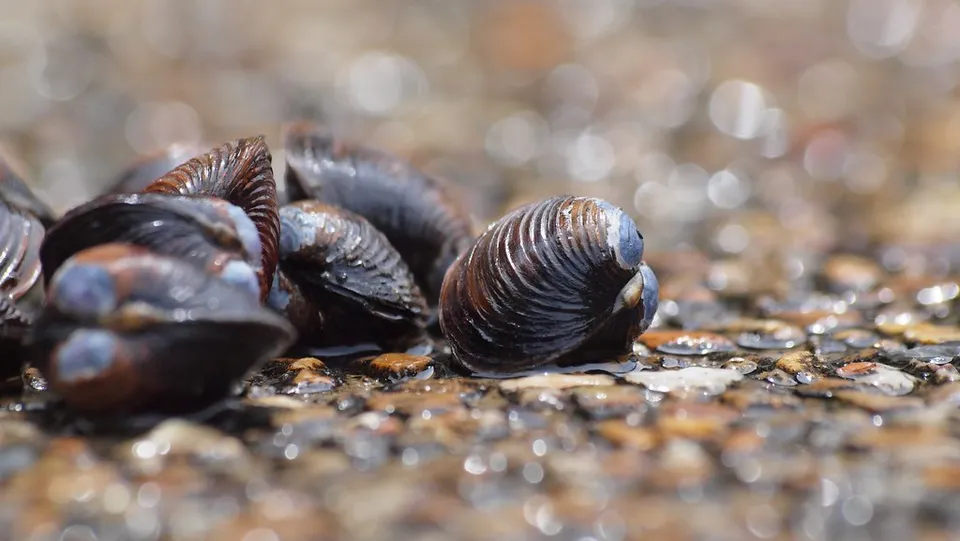
Shijimi clams (宍道湖のしじみ)
Freshwater clams harvested from Lake Shinji (Shinjiko); Shimane leads Japan in shijimi production. Typically eaten as shijimi miso soup, prized for…
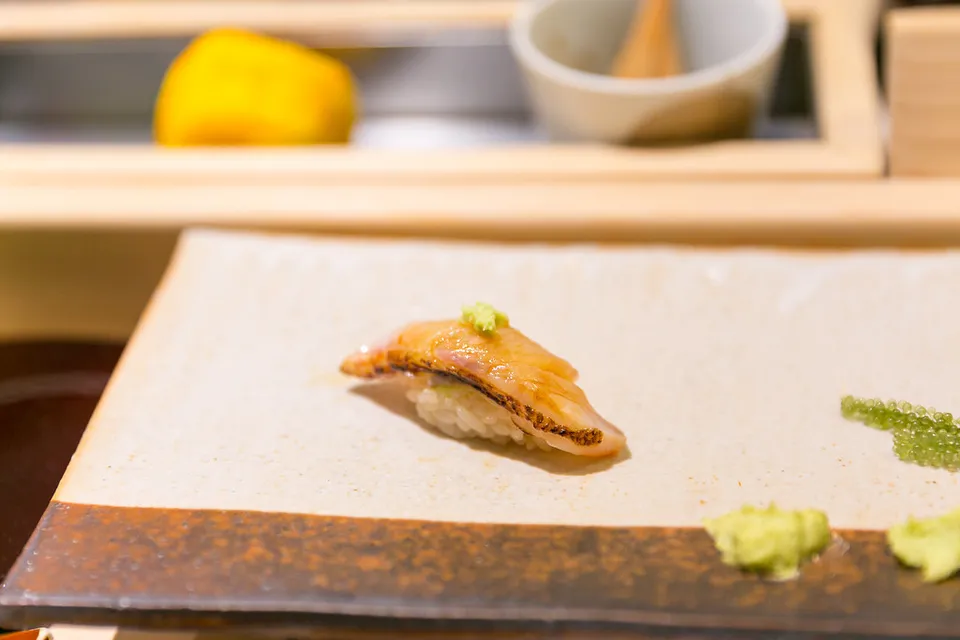 Must-eat
Nodoguro / blackthroat seaperch (のどぐろ)
Luxury white-fleshed fish landed on the Sea of Japan coast around Matsue and Izumo; served grilled, as sashimi, or over rice as a premium local lunch.
Shimane at a glance
Next door
Links marked PR are affiliate links: if you book through them we may earn a commission at no extra cost to you. Photos: Matsue Castle — FIND/47 contributor via FIND/47, CC BY 4.0 · Iwami Ginzan Silver Mine — No Boring Stories via Flickr, CC BY-SA 2.0 · Adachi Museum of Art garden — T-KIMURA via FIND/47, CC BY 4.0 · Taikodani Inari Jinja, Tsuwano — decade_null via Flickr, CC BY 2.0 · Matsue Castle keep — Clay Gilliland via Flickr, CC BY-SA 2.0 · Iwami Ginzan Silver Mine — No Boring Stories via Flickr, CC BY-SA 2.0 · Izumo soba — puffyjet via Flickr, CC BY 2.0 · Shijimi clams — coniferconifer via Flickr, CC BY 2.0 · Nodoguro — City Foodsters via Flickr, CC BY 2.0. Map: Geolonia (MIT).