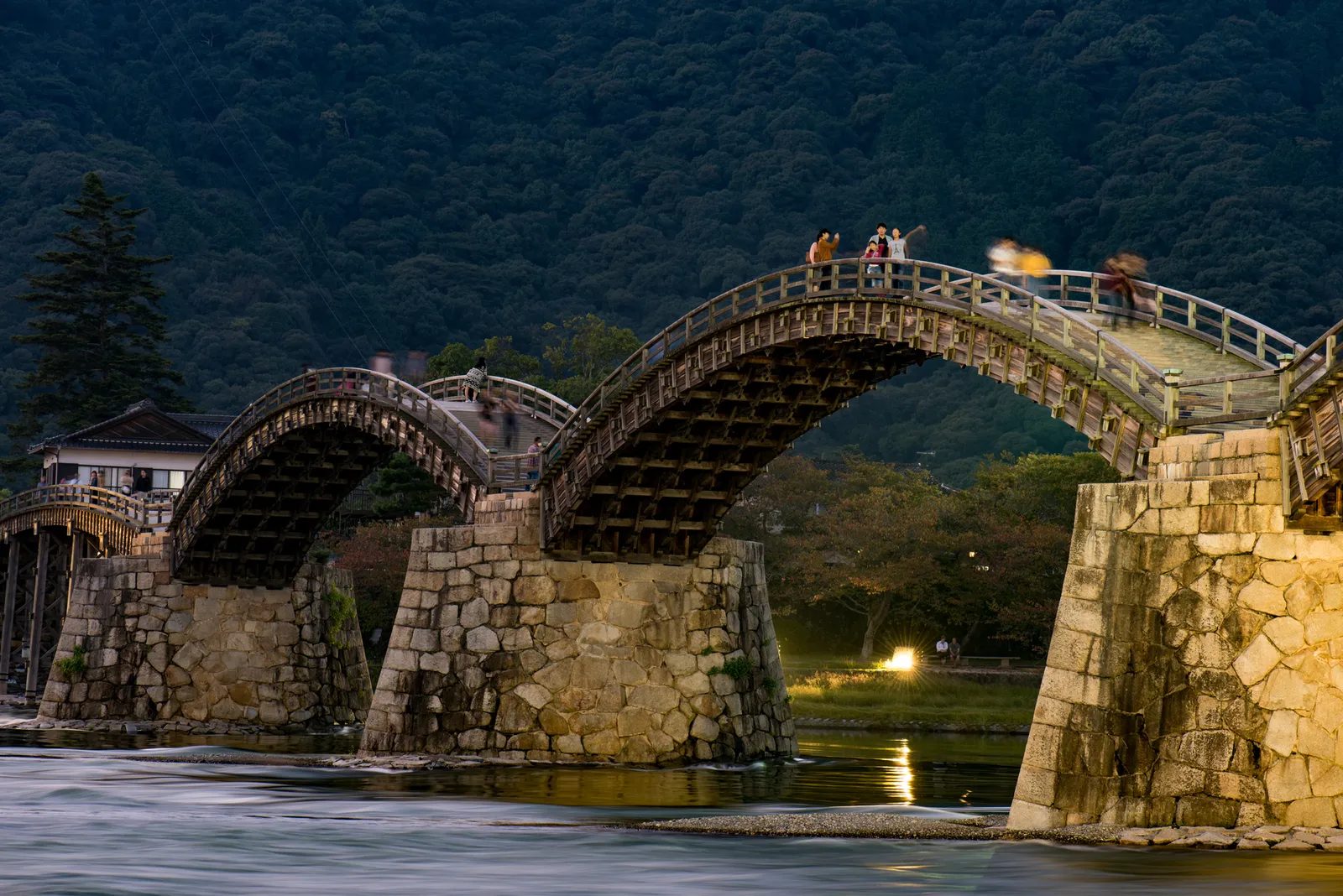
Yamaguchi, at the western tip of Honshu, is famed as the "fugu (pufferfish) capital of Japan" via the port of Shimonoseki and for picture-perfect scenery like the azure waters around Tsunoshima and the 123 vermilion torii of Motonosumi Inari Shrine. It also holds the elegant wooden arches of Iwakuni's Kintaikyo Bridge and the Edo-era castle town of Hagi.
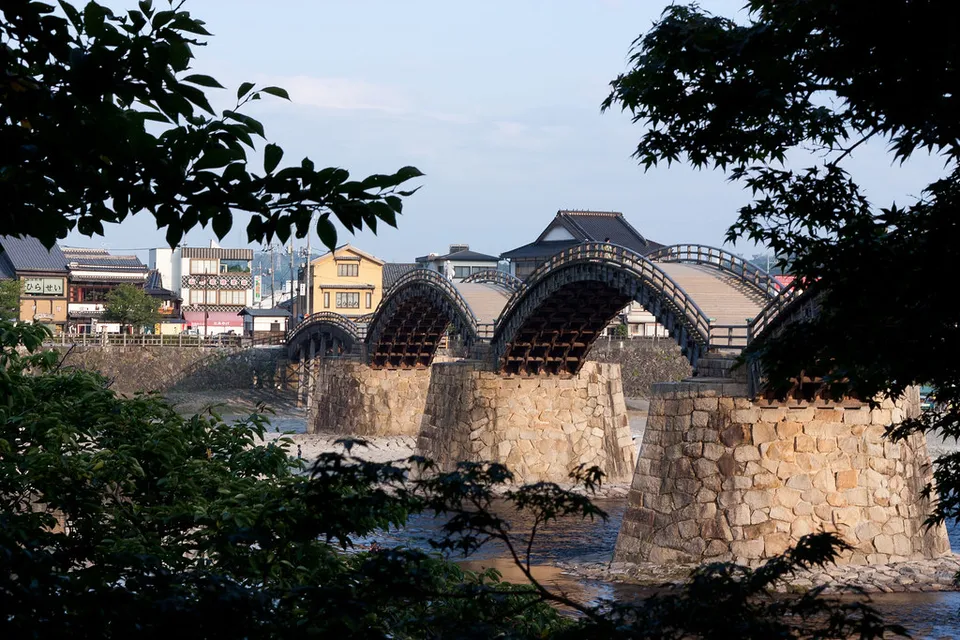
Yamaguchi (山口) shaped modern Japan: Chōshū (長州) domain samurai from here led the 1868 Meiji Restoration. The Kintai-kyō (錦帯橋) bridge, first built in 1673, is an engineering marvel of five wooden arches.
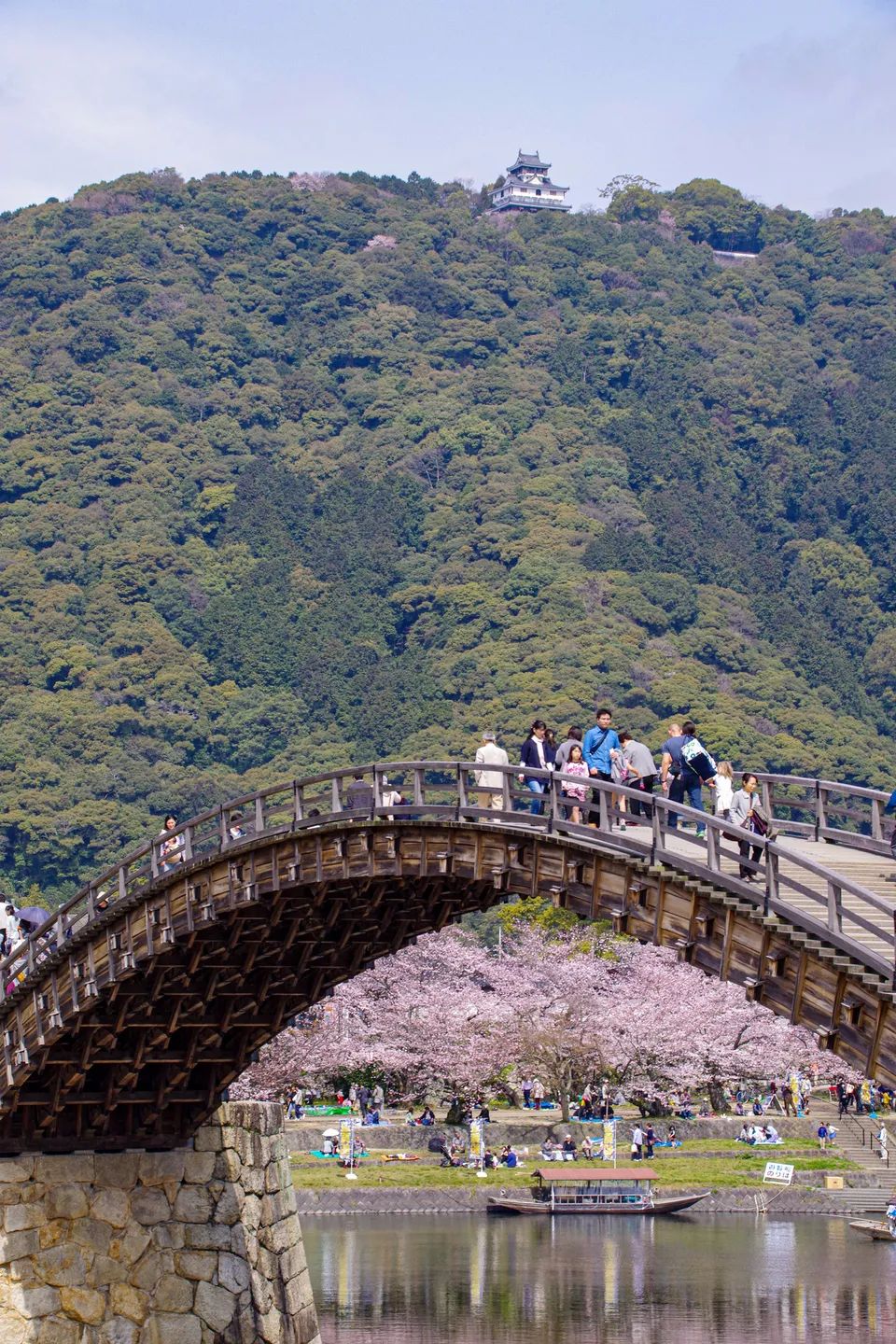
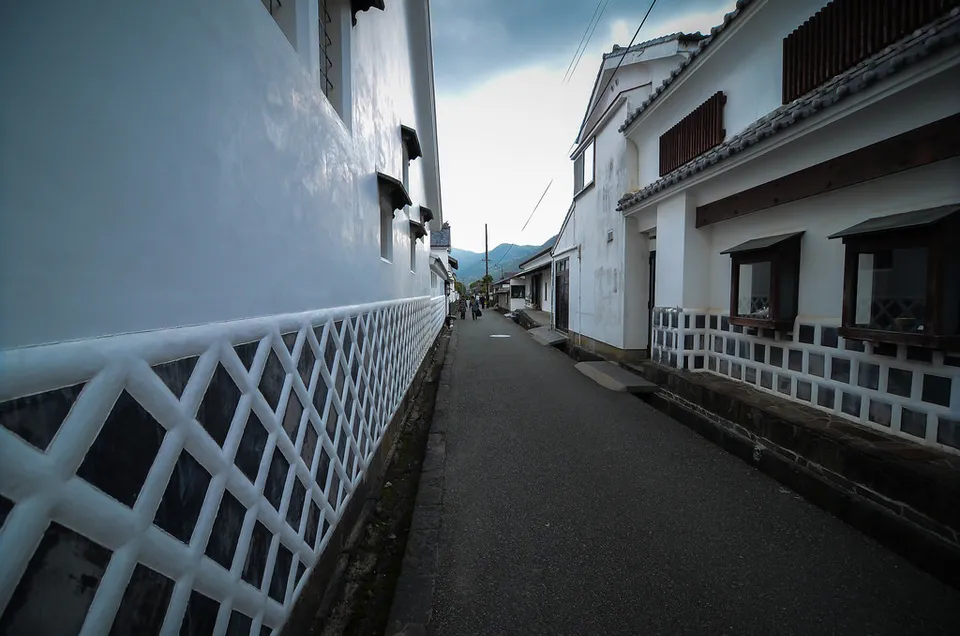
Photos: Kintaikyo Bridge — 9689tatsuya via FIND/47, CC BY 4.0 · Hagi castle town — J. Damasio via Flickr, CC CC0 1.0
Shin-Yamaguchi is on the Sanyō Shinkansen line; Iwakuni near Hiroshima.
 Top pick
 Must-eat
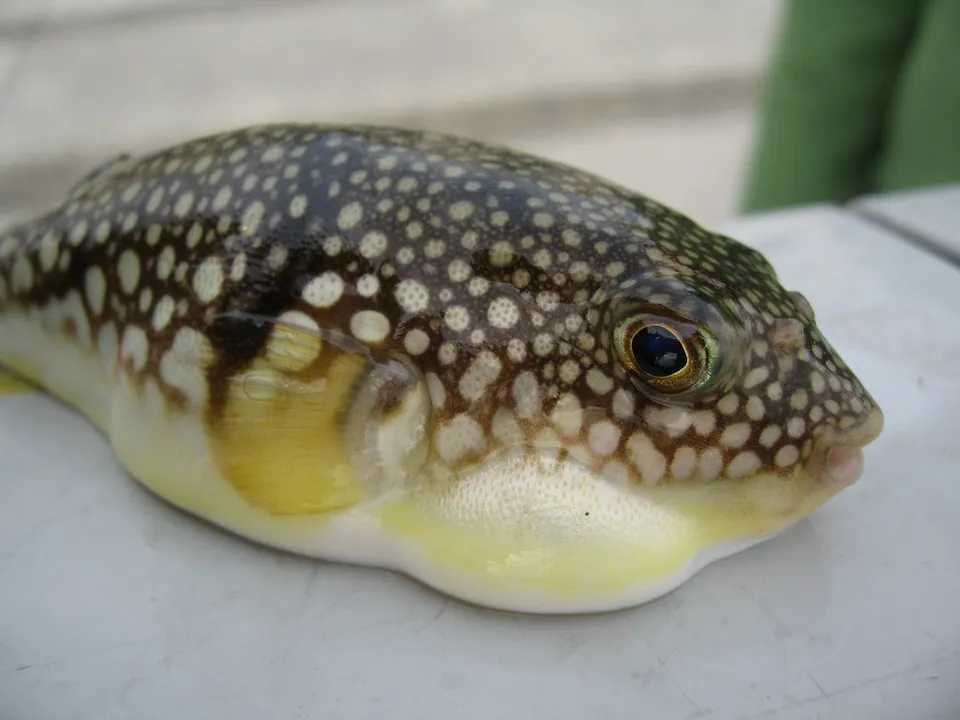
Fugu (pufferfish / fuku)
Shimonoseki handles the largest volume of pufferfish in Japan and is known as the 'Blowfish Capital'; locally pronounced 'fuku' meaning happiness. Best…
 Must-eat
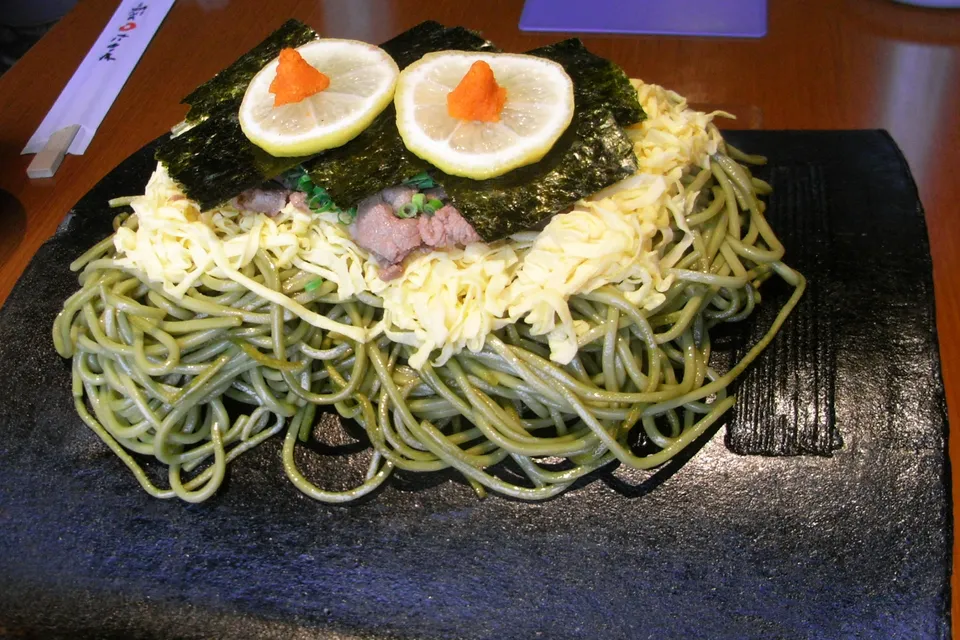
Kawara soba
Green-tea cha-soba noodles grilled on a hot roof tile until crispy, topped with sliced beef, nori, egg and momiji-oroshi. Originated 1962 around…
Iwakuni-zushi (Iwakuni sushi)
Pressed, layered sushi with colorful toppings (egg, sakura denbu, shiitake, local renkon lotus root); said to date back 300+ years as samurai battle provisions.
Yamaguchi at a glance
Next door
Links marked PR are affiliate links: if you book through them we may earn a commission at no extra cost to you. Photos: Kintai-kyō wooden arched bridge — tanaka via FIND/47, CC BY 4.0 · Kintaikyo Bridge — 9689tatsuya via FIND/47, CC BY 4.0 · Hagi castle town — J. Damasio via Flickr, CC CC0 1.0 · Kintaikyo Bridge — kentamabuchi via Flickr, CC BY-SA 2.0 · Hagi castle town — J. Damasio via Flickr, CC BY 2.0 · Fugu — furibond via Flickr, CC BY-SA 2.0 · Kawara soba — woinary from Kawara soba restaurant Ganso Kwawara Soba Takase in Moji, Kitakyushu, Fukuoka via Wikimedia Commons, CC BY-SA 2.0. Map: Geolonia (MIT).
