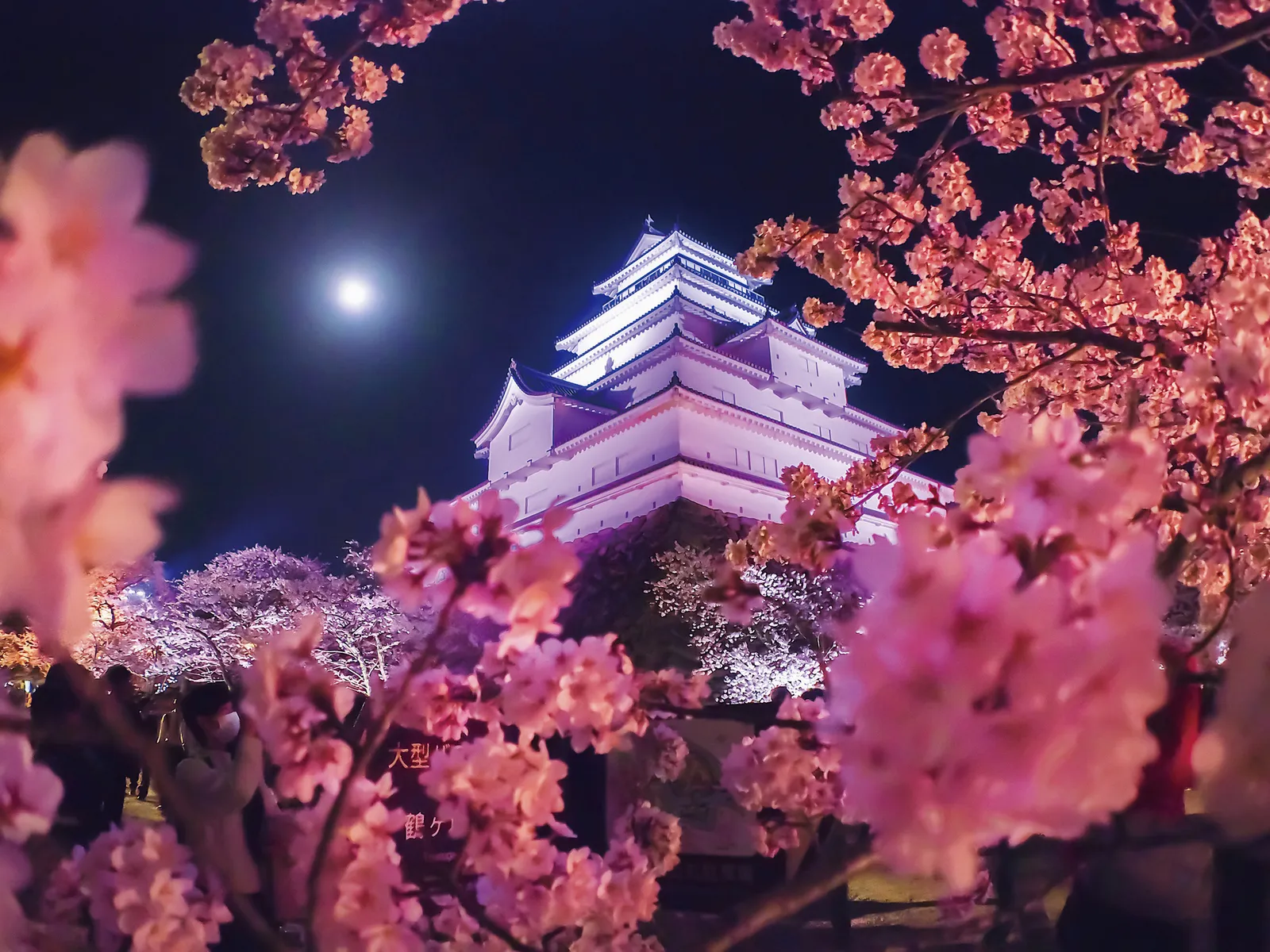
Tohoku's largest prefecture by area, Fukushima pairs the samurai history and lacquerware of the Aizu highlands with Pacific coastline, and is split into three distinct regions: mountainous Aizu, central Nakadori, and coastal Hamadori. It is known for hilltop castles, hot-spring resorts, and dramatic scenic rail like the Tadami Line.
Fukushima's (福島) Aizu (会津) region was a loyal samurai stronghold; the Byakkotai (白虎隊) young warriors and Tsuruga Castle (鶴ヶ城) are central to its Boshin War history.
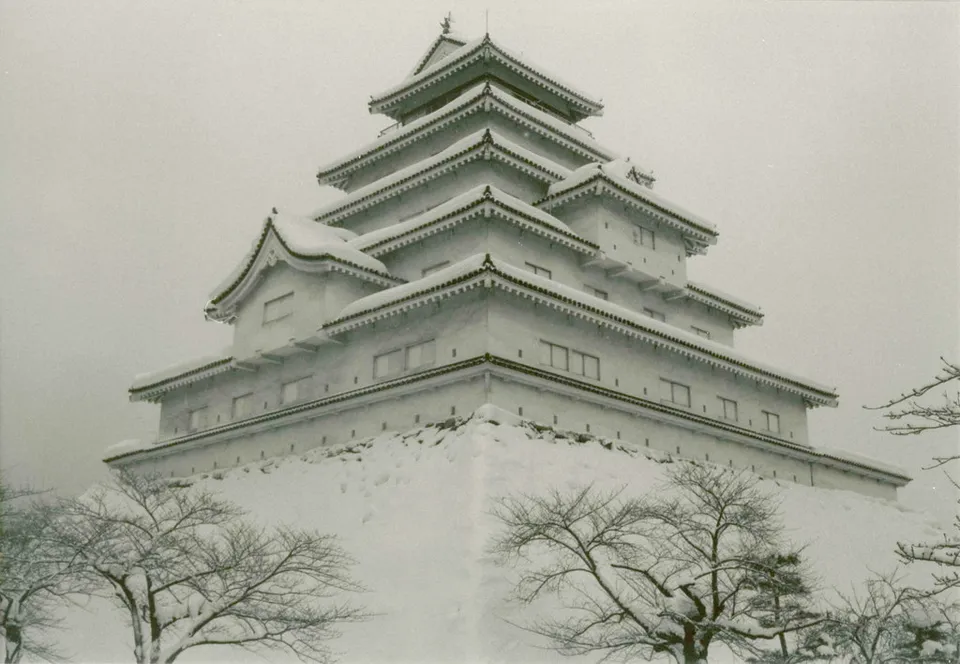
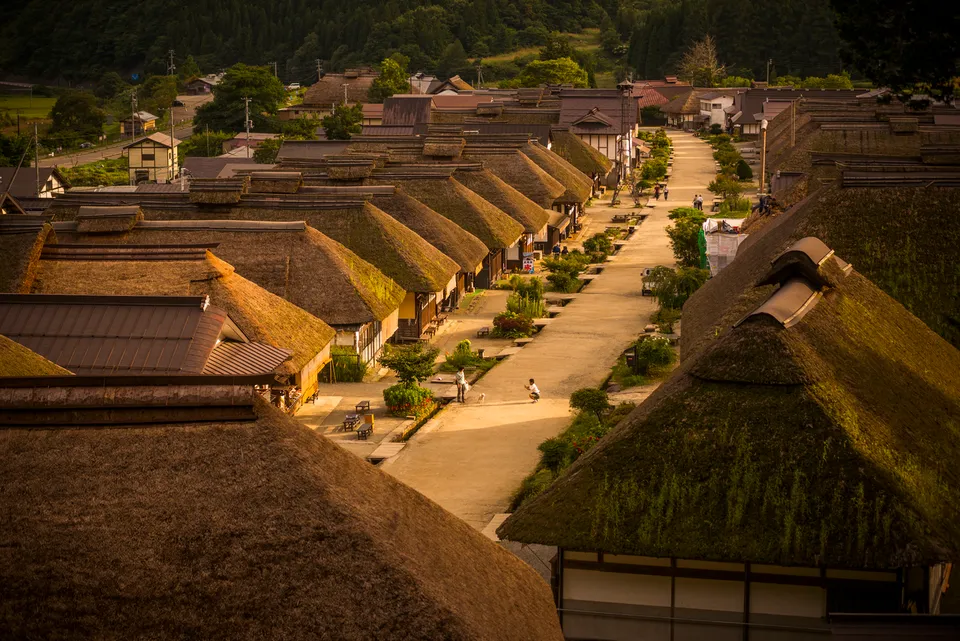
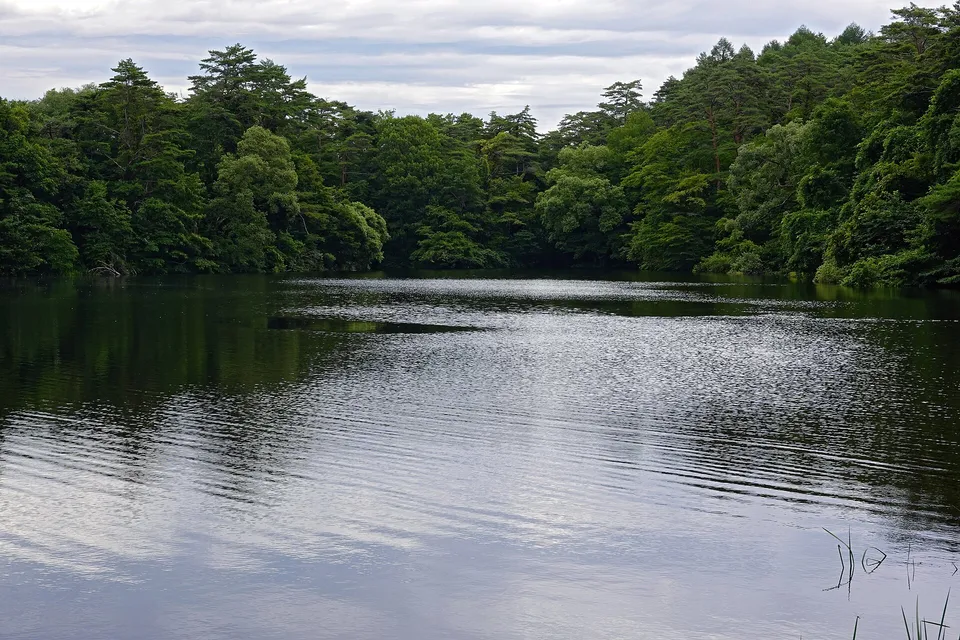
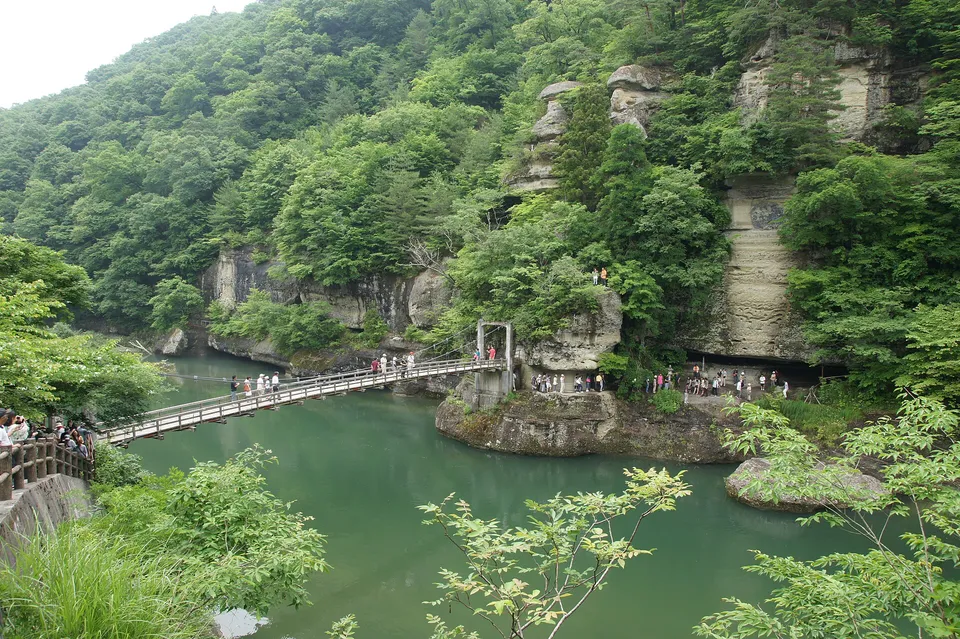
Photos: Tsurugajo Castle — jamesfischer via Flickr, CC BY 2.0 · Ouchi-juku — SQUAREZERO via FIND/47, CC BY 4.0 · Goshiki-numa Ponds — 663highland via Wikimedia Commons, CC BY-SA 4.0 · To-no-Hetsuri — Kohei Fujii via Wikimedia Commons, CC BY-SA 2.0
Kōriyama/Fukushima are ~1h20m–1h40m from Tokyo by Tōhoku Shinkansen.
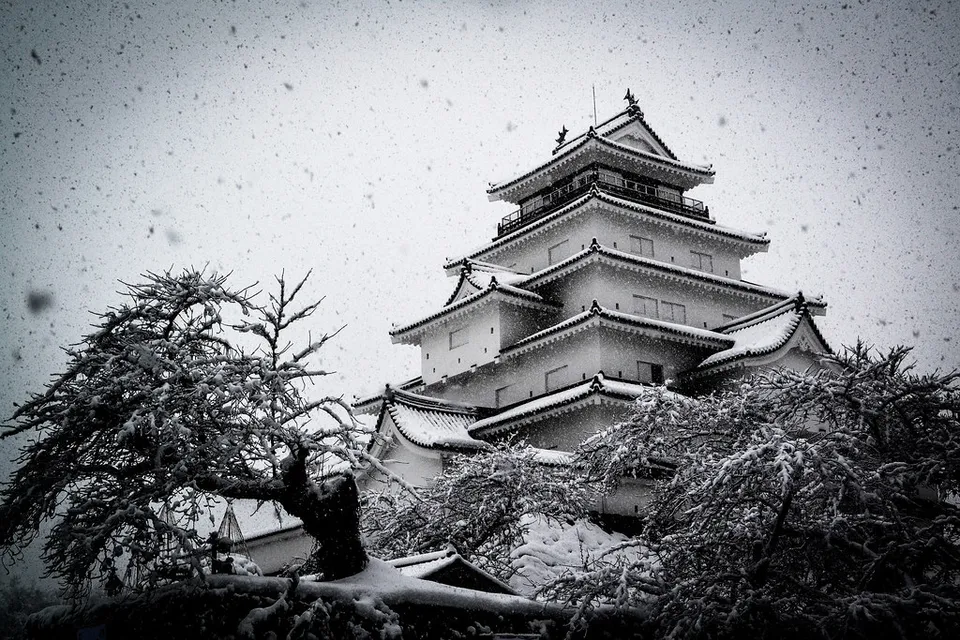 Top pick
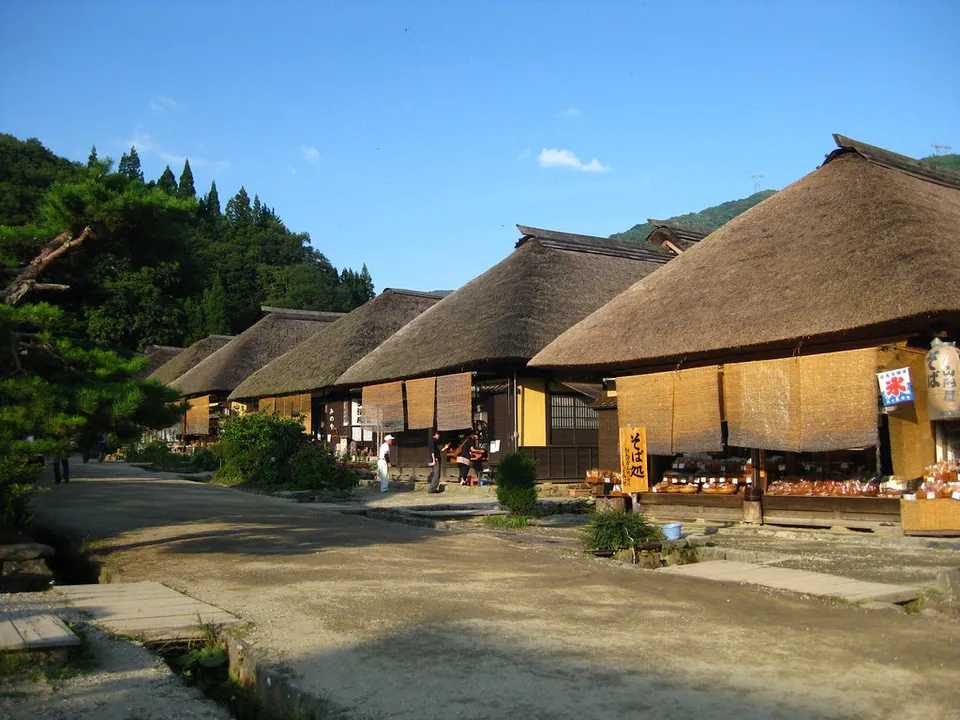 Top pick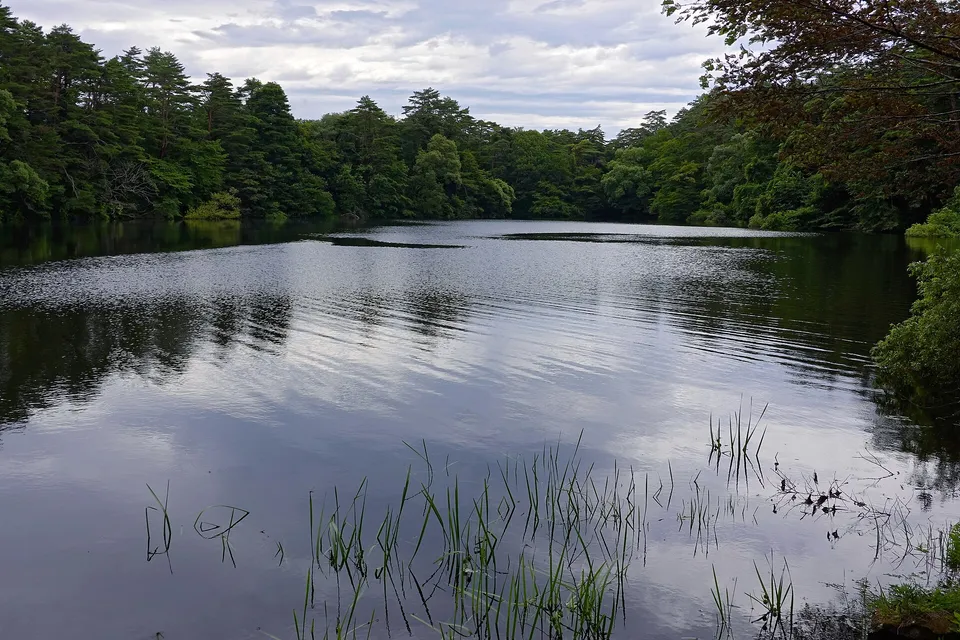

.jpg)
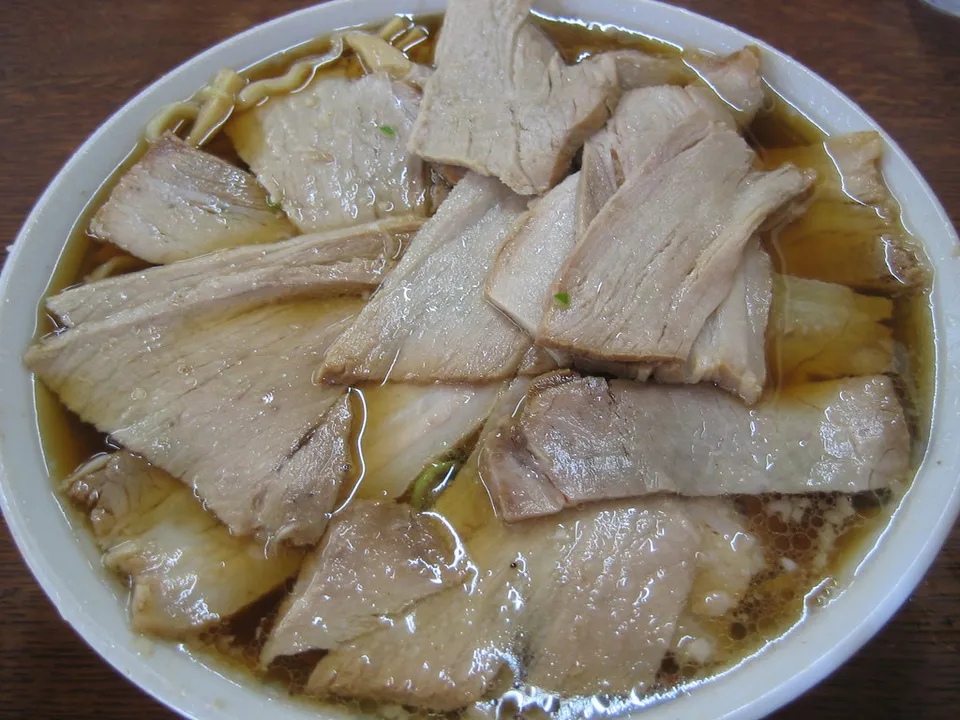 Must-eat
Kitakata Ramen (喜多方ラーメン)
One of Japan's 'Three Great Ramen' alongside Sapporo and Hakata. From Kitakata City in the Aizu region: thick, curly, high-water-content aged flat noodles in…
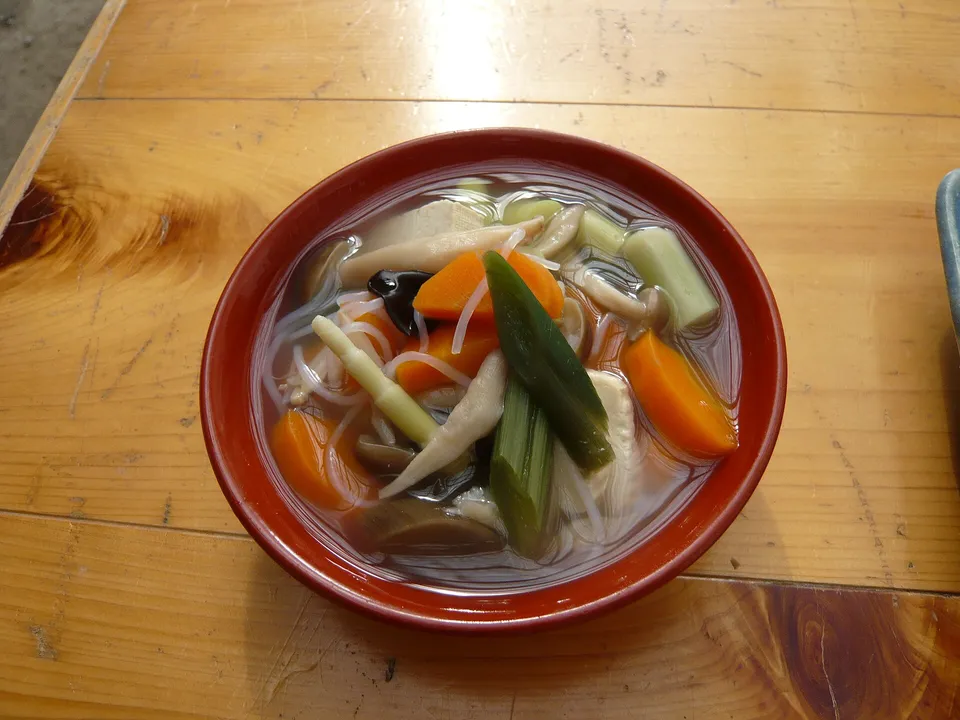 Must-eat
Kozuyu (こづゆ)
Traditional Aizu celebratory soup made with dried-scallop broth and ingredients like wood-ear and shiitake mushrooms, konjac, taro and bracken, seasoned with…
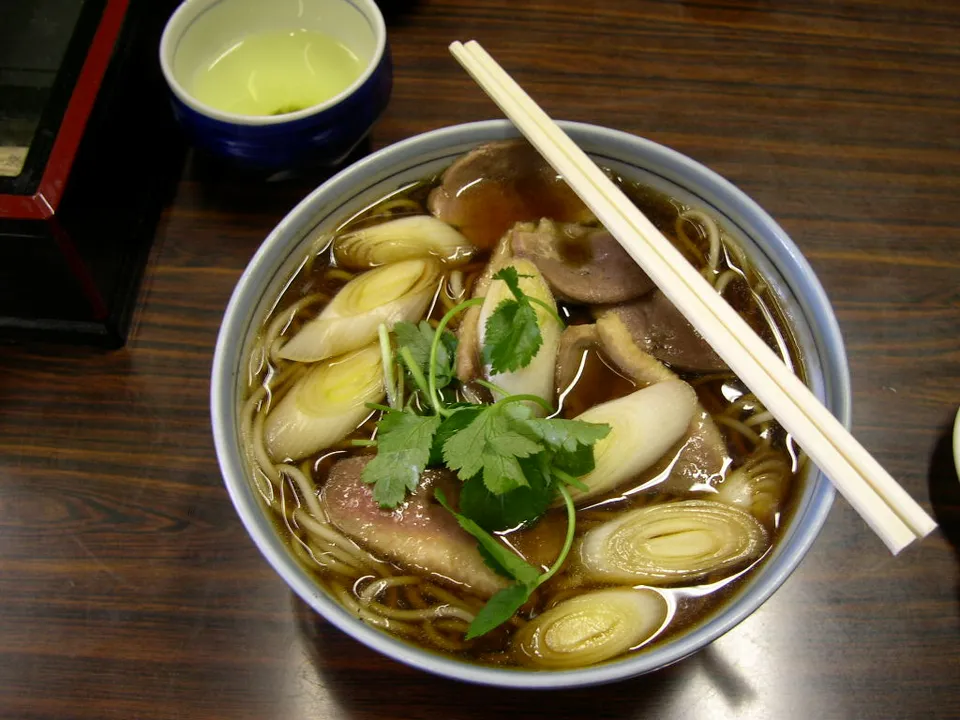 Must-eat
Negi Soba (ねぎそば)
Ouchi-juku's signature dish: buckwheat soba eaten using a single long green onion (negi) instead of chopsticks, which doubles as a condiment. A playful local…
Fukushima at a glance
Next door
Links marked PR are affiliate links: if you book through them we may earn a commission at no extra cost to you. Photos: Tsuruga Castle in Aizu-Wakamatsu — SQUAREZERO via FIND/47, CC BY 4.0 · Tsurugajo Castle — jamesfischer via Flickr, CC BY 2.0 · Ouchi-juku — SQUAREZERO via FIND/47, CC BY 4.0 · Goshiki-numa Ponds — 663highland via Wikimedia Commons, CC BY-SA 4.0 · To-no-Hetsuri — Kohei Fujii via Wikimedia Commons, CC BY-SA 2.0 · Tsurugajo Castle — L'oeil étranger via Flickr, CC BY 2.0 · Ouchi-juku — This-is-Fukushima via Flickr, CC BY 2.0 · Goshiki-numa Ponds — 663highland via Wikimedia Commons, CC BY-SA 4.0 · Kitakata Ramen — skyseeker via Flickr, CC BY 2.0 · Kozuyu — Opqr via Wikimedia Commons, CC BY-SA 3.0 · Negi Soba — Schellack at English Wikipedia via Wikimedia Commons, Public domain. Map: Geolonia (MIT).


