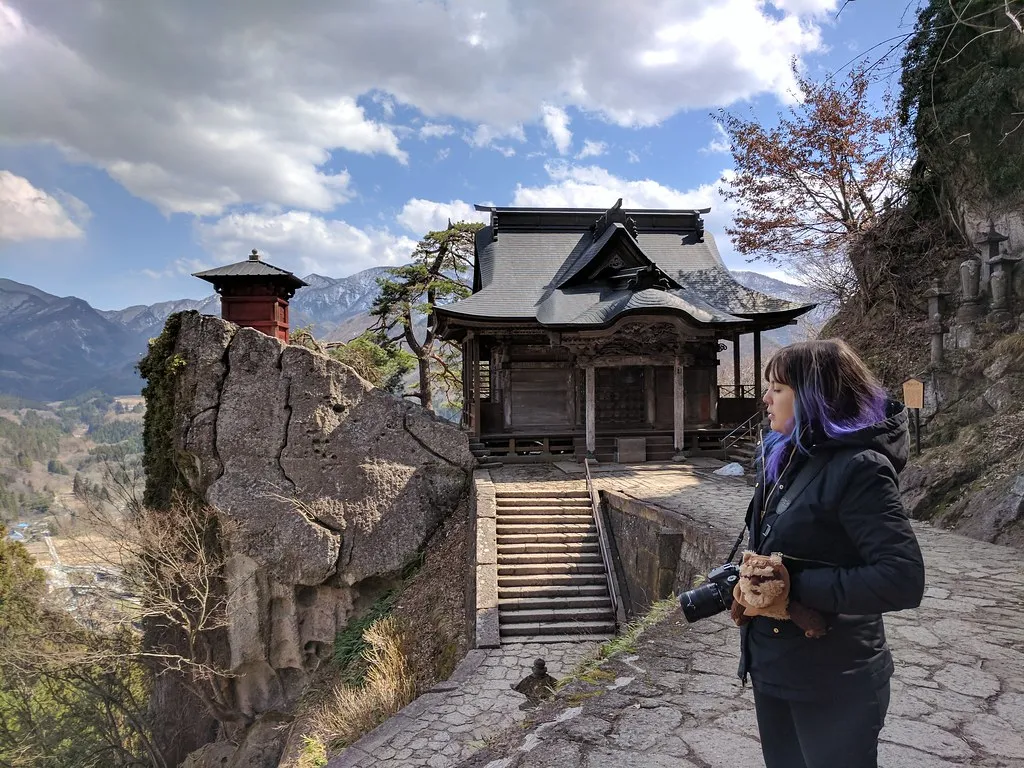
Yamagata, in the Tohoku region facing the Sea of Japan, grows about 70% of Japan's cherries and is home to the cliffside mountain temple Yamadera (Risshakuji). In winter, Mount Zao's fir trees freeze into famous "snow monsters" (juhyo) above its onsen ski slopes.
Yamagata (山形) is a land of sacred mountains. The poet Bashō climbed cliffside Yamadera (山寺) in 1689, and the Dewa Sanzan (出羽三山) have drawn yamabushi mountain ascetics for over a thousand years.
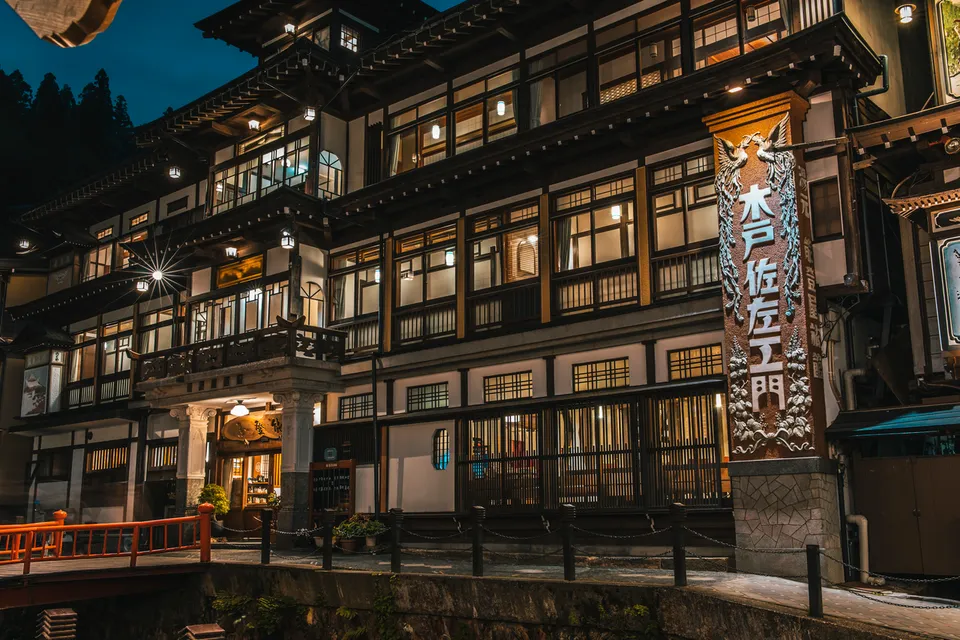
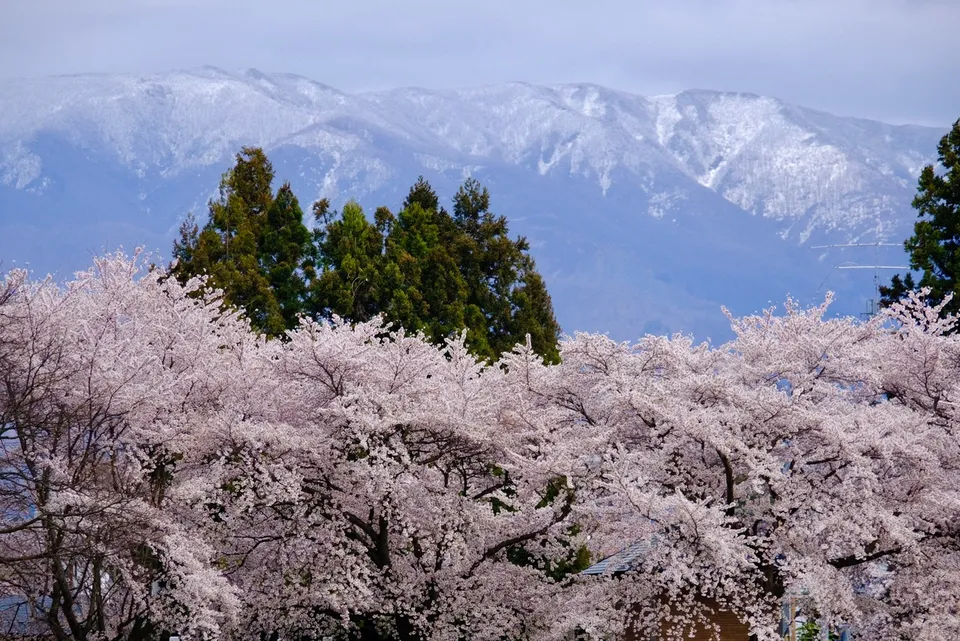
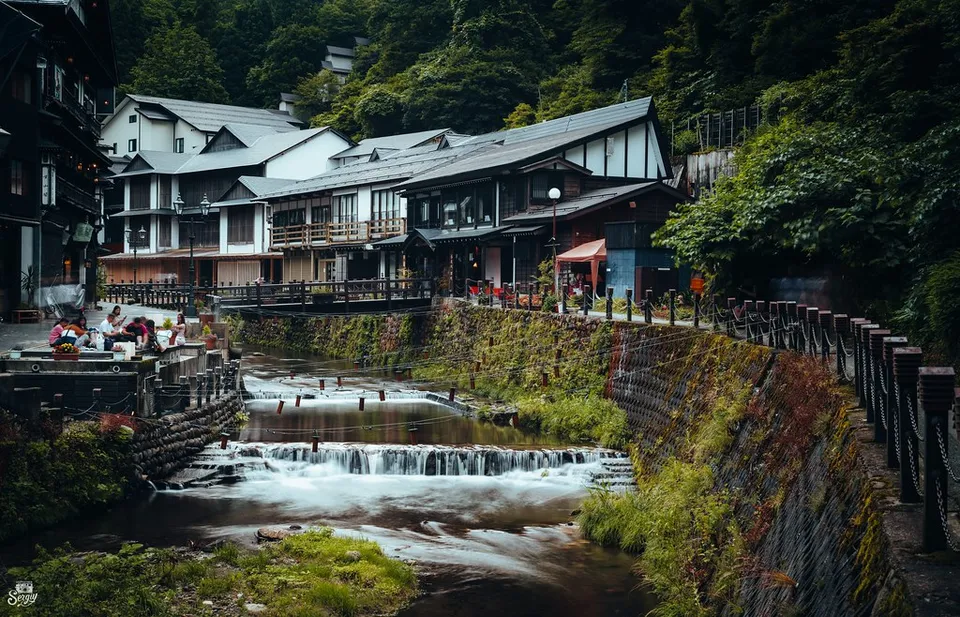
Photos: Ginzan Onsen — LIKEWORKS via FIND/47, CC BY 4.0 · Mount Zao — granpapa3 via FIND/47, CC BY 4.0
Yamagata is ~2h30m from Tokyo by Yamagata Shinkansen.
 Top pick
 Top pick
Yonezawa beef (Yonezawa-gyu)
One of Japan's top three wagyu brands alongside Kobe and Matsusaka, prized for its fine marbling; typically enjoyed as sukiyaki or yakiniku. Cattle are…
 Must-eat
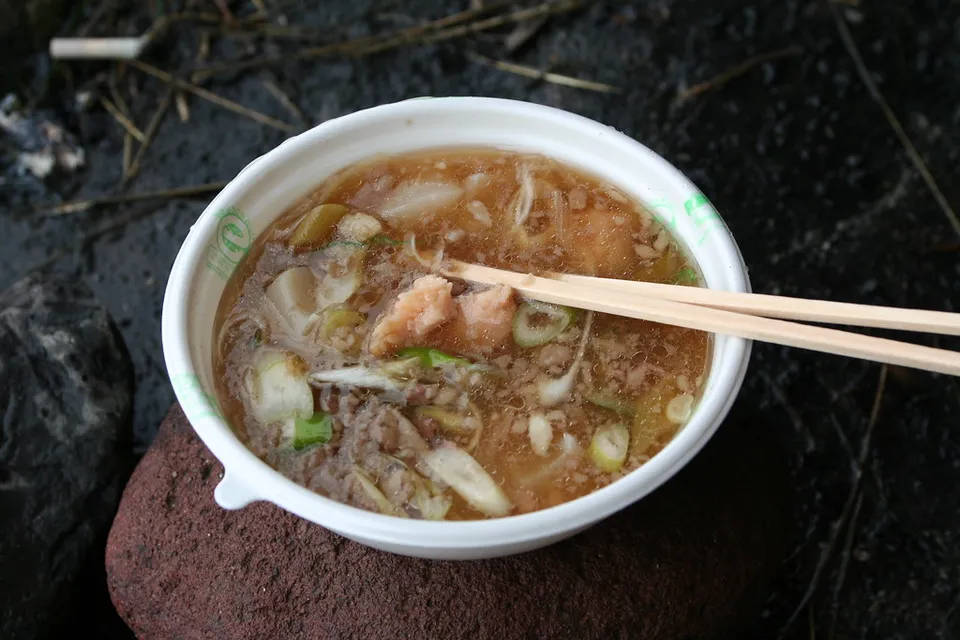
Imoni (taro stew)
A hearty autumn hotpot of taro root, beef and vegetables in soy- or miso-based broth. Locals gather for riverside 'imoni-kai' parties, and Yamagata City holds…
 Must-eat
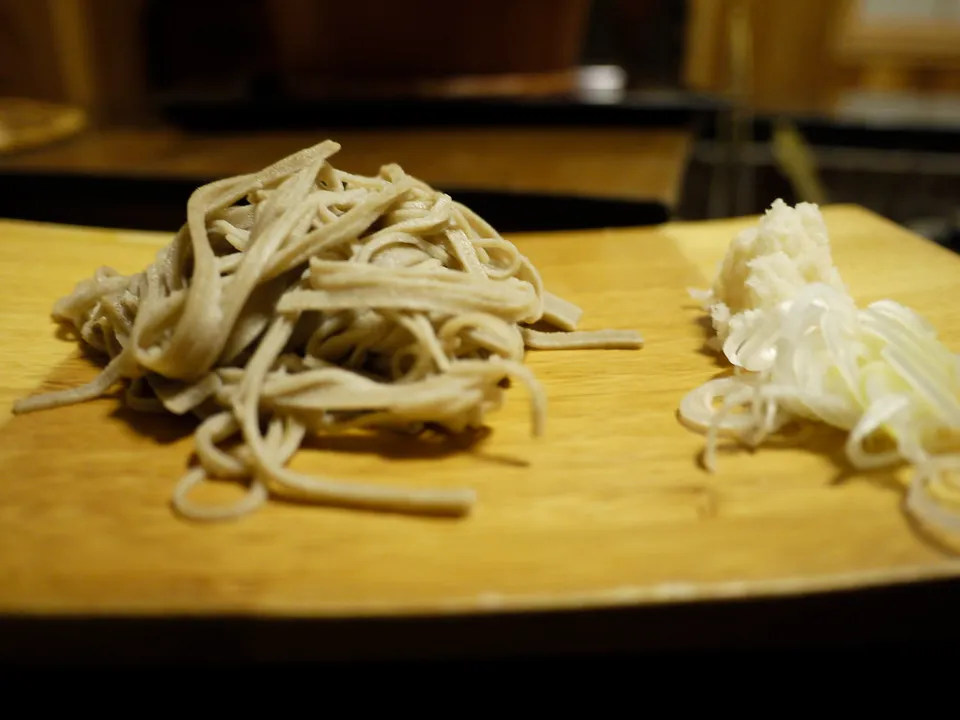
Yamagata soba
Thicker, chewier buckwheat noodles than the national norm, served along the prefecture's 'soba highways'; cold/chilled noodle dishes are a regional staple.
Yamagata at a glance
Next door
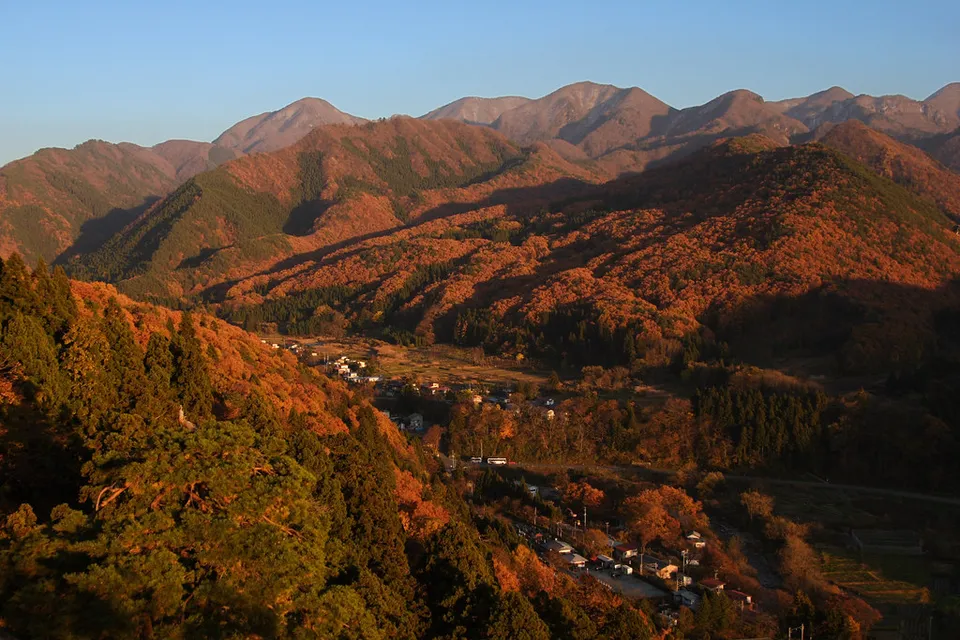
Links marked PR are affiliate links: if you book through them we may earn a commission at no extra cost to you. Photos: Yamadera — Alexandre Breveglieri via Flickr, CC BY 2.0 · Ginzan Onsen — LIKEWORKS via FIND/47, CC BY 4.0 · Mount Zao — granpapa3 via FIND/47, CC BY 4.0 · Yamadera — mrhayata via Flickr, CC BY-SA 2.0 · Ginzan Onsen — Sergiy Galyonkin via Flickr, CC BY-SA 2.0 · Imoni — f_a_r_e_w_e_l_l via Flickr, CC BY-SA 2.0 · Yamagata soba — Saké Puppets via Flickr, CC BY 2.0. Map: Geolonia (MIT).