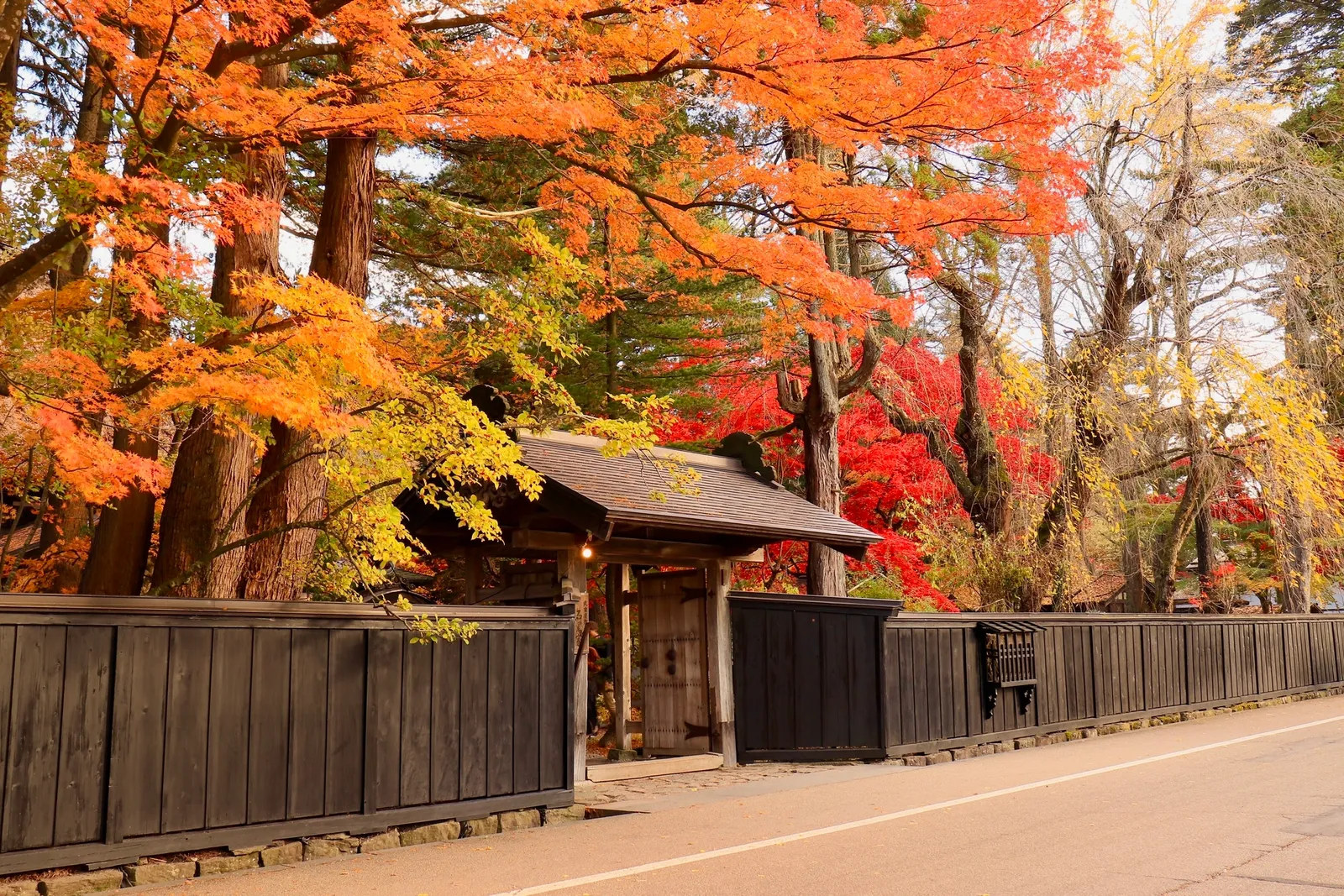
Akita is a snowy northern Tohoku prefecture famed for its Kanto Festival of giant lantern-laden bamboo poles balanced on performers' bodies, top-grade sake and rice, and Lake Tazawa, Japan's deepest lake. It is also home to the namahage demon-visitor tradition and beautifully preserved Edo-period samurai townscapes.
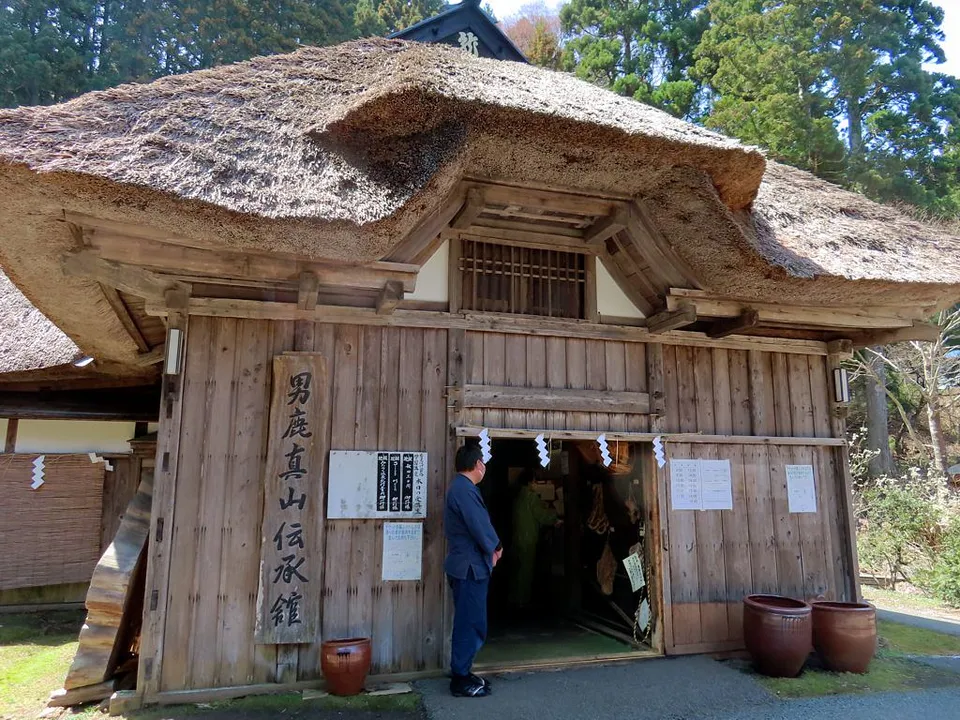
Akita (秋田) is old rice-and-sake country. Kakunodate (角館) preserves Edo-period samurai residences, and the Oga (男鹿) peninsula keeps the Namahage (なまはげ) New Year ritual alive.
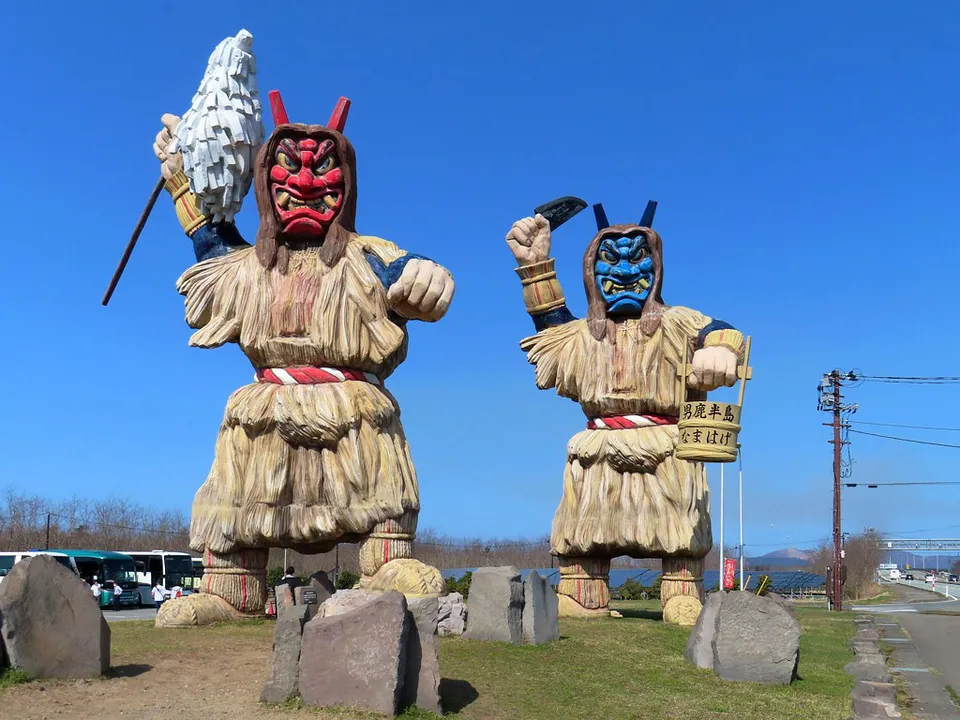
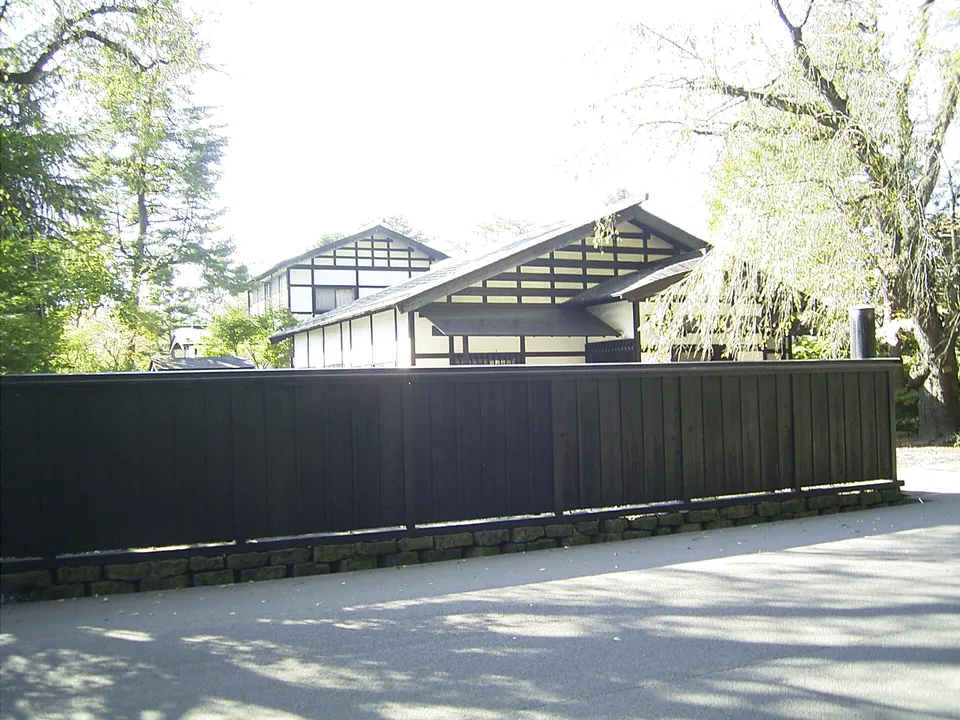
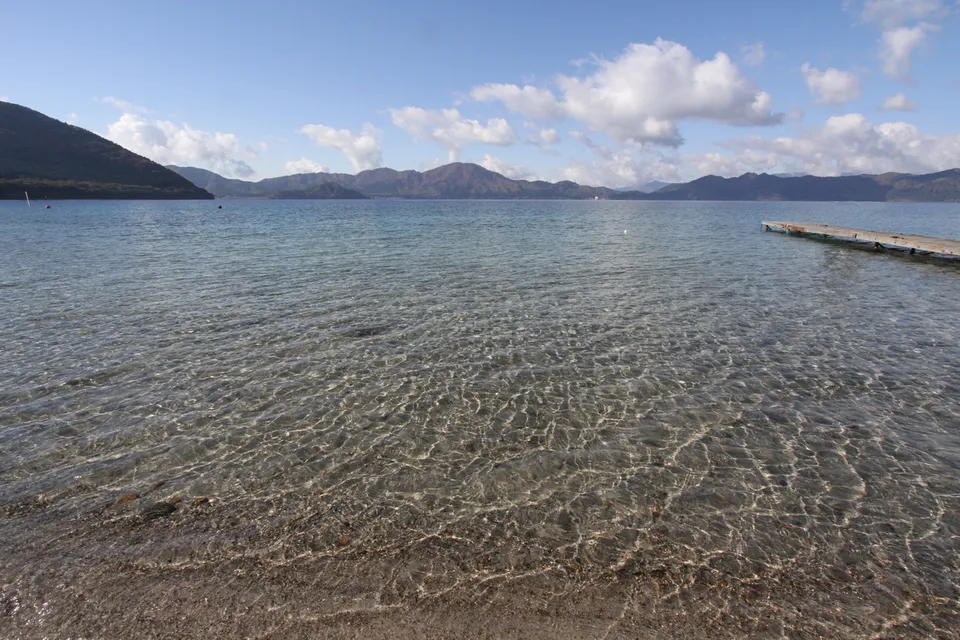
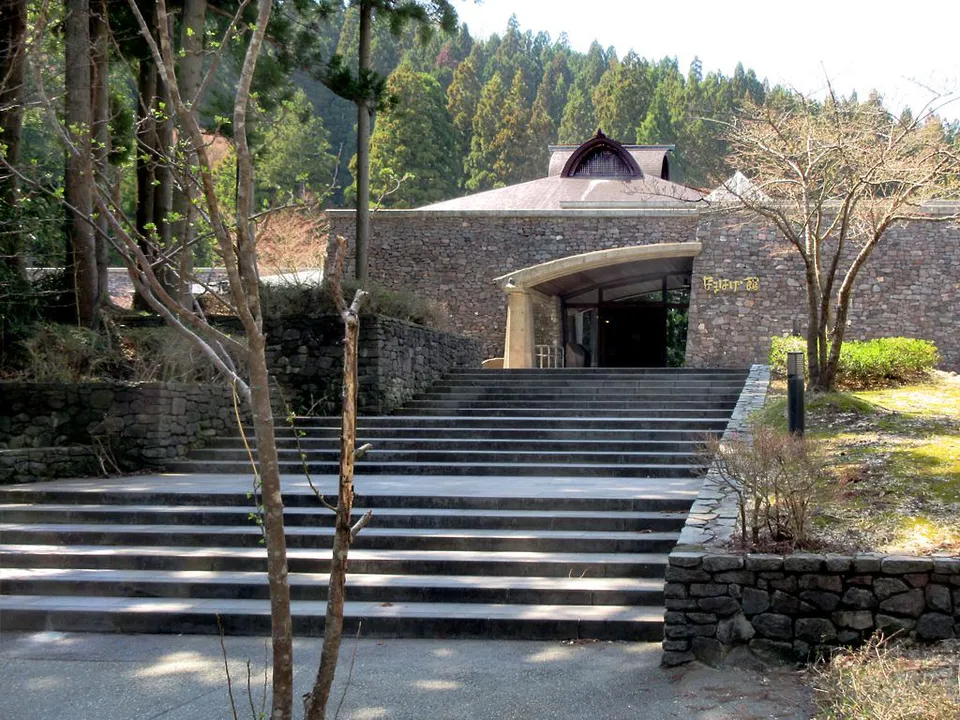
Photos: Oga Peninsula — D-Stanley via Flickr, CC BY 2.0 · Kakunodate samurai district — Kmhkmh via Wikimedia Commons, CC BY 3.0 · Lake Tazawa — T-KIMURA via FIND/47, CC BY 4.0 · Namahage Sedo Festival — D-Stanley via Flickr, CC BY 2.0
Akita is ~3h40m from Tokyo by Akita Shinkansen.
 Top pick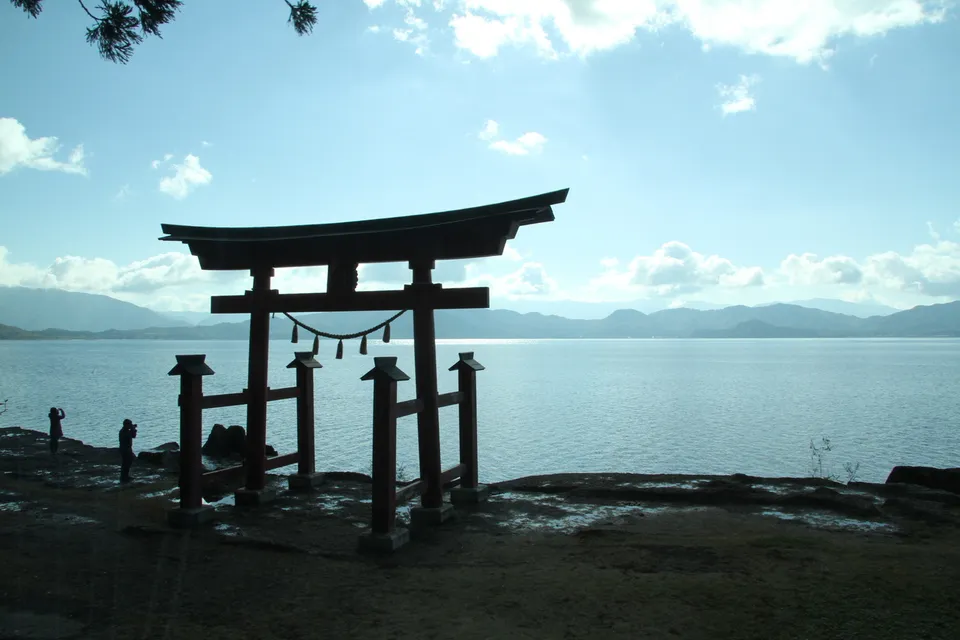

 Must-eat
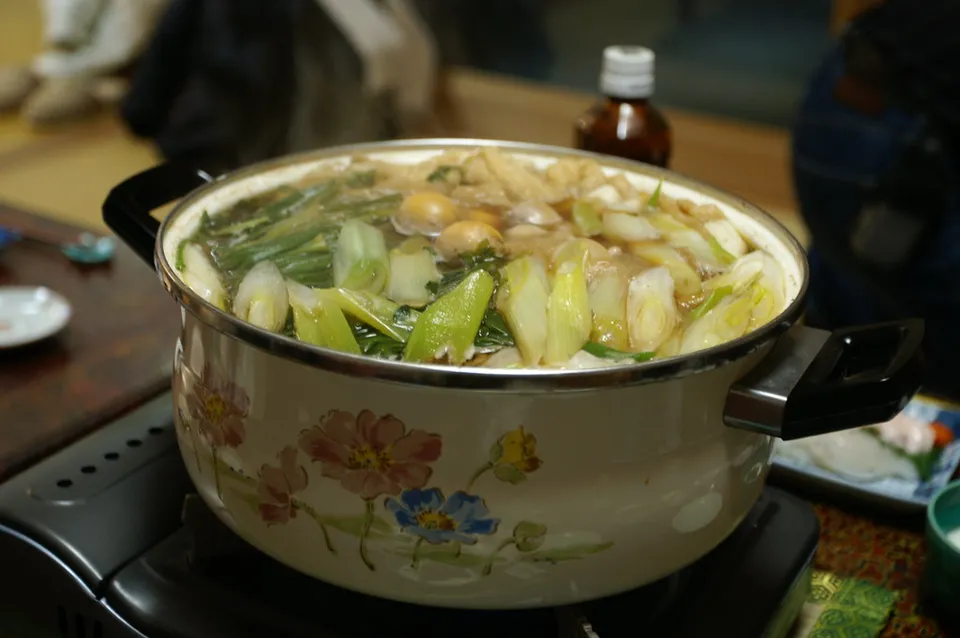
Kiritanpo (kiritanpo nabe)
Mashed local rice pressed onto cedar skewers, toasted, then simmered in a Hinai-jidori chicken hotpot. An iconic Akita winter dish originating in the…
 Must-eat
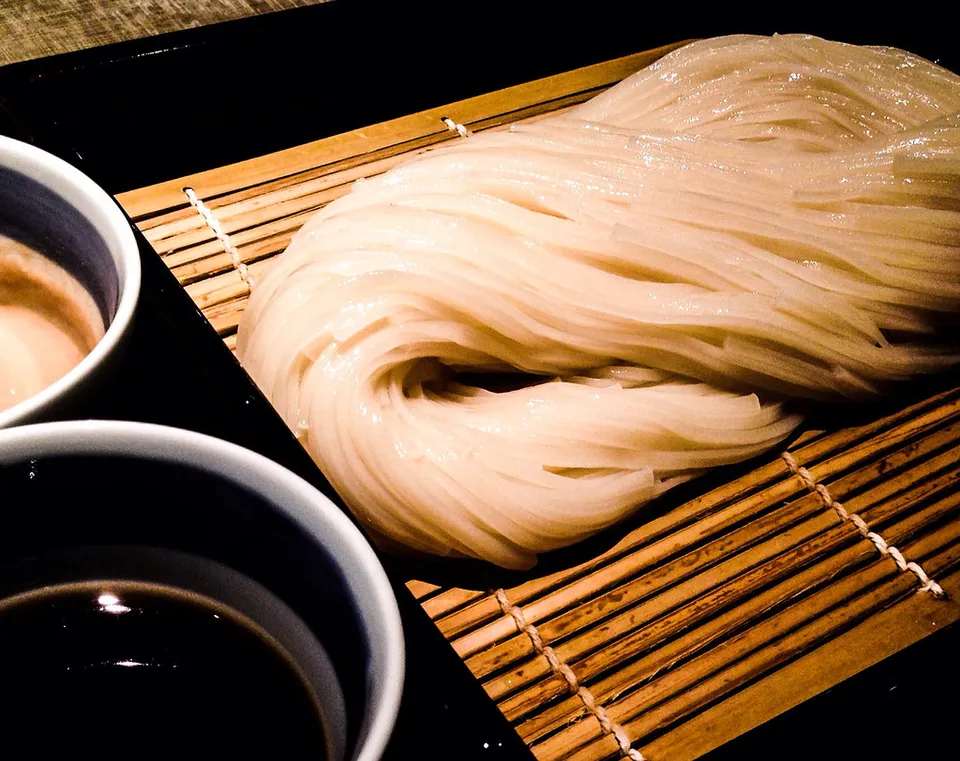
Inaniwa udon
Counted among Japan's three great udon. Thin, flat, hand-pulled wheat noodles with a smooth, firm texture, made for over 300 years in Inaniwa, Yuzawa City.
 Must-eat
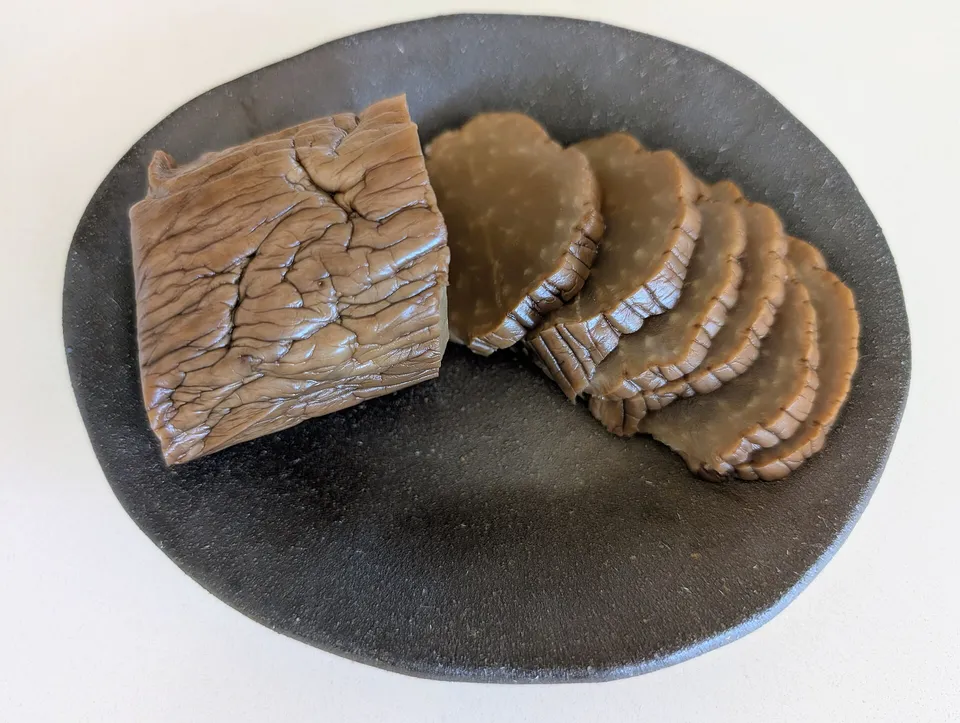
Iburigakko
Smoked daikon pickle unique to Akita, where the radish is smoke-dried over a hearth (rather than sun-dried) due to the snowy climate; prized for its savory,…
Akita at a glance
Next door
Links marked PR are affiliate links: if you book through them we may earn a commission at no extra cost to you. Photos: Kakunodate — preserved samurai district — Ken_Lee via FIND/47, CC BY 4.0 · Oga Peninsula — D-Stanley via Flickr, CC BY 2.0 · Kakunodate samurai district — Kmhkmh via Wikimedia Commons, CC BY 3.0 · Lake Tazawa — T-KIMURA via FIND/47, CC BY 4.0 · Namahage Sedo Festival — D-Stanley via Flickr, CC BY 2.0 · Oga Peninsula — D-Stanley via Flickr, CC BY 2.0 · Lake Tazawa — T-KIMURA via FIND/47, CC BY 4.0 · Kiritanpo — Hyougushi via Flickr, CC BY-SA 2.0 · Inaniwa udon — Galapadish via Flickr, CC BY-SA 2.0 · Iburigakko — Asamboi via Wikimedia Commons, CC BY-SA 4.0. Map: Geolonia (MIT).
