Honshu's northernmost prefecture, Aomori is Japan's apple kingdom (about 60% of national output) and home to the thunderous Nebuta Festival, with Hirosaki Castle ranking among the country's top cherry-blossom spots.
Aomori (青森) faces the Tsugaru Strait at Honshu's northern tip. The Sannai-Maruyama (三内丸山) site shows a large Jōmon settlement from over 5,000 years ago, and Hirosaki (弘前) grew as a castle town of the Tsugaru clan.
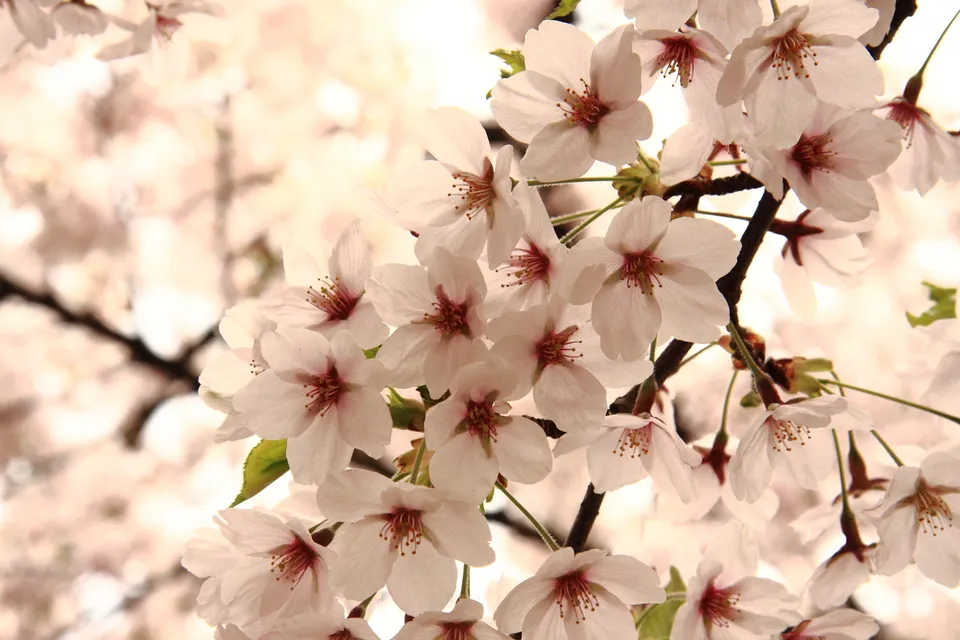
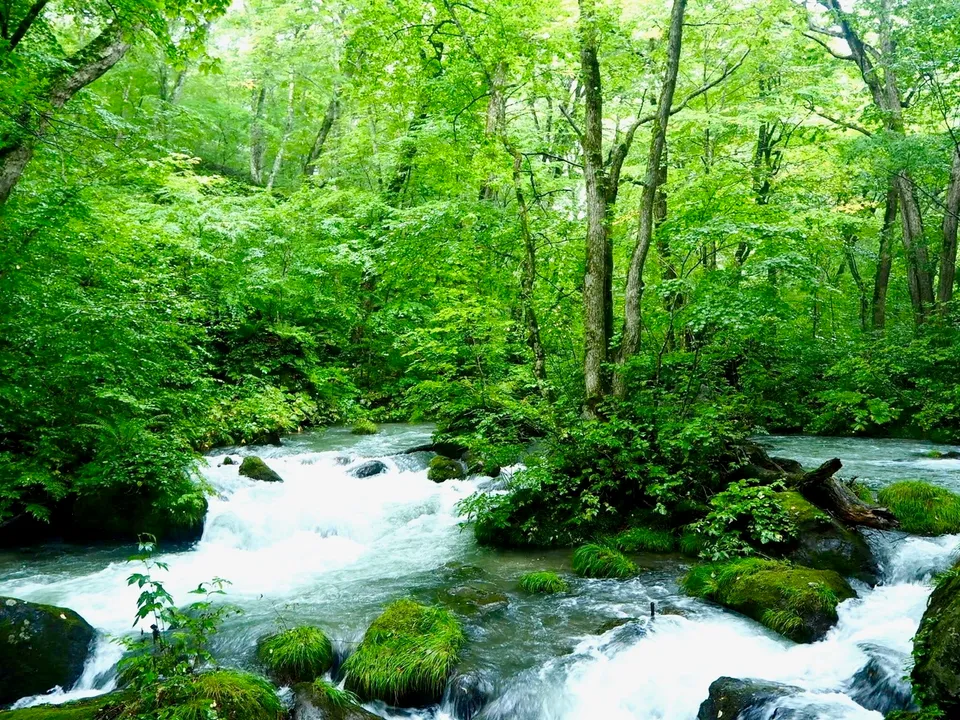
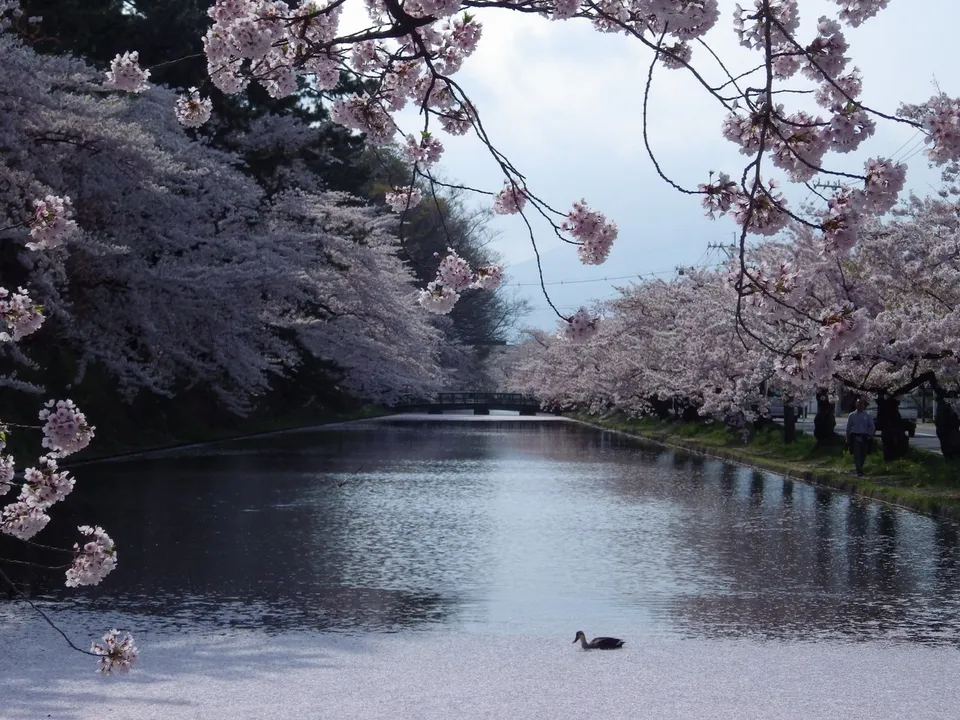
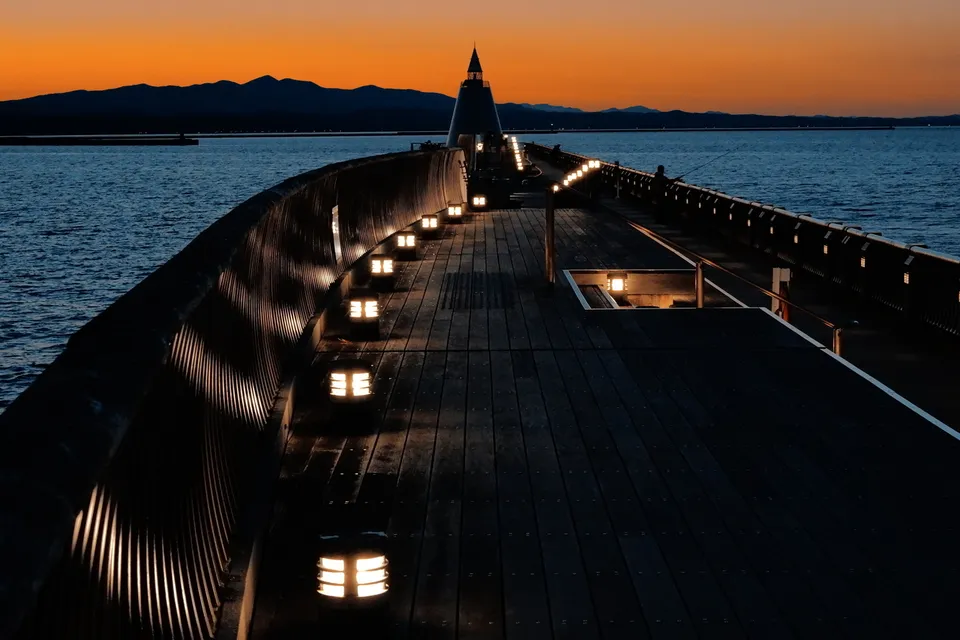
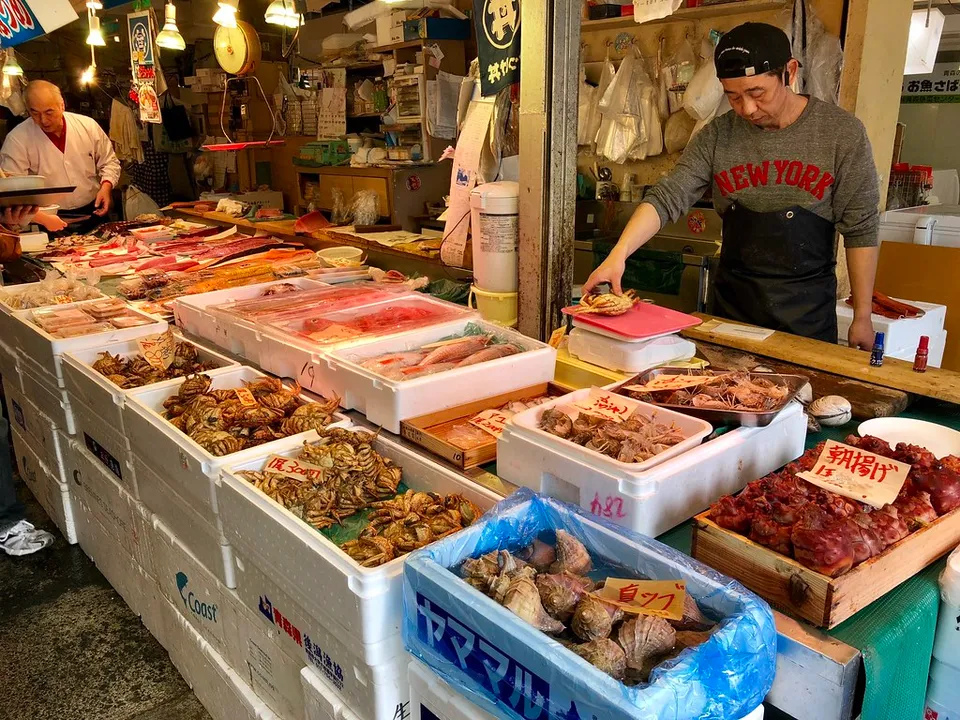
Photos: Hirosaki Castle — hirayama_920 via FIND/47, CC BY 4.0 · Oirase Gorge — ShozzaTrip via FIND/47, CC BY 4.0 · Hirosaki Castle in cherry-blossom season — Taku via FIND/47, CC BY 4.0 · Tatehana Wharf Morning Market — keey via FIND/47, CC BY 4.0
About 3 hours from Tokyo by Tōhoku Shinkansen to Shin-Aomori.
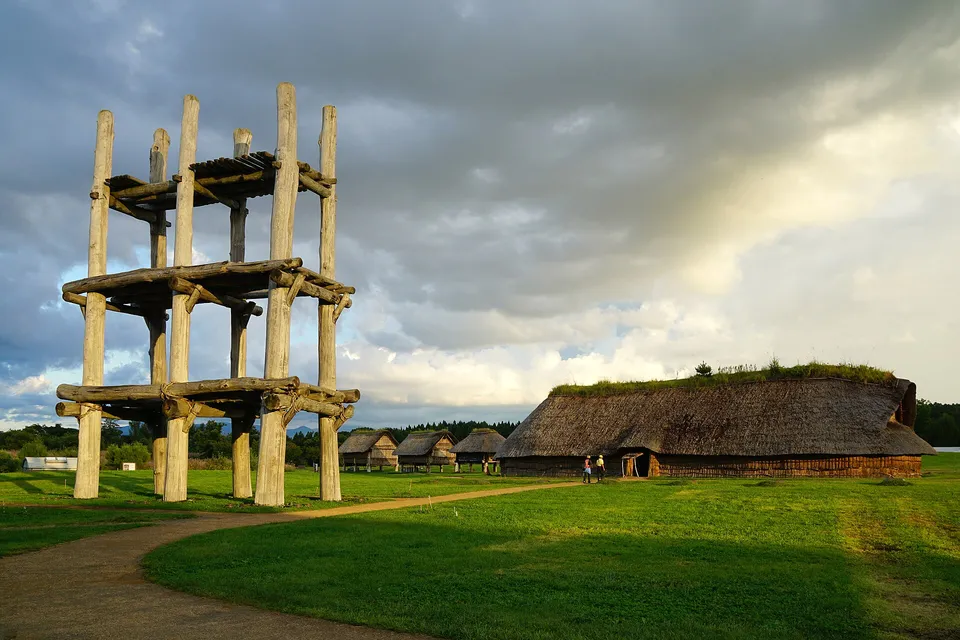 Top pick
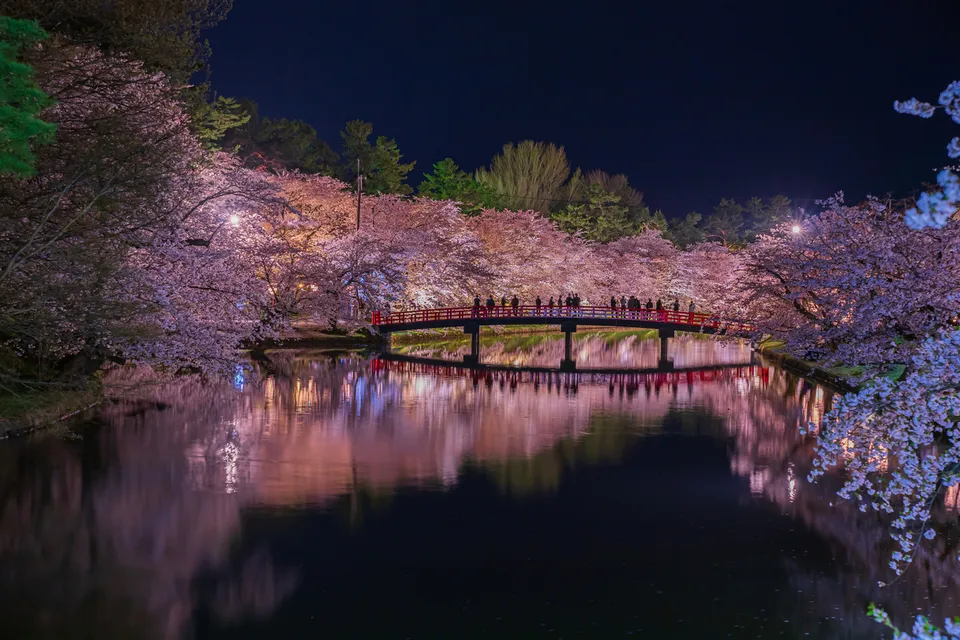 Top pick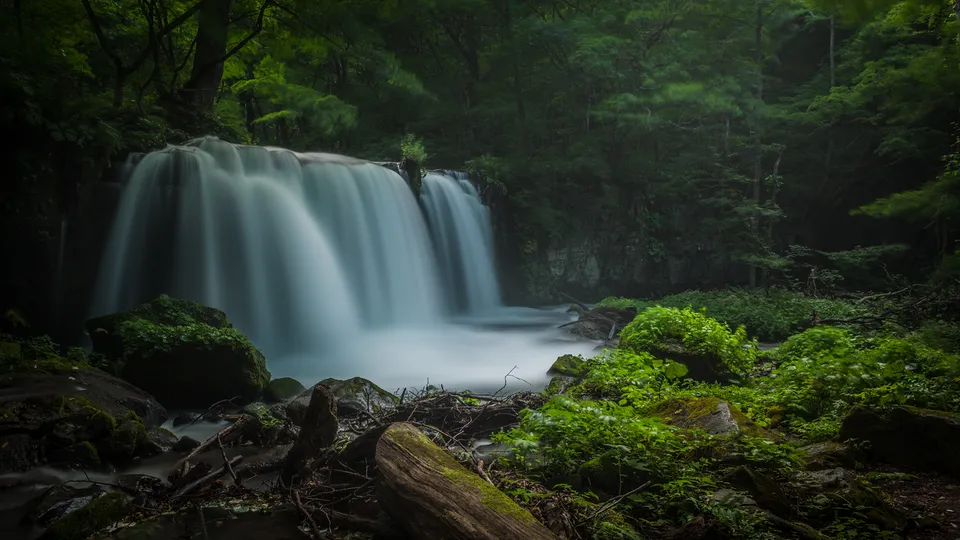

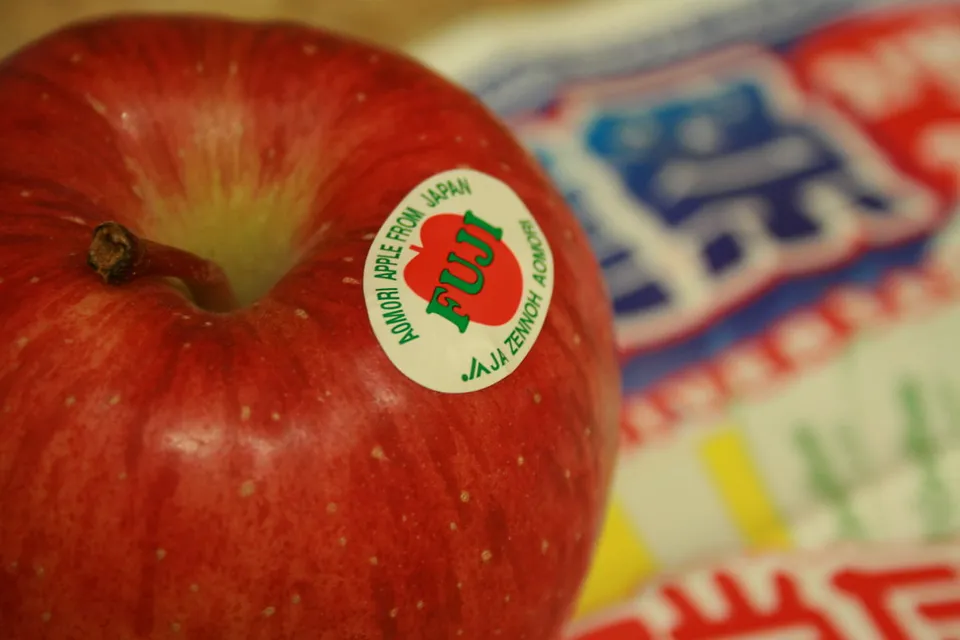 Must-eat
Ringo (Aomori apples)
Aomori is Japan's top apple-producing prefecture; Hirosaki is famous for its apple pie trail with ~50 local shop varieties indexed in a dedicated guide.
Ichigo-ni
A Hachinohe-area soup of sea urchin (uni) and abalone (awabi); the milky broth makes the uni look like wild strawberries, hence the name.
 Local secret
Iga-menchi
A Hirosaki home-style fried fishcake of finely chopped squid scraps and vegetables; a thrifty local snack rarely found outside the Tsugaru region.
Aomori at a glance
Next door
Links marked PR are affiliate links: if you book through them we may earn a commission at no extra cost to you. Photos: Sannai-Maruyama Special Historic Site — 663highland via Wikimedia Commons, CC BY 2.5 · Hirosaki Castle — hirayama_920 via FIND/47, CC BY 4.0 · Oirase Gorge — ShozzaTrip via FIND/47, CC BY 4.0 · Hirosaki Castle in cherry-blossom season — Taku via FIND/47, CC BY 4.0 · Tatehana Wharf Morning Market — keey via FIND/47, CC BY 4.0 · Hirosaki Castle — mko294 via FIND/47, CC BY 4.0 · Lake Towada — TAKAO_Tsushima via FIND/47, CC BY 4.0 · Aomori apples — Richard Masoner / Cyclelicious via Flickr, CC BY-SA 2.0 · Nokke-don at Aomori Gyosai Center — bryan... via Flickr, CC BY-SA 2.0. Map: Geolonia (MIT).