Iwate is Japan's second-largest prefecture, in northern Tohoku, blending the UNESCO World Heritage temples and Pure Land gardens of Hiraizumi with the rugged, ria-indented Sanriku coast and its seafood-rich waters. Its castle-town capital Morioka was named one of The New York Times' "52 Places to Go in 2023."
Iwate (岩手) was the seat of the Northern Fujiwara, who built the gilded temples of Hiraizumi (平泉) in the 12th century as a Pure Land paradise on earth — now a UNESCO World Heritage Site.
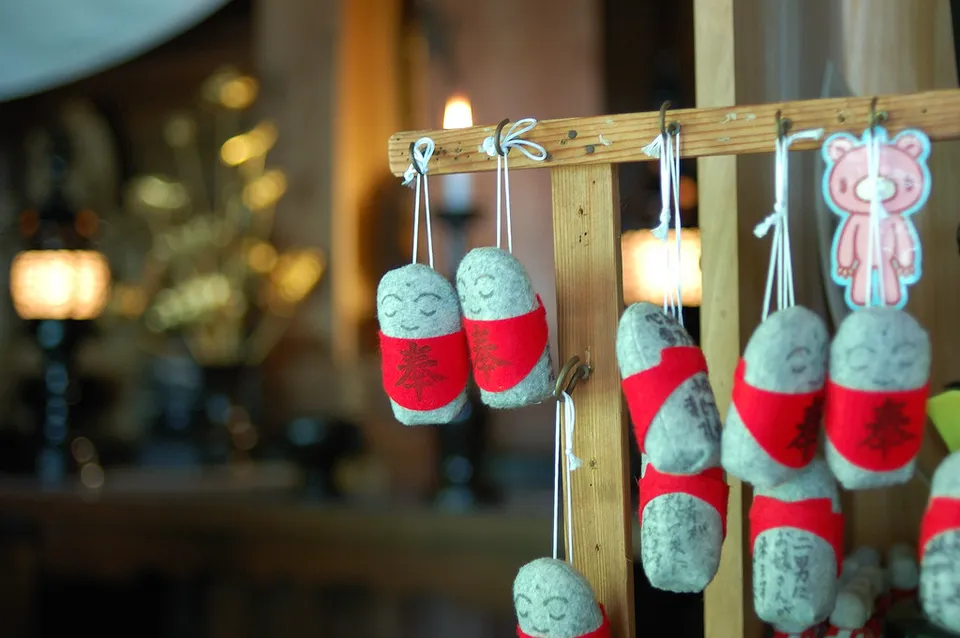
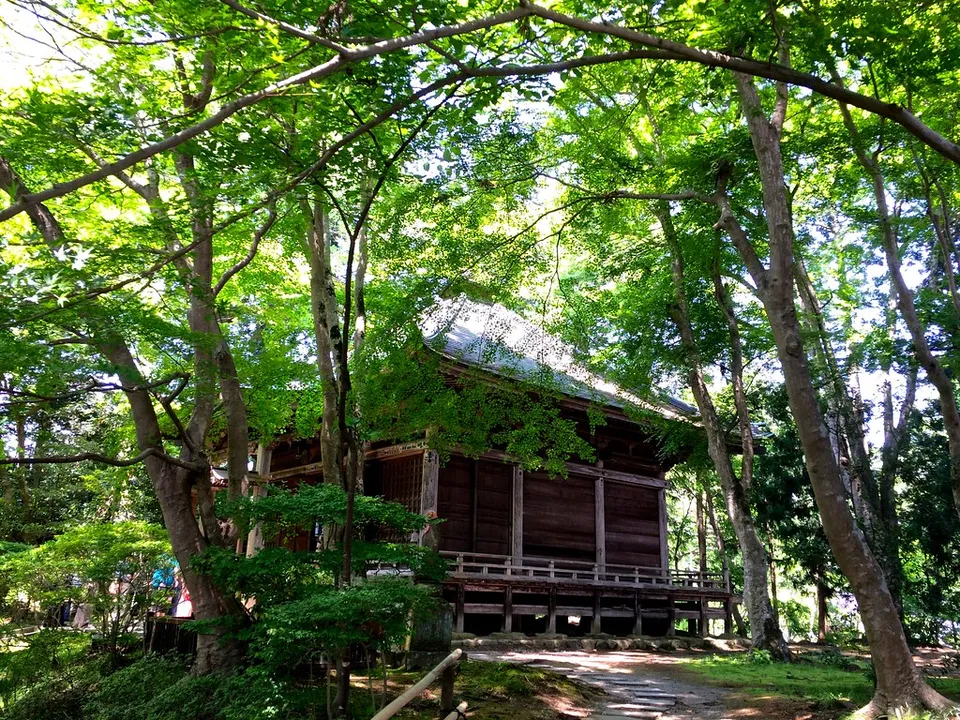
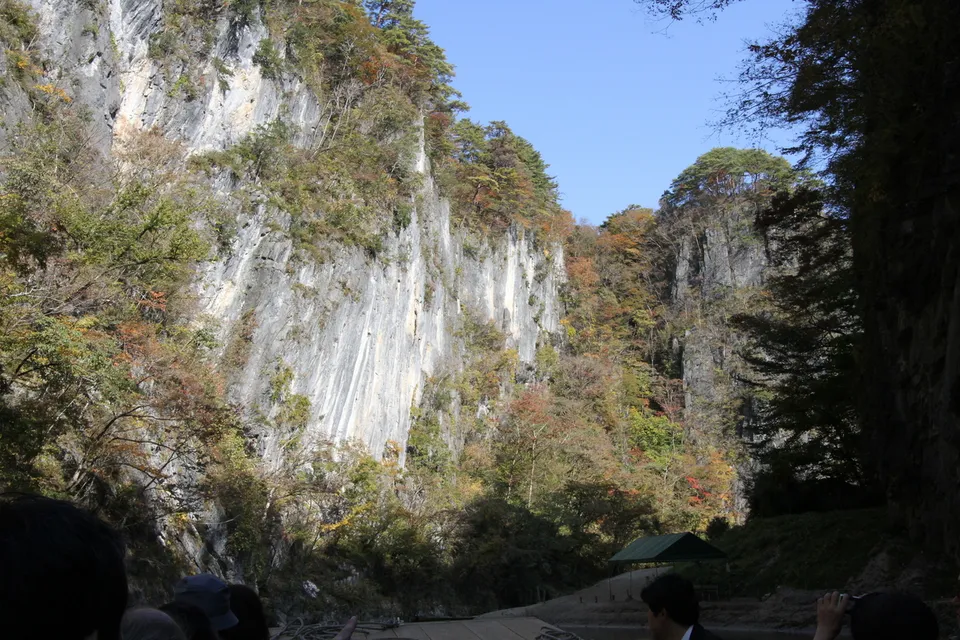
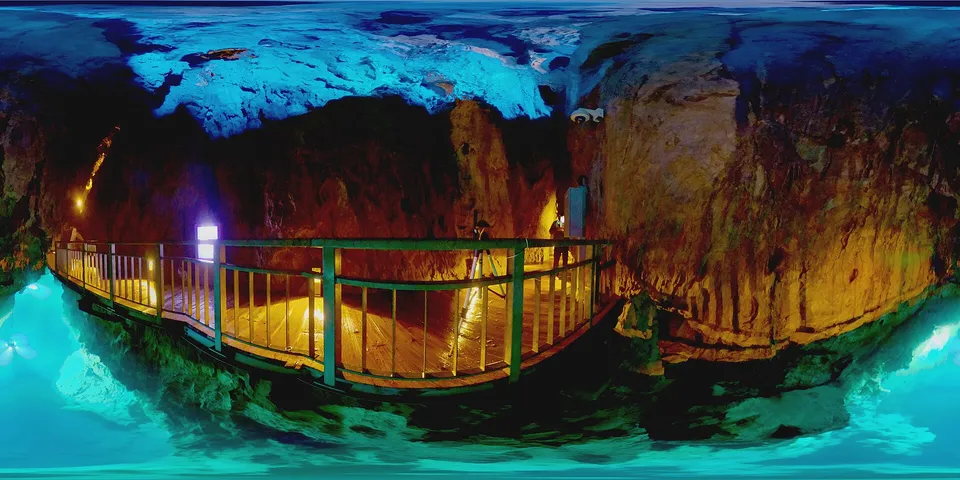
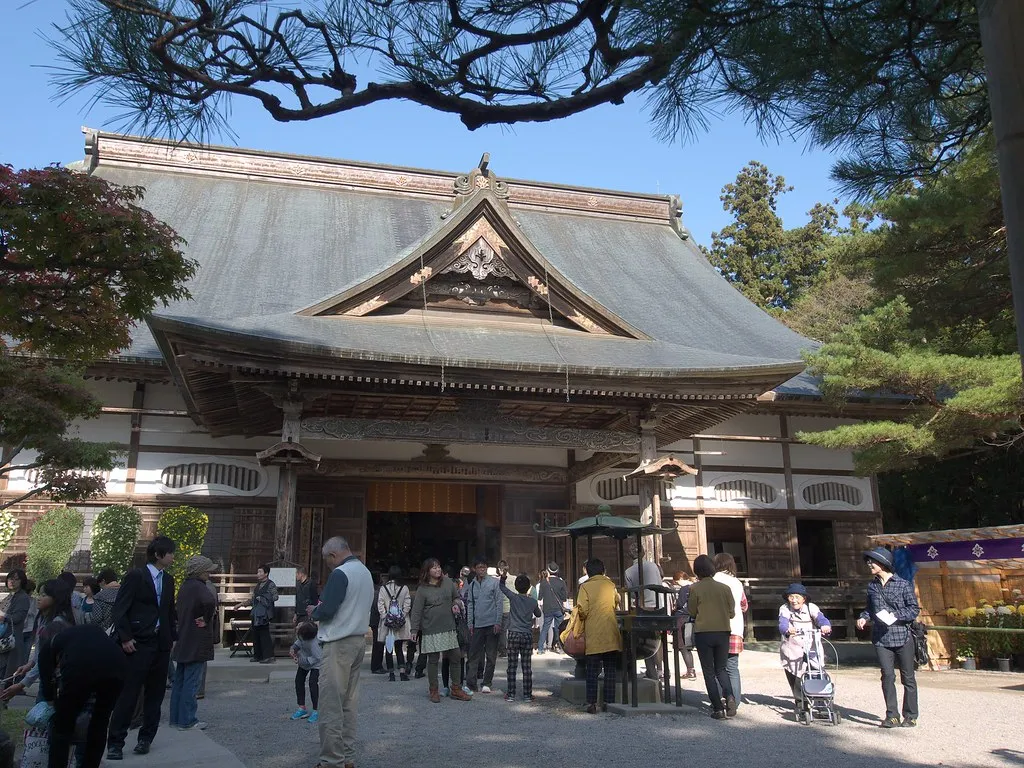
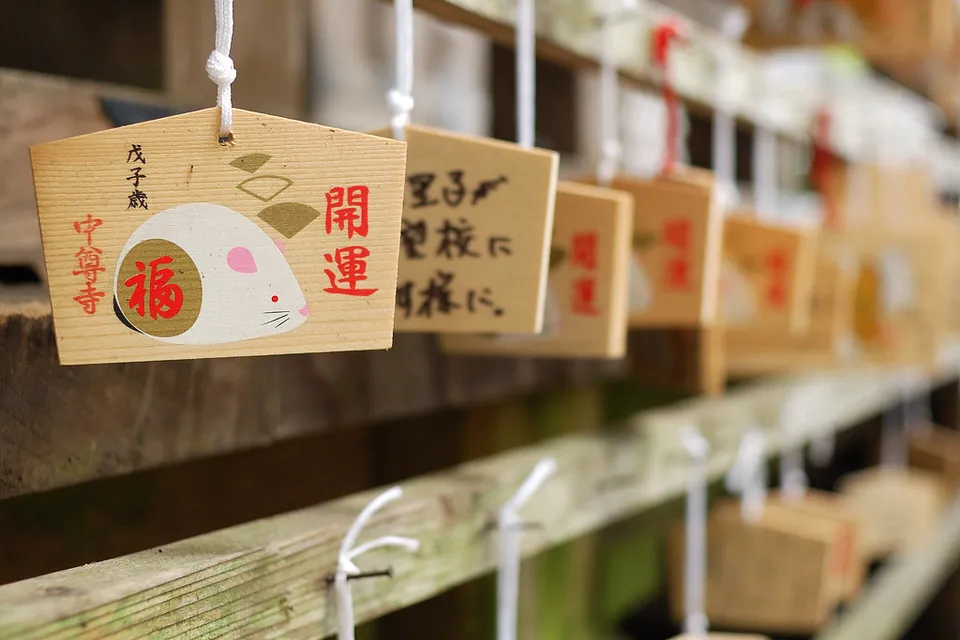
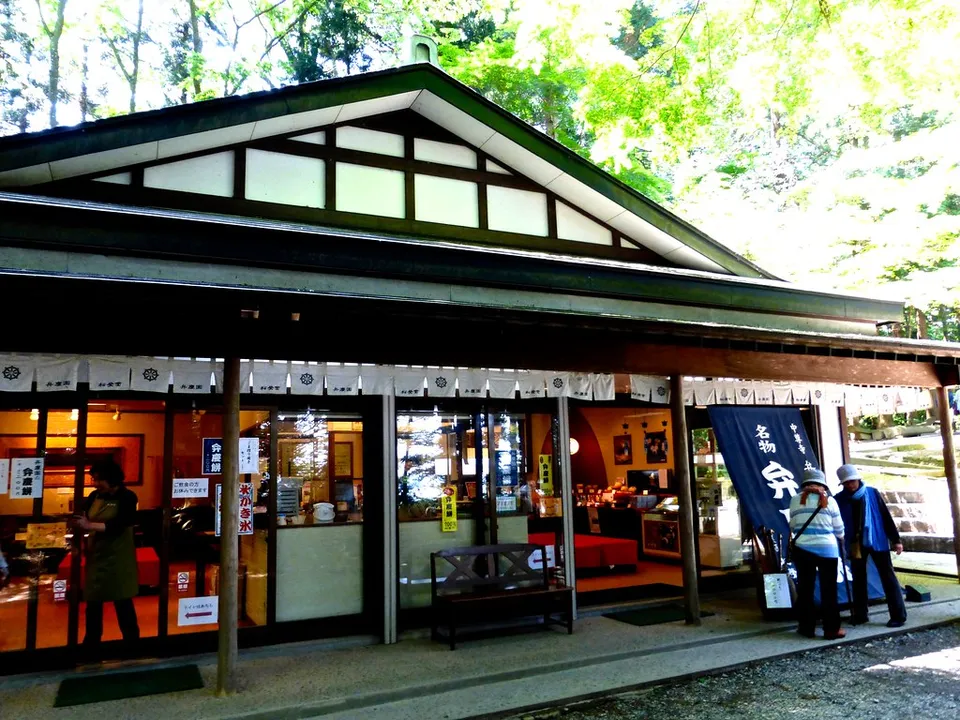
Photos: Chuson-ji Temple — Rosino via Flickr, CC BY-SA 2.0 · Motsu-ji Temple — HerryLawford via Flickr, CC BY 2.0 · Geibikei Gorge boat ride, Ichinoseki — T-KIMURA via FIND/47, CC BY 4.0 · Ryusendo Cave, Iwaizumi — -- [[利用者:あおもりくま|あおもりくま]] ( 会話 ) 2020年11月21日 (土) 01:03 (UTC) via Wikimedia Commons, Public domain
Morioka is ~2h10m from Tokyo by Tōhoku Shinkansen.
 Top pick
 Top pick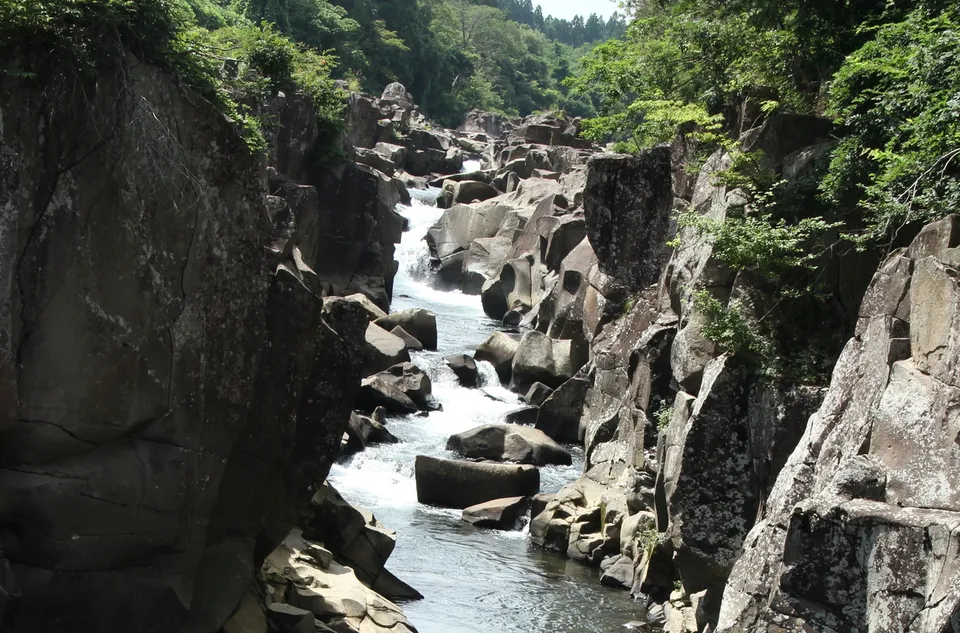
![-- [[利用者:あおもりくま|あおもりくま]] ( 会話 ) 2020年11月21日 (土) 01:03 (UTC)](https://commons.wikimedia.org/wiki/File:Ryusendo_Cave_Underground_Lake_R0012465_20201115101018.JPG)
 Must-eat
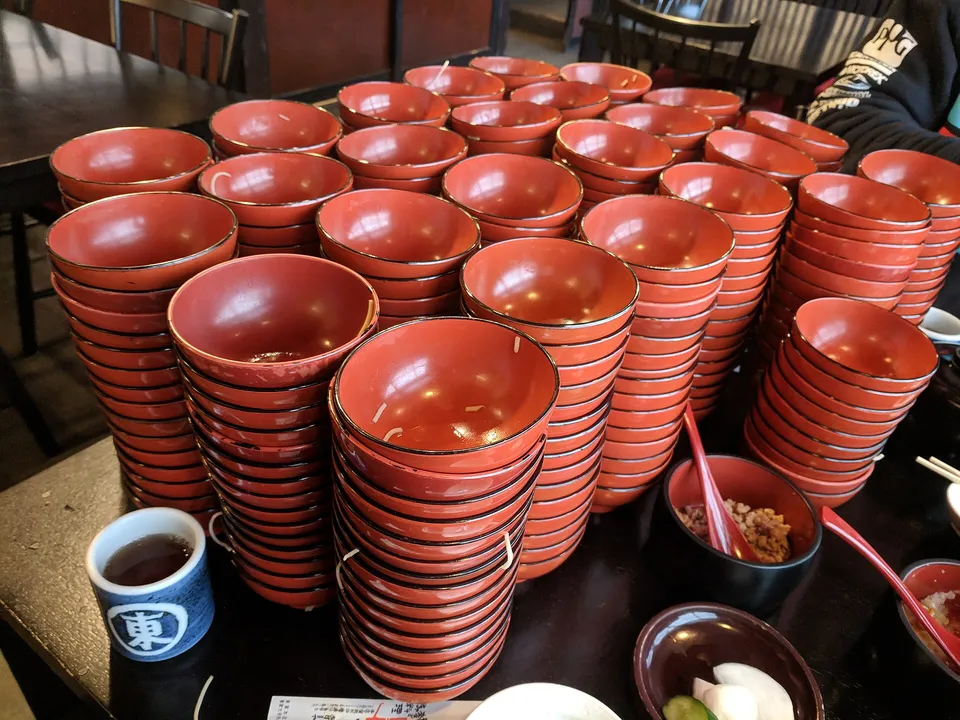
Wanko soba (わんこそば)
Iwate's signature soba experience: tiny single-bite portions of buckwheat noodles served continuously into your bowl in an all-you-can-eat challenge, a…
Morioka reimen (盛岡冷麺)
Chewy, springy cold noodles made from wheat flour and potato starch in a clear beef broth with kimchi, cucumber, egg and a slice of fruit; a Korean-inspired…
Morioka jajamen (盛岡じゃじゃ麺)
Flat udon-like noodles topped with savory miso-meat sauce, cucumber and scallions, mixed thoroughly before eating; brought back from Manchuria in 1945 and now…
Iwate at a glance
Next door
Links marked PR are affiliate links: if you book through them we may earn a commission at no extra cost to you. Photos: Chūson-ji — elminium via Flickr, CC BY 2.0 · Chuson-ji Temple — Rosino via Flickr, CC BY-SA 2.0 · Motsu-ji Temple — HerryLawford via Flickr, CC BY 2.0 · Geibikei Gorge boat ride, Ichinoseki — T-KIMURA via FIND/47, CC BY 4.0 · Ryusendo Cave, Iwaizumi — -- [[利用者:あおもりくま|あおもりくま]] ( 会話 ) 2020年11月21日 (土) 01:03 (UTC) via Wikimedia Commons, Public domain · Chuson-ji Temple — Rosino via Flickr, CC BY-SA 2.0 · Motsu-ji Temple — HerryLawford via Flickr, CC BY 2.0 · Geibikei Gorge boat ride, Ichinoseki — T-KIMURA via FIND/47, CC BY 4.0 · Wanko soba — Koltonsmith via Wikimedia Commons, CC BY-SA 4.0. Map: Geolonia (MIT).
