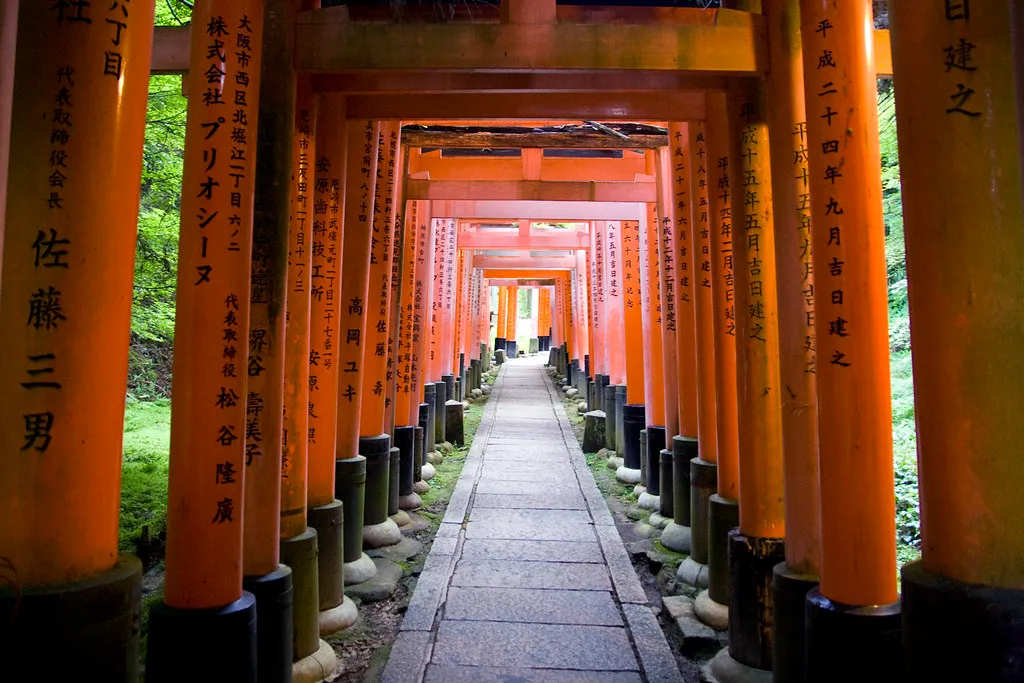
Temples, tea, bamboo — the cultural heart.
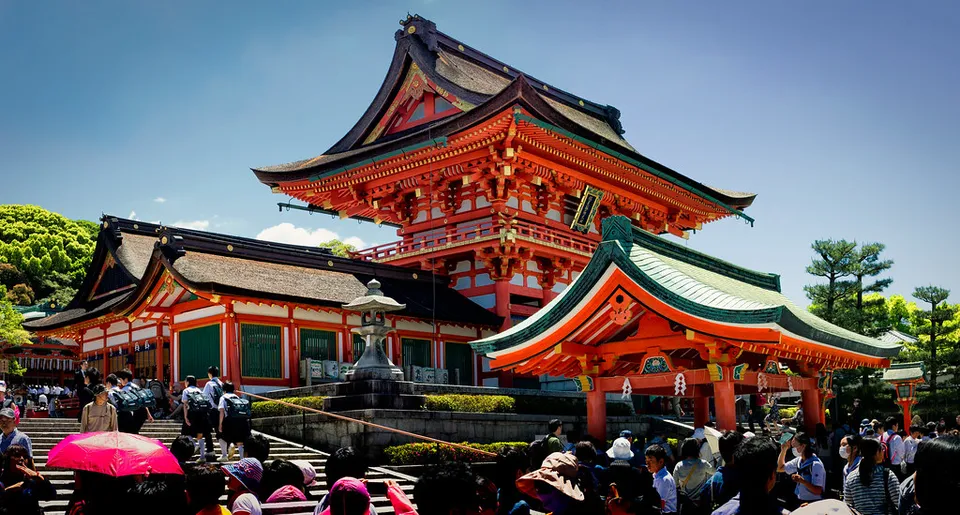
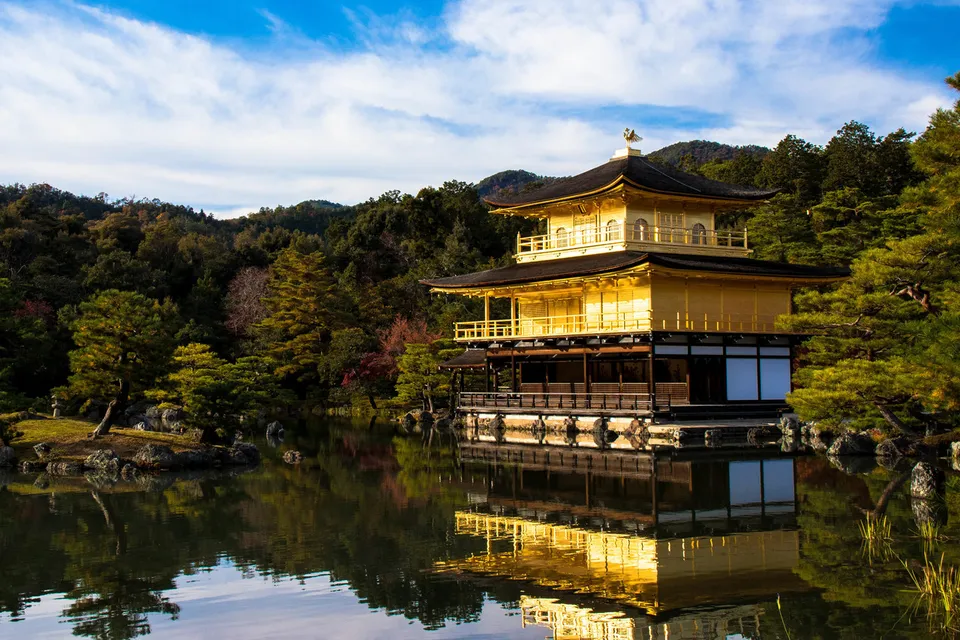
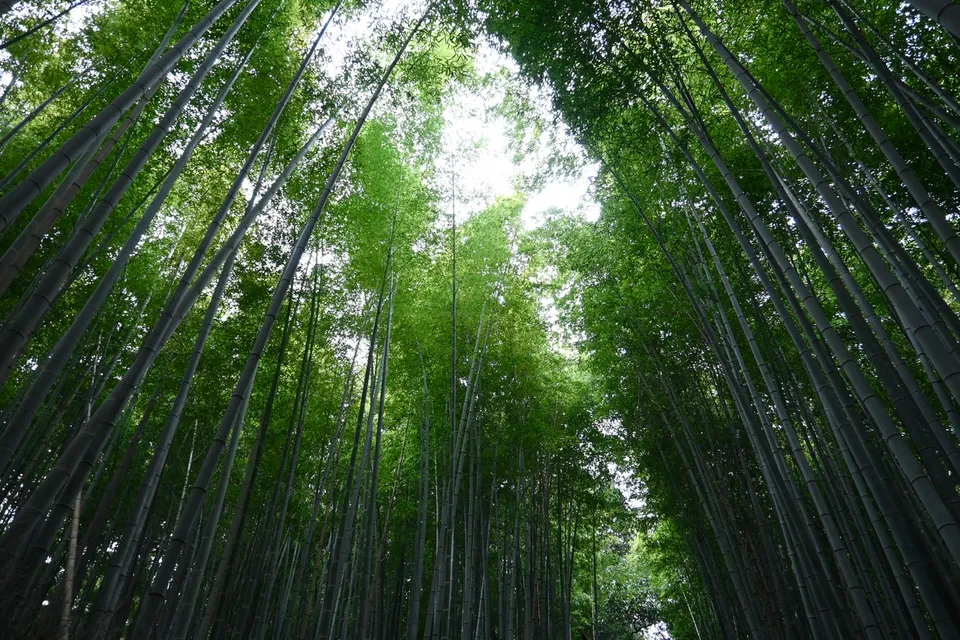
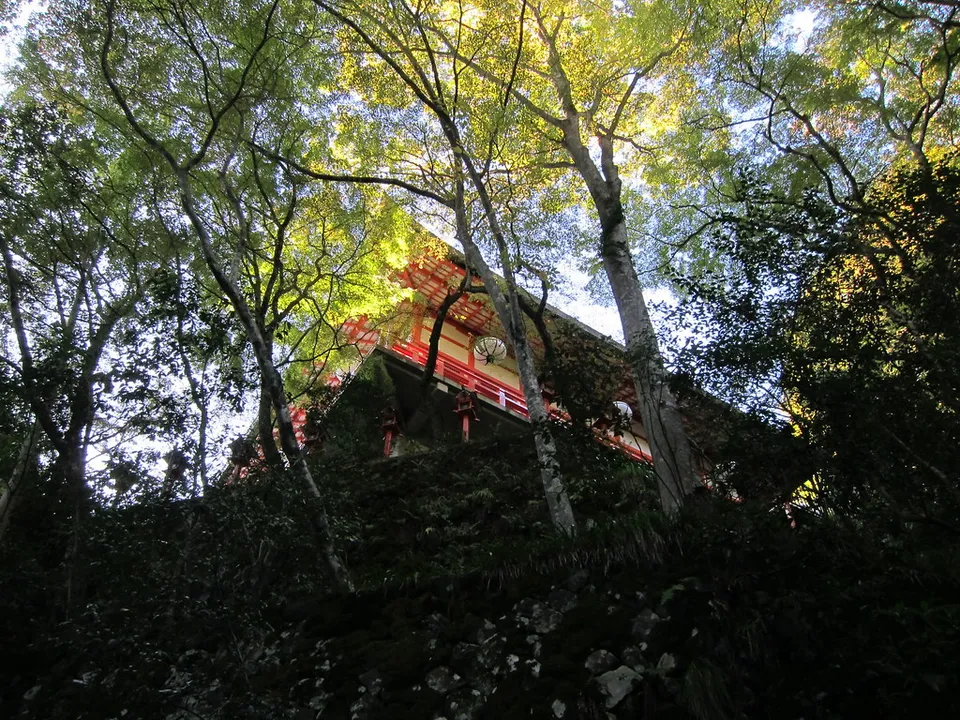
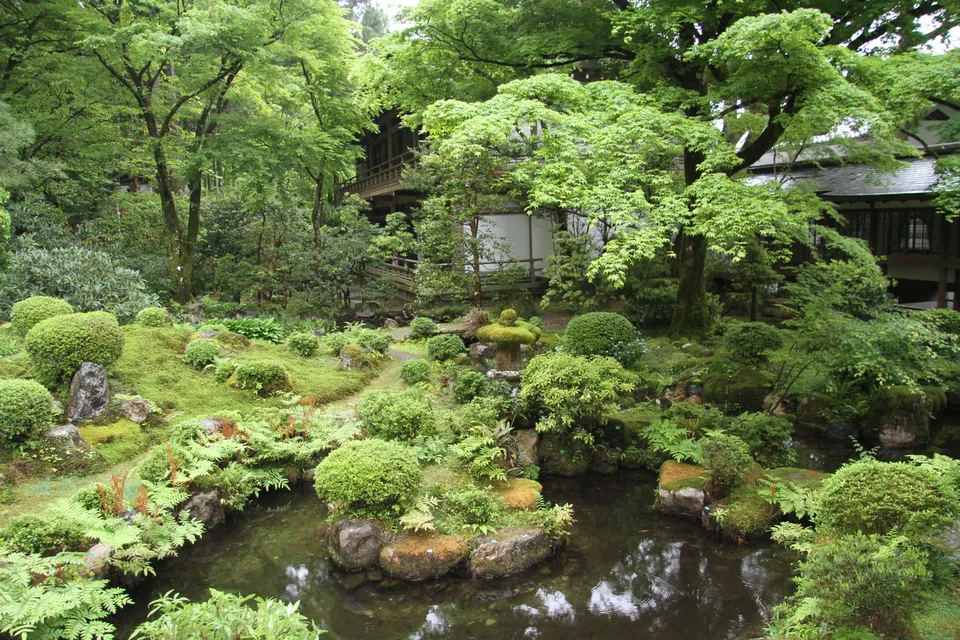
Photos: Fushimi Inari Taisha — Ray in Manila via Flickr, CC BY 2.0 · Kinkaku-ji — YANSANSEI via FIND/47, CC BY 4.0 · Arashiyama Bamboo Grove — 775 via FIND/47, CC BY 4.0 · Kurama-dera — cristinabe via Flickr, CC BY 2.0 · Ohara — T-KIMURA via FIND/47, CC BY 4.0
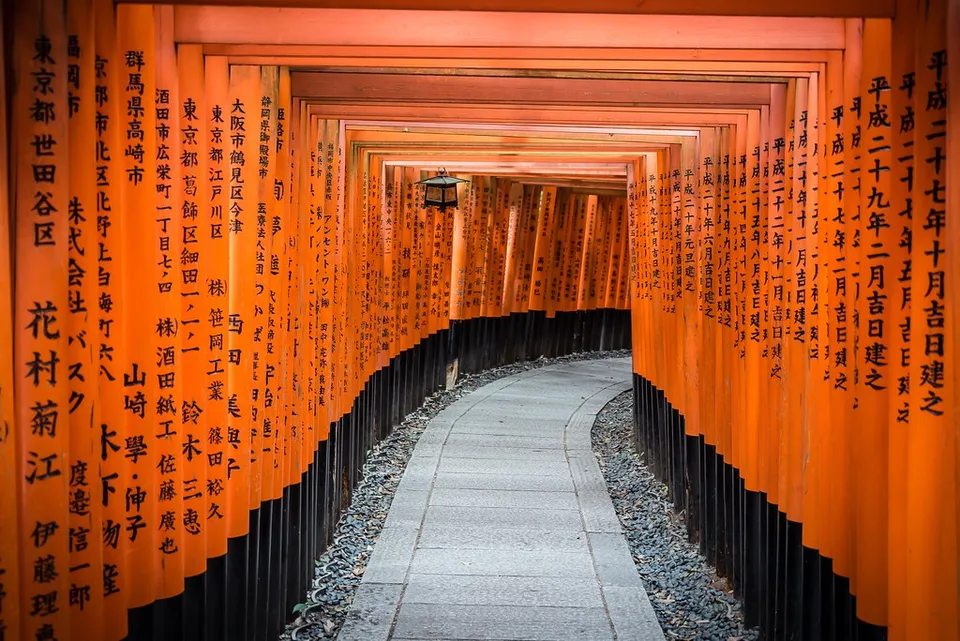 Top pick
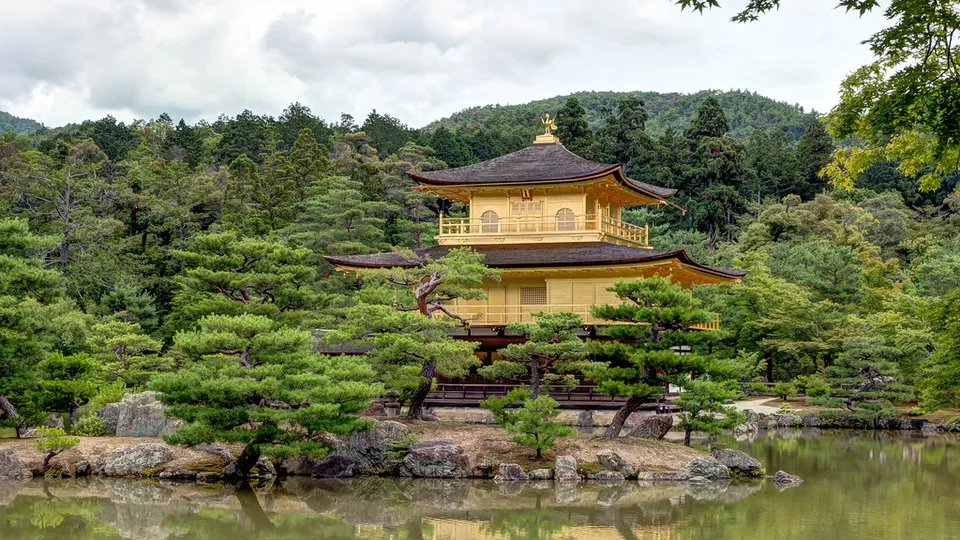 Top pick
 Must-eat
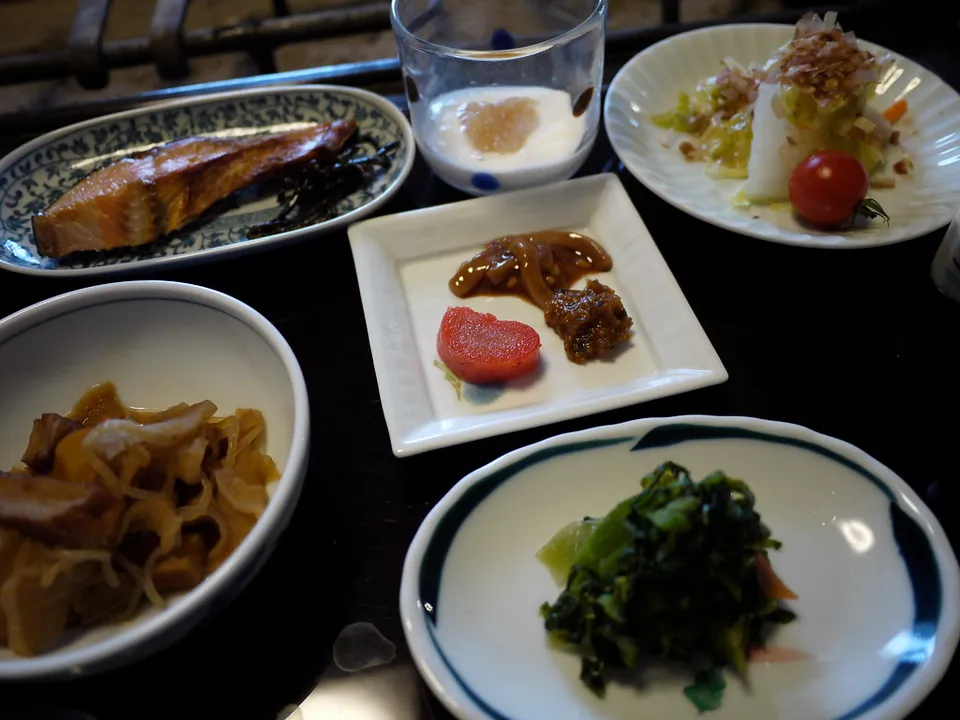
Kaiseki (Kyo-kaiseki)
Kyoto's multi-course haute cuisine that grew out of the tea ceremony; considered the pinnacle of Japanese fine dining, emphasizing seasonality, presentation…
 Must-eat
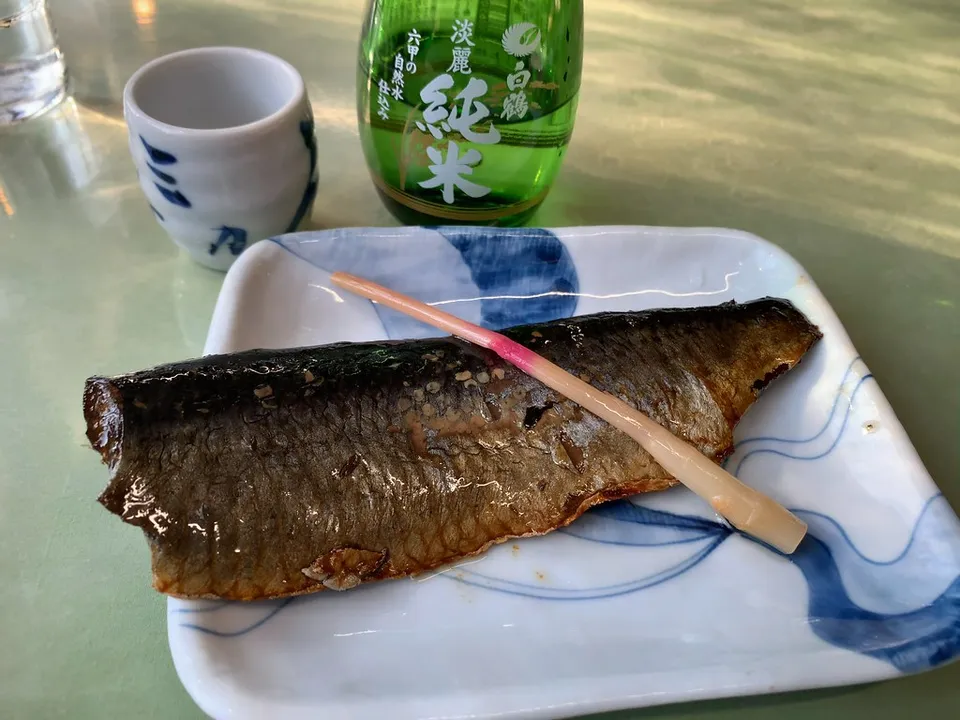
Nishin soba (herring soba)
Sweet-savory simmered dried herring over warm soba; said to have been created in 1882 at Matsuba near Minamiza Theatre, and a Kyoto staple ever since.
 Local secret
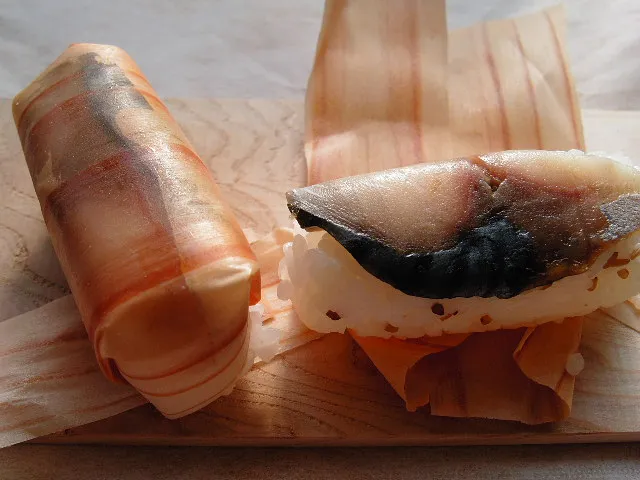
Saba-zushi (pressed mackerel sushi)
A landlocked-Kyoto classic born of the 'Saba Kaido' (Mackerel Road): salt-and-vinegar cured mackerel pressed onto rice and wrapped in kombu. Found at…
Kyoto at a glance
Next door
Links marked PR are affiliate links: if you book through them we may earn a commission at no extra cost to you. Photos: Fushimi Inari Taisha — Dimitry B via Flickr, CC BY 2.0 · Fushimi Inari Taisha — Ray in Manila via Flickr, CC BY 2.0 · Kinkaku-ji — YANSANSEI via FIND/47, CC BY 4.0 · Arashiyama Bamboo Grove — 775 via FIND/47, CC BY 4.0 · Kurama-dera — cristinabe via Flickr, CC BY 2.0 · Ohara — T-KIMURA via FIND/47, CC BY 4.0 · Fushimi Inari Taisha — ElleFlorio via Flickr, CC BY-SA 2.0 · Kinkaku-ji — Mustang Joe via Flickr, CC CC0 1.0 · Arashiyama Bamboo Grove — rikky_photography via FIND/47, CC BY 4.0 · Kaiseki — Saké Puppets via Flickr, CC BY 2.0 · Nishin soba — nakashi via Flickr, CC BY-SA 2.0 · Saba-zushi — エコ殿様 via Wikimedia Commons, CC BY-SA 4.0. Map: Geolonia (MIT).
