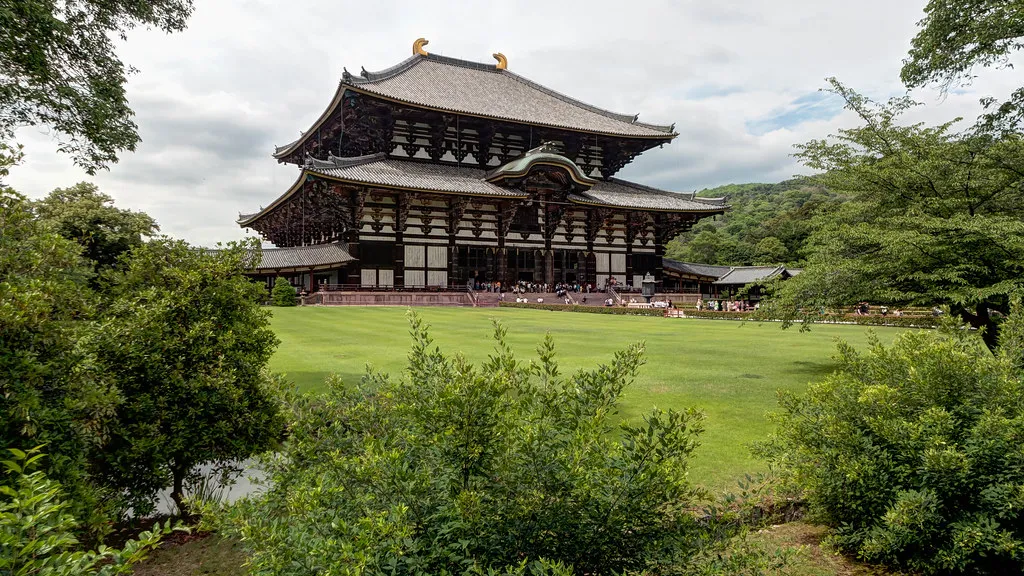
Nara was Japan's first permanent capital (710-784) and holds more UNESCO World Heritage sites than any other prefecture, where ancient temples, free-roaming sacred deer, and mountainsides of cherry blossoms meet. This landlocked Kansai prefecture is a living museum of the country's earliest court culture.
Nara (奈良) was Japan's first permanent capital (710–784). Tōdai-ji's (東大寺) Great Buddha was cast in 752, and Hōryū-ji (法隆寺) contains some of the world's oldest surviving wooden buildings.
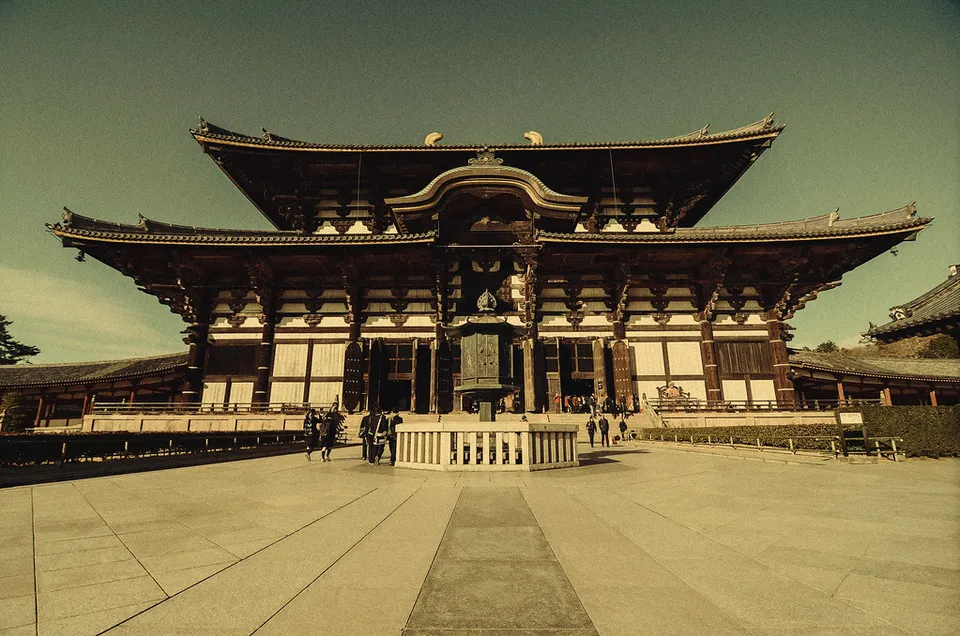
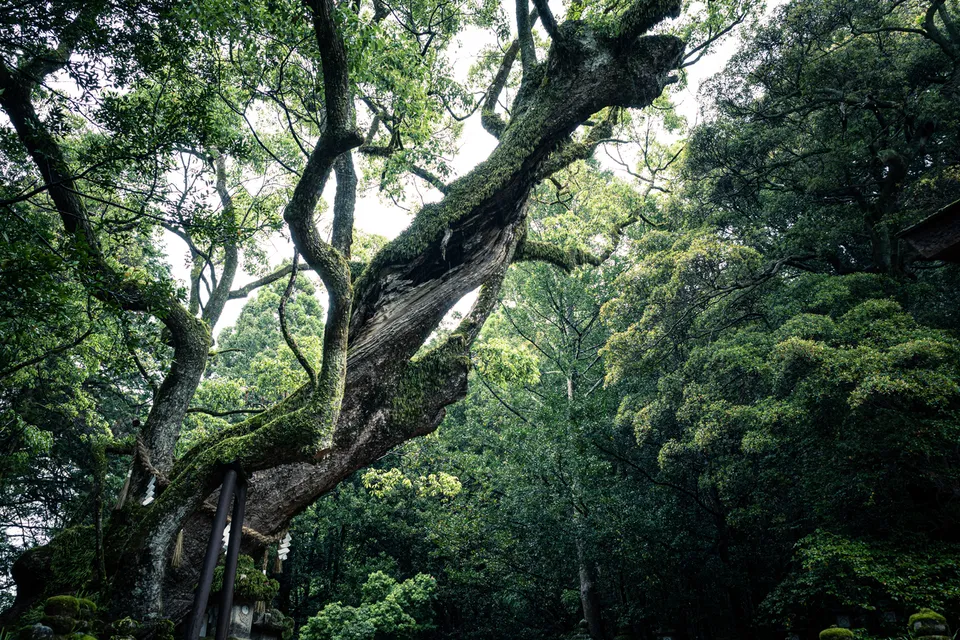
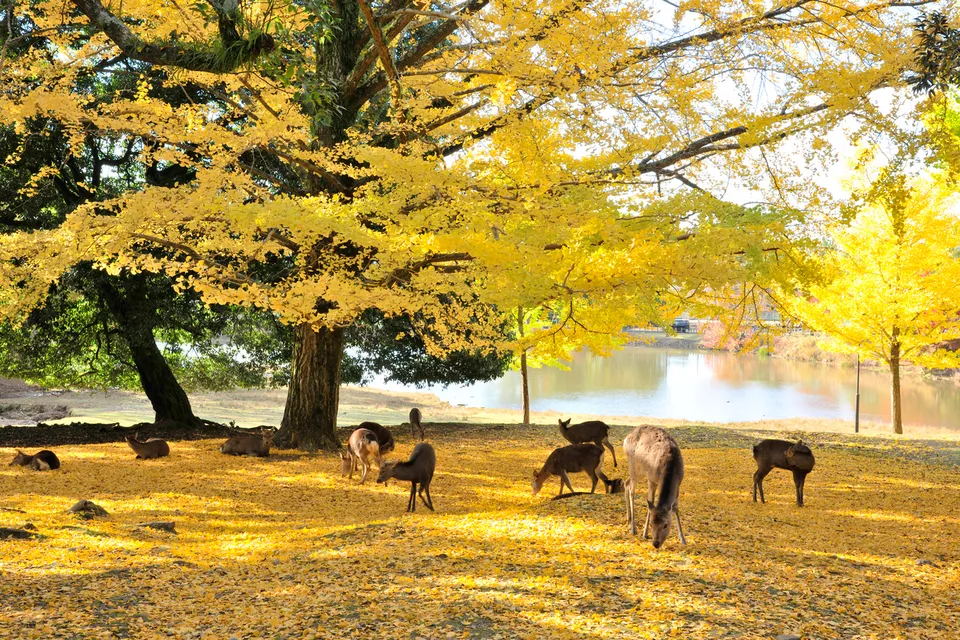
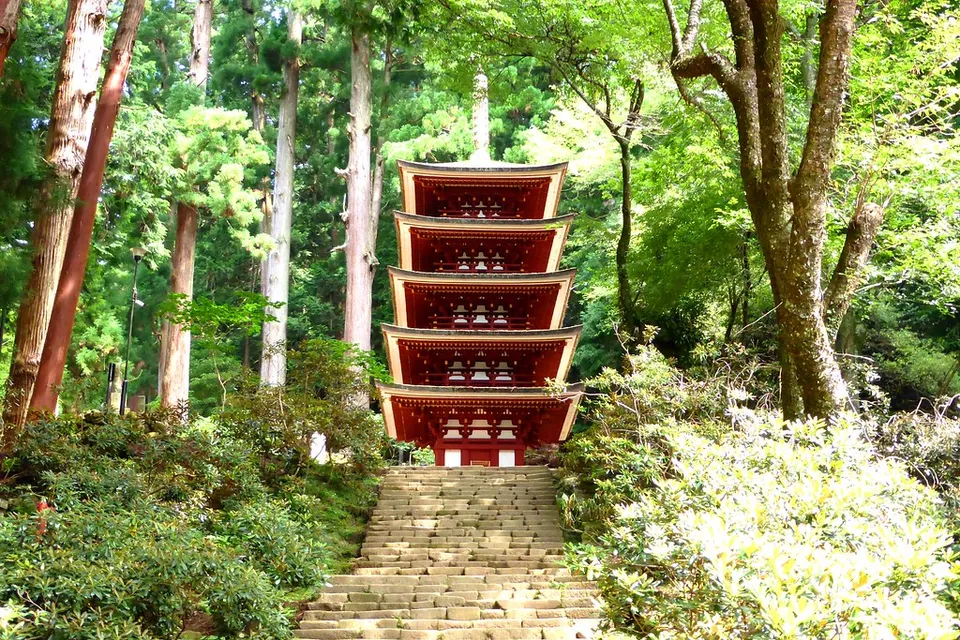
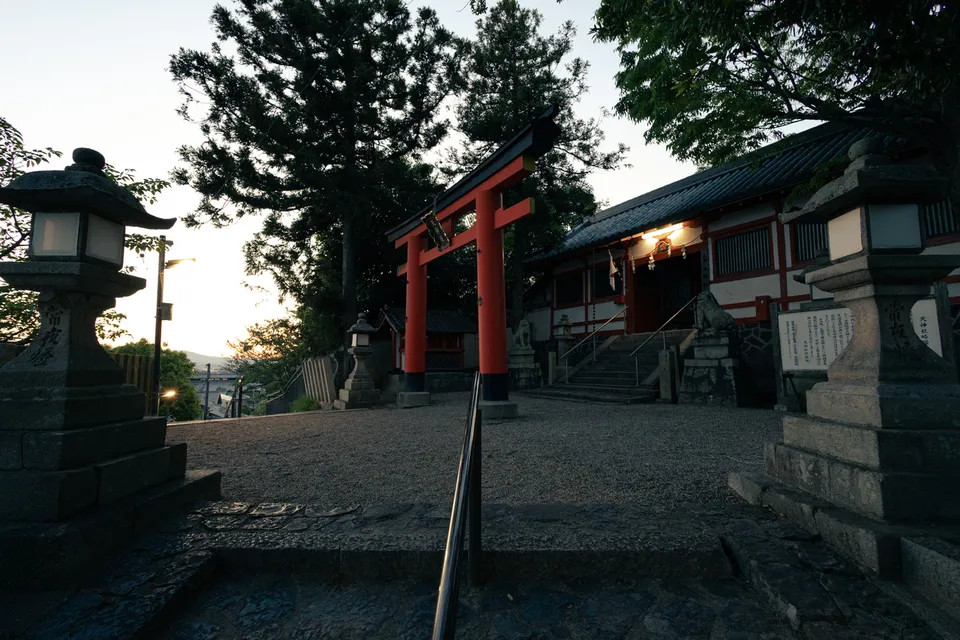
Photos: Todai-ji Temple — J. Damasio via Flickr, CC BY 2.0 · Kasuga Taisha Shrine — Shu_Shikano via FIND/47, CC BY 4.0 · Nara Park — FIND/47 contributor via FIND/47, CC BY 4.0 · Muro-ji Temple — Tetsuhiro Terada via Flickr, CC BY 2.0 · Naramachi historic merchant district — Shu_Shikano via FIND/47, CC BY 4.0
Nara is ~45 min from both Kyoto and Osaka by train.
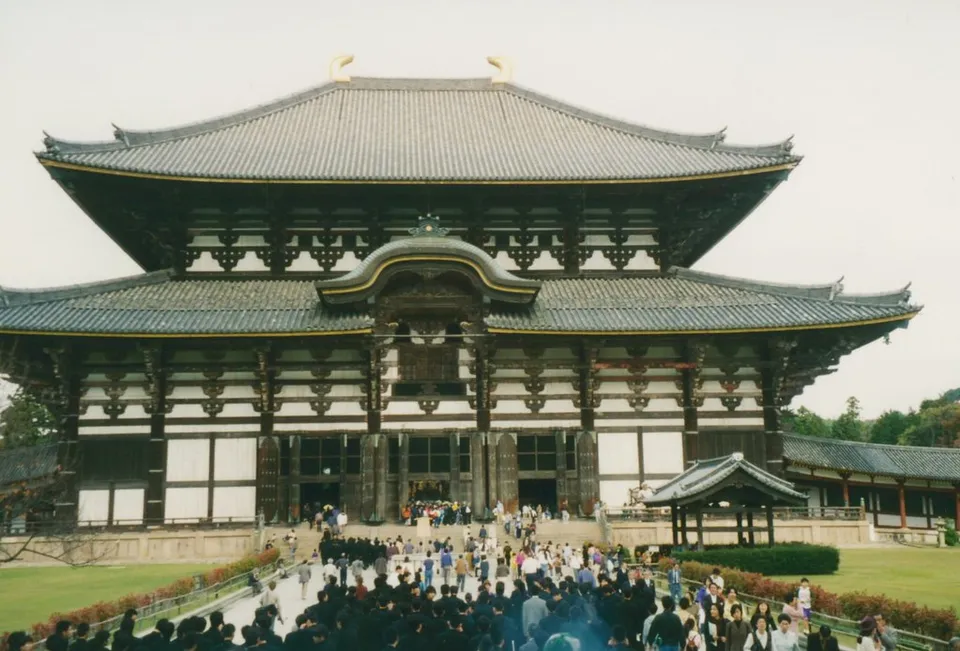 Top pick
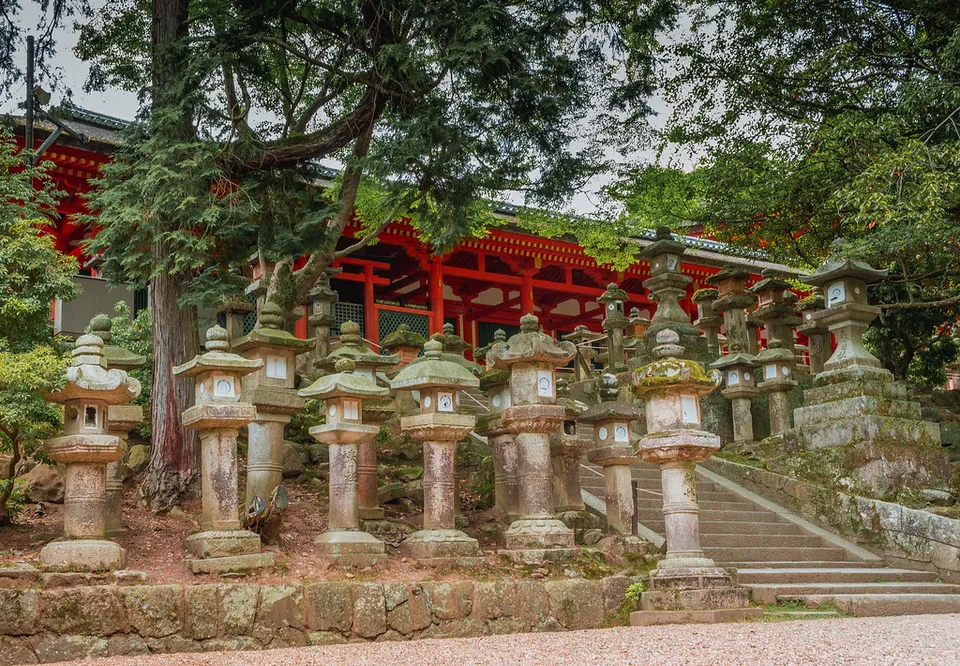 Top pick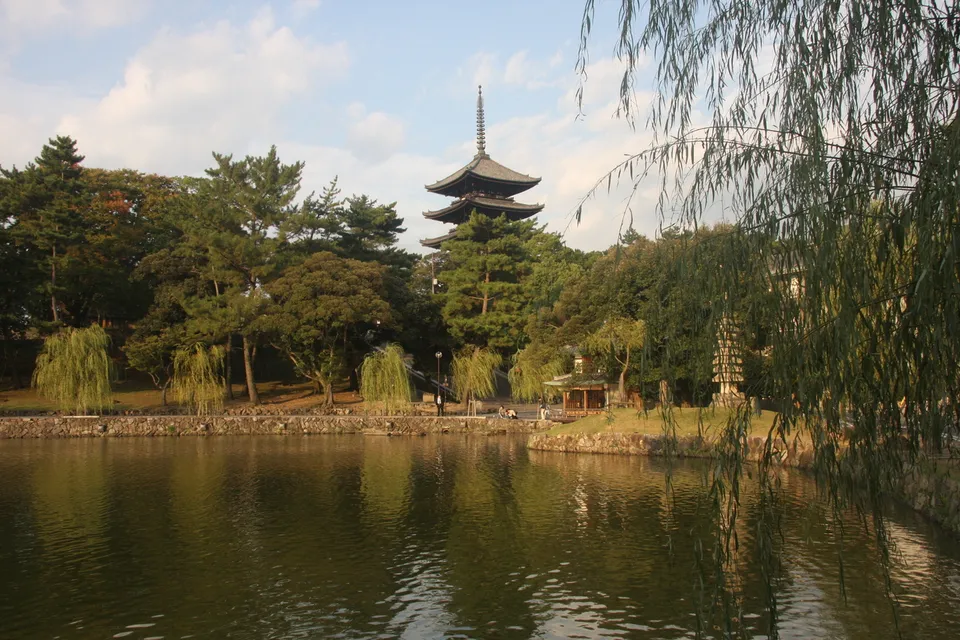
 Must-eat
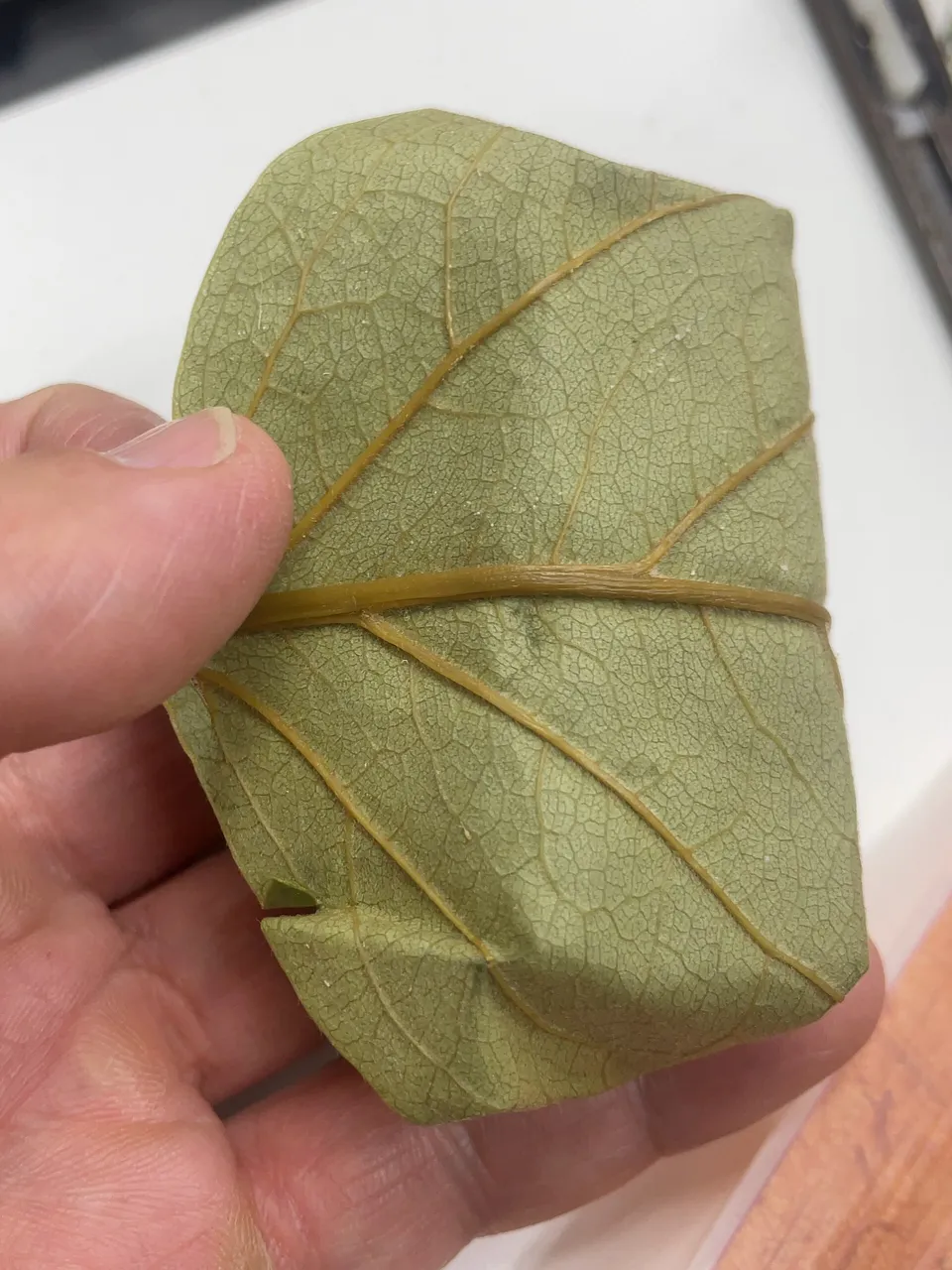
Kakinoha-zushi (persimmon-leaf sushi)
Bite-sized vinegared rice topped with salted mackerel, salmon or sea bream, wrapped in an antibacterial persimmon leaf - a 200+ year preservation method born…
Miwa Somen
Japan's oldest hand-stretched thin wheat noodles, with over 1,200 years of history in the Miwa district of Sakurai City; prized for a chewy yet smooth texture.
 Must-eat
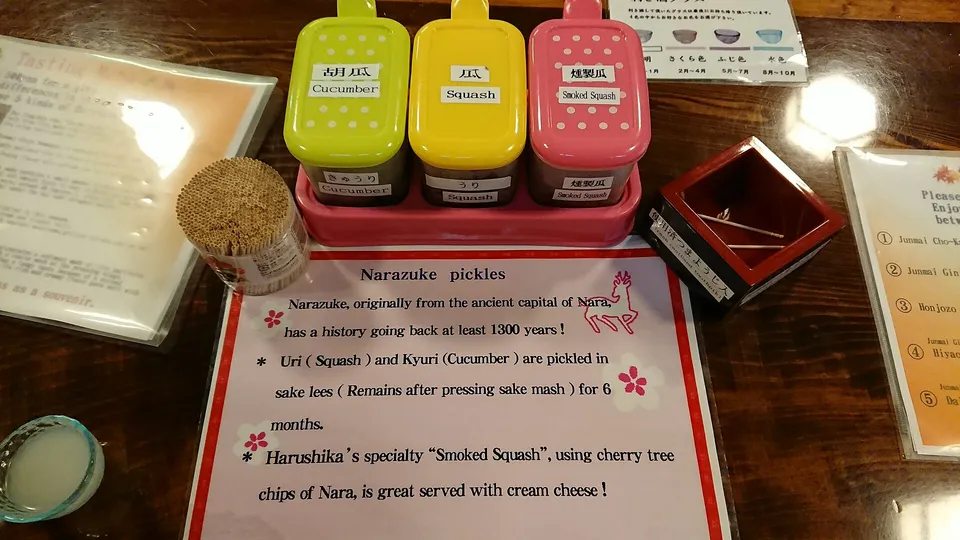
Narazuke (sake-lees pickles)
A Nara specialty since the 8th-century Heijo-kyo capital era, made by repeatedly marinating gourd, cucumber, ginger and other vegetables in sake lees.
Nara at a glance
Next door
Links marked PR are affiliate links: if you book through them we may earn a commission at no extra cost to you. Photos: Tōdai-ji — Mustang Joe via Flickr, CC CC0 1.0 · Todai-ji Temple — J. Damasio via Flickr, CC BY 2.0 · Kasuga Taisha Shrine — Shu_Shikano via FIND/47, CC BY 4.0 · Nara Park — FIND/47 contributor via FIND/47, CC BY 4.0 · Muro-ji Temple — Tetsuhiro Terada via Flickr, CC BY 2.0 · Naramachi historic merchant district — Shu_Shikano via FIND/47, CC BY 4.0 · Todai-ji Temple — Arian Zwegers via Flickr, CC BY 2.0 · Kasuga Taisha Shrine — Ray in Manila via Flickr, CC BY 2.0 · Nara Park — T-KIMURA via FIND/47, CC BY 4.0 · Kakinoha-zushi — Kyu3a via Wikimedia Commons, CC BY-SA 4.0 · Narazuke — tak.wing via Wikimedia Commons, CC BY-SA 2.0. Map: Geolonia (MIT).

.jpg)