Mie is home to Ise Jingu, Japan's most sacred Shinto shrine complex of 125 shrines, and the Ise-Shima coast where Mikimoto produced the world's first cultured pearl in 1893. Its indented Pacific bays are dotted with islands and worked by ama, the traditional free-diving women who harvest abalone and shellfish.
Mie (三重) holds Ise Jingū (伊勢神宮), Shintō's most sacred shrine, rebuilt every 20 years for over 1,300 years. The Shima (志摩) coast is the cradle of cultured pearls and the Ama (海女) free-divers.
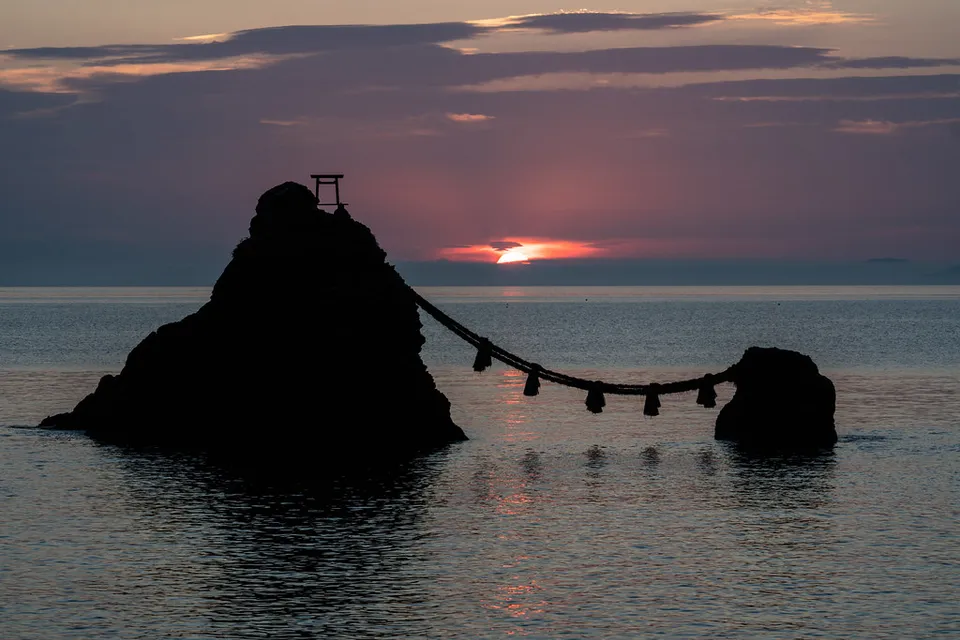
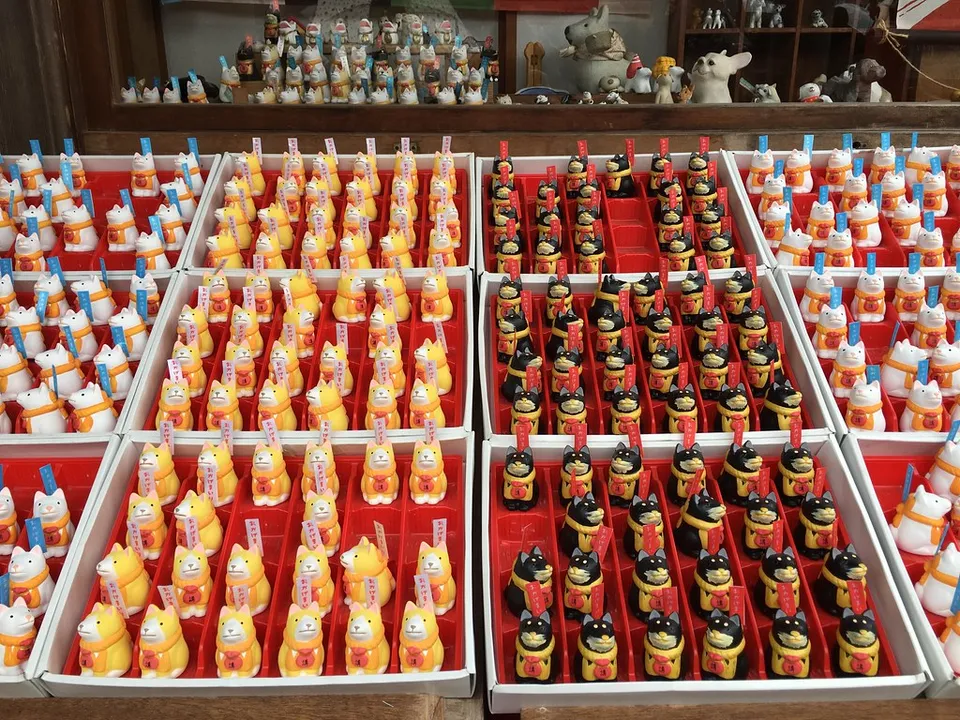
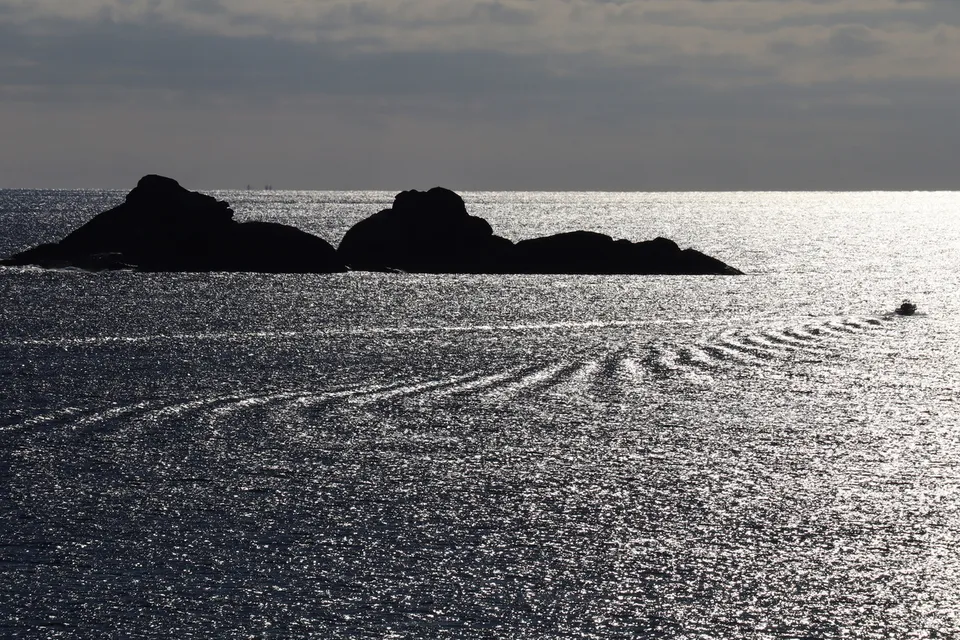
Photos: Meoto Iwa — Big Ben in Japan via Flickr, CC BY-SA 2.0 · Okage Yokocho, Ise — bryan... via Flickr, CC BY-SA 2.0 · Kumano Kodo Iseji pilgrimage route — Nakai_Chan via FIND/47, CC BY 4.0
Ise is ~1h20m from Nagoya by limited express; ~2h from Osaka.
 Top pick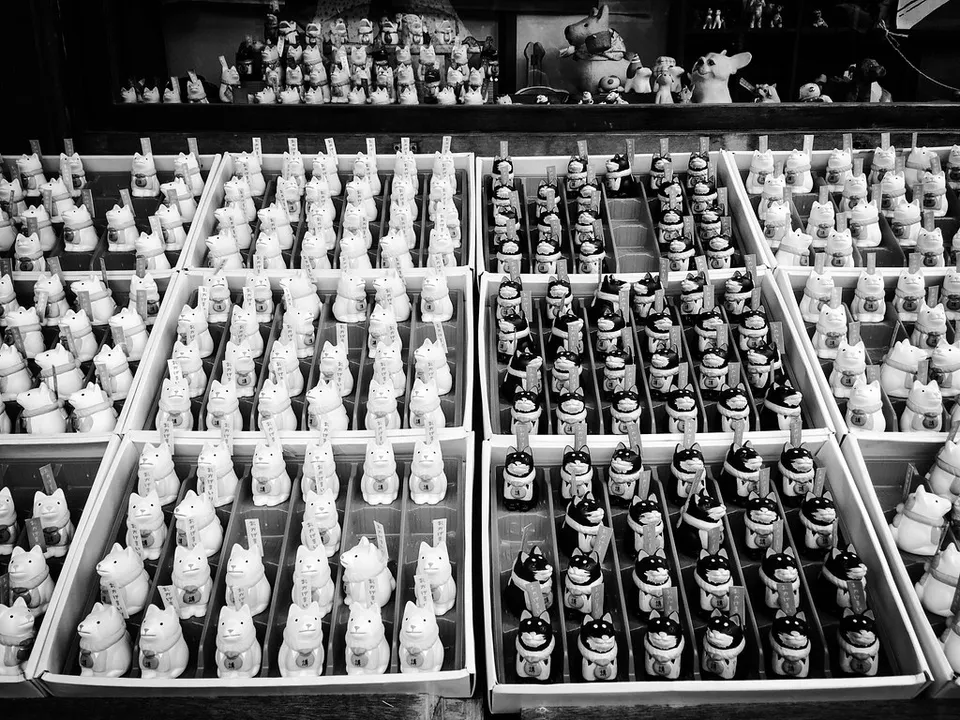
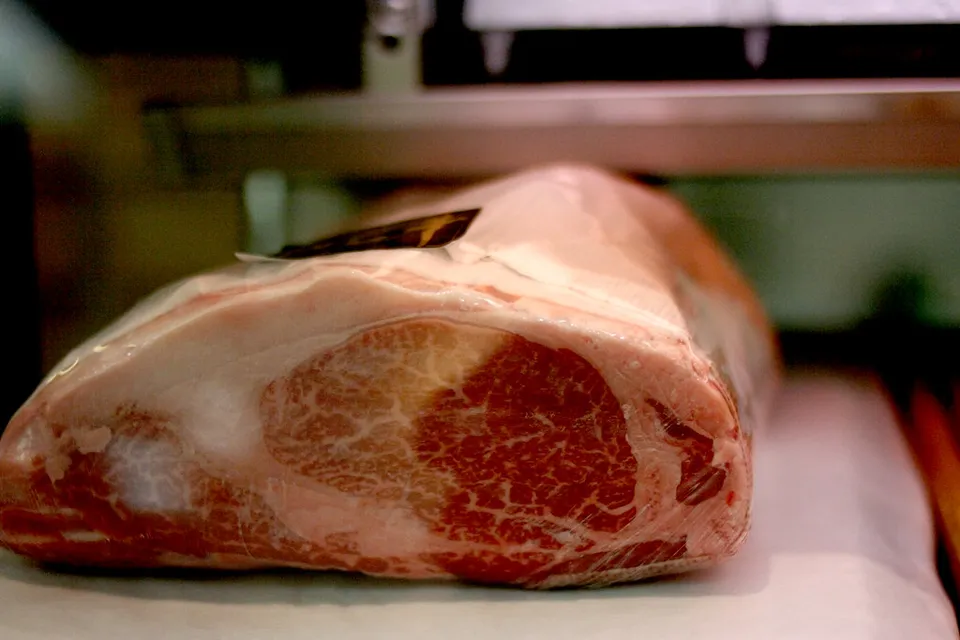 Must-eat
Matsusaka beef (Matsusaka-gyu)
One of Japan's top three wagyu brands, raised in the Matsusaka region; prized for intense marbling and melt-in-the-mouth texture, often served as sukiyaki or…
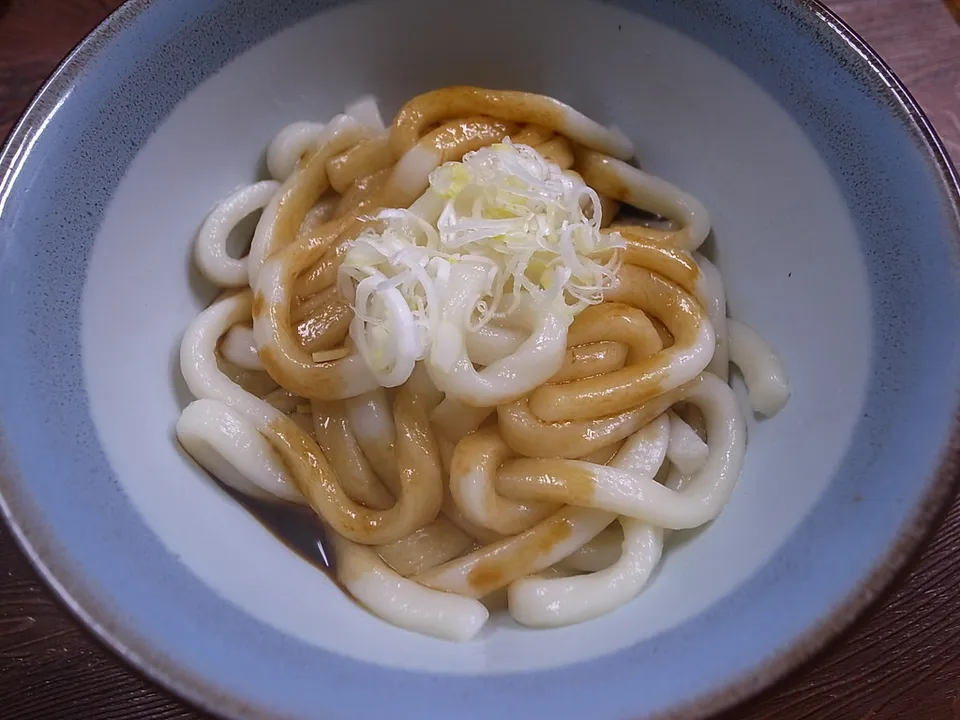 Must-eat
Ise udon
Distinctively thick, soft noodles served with only a small amount of dark, sweet soy-based tare; historically an easy-to-digest meal for Ise Shrine pilgrims.
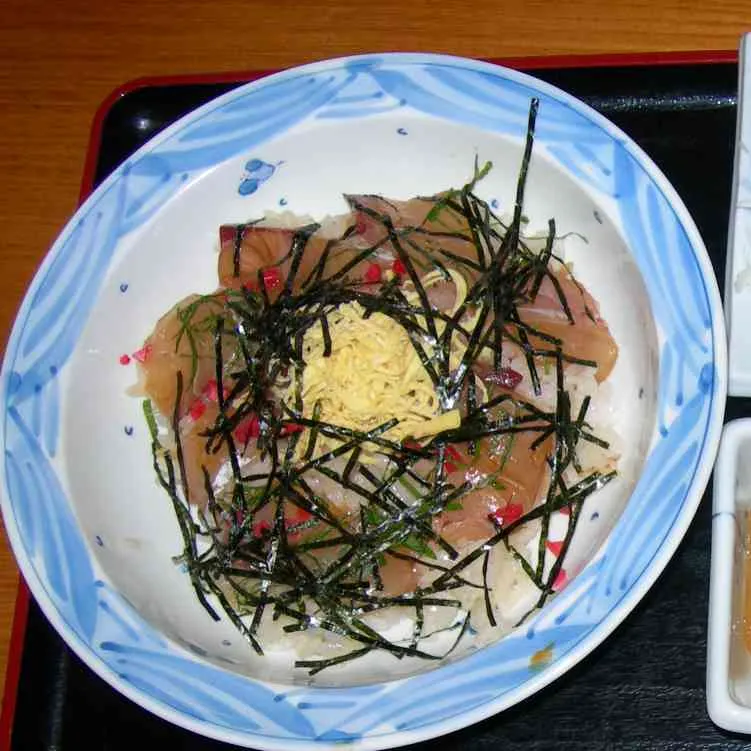 Local secret
Tekone-zushi
Fisherman's dish from Ise-Shima: tuna/bonito marinated in soy sauce hand-mixed over vinegared rice. Recognized as a '100-Year Food' (local cuisine dating to…
Mie at a glance
Next door
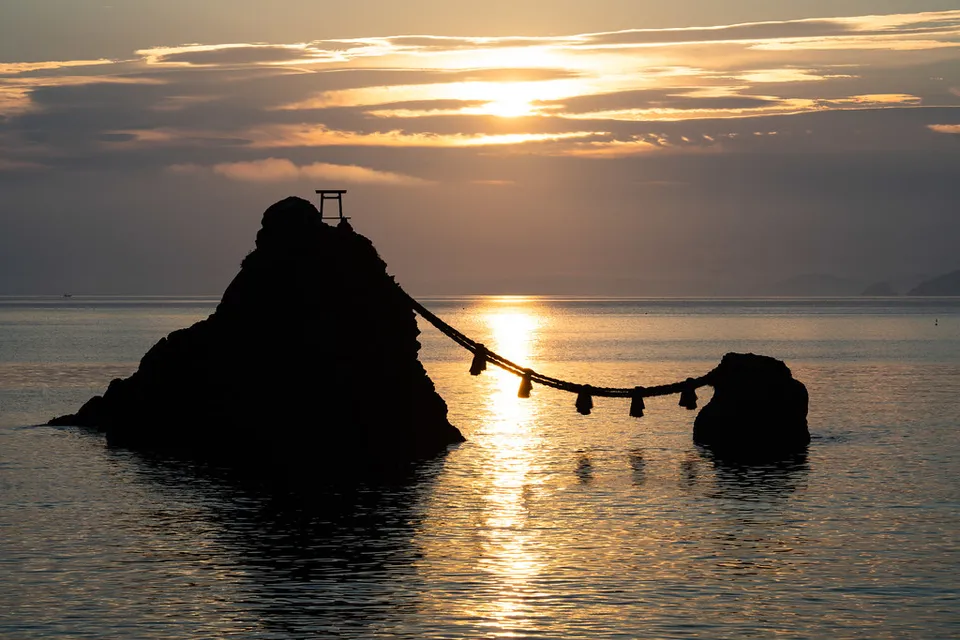
Links marked PR are affiliate links: if you book through them we may earn a commission at no extra cost to you. Photos: Meoto Iwa — Big Ben in Japan via Flickr, CC BY-SA 2.0 · Okage Yokocho, Ise — bryan... via Flickr, CC BY-SA 2.0 · Kumano Kodo Iseji pilgrimage route — Nakai_Chan via FIND/47, CC BY 4.0 · Meoto Iwa — Big Ben in Japan via Flickr, CC BY-SA 2.0 · Okage Yokocho, Ise — bryan... via Flickr, CC BY-SA 2.0 · Matsusaka beef — kadluba via Flickr, CC BY-SA 2.0 · Ise udon — GinkgoTelegraph via Flickr, CC BY-SA 2.0 · Tekone-zushi — No machine-readable author provided. N yotarou assumed (based on copyright claims). via Wikimedia Commons, CC BY 2.5. Map: Geolonia (MIT).
