Goshuincho: choosing and buying the goshuin stamp book
Before you can collect goshuin — the hand-brushed seal-stamps of Japan's shrines and temples — you need the book they go in: a goshuincho (御朱印帳). It's an accordion-fold book with thick paper and a cloth or washi cover, and it becomes the collectible itself: a hand-made record of every sacred place you visited, no two pages alike. This guide covers what to look for when choosing one, where to buy it, what it costs, and the etiquette that keeps the whole practice respectful.

What a goshuincho is
A goshuincho (御朱印帳, "honourable red-seal book") is the dedicated book you present at a shrine or temple to receive a goshuin (御朱印) — a calligraphed inscription with red seal impressions, written by hand for you on the spot. Most goshuincho use an accordion (concertina) fold (蛇腹, jabara): one long strip of thick paper folded into pages, so the finished book can be opened out into a continuous run of stamps.
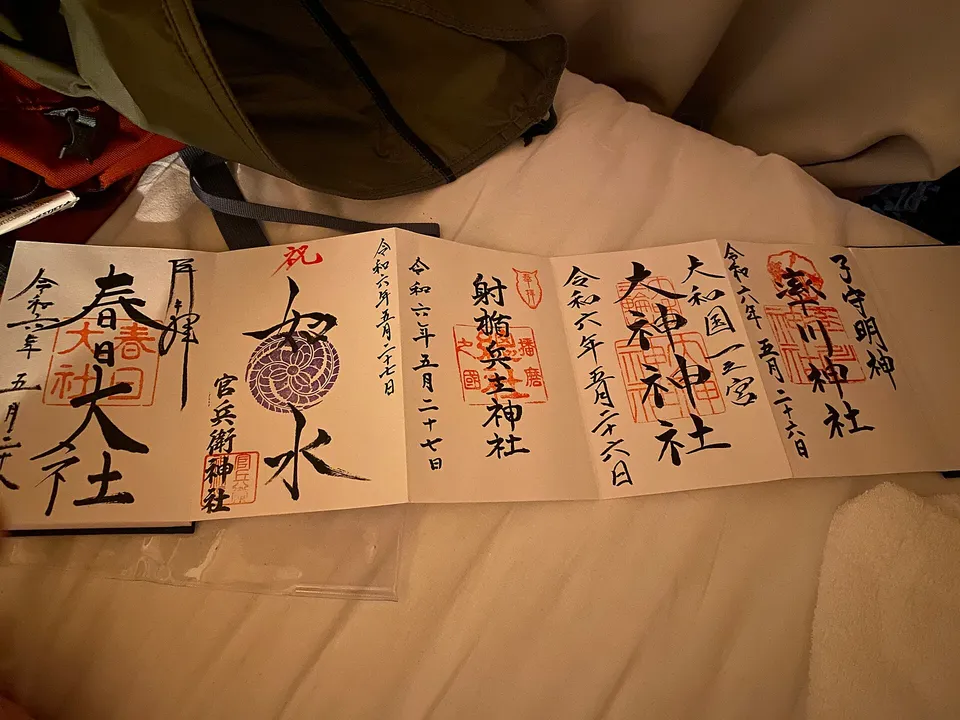
The paper is deliberately heavy to take wet sumi ink and vermilion seal paste without bleeding through, and the covers are usually stiff board wrapped in patterned cloth or washi. That construction is why a goshuincho feels less like a notebook and more like a keepsake from the first page.
Why the book is the collectible
Unlike a printed stamp, each goshuin is written by hand, so every page is slightly different — the brushwork, the date, the seals, the shrine or temple's name. Fill a book and you're holding something no shop sells: a personal, one-of-a-kind record of a journey. Many travellers choose a goshuincho whose cover already means something — bought at a favourite shrine, or showing a place they love — so the object itself carries the memory before a single page is stamped.
- Hand-written, not printed — the value is in the individual calligraphy, so the book accumulates real craft.
- Location-linked covers — many shrines and temples sell their own original-design goshuincho, only available there.
- A finite, finishable set — a book holds a set number of pages, giving the collection a satisfying beginning and end.
How to choose one
Any goshuincho will work, but a few practical choices affect how the collection feels and stores.
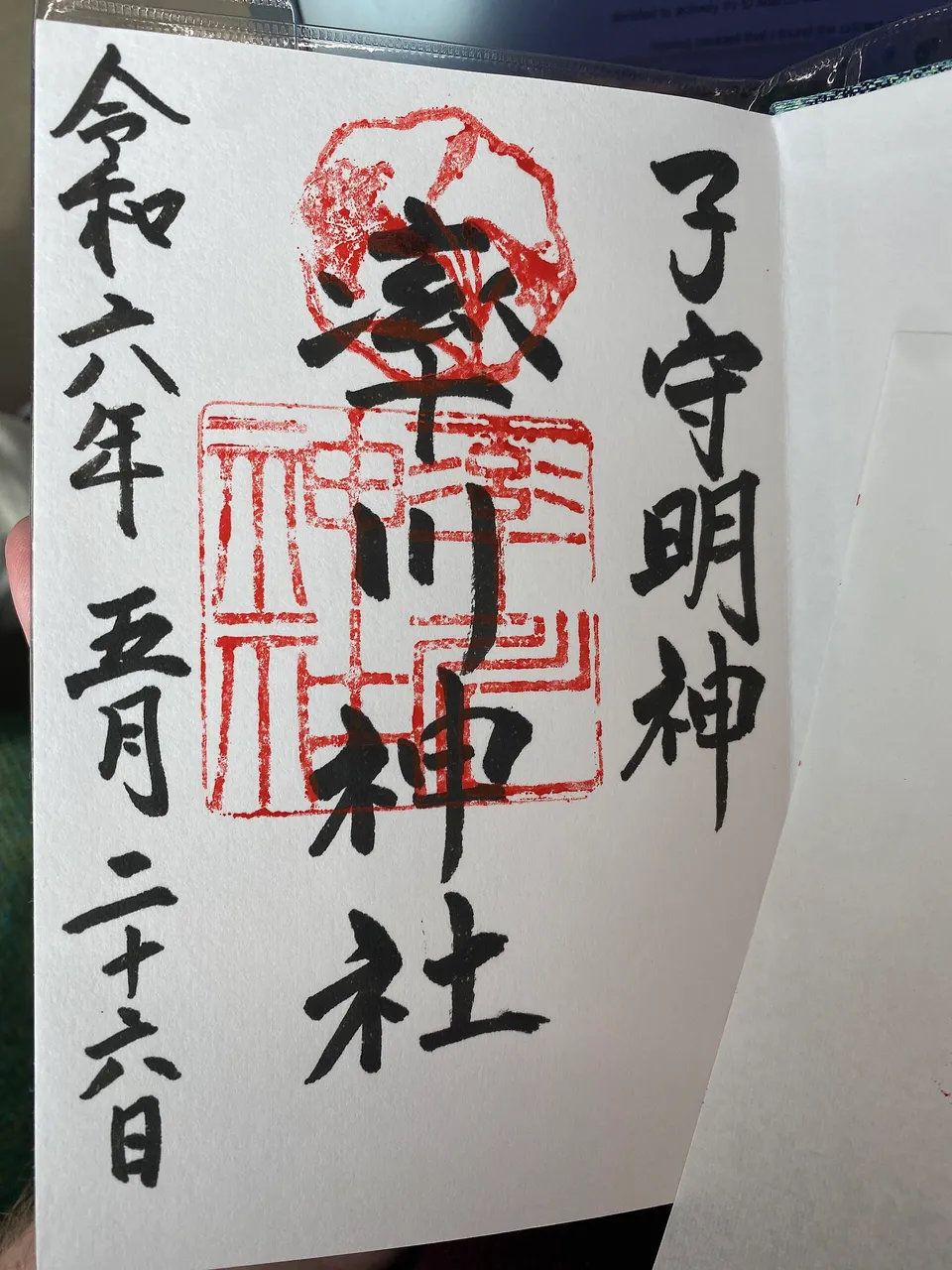
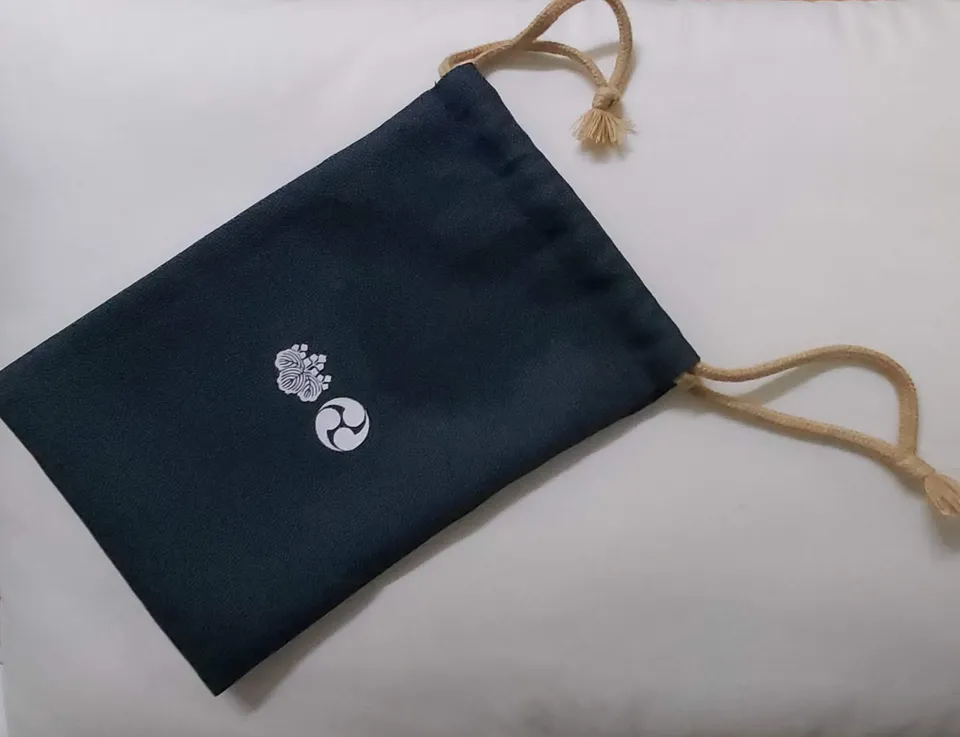
Photos: A page from Isagawa Shrine, Nara — Immanuelle, CC BY 4.0, via Wikimedia Commons · A drawstring bag for carrying the book — Haziq Faruqi, CC BY-SA 4.0, via Wikimedia Commons
| Choice | What to know |
|---|---|
| Size | Two common sizes: a standard pocket size (about 11 × 16 cm) and a larger size (about 12 × 18 cm). Larger pages give the calligrapher more room; smaller ones travel lighter. Pick one size and stick with it so your books match. |
| Fold type | Accordion (蛇腹) is standard and lets you display the whole run; a bound (book-style) format also exists but is less common. |
| Cover | Cloth or washi over board. Original designs sold at a specific shrine or temple are only available there — a nice way to tie the book to a place. |
| Paper | Heavier paper resists bleed-through from wet ink; most dedicated goshuincho already use suitable stock, unlike a plain notebook. |
| Shrine vs temple | Some collectors keep one book for shrines (神社) and one for temples (寺) — see the etiquette note below. |
Where & how to buy
Goshuincho are easy to find once you know where to look — and buying one at the place you'll first use it is a lovely start.
| Where | Note |
|---|---|
| At a shrine or temple office (社務所・寺務所) | Many sell their own original-design book; buy it and often get your first goshuin written right there |
| Stationery & craft shops | General designs, sometimes cheaper; good if you want a plain book to start |
| Large bookstores & department stores | Often carry a small selection, especially in tourist areas |
| Online | Widest choice of designs, but you miss the "bought where I started" connection |
Rough costs to budget: a goshuincho commonly runs about ¥1,000–2,000 (designer or temple-original covers can cost more), and each goshuin written into it usually costs a small offering of about ¥300–500. Bring coins — small change is expected, and some offices can't break large notes.
If the "online" route suits you and you want the book in hand before you land, the Btale accordion-fold goshuincho is a widely available handmade-in-Japan choice. You do give up the bought-where-I-started connection, though — weigh both in our goshuincho & stamp notebook comparison.
The "Check price" link is an affiliate link (Amazon). We may earn a small commission at no extra cost to you, and it never changes what we recommend. As an Amazon Associate, NihongoHub earns from qualifying purchases.
Using it respectfully
A goshuin is a religious object, not a tourist stamp — treating it that way is what keeps shrines and temples happy to offer it.
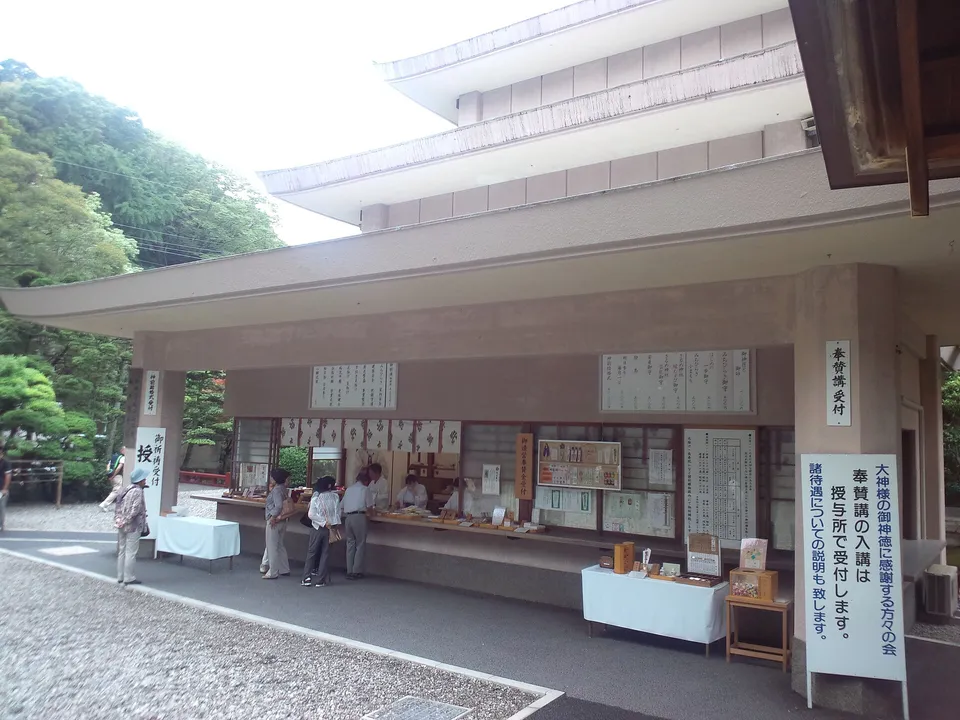
- Visit and pay respects first. Worship at the hall before you go to the office for the goshuin — the inscription marks a visit, not a purchase.
- Hand the book over open to the page you want used, and remove any bookmark or slip. Wait quietly while it's written.
- Offer the small fee in coins if you can, and say thank you when you receive it back.
- Don't treat it as a rally. Some places only write during set hours, and a hand-written goshuin can take a few minutes — don't rush the calligrapher.
Mixing shrine (神社) and temple (寺) goshuin in one book is generally fine, and many people do it. But a few temples — notably certain Nichiren-shū temples — will decline to write in a book that already contains other traditions. If you visit strictly observant temples, consider keeping a separate book for temples to avoid being turned away.
Some links above are affiliate links. We may earn a commission at no extra cost to you. We only list services we'd use ourselves.
The Japanese you'll actually use
Getting a goshuincho and your first goshuin needs only a few words at the office window.
| Japanese | Reading | Meaning |
|---|---|---|
| 御朱印帳 | goshuinchō | the goshuin book itself |
| 御朱印 | goshuin | the hand-written seal-inscription |
| 御朱印をお願いします | goshuin o onegai shimasu | "A goshuin, please" — the polite request |
| 蛇腹 | jabara | accordion fold — the standard book format |
| 社務所 | shamusho | shrine office — where you receive it at a shrine |
| 寺務所 | jimusho | temple office — the equivalent at a temple |
| 初穂料 / 納経料 | hatsuhoryō / nōkyōryō | the offering for a goshuin (shrine / temple wording) |
| いくらですか? | ikura desu ka? | "How much is it?" |
Want these to stick? The free JLPT battle quiz drills travel and culture vocabulary like this with spaced repetition.
Once you have the book, read our full goshuin etiquette guide →, and for castle fans there's the paid 100 Famous Castles & gojoin stamps →. It also chains with Japan's other collecting games: station stamps → and manhole cards →.
Common questions
Q. What is a goshuincho?
A. It's the dedicated book you collect goshuin in — the hand-brushed seal-inscriptions of shrines and temples. Most use an accordion (jabara) fold with thick paper and a cloth or washi cover, so each finished book is a one-of-a-kind record of the sacred places you visited.
Q. Where can I buy a goshuincho?
A. At shrine and temple offices (many sell their own original designs), at stationery and craft shops, in some large bookstores and department stores, and online. Buying one at the first shrine or temple you'll use it is a nice way to start.
Q. How much does a goshuincho cost?
A. Commonly about ¥1,000–2,000, with designer or temple-original covers costing more. Each goshuin written into it usually asks a small offering of about ¥300–500, so bring coins.
Q. Can I use one book for both shrines and temples?
A. Usually yes, and many people do. However, a few temples — notably certain Nichiren-shū temples — won't write in a book that already contains other traditions, so some collectors keep a separate book for temples.
Q. Can I use a plain notebook instead?
A. It's better to use a real goshuincho. The dedicated paper is heavy enough to take wet ink without bleeding through, and presenting a proper book is part of the etiquette.
Q. How do I ask for a goshuin?
A. Worship first, then bring your open book to the office and say "御朱印をお願いします" (goshuin o onegai shimasu). Offer the fee in coins and thank them when it's returned.
We're a Japanese family of three traveling all 47 prefectures with our kid, and this guide comes from that road. Our free newsletter 47 Notes from Japan shares the travel notes, collectible finds, and real-life Japanese that don't fit in a guide. No spam, unsubscribe anytime.