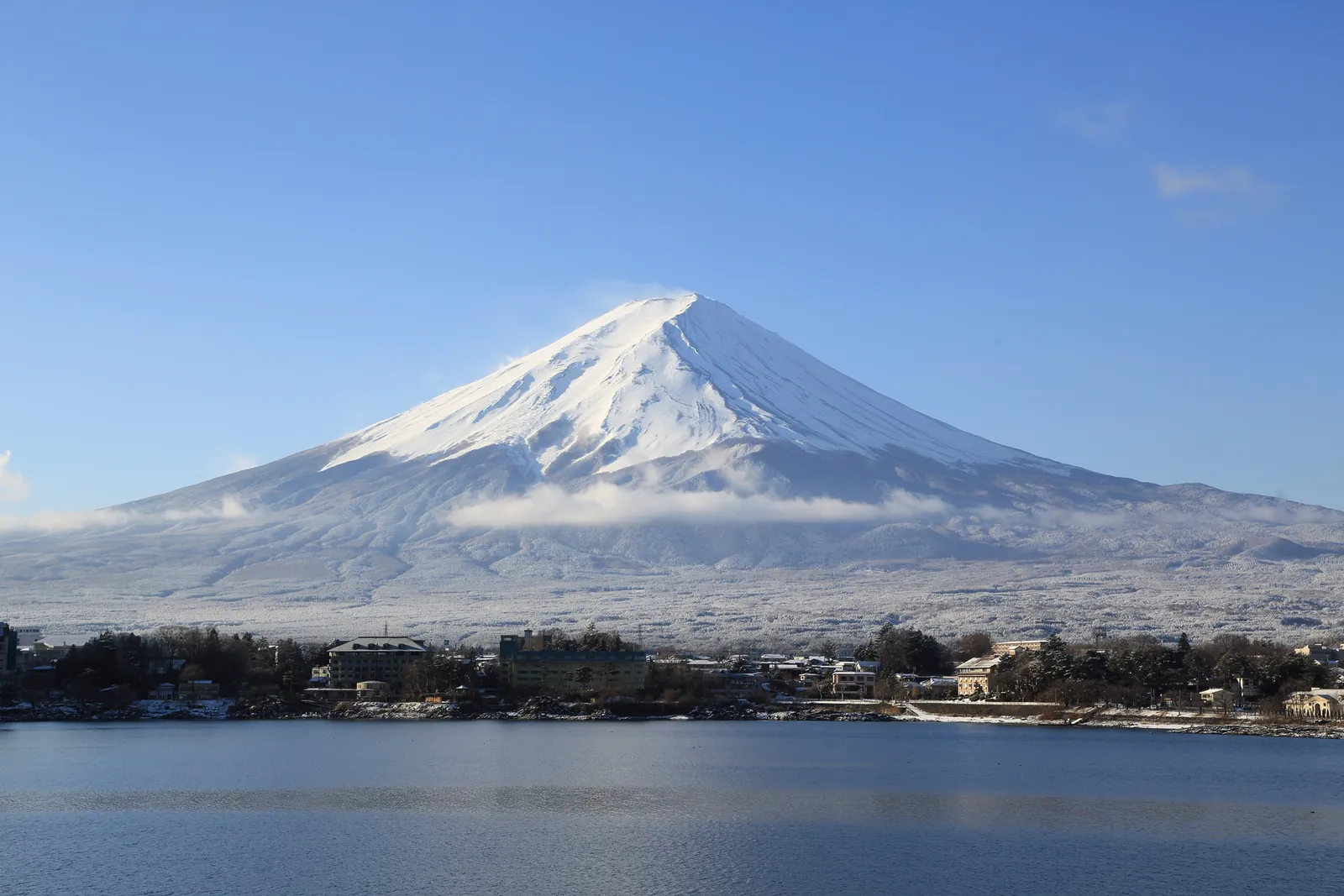
Landlocked Yamanashi sits in the shadow of Mount Fuji, sharing Japan's tallest, most iconic peak with neighboring Shizuoka and cradling the scenic Fuji Five Lakes. It is also Japan's leading wine region, with over 80 wineries centered on the native Koshu grape, plus orchards famed for peaches and grapes.
Yamanashi (山梨) was the realm of the warlord Takeda Shingen (武田信玄). Its Kōfu (甲府) basin, ringed by mountains, became Japan's leading wine region thanks to native koshu grapes.
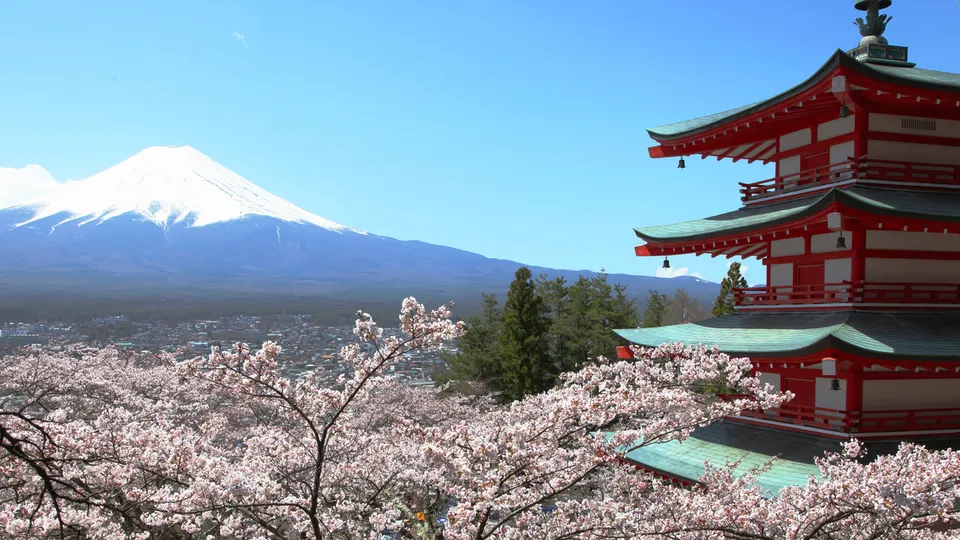
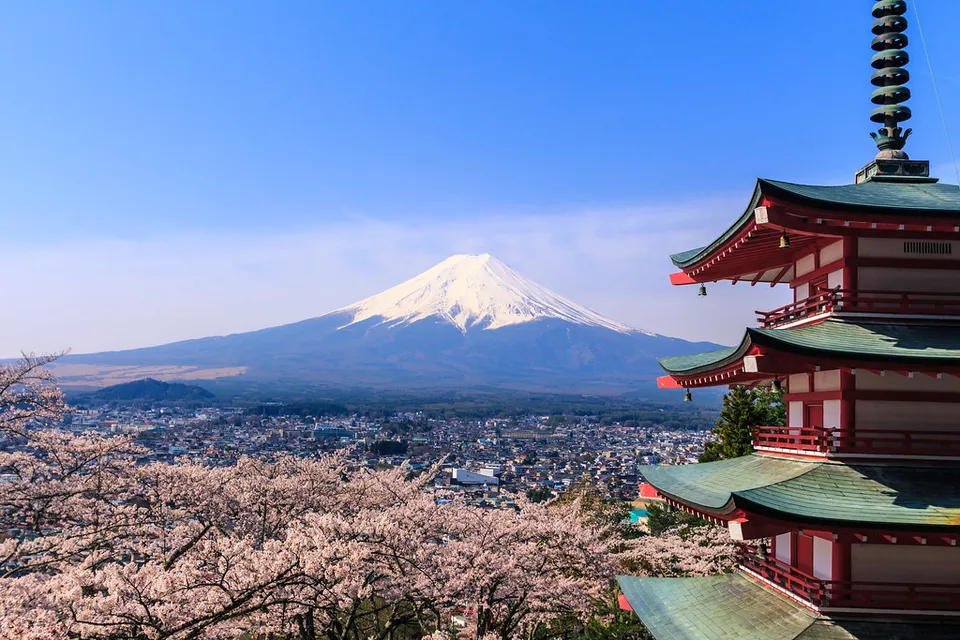
Photos: Chureito Pagoda — FIND/47 contributor via FIND/47, CC BY 4.0
Lake Kawaguchi is ~2h from Tokyo by bus or train (via Ōtsuki).
 Top pick
 Must-eat
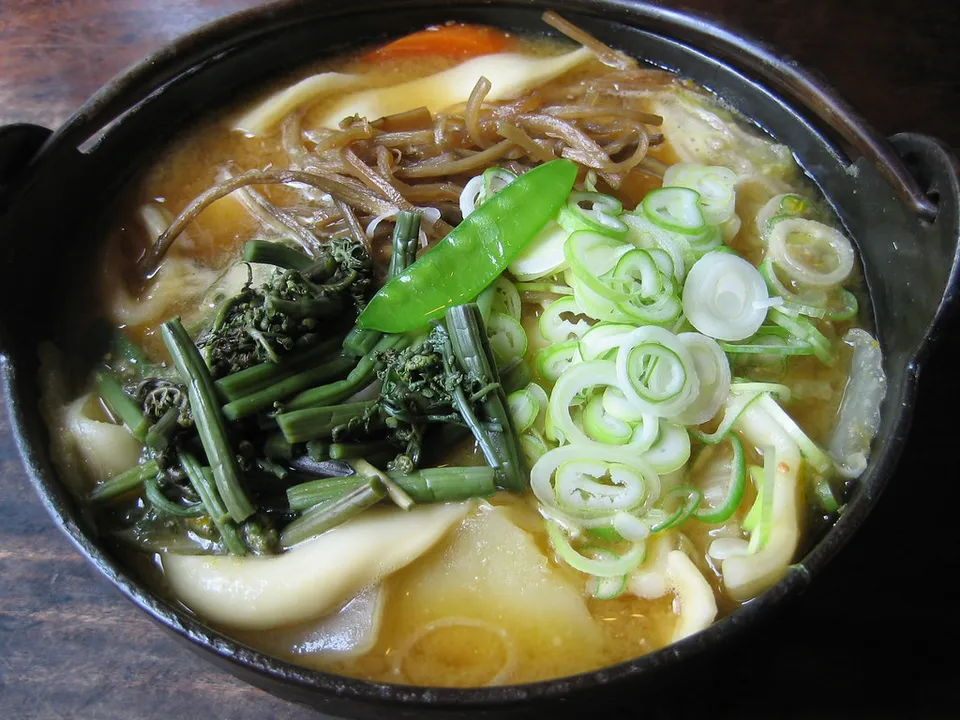
Houtou (ほうとう)
Yamanashi's signature comfort dish: flat, wide wheat noodles simmered in a rich miso broth with kabocha pumpkin and seasonal vegetables, served in an iron pot.
 Must-eat
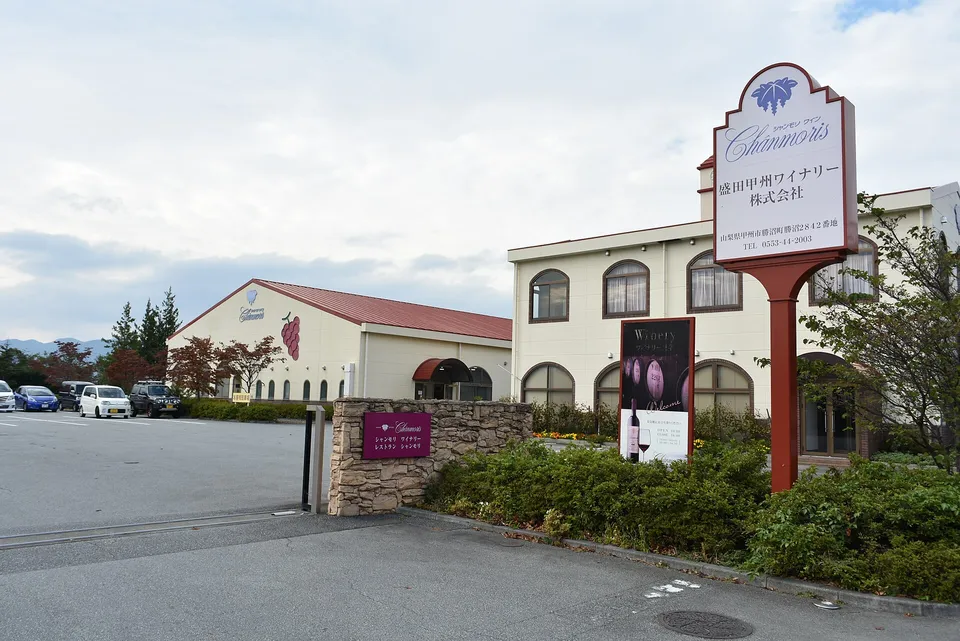
Koshu wine (甲州ワイン)
Made from the indigenous Koshu grape; Yamanashi has 90+ wineries producing roughly 30% of Japan's wine, with the Koshu Valley around Katsunuma/Koshu City a…
Shingen mochi & Yamanashi fruit (peaches, grapes)
Kikyo Shingen Mochi is soft mochi dusted with kinako and drizzled with kuromitsu syrup, a famous 1968-born souvenir. Yamanashi is also Japan's top producer of…
Yamanashi at a glance
Next door
Links marked PR are affiliate links: if you book through them we may earn a commission at no extra cost to you. Photos: Lake Kawaguchi — FIND/47 contributor via FIND/47, CC BY 4.0 · Chureito Pagoda — FIND/47 contributor via FIND/47, CC BY 4.0 · Chureito Pagoda — reggiepen via Flickr, CC BY 2.0 · Houtou — skyseeker via Flickr, CC BY 2.0 · Koshu wine — 江戸村のとくぞう via Wikimedia Commons, CC BY-SA 4.0. Map: Geolonia (MIT).
