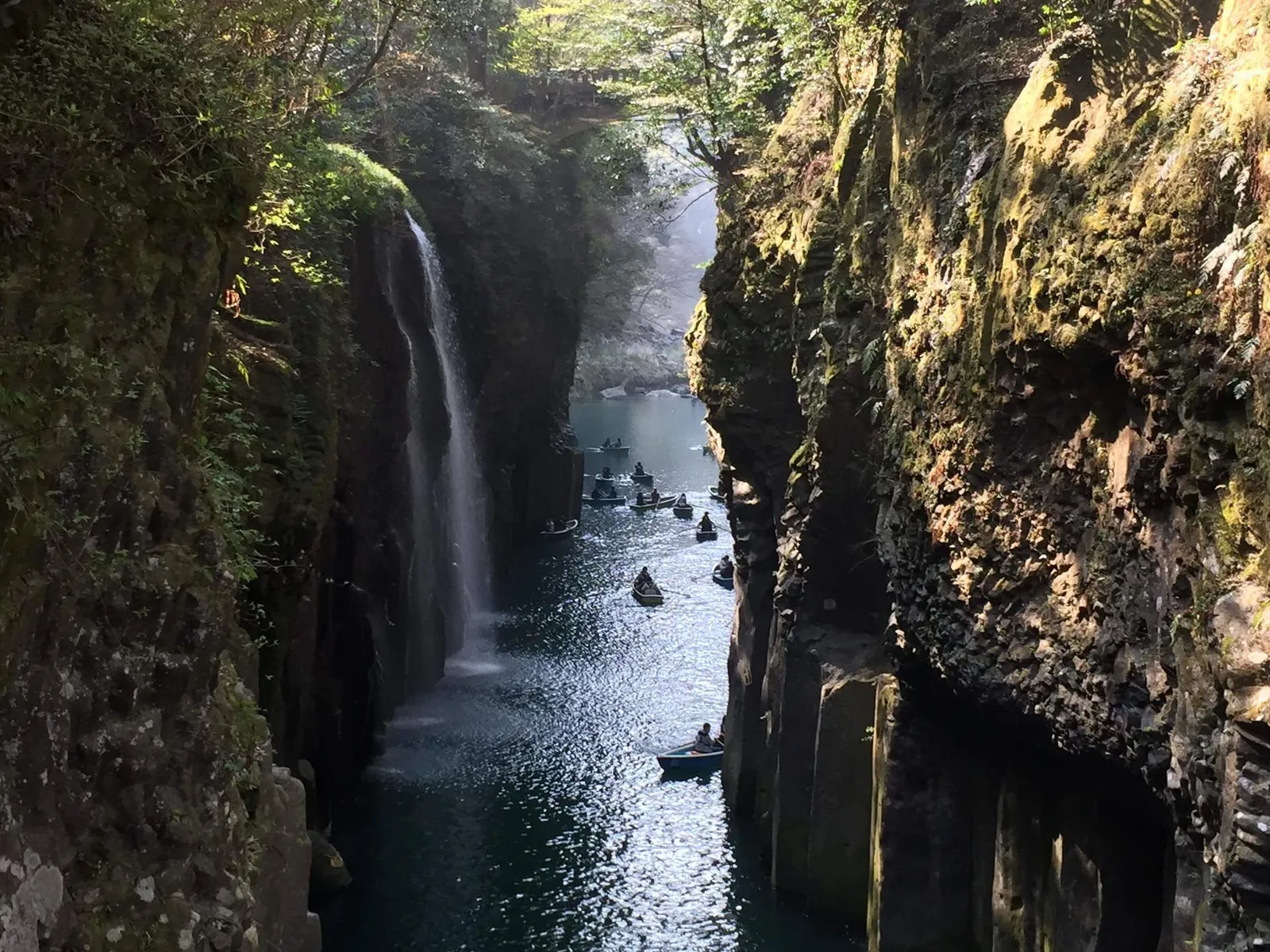
Miyazaki, on Kyushu's sunny southeastern coast, is known for its subtropical Pacific shoreline, surf beaches and palm-lined drives, and for Takachiho Gorge, a mist-filled volcanic ravine tied to Japan's creation myths.
Miyazaki (宮崎) is steeped in Japan's creation myths; Takachiho (高千穂) is said to be where the sun goddess's grandson descended to earth. Its sunny coast made it a honeymoon hotspot in the Shōwa era.
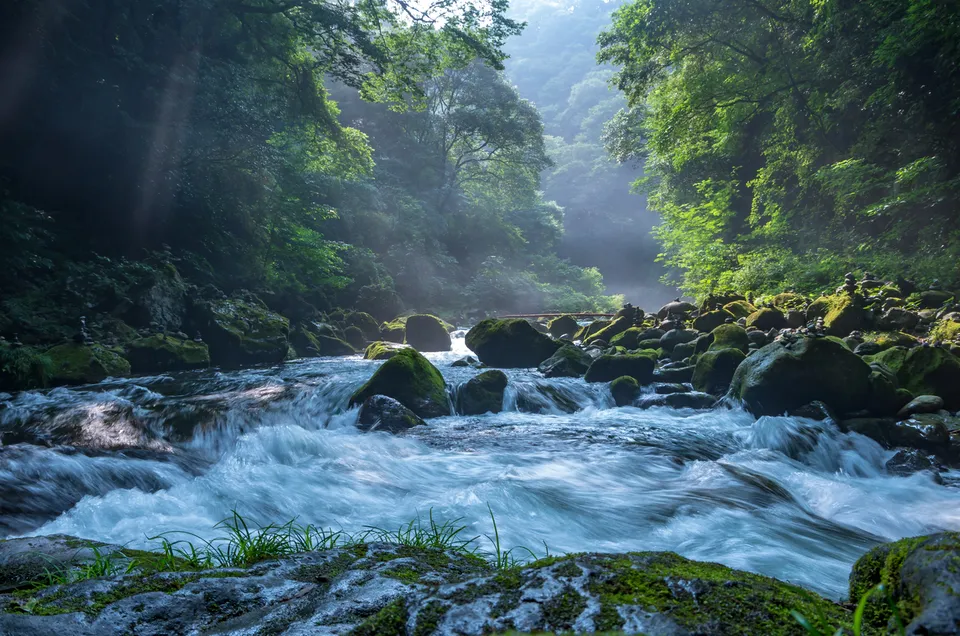
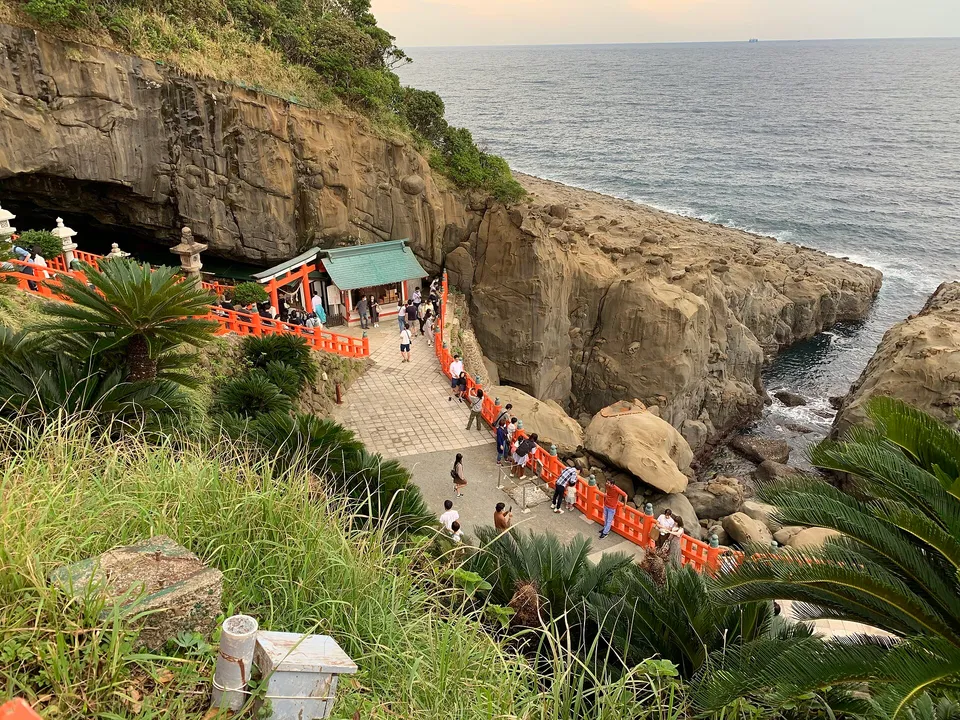
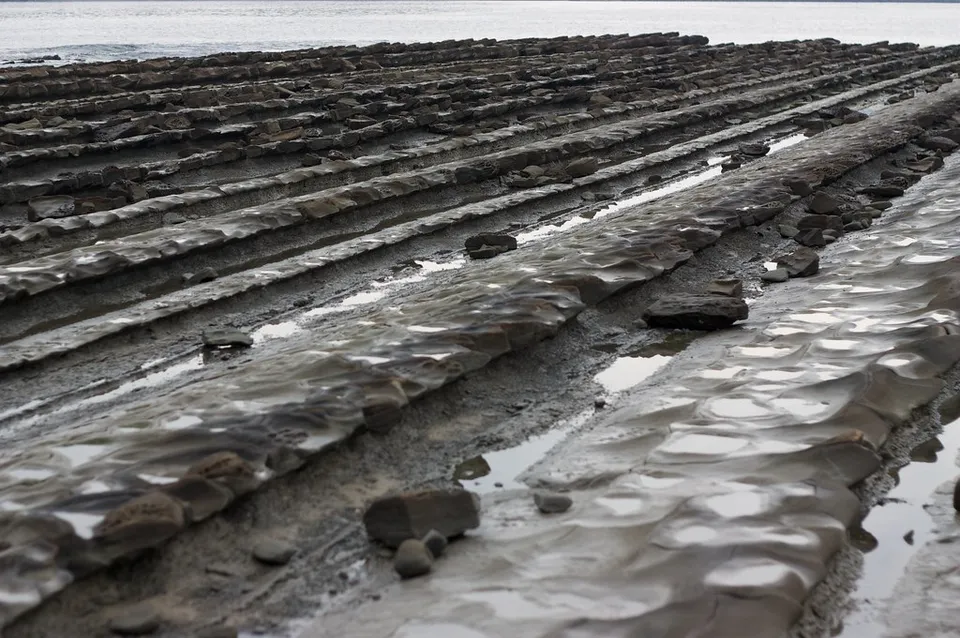
Photos: Takachiho Gorge — momiji via FIND/47, CC BY 4.0 · Udo Jingu — inunami via Wikimedia Commons, CC BY 2.0 · Aoshima Shrine — kentamabuchi via Flickr, CC BY-SA 2.0
Miyazaki is reached by air from major cities, or by limited express within Kyūshū.
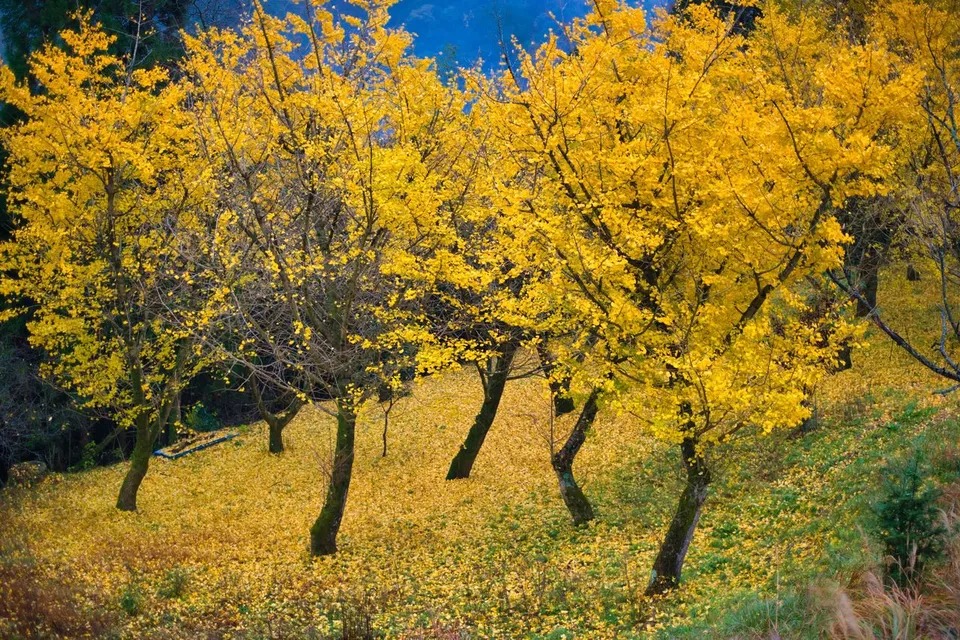 Top pick
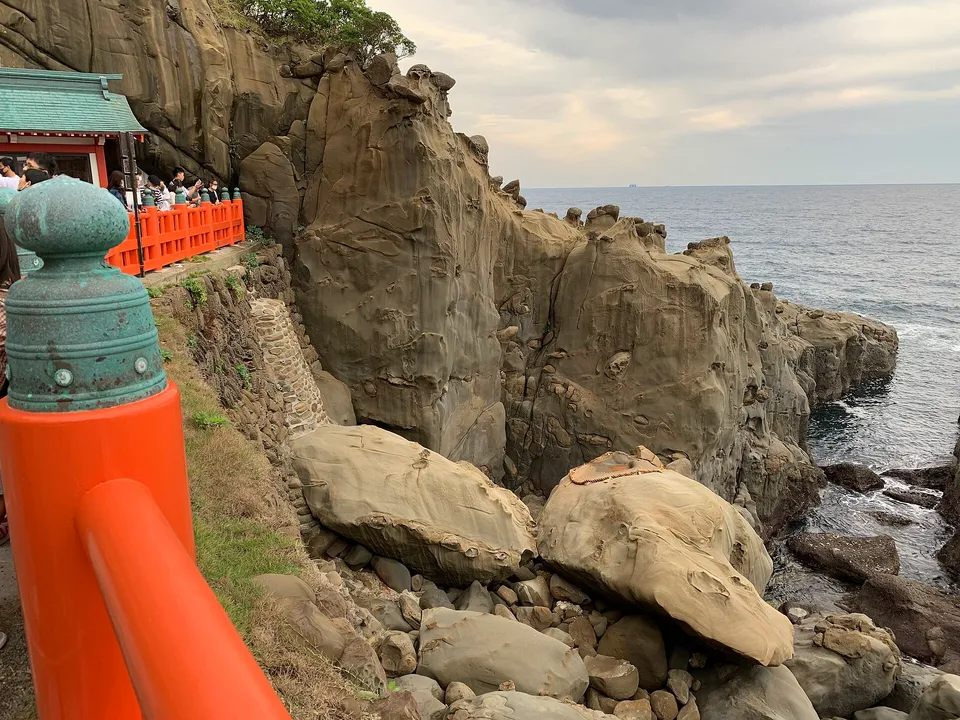 Top pick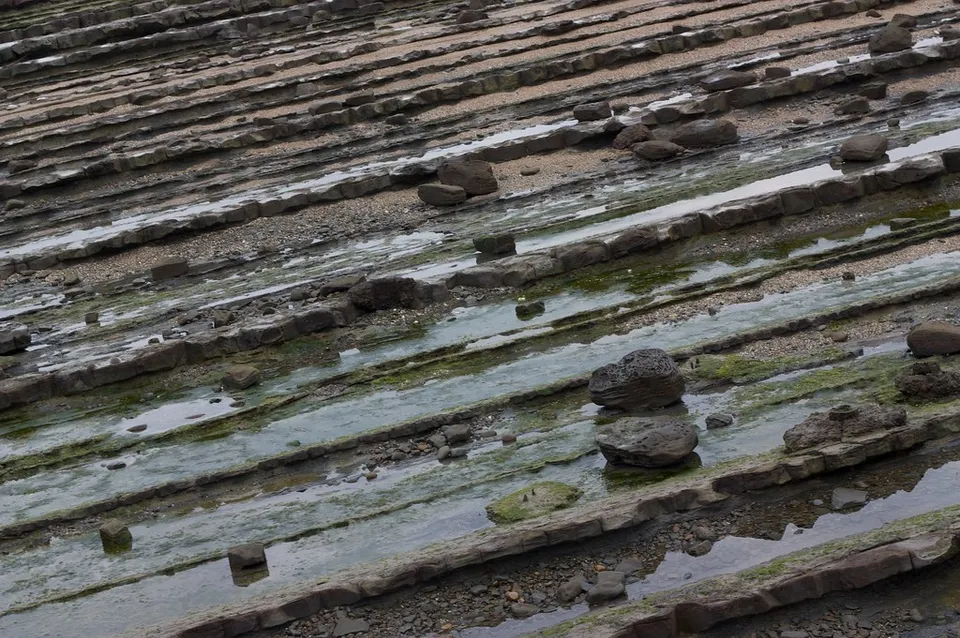
.jpg)
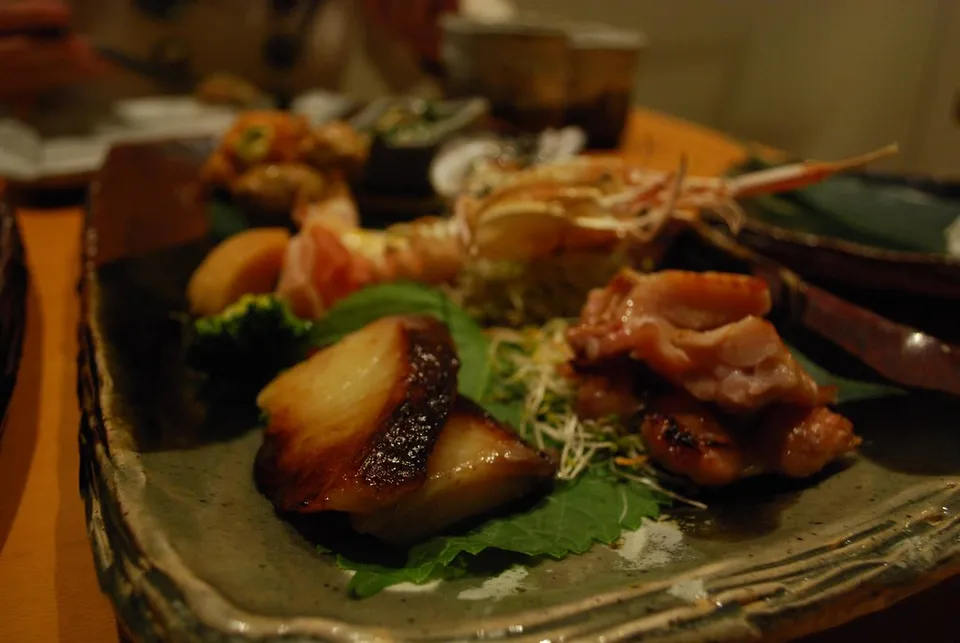 Must-eat
Chicken Nanban (チキン南蛮)
Miyazaki's signature dish: deep-fried battered chicken dipped in sweet vinegar and topped with tartar sauce. Originated in Nobeoka City in the 1950s; the…
Jidori no Sumibiyaki (地鶏の炭火焼き)
Charcoal-grilled local free-range chicken cut bite-size, seasoned with salt and pepper, and seared over high charcoal heat for a smoky char.
Lettuce Maki (レタス巻き)
Lesser-known local sushi roll of lettuce, shrimp and a house mayonnaise over sushi rice in seaweed. Invented in 1966 at Ippei Sushi in Miyazaki City and…
Miyazaki at a glance
Next door
Links marked PR are affiliate links: if you book through them we may earn a commission at no extra cost to you. Photos: Takachiho Gorge — satoimo1003 via FIND/47, CC BY 4.0 · Takachiho Gorge — momiji via FIND/47, CC BY 4.0 · Udo Jingu — inunami via Wikimedia Commons, CC BY 2.0 · Aoshima Shrine — kentamabuchi via Flickr, CC BY-SA 2.0 · Takachiho Gorge — Shiro_KUROGI via FIND/47, CC BY 4.0 · Udo Jingu — inunami via Wikimedia Commons, CC BY 2.0 · Aoshima Shrine — kentamabuchi via Flickr, CC BY-SA 2.0 · Chicken Nanban — avlxyz via Flickr, CC BY-SA 2.0. Map: Geolonia (MIT).
.jpg)