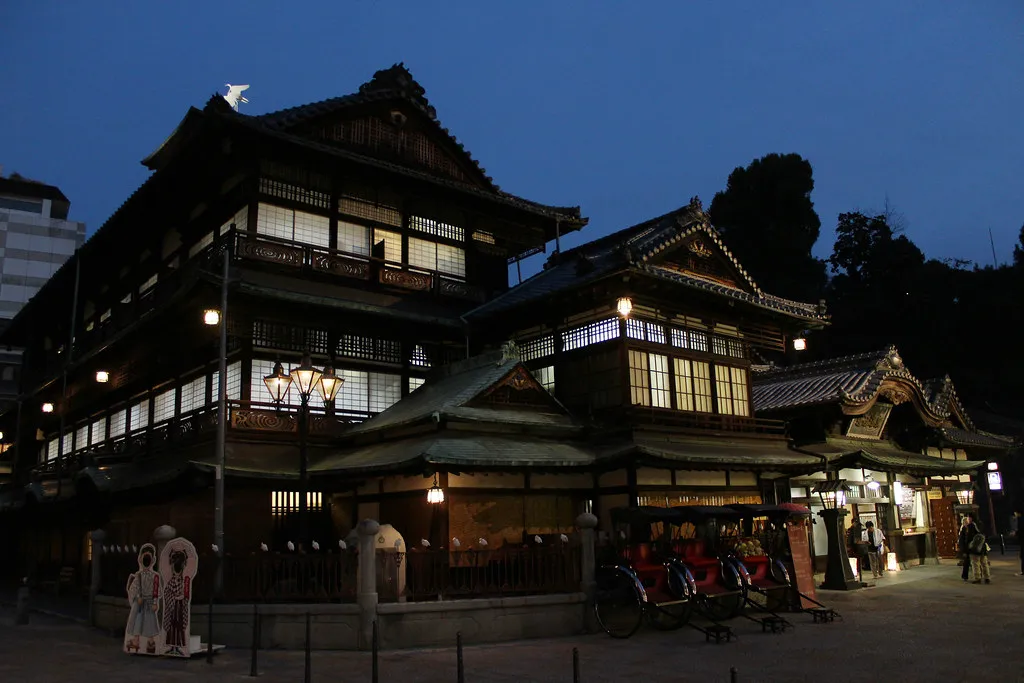
Ehime, on the northwest coast of Shikoku facing the Seto Inland Sea, is famed for Dogo Onsen, one of Japan's oldest hot springs with over 1,000 years of recorded history, and for the citrus-growing islands linked by the Shimanami Kaido cycling route. Its mild climate, feudal-era Matsuyama Castle, and mikan (mandarin orange) orchards make it a relaxed gateway to island-hopping.
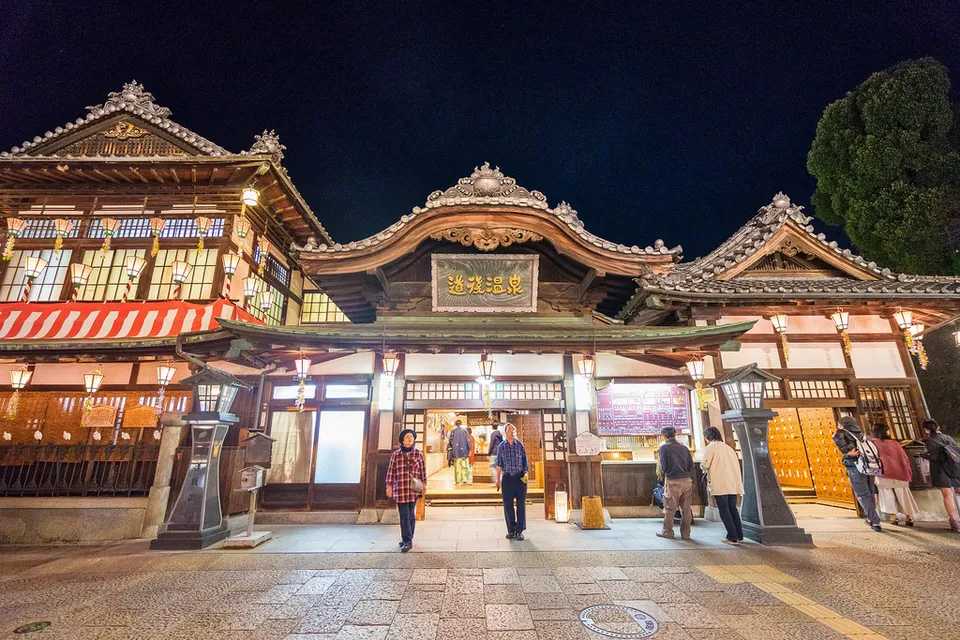
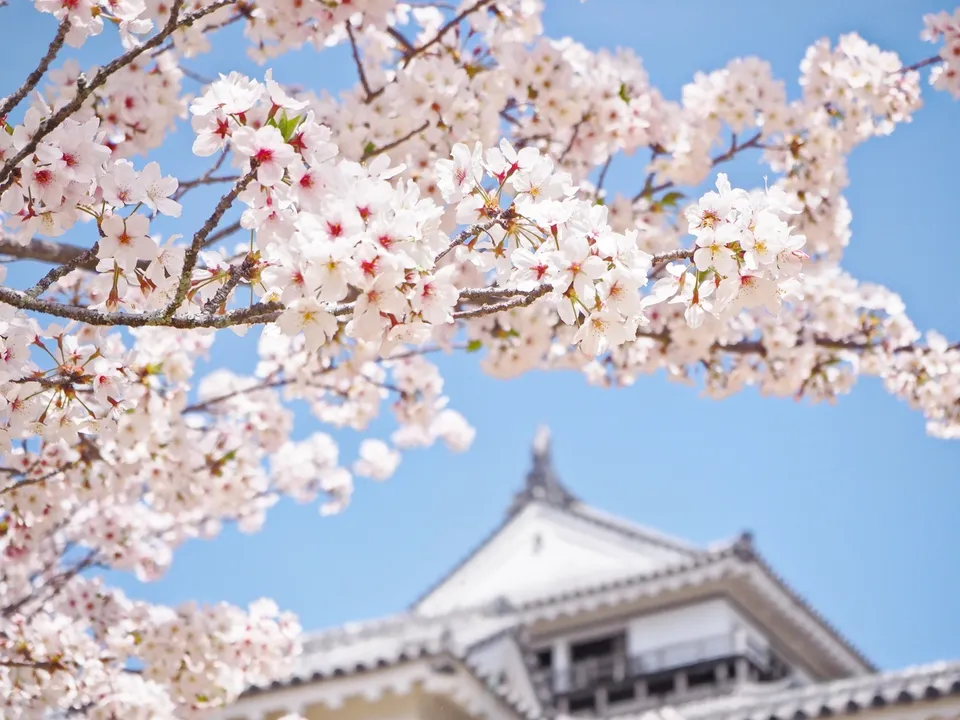
Ehime's (愛媛) Dōgo Onsen (道後温泉) appears in Japan's oldest texts as a bathing place of legend, and its 1894 wooden bathhouse helped inspire the bathhouse in 'Spirited Away'. Matsuyama (松山) keeps a fine original castle.
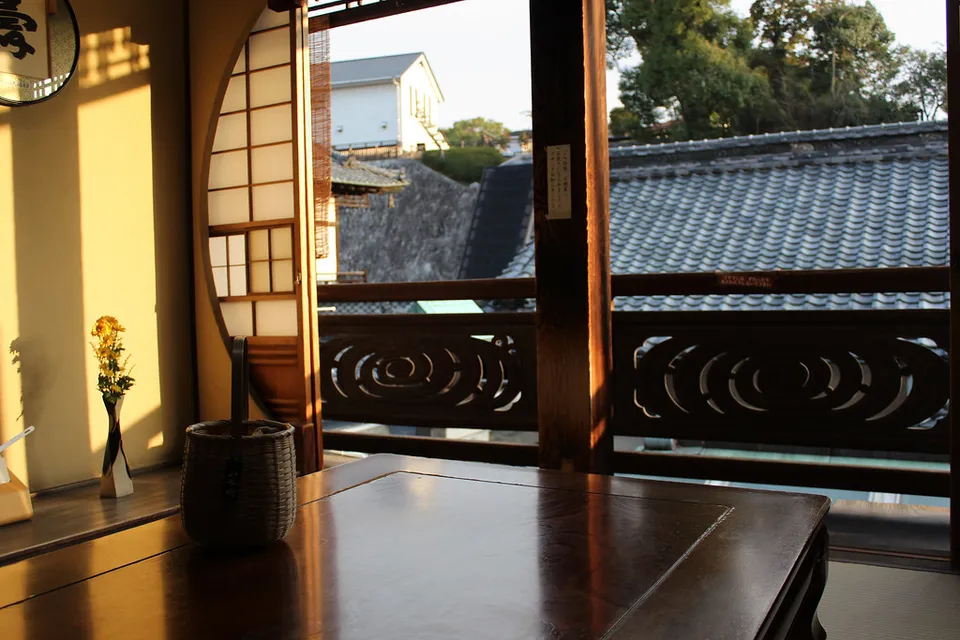
Photos: Dogo Onsen Honkan — Japanexperterna.se via Flickr, CC BY-SA 2.0
Matsuyama is reached by air from Tokyo/Osaka or by train/bus across Shikoku.
 Top pick
 Top pick
 Must-eat
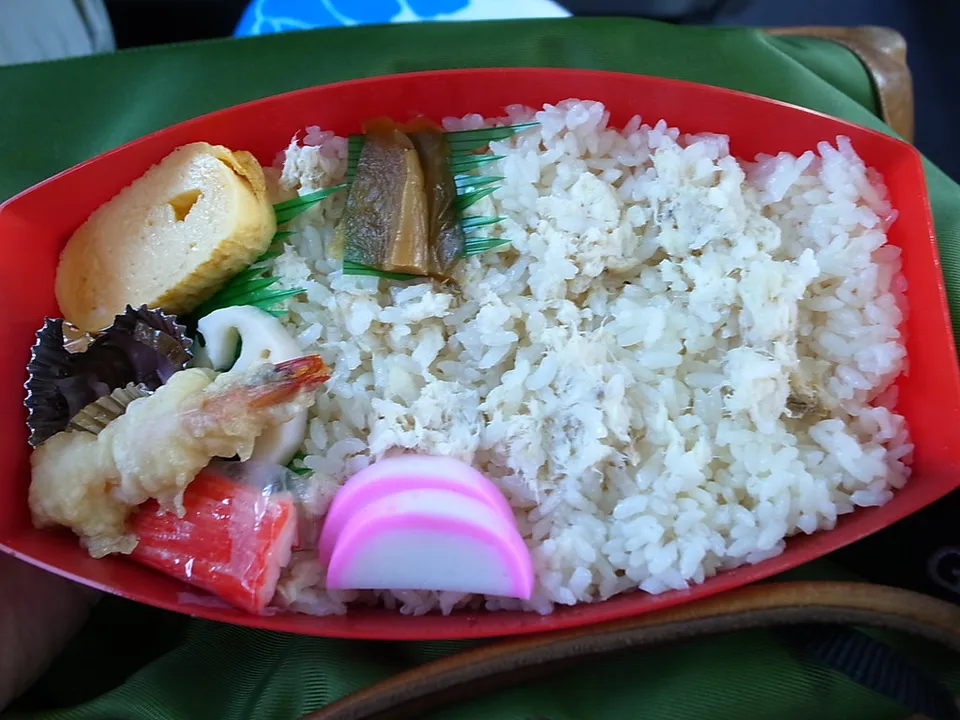
Taimeshi (sea bream rice)
Ehime's signature dish. Two regional styles: Matsuyama-style whole grilled sea bream cooked with rice, and Uwajima-style raw sea bream sashimi over hot rice…
 Must-eat
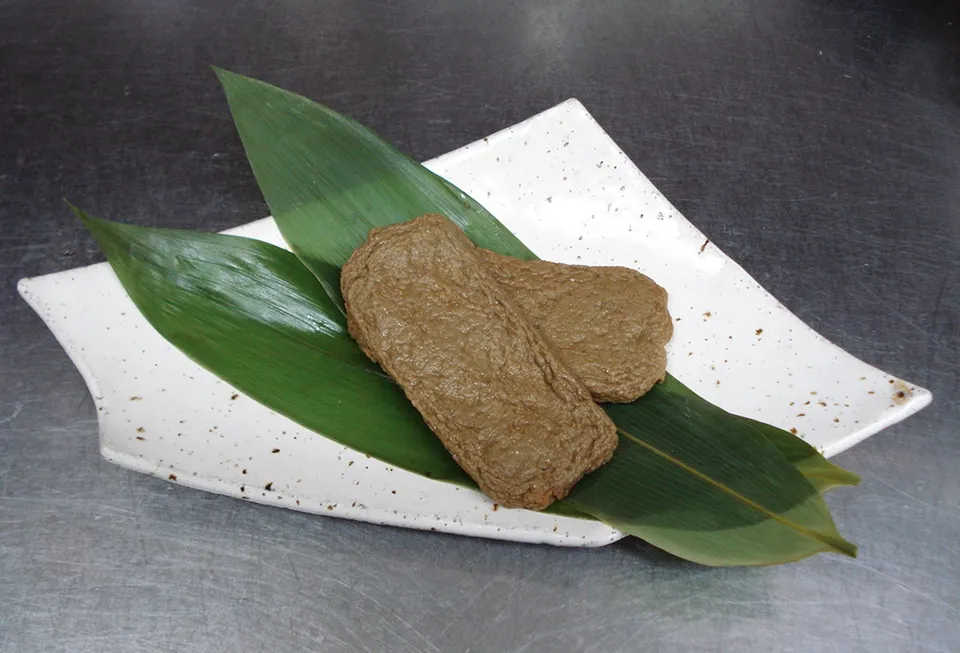
Jakoten (fried fish cake)
A crispy deep-fried cake of ground small whole fish, a centuries-old Uwajima delicacy eaten as-is. Tradition traces it to fishcake craftsmen brought from…
 Must-eat
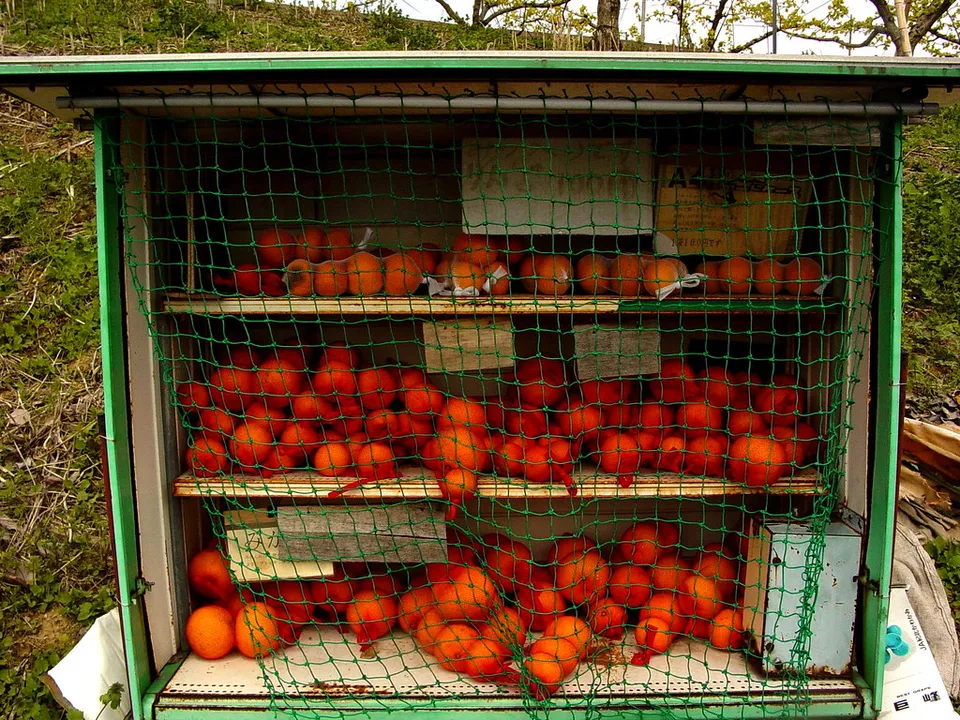
Mikan and citrus
Ehime is Japan's leading citrus producer (mikan, iyokan, dekopon). Sold in countless forms from fresh fruit to orange-flavored beer, gelato and juice.
Ehime at a glance
Next door
Links marked PR are affiliate links: if you book through them we may earn a commission at no extra cost to you. Photos: Dōgo Onsen Honkan — Japanexperterna.se via Flickr, CC BY-SA 2.0 · Dogo Onsen Honkan — Japanexperterna.se via Flickr, CC BY-SA 2.0 · Dogo Onsen Honkan — wongwt via Flickr, CC BY-SA 2.0 · Matsuyama Castle — Y_IKEDA via FIND/47, CC BY 4.0 · Taimeshi — GinkgoTelegraph via Flickr, CC BY-SA 2.0 · Jakoten — Koppepan via Wikimedia Commons, CC BY 3.0 · Mikan — 顔なし via Flickr, CC BY-SA 2.0. Map: Geolonia (MIT).
