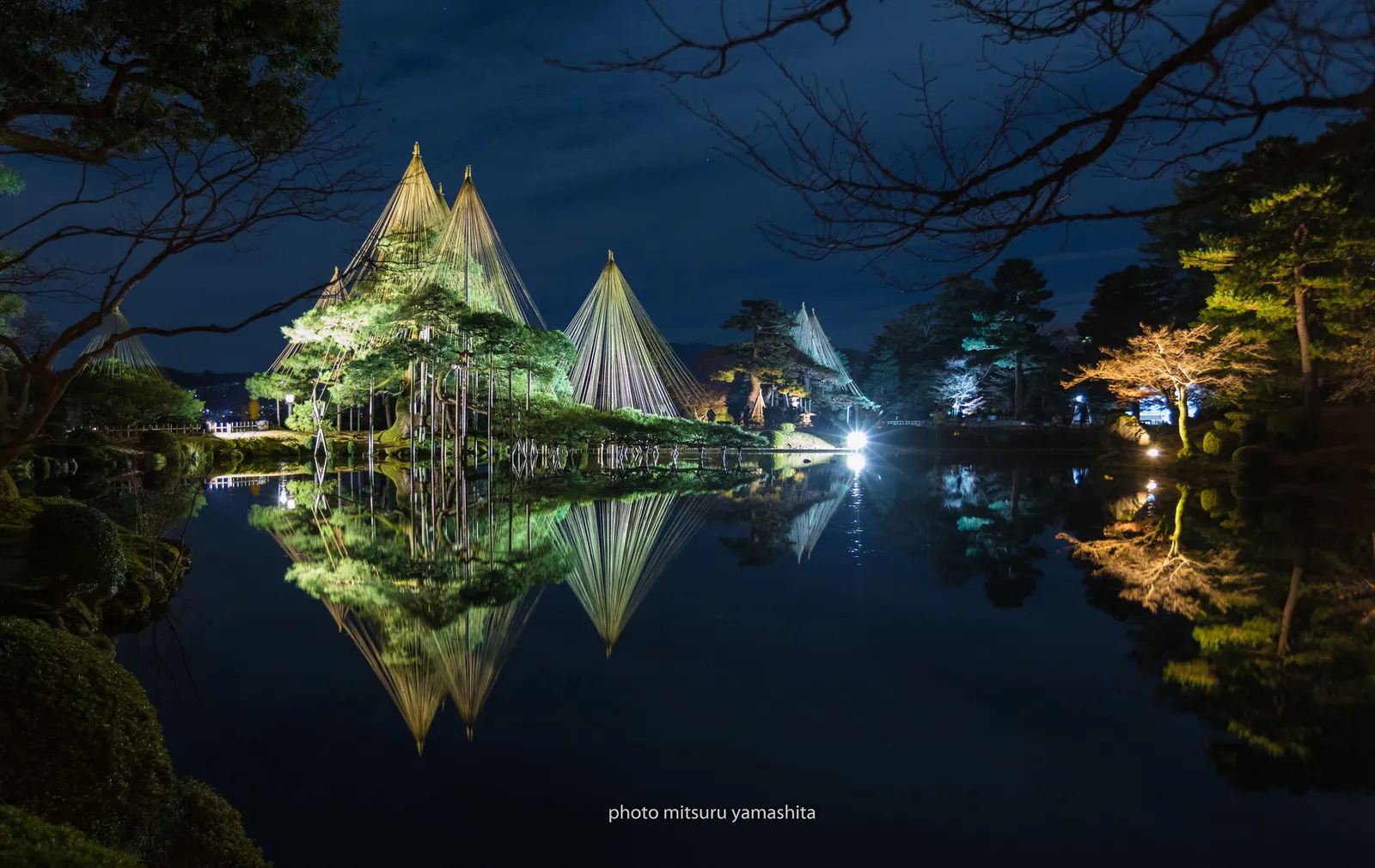
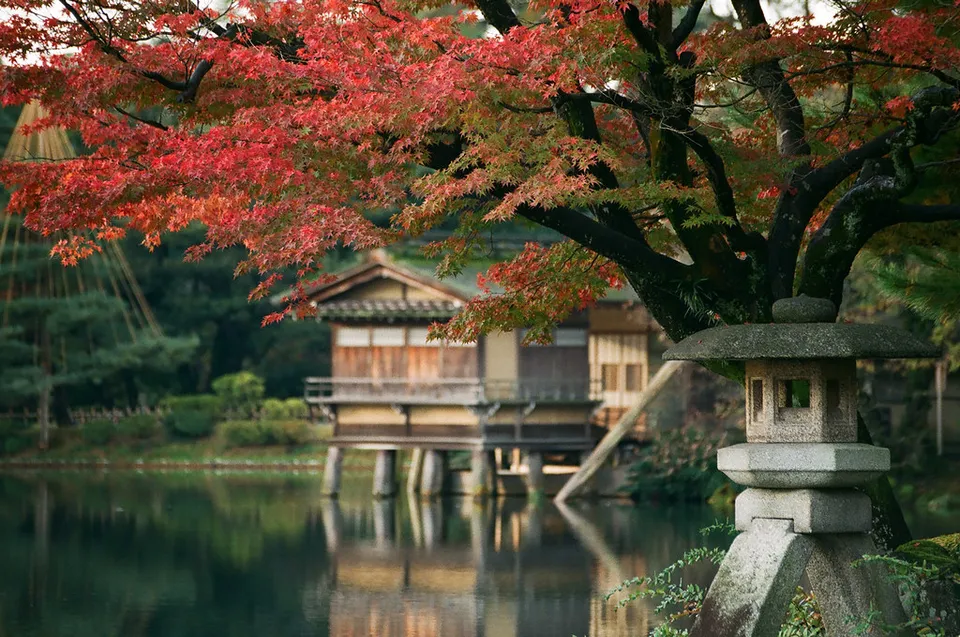
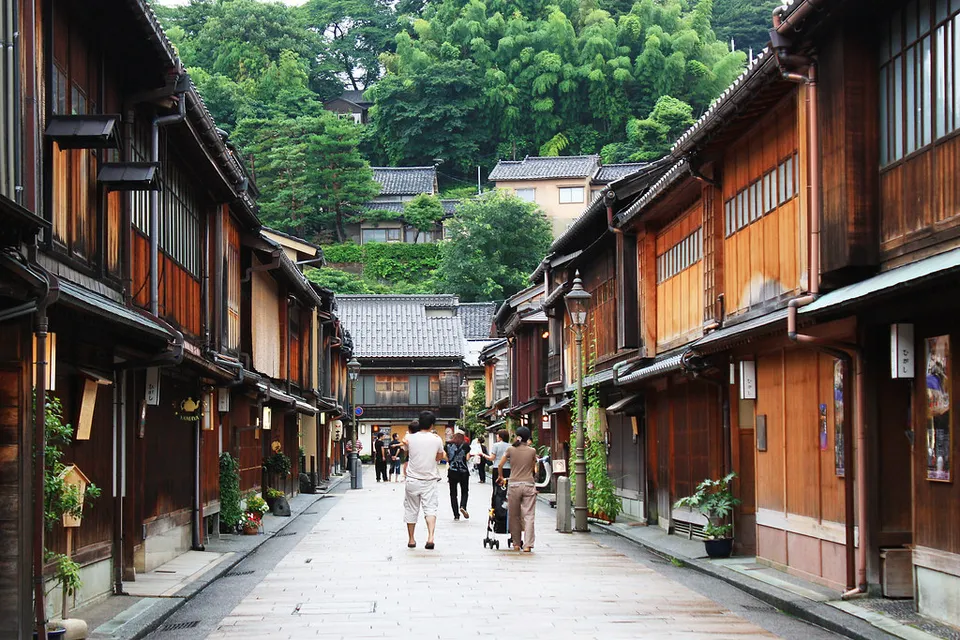
Ishikawa stretches along the Sea of Japan, anchored by the castle town of Kanazawa with its celebrated Kenrokuen, one of Japan's three great gardens, and preserved geisha and samurai districts. North of the city, the rugged Noto Peninsula offers dramatic coastal scenery, centuries-old lacquerware crafts, and seafood markets.
Ishikawa's (石川) Kanazawa (金沢) was the seat of the wealthy Maeda clan, second only to the Tokugawa. Spared wartime bombing, it kept its samurai and geisha districts and the celebrated Kenroku-en (兼六園) garden.
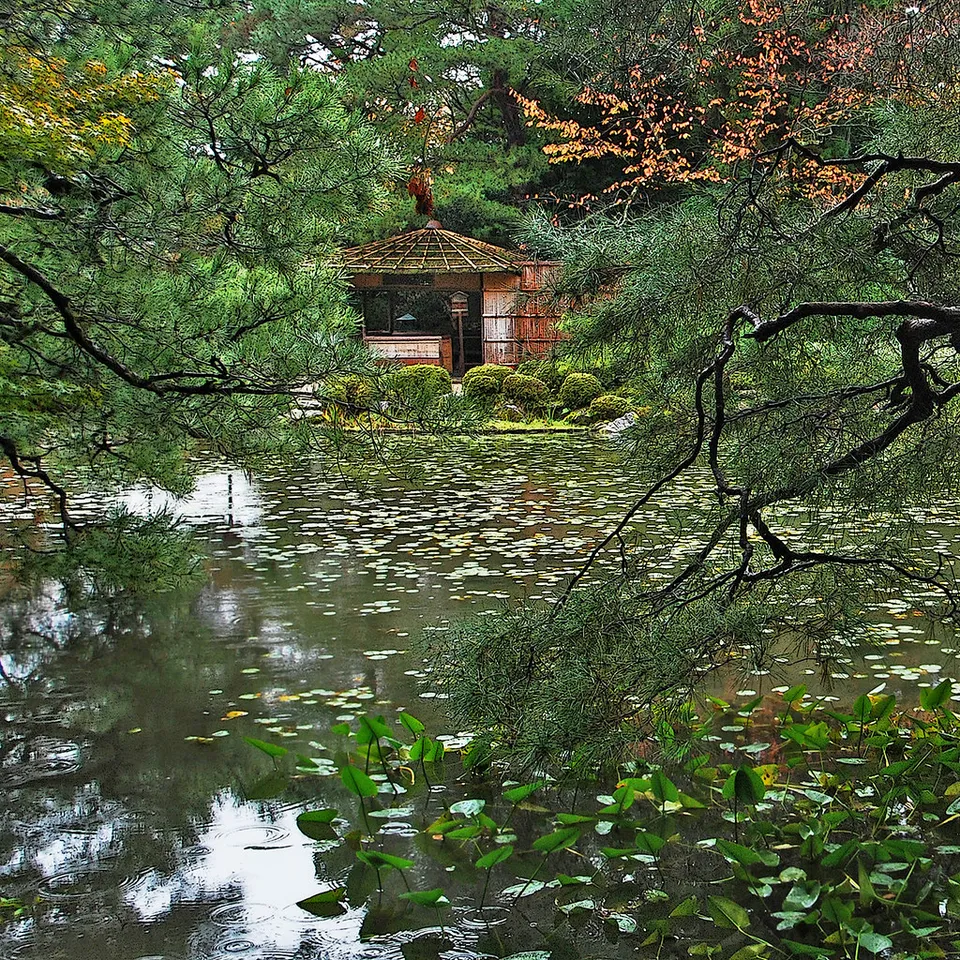
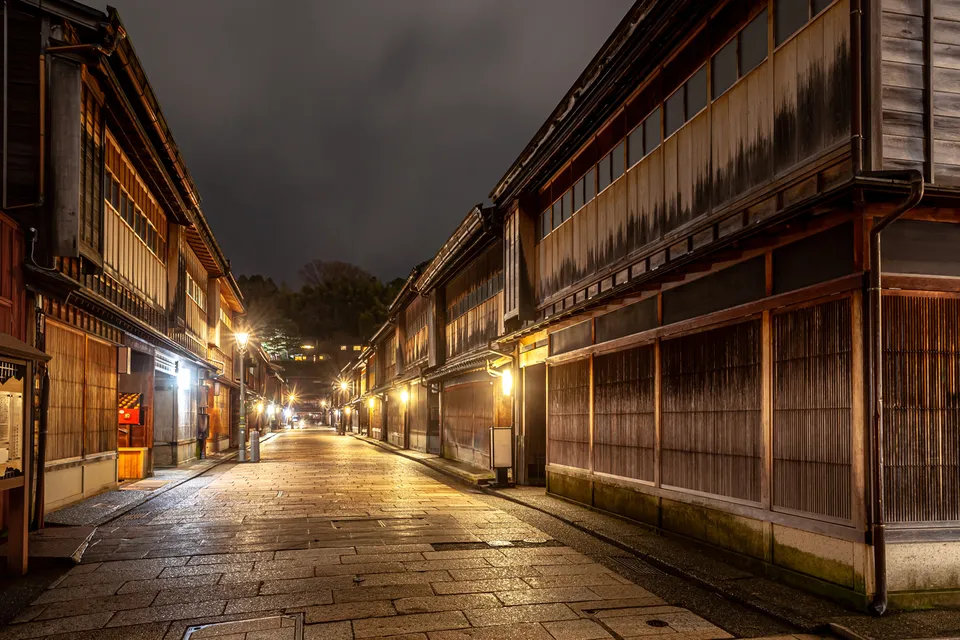
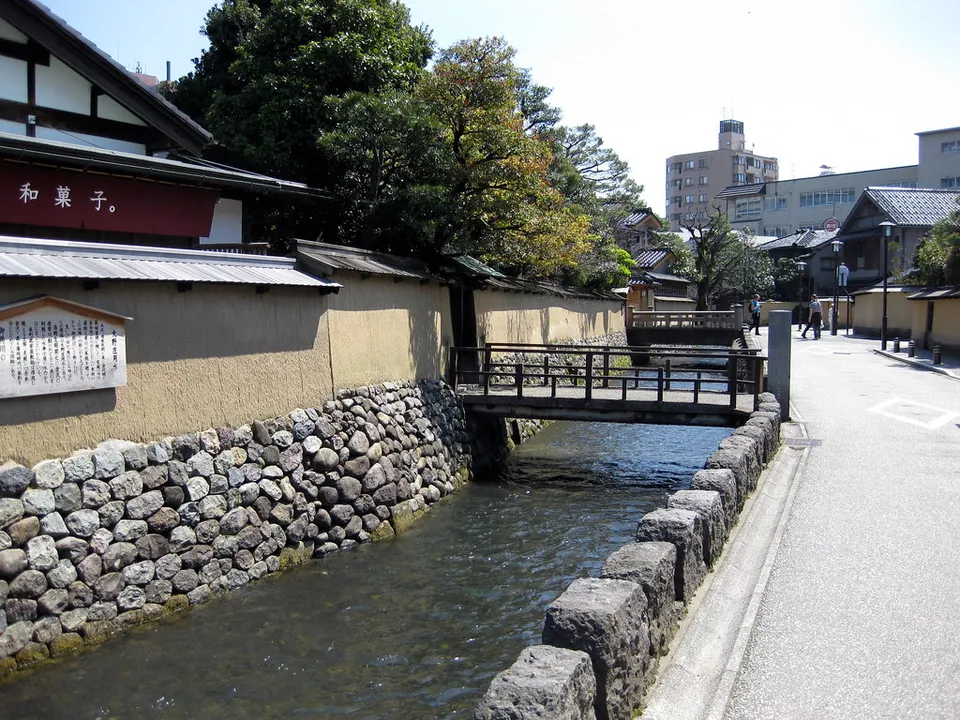
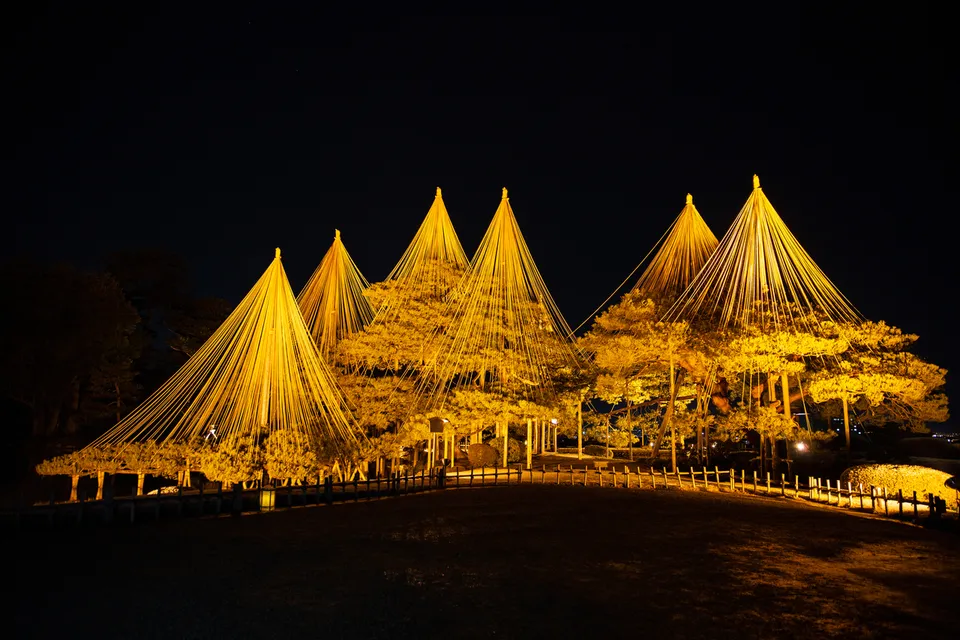
Photos: Kenrokuen Garden — williamcho via Flickr, CC BY-SA 2.0 · Higashi Chaya District — Yasuyuki_Kawano via FIND/47, CC BY 4.0 · Nagamachi Samurai District — douglaspperkins via Flickr, CC BY-SA 2.0 · Gold leaf — zoosan via FIND/47, CC BY 4.0
Kanazawa is ~2h30m from Tokyo by Hokuriku Shinkansen.
 Top pick
 Top pick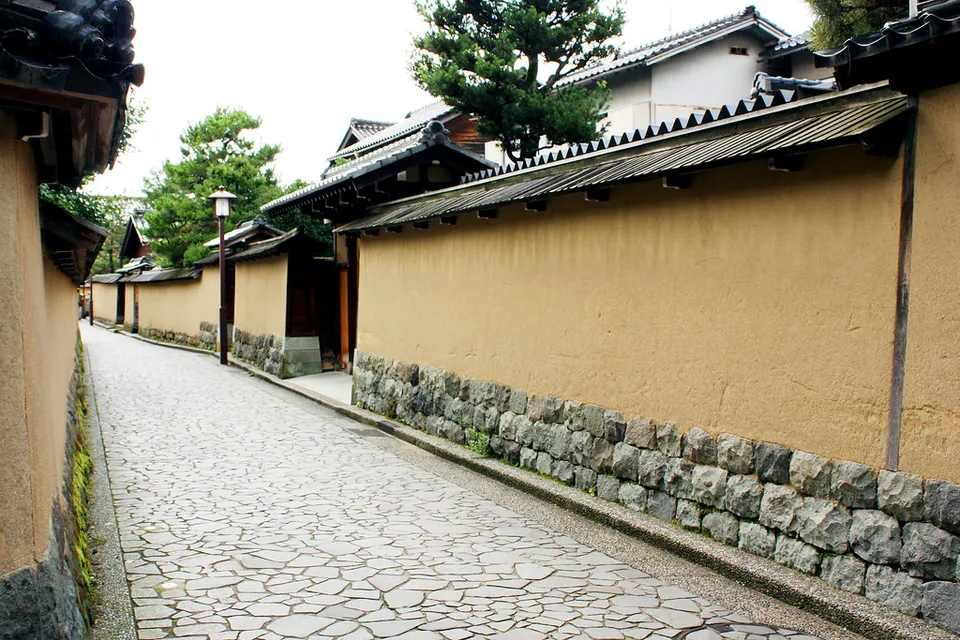
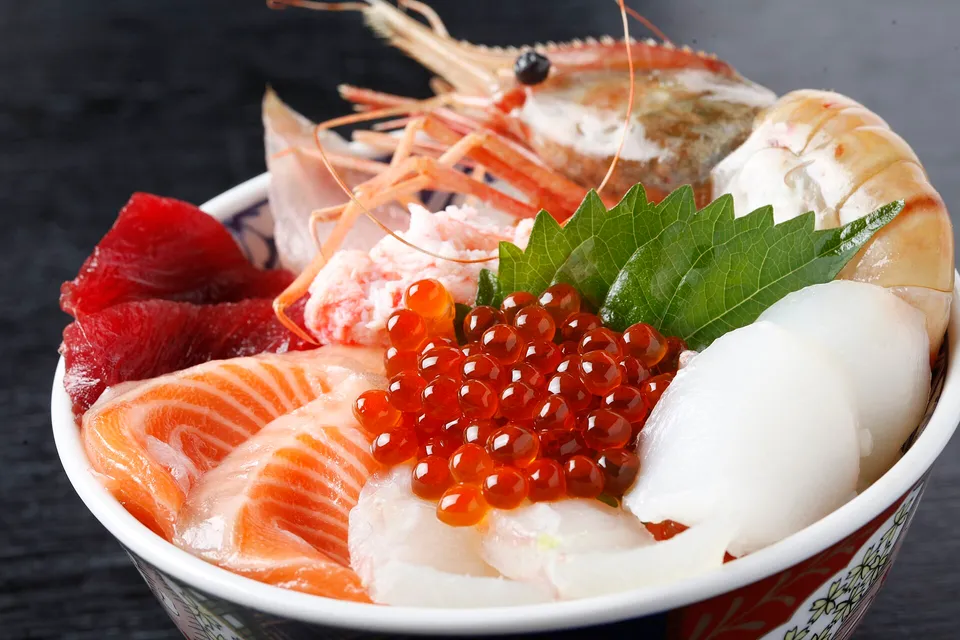 Must-eat
Kaisendon / Omicho Market seafood (snow crab, nodoguro, amaebi)
Ishikawa sits where warm and cold Sea of Japan currents meet, giving exceptional seafood; Omicho Market is the 'Kitchen of Kanazawa' with 180+ shops. Winter…
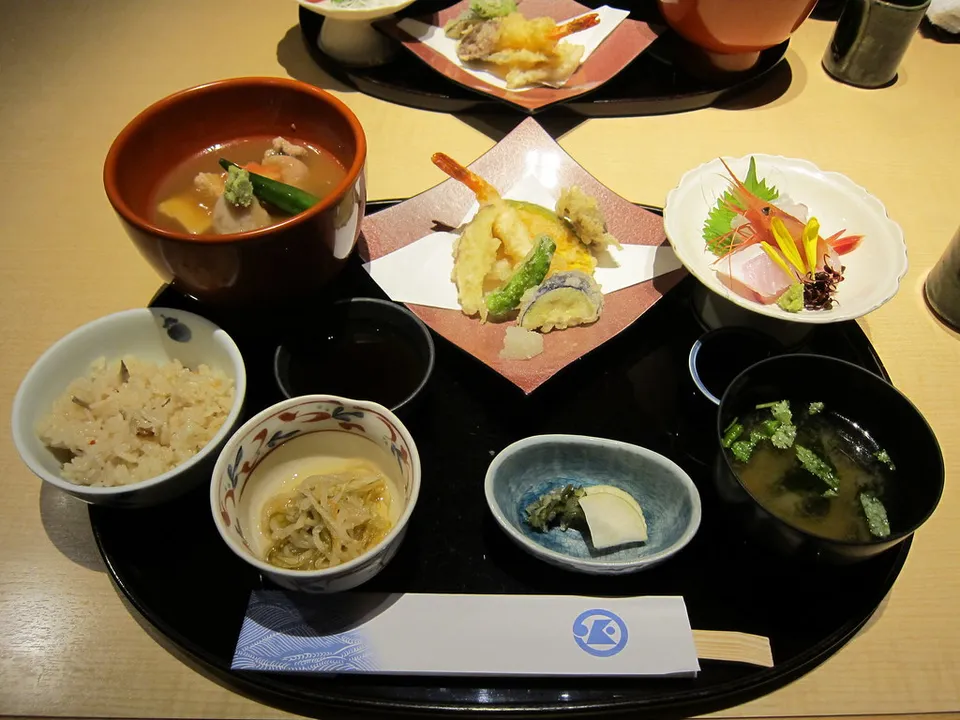 Must-eat
Jibuni (duck and vegetable stew)
A Kanazawa signature: duck (sometimes other poultry) coated in flour and simmered with seasonal vegetables in dashi, giving a characteristically thick, glossy…
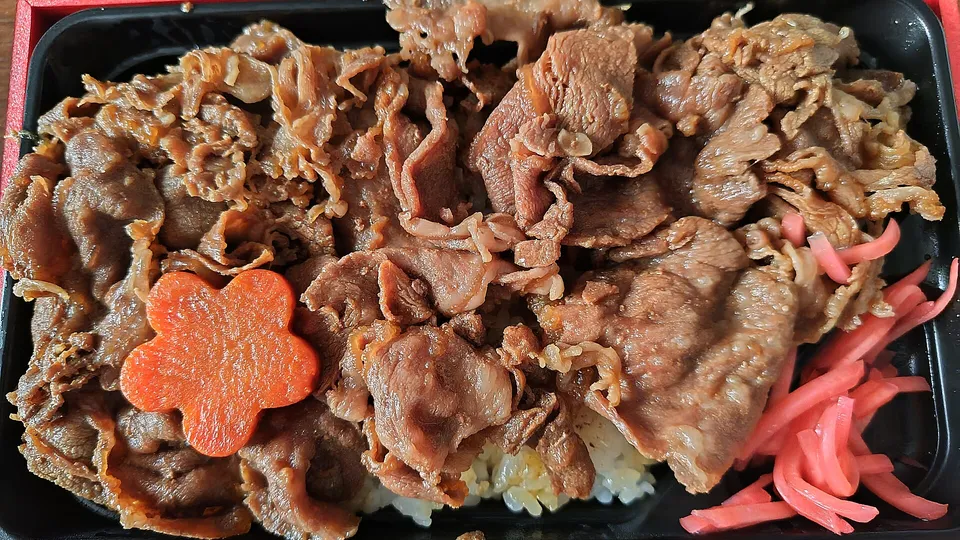 Local secret
Noto beef (Noto-gyu)
Wagyu from black cattle raised on the Noto Peninsula; production is so small it is rarely shipped outside Ishikawa, making it a true local-only delicacy…
Ishikawa at a glance
Next door
Links marked PR are affiliate links: if you book through them we may earn a commission at no extra cost to you. Photos: Kenroku-en garden — char via FIND/47, CC BY 4.0 · Kenrokuen Garden — williamcho via Flickr, CC BY-SA 2.0 · Higashi Chaya District — Yasuyuki_Kawano via FIND/47, CC BY 4.0 · Nagamachi Samurai District — douglaspperkins via Flickr, CC BY-SA 2.0 · Gold leaf — zoosan via FIND/47, CC BY 4.0 · Kenrokuen Garden — bryan... via Flickr, CC BY-SA 2.0 · Higashi Chaya District — Andrea Schaffer via Flickr, CC BY 2.0 · Nagamachi Samurai District — Andrea Schaffer via Flickr, CC BY 2.0 · Kaisendon — 海鮮ドン via Wikimedia Commons, CC BY-SA 4.0 · Jibuni — Nullumayulife via Flickr, CC BY 2.0 · Noto beef — Miyuki Meinaka via Wikimedia Commons, CC BY-SA 4.0. Map: Geolonia (MIT).

